
Introduction
Preparing rice for sale in Togo involves more than arranging an export shipment from India. The Togolese process for rice imported through the Autonomous Port of Lomé includes importer registration, a prior import declaration, product analyses and a marketing authorisation, followed by cargo and customs formalities.
The importer in Togo generally leads the local approvals, while the Indian exporter prepares the product and export documentation needed for the agreed shipment. The steps below summarize the rice procedure published through Togo’s trade-information system and the rice export requirements listed by India’s APEDA. Requirements can depend on the rice form, packaging, route and current rules, so the parties should confirm the applicable details before contracting or loading.
Key Takeaways
- Togo’s published procedure for rice imports through Lomé includes prior import declaration, microbiological analysis, a sanitary fitness certificate and marketing authorisation.
- The Togolese importer should check the stated local rice-purchase condition before budgeting: the prior-declaration procedure specifies a local purchase contract for at least 25% of the quantity to be imported.
- India’s APEDA lists an Import Export Code, APEDA e-RCMC, phytosanitary certificate and registration-cum-allocation certificate among rice export requirements; confirm which apply to the specific rice and shipment.
- Do not price the shipment using an assumed duty alone: confirm the exact tariff classification, applicable charges and current customs treatment with the Togolese importer or customs representative.
- Agree the rice form, quality limits, packaging, documents, inspection arrangements and shipment conditions in writing before dispatch.
1. What Should Buyers Define Before Preparing Rice for Togo?
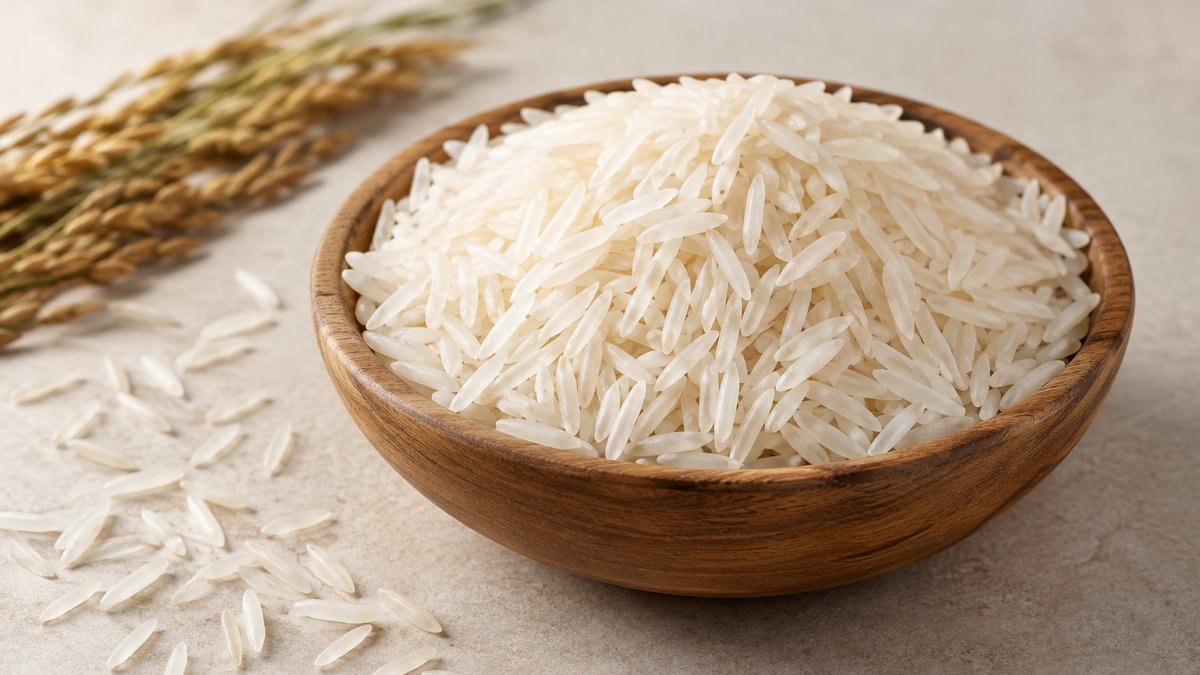
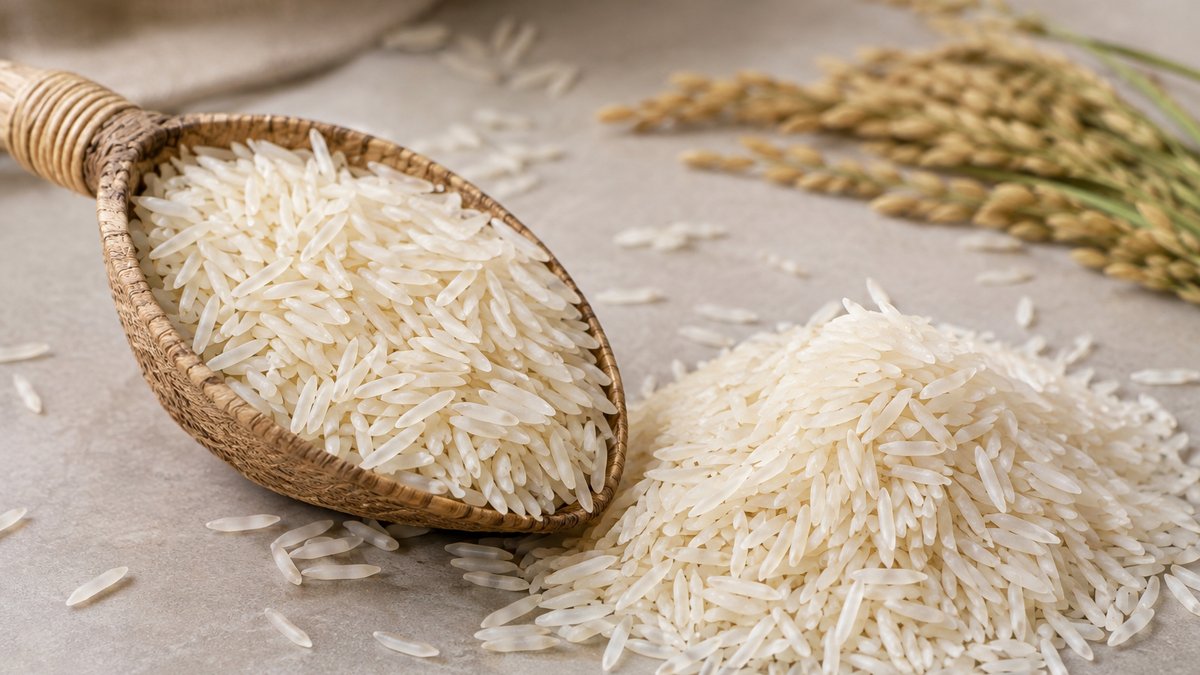
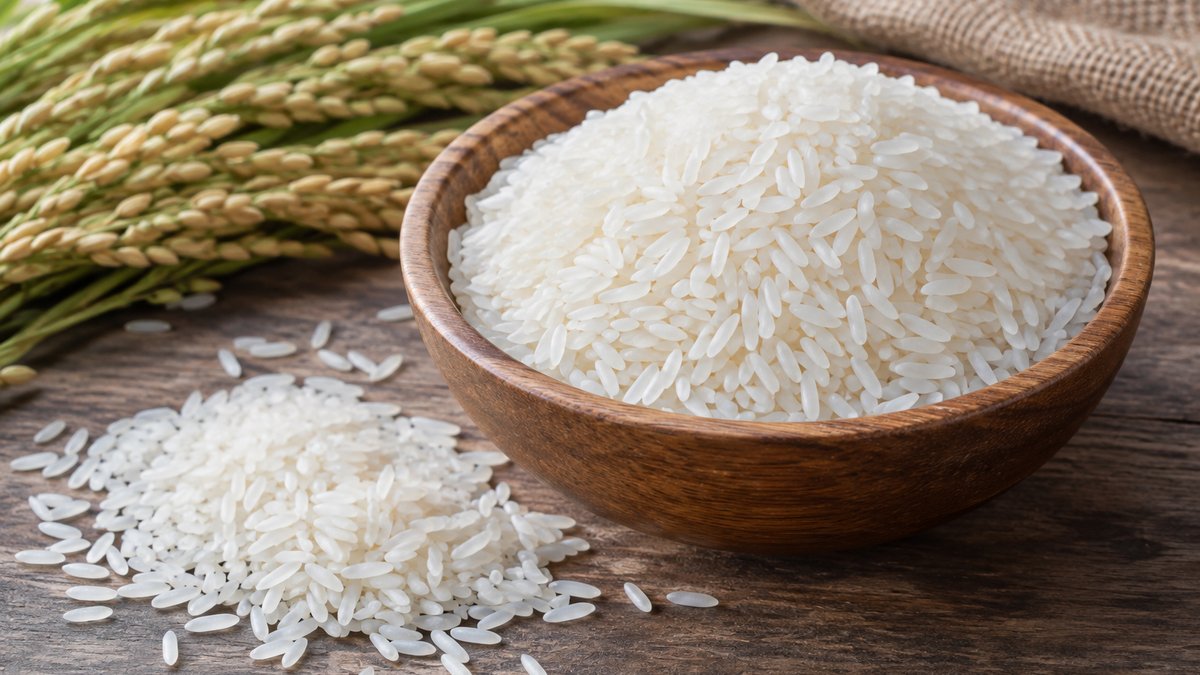
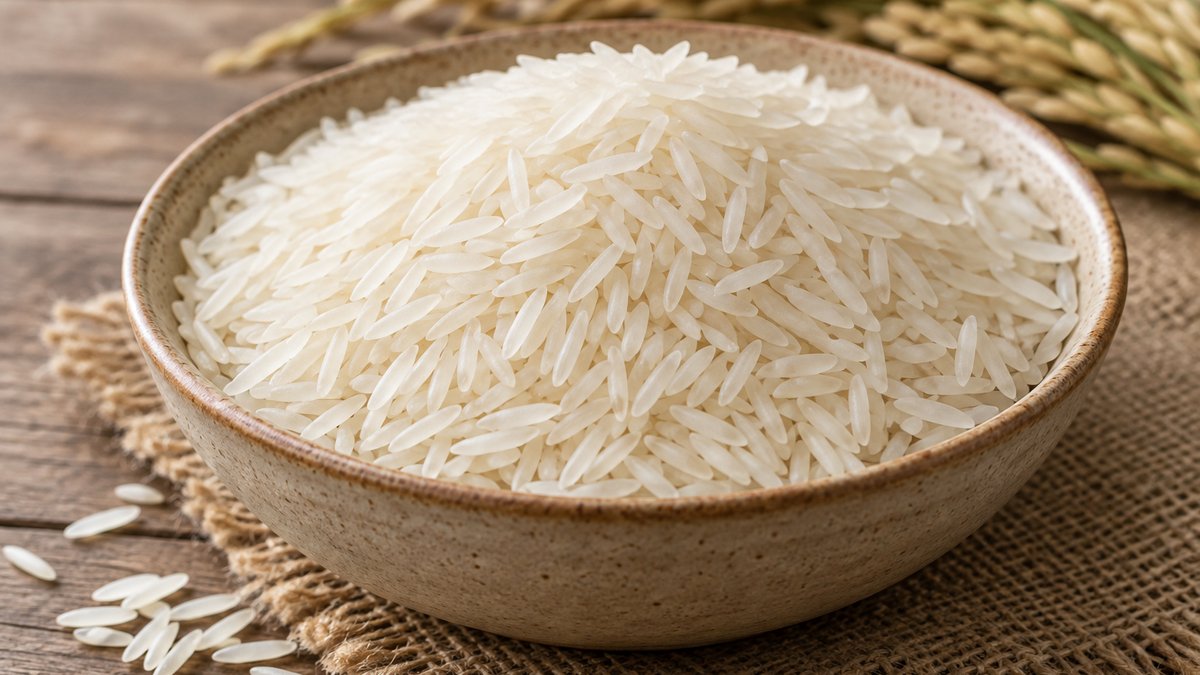
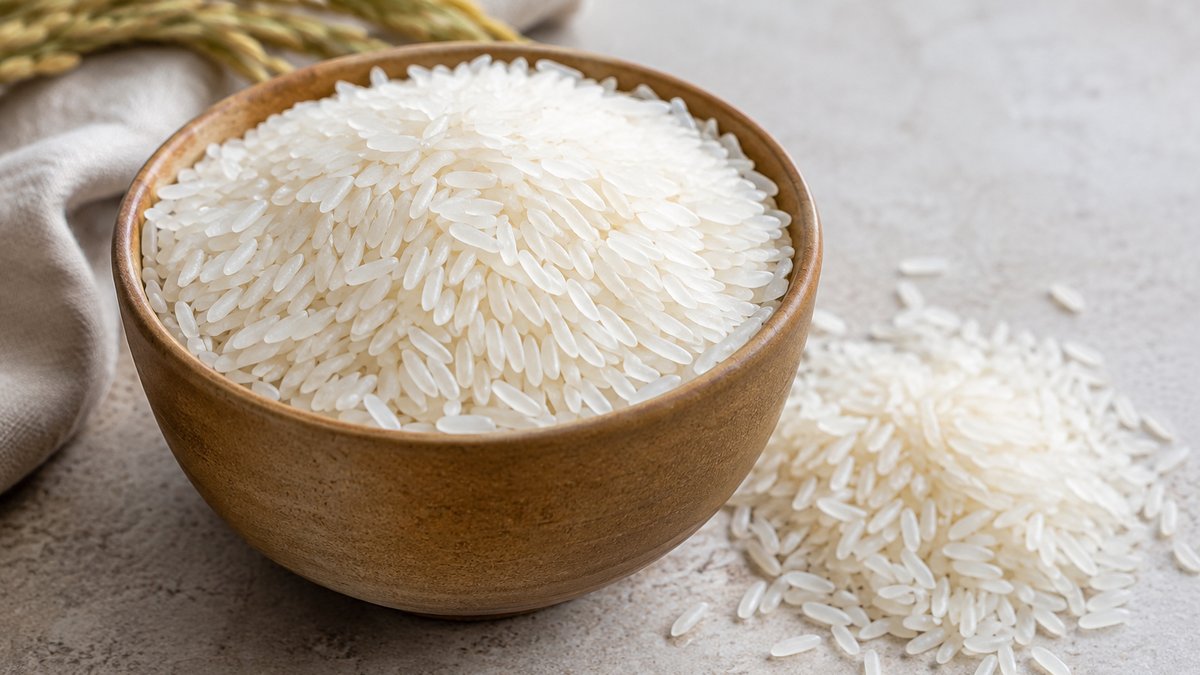
Start by defining the product precisely. “Rice” alone does not tell an exporter or importer whether the cargo is paddy, milled white rice, parboiled rice, brown rice or broken rice. These forms can differ in processing, appearance, intended use and applicable handling or regulatory checks. Identify the form, variety or commercial description, crop or production details where relevant, and whether it will be sold in bulk or prepacked.
Then align the specification with the intended channel: wholesale distribution, retail packing, food service or processing. For a food product, the buyer and supplier should agree measurable quality requirements rather than relying on a grade name alone. Depending on the contract, these may include broken-kernel percentage, moisture, foreign matter, damaged kernels, milling or processing description, and packaging. Specify the sampling and testing method and what happens if inspection results do not match the contract.
Togo’s published rice procedure is specifically described for import through the Autonomous Port of Lomé. If the shipment uses another entry route, or if the product is rice seed or another planting material rather than food rice, do not assume this port procedure covers every applicable requirement. Have the importer confirm the correct process with the relevant Togolese authorities.
Once the product form and intended use are clear, buyers can compare relevant rice requests and supplier profiles.
View Latest Grains Buying Requests →View Potential Grains Suppliers →
Buying consideration: Before requesting a firm quotation, send the same product description and quality specification to each supplier. If the commercial description leaves processing form or broken percentage open, offers may not be directly comparable.
Looking to Sell Rice?
Connect with verified buyers, receive relevant buying leads, and explore sourcing opportunities from global markets.
2. What Must the Togolese Importer Arrange Before Shipment?
The importer should begin with the Togo rice-import procedure, not wait until the cargo is ready to sail. The procedure identifies an import-export card and a prior import declaration certificate among the starting requirements. It also lists tax-compliance documentation and a local purchase contract for the prior-declaration application. The importer should confirm the current application channel, validity period and required supporting documents before making commitments.
One important commercial condition in the published procedure is a minimum local purchase of 25% of the quantity to be imported for rice. The page distinguishes this from a 30% figure for other sensitive products and says an older 50% figure is not the one used on the current prior-declaration certificate sheet. This is an importer-side condition: the Togolese buyer should confirm how it applies to the proposed transaction and arrange the required local purchase contract. An Indian exporter should not treat the condition as an export document or assume that the importer has met it.
The Togo Trade Portal lists further rice-import steps, including creation of accounts for relevant cargo and logistics services, obtaining the electronic cargo tracking note, and customs formalities. Responsibility can be divided among the importer, freight forwarder and other parties, so name the party responsible for each filing in the contract or shipment plan. Use the procedure as a checklist, while verifying details against the live government process.
Importers planning a particular volume can compare current rice buying activity and supplier options while checking these prerequisites.
View Latest Grains Buying Requests →View Potential Grains Suppliers →
Buying consideration: Do not treat the local-purchase condition as a minor post-arrival formality. Confirm it and the prior declaration before the parties finalize shipment timing and payment milestones.
3. How Do Togo’s Food-Safety Checks and Marketing Authorisation Work?
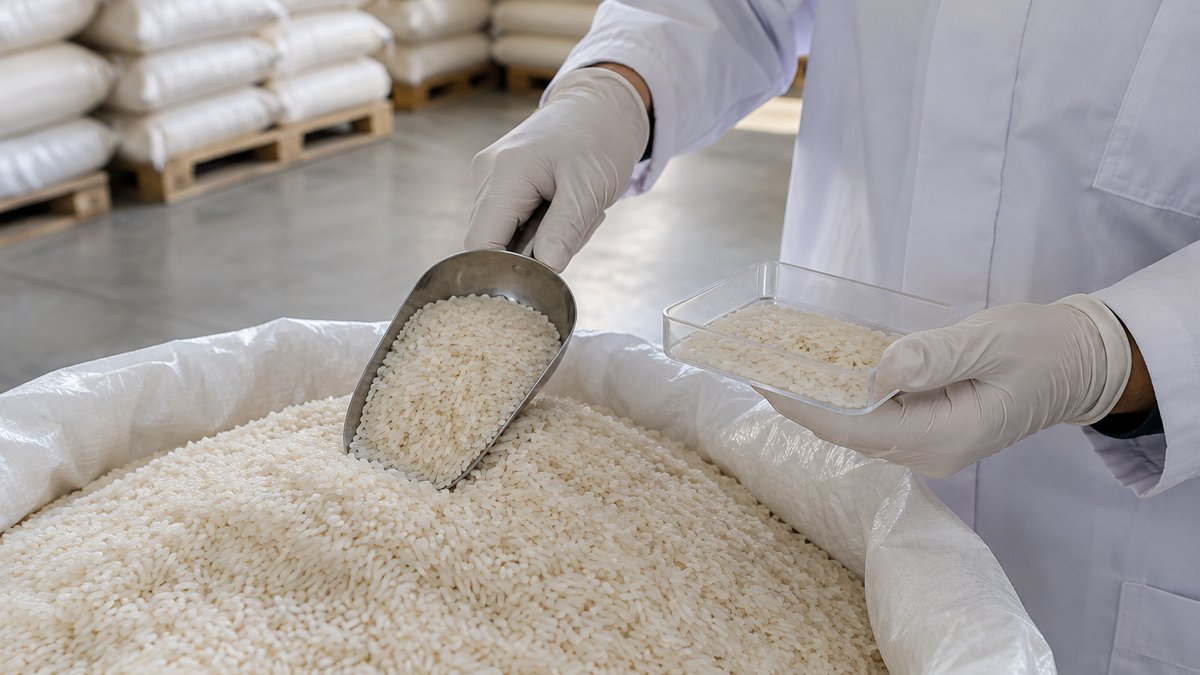
The published procedure for rice imported through Lomé includes microbiological analysis by the National Institute of Hygiene (INH), a sanitary fitness certificate from ITRA, and a marketing authorisation from the trade authority. The listed sequence places analysis and sanitary documentation before the marketing authorisation. The procedure also calls for a product sample and data sheet as part of the marketing-authorisation application.
Plan for these steps before dispatch. The sample, product identity and shipment records should describe the same rice as the sales contract and commercial documents. Ask the importer which sample quantity and submission method the relevant institutions currently require, how sampling is arranged, and whether testing takes place before or after arrival for the specific consignment. Do not assume a certificate from India replaces a Togolese analysis or authorisation listed in the local procedure.
The Togo rice procedure states that the marketing authorisation is valid for one year for rice. Treat that as a validity period for the authorisation described in the procedure, not as a guarantee that every shipment is automatically cleared. The importer should verify whether the authorisation covers the product category and transaction and whether any additional product-specific checks apply.
Buyers preparing samples and a product data sheet can explore related rice supplier profiles as part of their sourcing work.
View Related Suppliers for This Product →
Buying consideration: Before loading, have the importer confirm the status of analysis, sanitary documentation and market authorisation, and agree how original documents will reach the party responsible for clearance.
4. Which Documents Should the Indian Exporter and Togolese Importer Coordinate?
APEDA’s rice-export requirements page lists an Import Export Code (IEC), APEDA e-Registration-cum-Membership Certificate (e-RCMC), phytosanitary certificate issued by India’s Directorate of Plant Protection, Quarantine and Storage, and a Registration-cum-Allocation Certificate (RCAC) for Basmati and non-Basmati rice. Because the brief does not specify whether the product is Basmati or non-Basmati, the exporter should confirm the exact current APEDA and DGFT conditions for the product and shipment before accepting an order.
The Togo rice procedure separately lists a phytosanitary certificate among the documents used in its marketing-authorisation process. The importer should confirm the certificate’s required content and timing with the Togolese authority, while the exporter coordinates issuance with India’s competent authority. Do not assume that similarly named documents issued in different countries are interchangeable.
The Togolese procedure and general import guidance also identify customs and transport documentation. The final document set can depend on the packaging, route, transaction and applicable rules. The importer should confirm the requirements with Togo’s trade and customs authorities; the exporter should check India’s current export policy and APEDA process close to the shipment date, particularly because export conditions may change.
Buying consideration: Create a document matrix before signing: list each document, who applies for it, who receives the original, the needed language or format, and the deadline. Match names, product descriptions, quantities and package counts across the invoice, packing list, certificates and transport documents.
5. How Should Buyers Estimate Duties and Customs Costs for Rice in Togo?
Rice is covered by the ECOWAS Common External Tariff, but the exact tariff line depends on how the goods are classified. Togo’s tariff information describes rice within the 10% CET category for inputs and intermediate goods and some consumer goods. That category rate is not a complete landed-cost calculation and should not be treated as a final rate for every rice form or tariff code.
Before agreeing a delivered price, ask the importer or customs representative to confirm the tariff classification for the precise product—such as paddy, husked, milled or broken rice—and calculate the current duties, fees, levies and taxes on the relevant customs value. Togo’s published tariff information lists additional charges beyond customs duty; their applicability and bases should be checked for the specific import. Keep any duty estimate separate from freight, insurance, port handling, inspection, storage and inland delivery.
- Confirm product classification: Give the broker the product form, processing description and intended use; do not select a code based only on the word “rice.”
- Request a written cost breakdown: Separate customs duty, other charges and taxes from freight and local handling costs.
- Confirm the customs value basis: Ensure the parties understand which transaction and transport costs are included in the declared value.
- Recheck before shipment: Verify the tariff treatment and charges using current Togolese customs information before setting the final landed-cost estimate.
For shipments from India, do not assume an ECOWAS-origin tariff preference applies: India is outside ECOWAS. The importer should nonetheless confirm the applicable treatment for the exact tariff line and any current measure with the Office Togolais des Recettes (OTR).
Buying consideration: Use a confirmed tariff line and an itemized estimate when comparing offers. A low FOB price is not necessarily the lowest landed cost if classification, clearance or handling assumptions differ.
6. How Can Buyers Align the Rice Contract, Inspection and Shipment Plan?
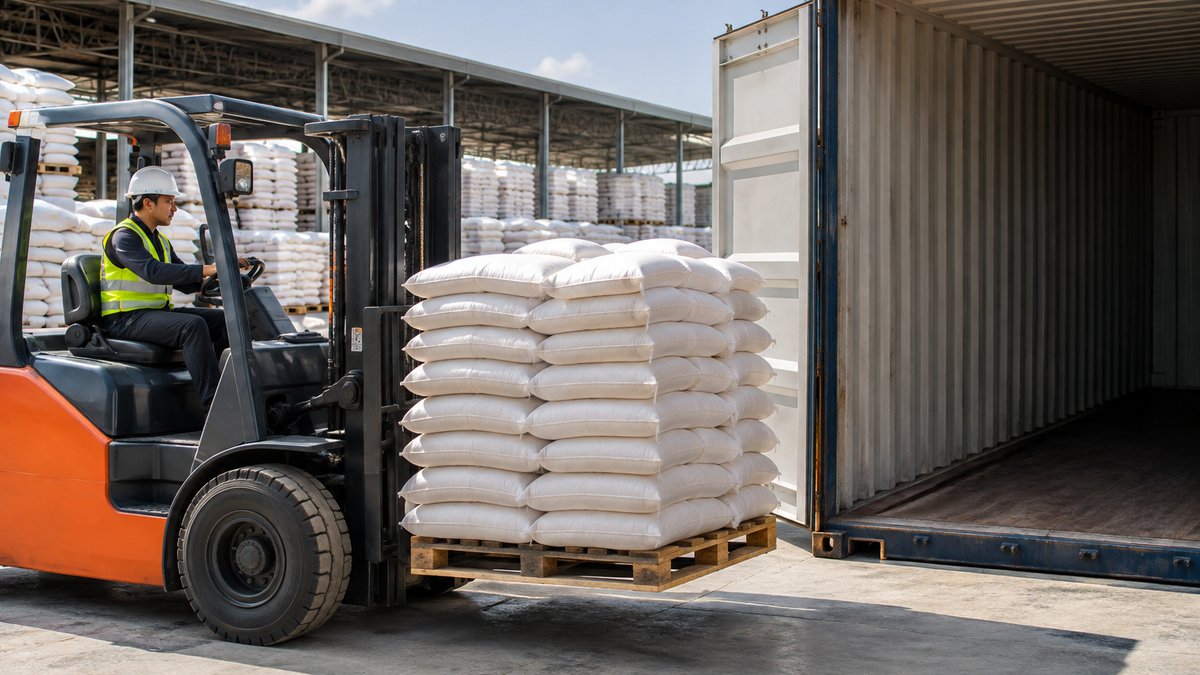
The contract should connect the product specification to the import approvals and shipment documents. State the rice form, variety or commercial description, quality limits, packaging, quantity, origin, delivery term and named place or port. Also identify who arranges sampling, inspection, laboratory testing, phytosanitary certification, cargo tracking, insurance and customs clearance. If a document or approval is a condition before loading, state that milestone clearly.
A practical pre-shipment sequence is to confirm importer eligibility and the prior declaration; verify local purchase documentation and required approvals; finalize the sample, data sheet and quality terms; check Indian export requirements; align certificates and shipping documents; and obtain confirmation that the agreed shipment can proceed. The parties should also agree how to handle a test failure, delay or discrepancy—for example, whether further sampling, reconditioning, replacement or cancellation is possible under the contract.
Illustrative rice inquiry checklist:
Product: Specify rice form and variety or commercial description
Quality: List agreed limits and test methods
Quantity: State amount and any permitted tolerance
Packaging: State package material, net weight and bulk or retail presentation
Destination: State Togo entry point and delivery location
Documents: List required certificates and responsible parties
Commercial terms: State delivery term, payment milestones and shipment window
Inspection: State sampling point, inspection method and remedy for nonconformity
This is an illustrative checklist, not a universal specification; adapt it to the product, contract and current Togolese requirements.
For sourcing, Freshdi’s Rice buying requests can help readers review relevant buying activity. Keep the inquiry focused on the actual product and shipment requirements so that suppliers can assess whether they can respond to the specification.
Once the Togo requirements and shipment specification are clear, buyers can take the next sourcing step.
View Latest Buying Requests for This Product →
Buying consideration: Do not treat a supplier quotation as confirmation that Togo’s approvals are complete. The importer should verify regulatory readiness independently, and both parties should retain the agreed specification and document checklist with the contract.
7. What Should Buyers Confirm Before Releasing an Indian Rice Shipment to Togo?
Use a final go/no-go review before loading. The importer should confirm the import-export card, prior declaration, local purchase condition, analysis and authorisation status, and customs classification and cost estimate. The exporter should confirm applicable Indian export approvals and certificates, product conformity, packaging, shipping documents and the agreed inspection evidence.
- Product match: The physical rice, sample, data sheet, contract and invoice describe the same product.
- Togolese approvals: The importer has checked the rice procedure and confirmed required documents and approvals for the specific shipment.
- Indian export compliance: The exporter has checked the current APEDA and DGFT conditions for the rice category.
- Cost and route: The tariff line, charges, entry point and delivery responsibilities are documented.
- Shipment controls: The parties have agreed inspection, sampling, document originals and remedies for nonconformity.
Togo’s rice-import procedure was validated on 22 September 2026 according to the published procedure page. Rules and administrative steps can still change, so verify them with the relevant authorities and the importer before each shipment. Freshdi can support the sourcing stage, but it does not replace regulatory review, customs advice or the parties’ agreed contractual checks.
Buying consideration: Release the shipment only when the responsible parties have documented readiness against the applicable checklist and resolved any outstanding product, certificate or clearance questions.
Frequently Asked Questions
Does Togo require a marketing authorisation for imported rice?
The published procedure for rice imported through the Autonomous Port of Lomé includes a marketing authorisation. It lists a product sample, data sheet, prior import certificate, sanitary fitness certificate and phytosanitary certificate among the application documents. The importer should verify the current process and product-category scope.
Is a local rice purchase required for an importer in Togo?
The published prior import declaration procedure specifies a local purchase contract covering at least 25% of the quantity to be imported for rice. The Togolese importer should confirm how the condition applies to the planned transaction and satisfy the current administrative requirements.
What food-safety checks are listed for rice imported through Lomé?
The procedure lists microbiological analysis by INH and a sanitary fitness certificate from ITRA, followed by a marketing authorisation. The importer should confirm current sampling arrangements, timing and any additional checks with the authorities.
Which Indian export registrations or certificates may apply?
APEDA’s rice export requirements page lists an IEC, APEDA e-RCMC, a phytosanitary certificate from DPPQS and an RCAC for Basmati and non-Basmati rice. Exporters should verify the current conditions for the exact rice type and shipment with APEDA and DGFT.
Is the 10% ECOWAS tariff rate the full cost of importing rice into Togo?
No. The rate described for rice in the ECOWAS CET is not a full landed-cost estimate, and classification depends on the precise tariff line. The importer should confirm the code, current duty, additional charges and taxes with OTR or a customs representative.
Should the importer complete approvals before shipment?
The importer should verify the sequence and timing before loading. The published procedure includes prior declaration, product analyses, sanitary documentation and marketing authorisation, so leaving these checks until arrival can create avoidable clearance uncertainty.
What should an inquiry for rice destined for Togo include?
State the rice form and variety or commercial description, quality limits, quantity, packaging, destination, required documents, inspection method, delivery term and shipment window. Make clear which party is responsible for each approval and document.
References
1. Togo Trade Portal / InterCom Togo – Import rice through the Autonomous Port of Lomé, Validated 22 September 2026.
2. Agricultural and Processed Food Products Export Development Authority (APEDA), Government of India – Requirements for Export of Rice, Accessed 10 November 2026.
3. Togo Trade Portal / InterCom Togo – Tariffs and taxes, Accessed 10 November 2026.
4. U.S. Department of Agriculture, Foreign Agricultural Service – Togo: Food and Agricultural Import Regulations and Standards Country Report, 2025.
5. International Trade Administration, U.S. Department of Commerce – Togo - Import Requirements and Documentation, 16 June 2026.