Introduction
Non-basmati rice covers a wide range of rice varieties traded across international markets. Unlike Basmati rice, which is commonly associated with its distinctive aroma and long, slender grains, non-basmati rice includes many varieties with different grain shapes, cooking properties, textures and price positions.
For international buyers, the term non-basmati rice is therefore not a complete product specification. Two offers described simply as “non-basmati white rice” may differ significantly in variety, grain length, milling quality, broken percentage, processing method and intended use.
Understanding these differences helps importers compare offers more accurately, communicate requirements to suppliers and reduce the risk of receiving rice that does not match their market.
Key Takeaways
- Non-basmati rice includes multiple varieties, such as Sona Masuri, Ponni, IR64, Swarna, HMT, Kolam, Jeera Samba and Kalanamak.
- Variety, processing method and grain grade describe different aspects of rice and should not be treated as interchangeable terms.
- Raw rice, parboiled rice and brown rice have different processing characteristics and may serve different market requirements.
- Grain length, broken percentage, moisture, foreign matter and damaged kernels are important parameters to specify before placing an order.
- Buyers should request a complete product specification and representative sample instead of relying on a variety name or grade label alone.
1. What Are the Main Types of Non-Basmati Rice?
Non-basmati rice is not one uniform product. It includes varieties cultivated in different regions, each with its own physical and cooking characteristics. The following are examples of varieties associated with India's non-basmati rice sector.
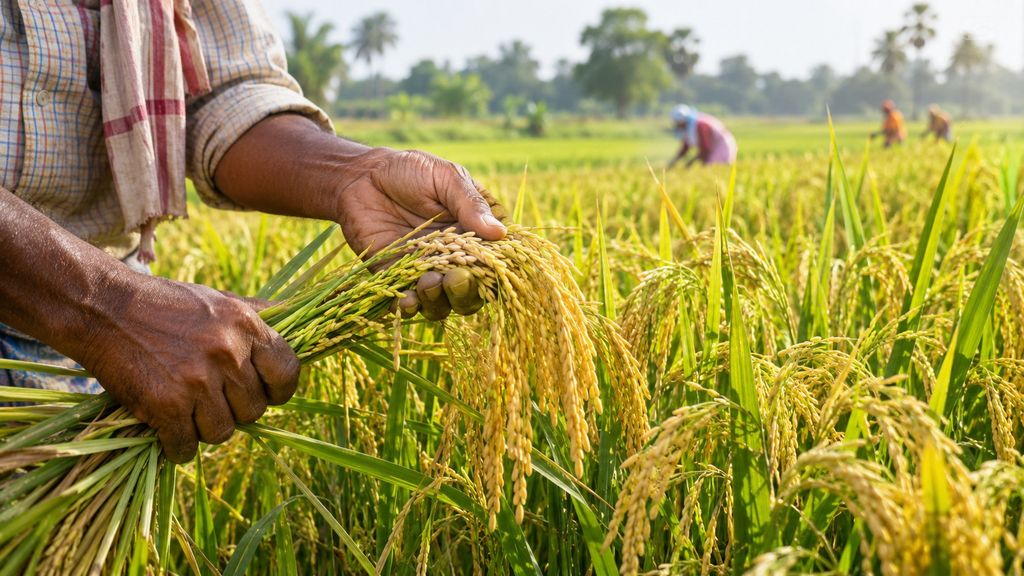
These varieties are not interchangeable simply because they belong to the non-basmati category. Their grain appearance, aroma, cooking performance and market positioning can differ.
For example, a buyer sourcing rice for everyday household consumption may prioritize price, cooking consistency and availability. A buyer targeting an ethnic or specialty food market may place greater importance on aroma, regional identity or a particular variety.
View Latest Rice Buying Requests →View Potential Rice Suppliers →
Buying consideration: If you are sourcing a specific variety, state its name in the inquiry and request confirmation from the supplier that the offered product is that variety. A product described only as “Indian non-basmati rice” is too broad for a precise comparison.
Looking to Source Rice?
Connect with verified suppliers, discover matching products, and explore sourcing opportunities from global markets.
2. How Do Processing Methods Affect Non-Basmati Rice?
A rice variety and its processing method are two separate specifications. The same variety may be offered in different processing forms, depending on the supplier's production capabilities and the buyer's requirements.
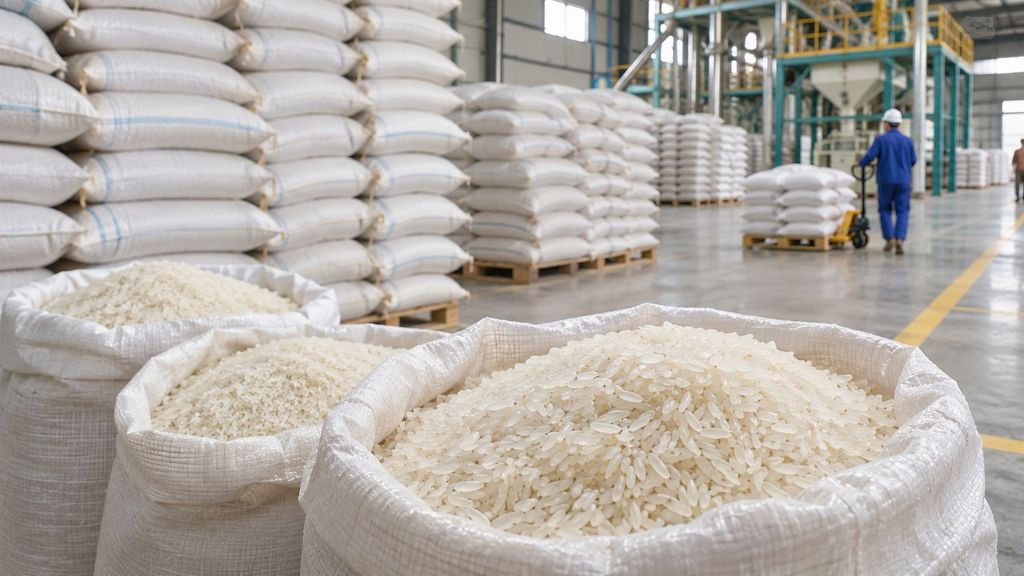
According to the Codex Standard for Rice (CXS 198-1995), parboiled rice is produced by soaking rice and applying heat treatment so that the starch is gelatinized, followed by drying. The standard also distinguishes husked rice, commonly called brown or cargo rice, from milled rice, in which all or part of the bran and germ have been removed.
These distinctions matter commercially. A buyer who requests white rice but receives parboiled rice may find that the product does not match the target market's expectations, even if the variety name is correct.
View Latest Rice Buying Requests →View Potential Rice Suppliers →
Buying consideration: Always specify both the variety and processing method. For example, instead of writing “IR64 rice,” a more useful requirement would be “IR64 raw white rice” or “IR64 parboiled rice,” followed by the required grain and quality specifications.
3. How Are Rice Grains Classified by Length and Broken Percentage?
Rice is also classified by physical grain characteristics. Two important aspects are grain length and the proportion of broken kernels.
Grain length classification
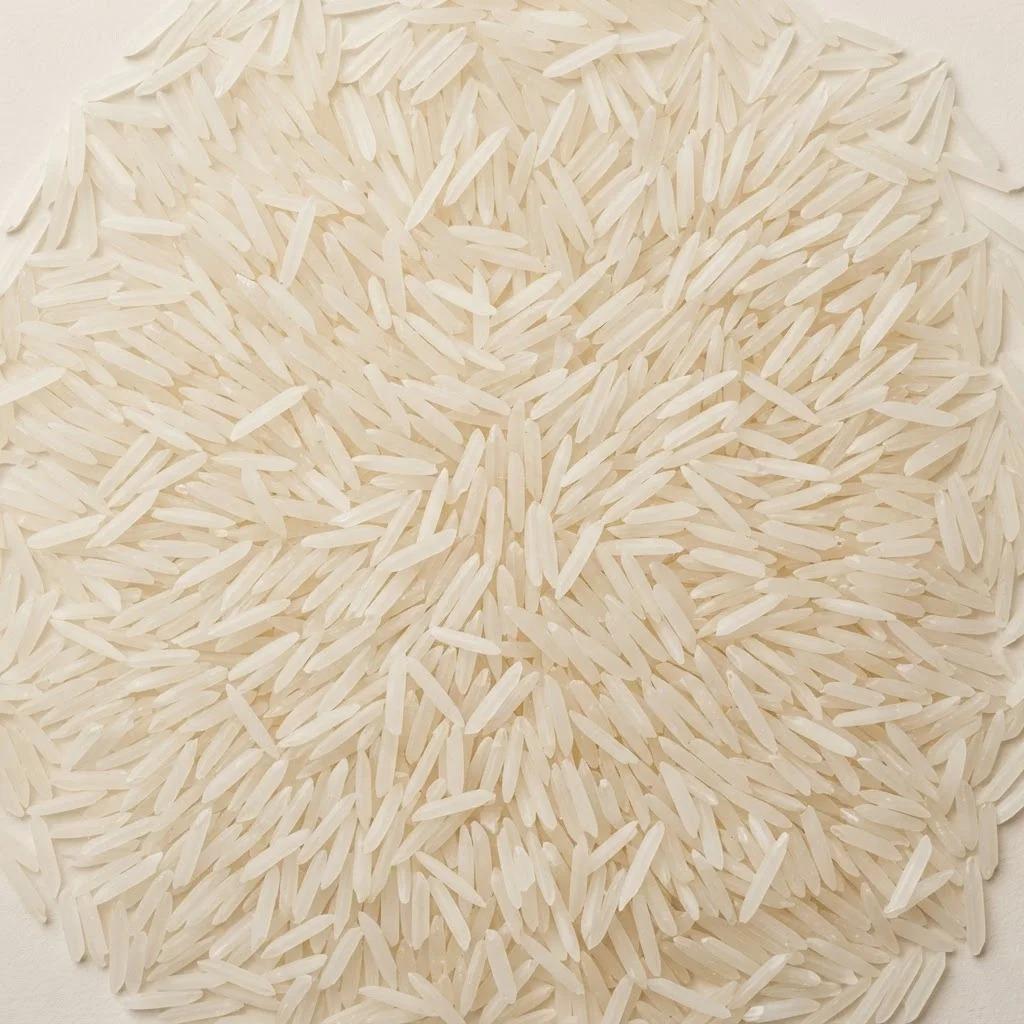
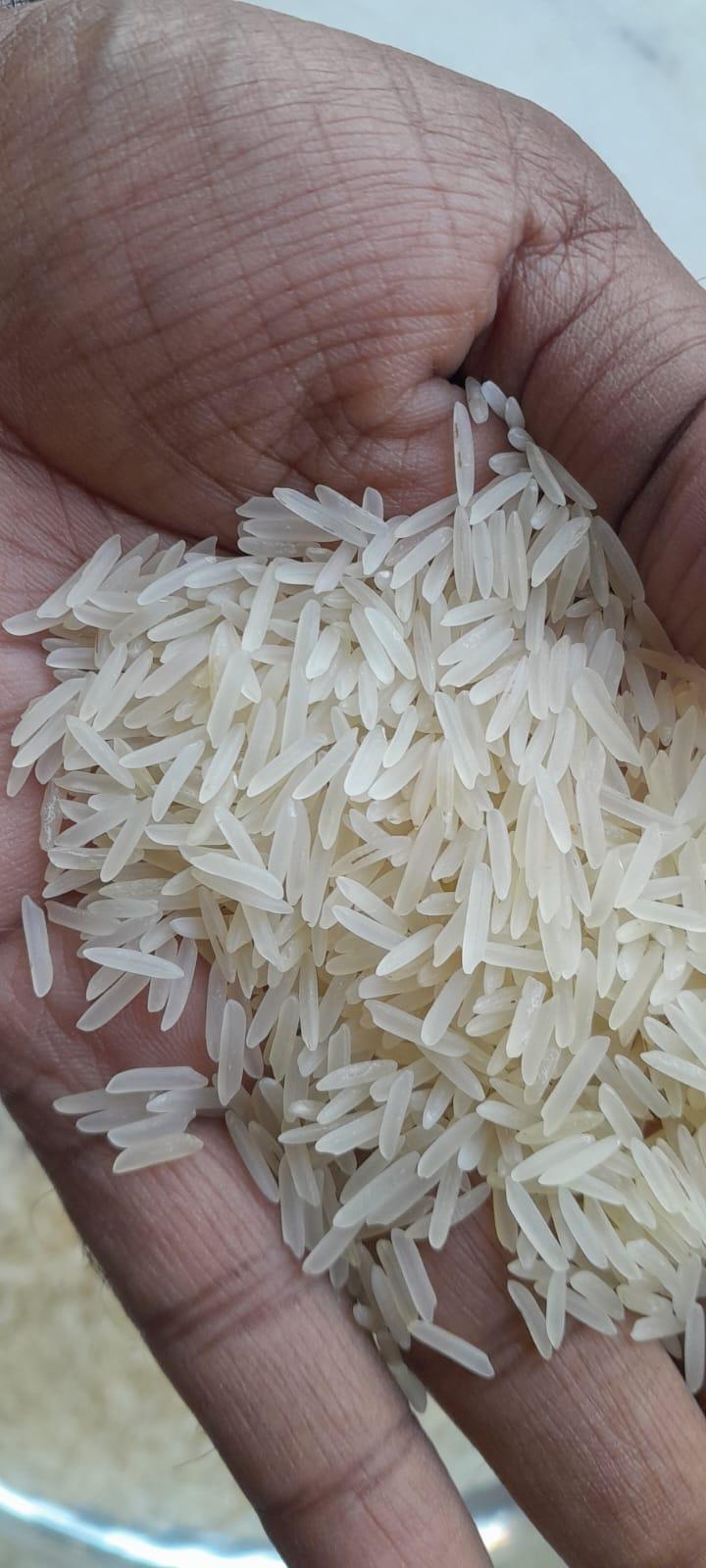
International rice specifications may use grain length or the ratio between grain length and width to describe long-, medium- and short-grain rice. The Codex Standard for Rice provides classification options and requires the chosen option to be indicated when this classification is used.
The precise classification should follow the measurement method agreed by the buyer and supplier. A description such as “long grain” alone may not be sufficiently precise for a commercial contract.
Broken rice classification
Broken rice refers to kernel fragments produced during harvesting, handling and milling. The proportion and size of broken kernels can influence the product's appearance, intended use and commercial value.
The Codex Standard defines these broken-kernel categories by reference to the average length of the corresponding whole kernel. Commercial contracts may use additional terminology or specify broken percentages differently, so buyers should confirm the measurement method.
What does “5% broken” or “25% broken” mean?
A broken percentage generally indicates the proportion of broken kernels in a rice consignment, but the precise basis and method of measurement should be stated in the specification.
- 5% broken: A specification allowing a relatively small proportion of broken kernels.
- 25% broken: A specification allowing a higher proportion of broken kernels.
- 100% broken: Rice supplied primarily as broken kernels rather than whole-kernel rice.
The percentage alone does not describe the full product. Buyers should also clarify whether the figure includes all broken sizes or whether limits apply separately to different categories.
Buying consideration: When comparing offers, check whether suppliers are quoting the same grain category and broken percentage. A lower price may reflect a different broken-rice specification rather than a better commercial offer.
4. Which Quality Specifications Should Buyers Check Before Importing?
A variety name or grain grade does not guarantee that a shipment meets the buyer's requirements. Buyers should establish measurable quality parameters before confirming an order.
The Codex Standard for Rice (CXS 198-1995) identifies several quality factors, including moisture, extraneous matter, damaged kernels and other characteristics. It sets a general maximum moisture content of 15% by mass, while noting that lower limits may be necessary depending on destination climate, transport duration and storage conditions.
The applicable importing-country requirements and the buyer's contract may set stricter limits.
Documents and inspection
Depending on the destination market, product type and contract, buyers may need to review documents such as:
- Commercial invoice and packing list.
- Certificate of origin.
- Phytosanitary certificate, where required.
- Fumigation certificate, where required.
- Inspection or quality certificate.
- Laboratory test results, where required by the buyer or importing regulations.
These documents are not universally required in every transaction. Importers should confirm the current requirements with the relevant authorities and their customs or compliance partners before shipment.
A pre-shipment inspection or independent laboratory test can also help verify whether the rice meets the agreed specifications.
5. How Should Buyers Choose the Right Non-Basmati Rice?
The right product depends on the target market, intended use, customer expectations and commercial requirements. Buyers should work through the following points before requesting quotations.
Step 1: Identify the intended market and use
- Retail distribution: Appearance, packaging, cooking consistency and consumer preference may be important.
- Food service and catering: Consistency between batches, cooking performance and price may carry greater weight.
- Food processing: Broken percentage, grain characteristics and processing suitability may be key.
- Wholesale distribution: Availability, volume, price and repeat-supply capacity should be evaluated.
Step 2: Specify the variety and processing type
Avoid vague descriptions such as “white Indian rice.” State the exact variety, if known, and whether the required product is raw, parboiled or brown rice.
Step 3: Set measurable quality requirements
Include the specifications that matter to the transaction: grain length or grain category, broken percentage, moisture limit, foreign matter limit, damaged-kernel limit, milling degree and appearance, crop year, origin and packaging requirements.
Step 4: Confirm commercial terms
Step 5: Request a sample and verify the supplier
A sample can help buyers assess grain appearance, colour, aroma and cooking performance. For larger orders, buyers should also verify the supplier's business information, production or sourcing capability and ability to meet the agreed specifications consistently.
Illustrative inquiry format:
Product: IR64 non-basmati rice
Processing: Raw white rice
Grain: Long grain, subject to agreed measurement
Broken: Maximum 5%
Moisture: Maximum 14%
Quantity: 100 MT
Packaging: 25 kg or 50 kg PP bags
Trade term: FOB or CIF
Destination: [Buyer’s destination port]
Required documents: Subject to destination requirements
This is an illustrative inquiry format, not a universal specification. Buyers should adjust the requirements to their market and contract.
View Related Suppliers for This Product →
6. How Can Buyers Find and Evaluate Non-Basmati Rice Suppliers?
Once the product specification is clear, buyers can approach suppliers with a more focused inquiry. This makes quotations easier to compare and helps reduce misunderstandings about variety, processing and quality.
When evaluating suppliers, consider:
- Product match: Does the supplier offer the exact variety and processing type requested?
- Specification match: Can the supplier meet the required grain length, broken percentage and moisture limit?
- Supply capacity: Can the supplier fulfil the required quantity and shipment schedule?
- Documentation: Can the supplier provide the documents required for the destination market?
- Commercial terms: Are the offered price, packaging, payment method and Incoterms clearly stated?
- Verification: Is the supplier's business information sufficiently complete and verifiable?
Buyers can explore rice suppliers and related buying opportunities through Freshdi’s Rice category. When contacting suppliers, include the product variety, processing method, quality parameters, order quantity and destination port so that responses are more relevant to the actual requirement.
Ultimately, the most suitable supplier is not necessarily the one offering the lowest price. Buyers should compare the full specification, supplier reliability, shipment conditions and total landed cost before making a decision.
Frequently Asked Questions
References
1. Agricultural and Processed Food Products Export Development Authority (APEDA) – Non-Basmati Rice.
2. ICAR–Central Rice Research Institute – Non-Basmati Rice Varietal Pipelines: Concept to Product, Research Bulletin No. 57, March 2025.
3. FAO/WHO Codex Alimentarius – Codex Standard for Rice (CXS 198-1995).
4. APEDA – Annual Report 2024–25, Cereals Sector.