Choosing the right market is essential for rice exporters seeking international growth. But finding a promising destination is only the first step: suppliers also need competitive product offers and effective ways to reach potential buyers. This guide reviews major rice-exporting countries, highlights important import markets for 2027 and explains how a B2B marketplace can support supplier visibility and buyer discovery.
Key takeaways
- India, Vietnam, Thailand and Pakistan remain major competitors in global rice exports.
- The Philippines, Vietnam, China and Nigeria are among the largest forecast importing markets for 2027.
- Product specifications, target-market fit and clear trade terms help buyers evaluate an offer.
- Freshdi gives suppliers a place to showcase rice products and explore buying requests from potential buyers.
1. Which countries export the most rice?
Global rice trade remains competitive. The USDA Foreign Agricultural Service’s October 2026 outlook puts world rice exports for trade year 2027 at 61.4 million metric tons. India remains the largest exporter, with a forecast of 24.0 million metric tons, followed by Vietnam at 8.1 million, Thailand at 7.5 million and Pakistan at 4.8 million. The October outlook lowered India’s forecast by 1.0 million tons and Pakistan’s by 0.2 million tons compared with the previous estimate.
Leading Rice Exporters: 2027 Forecast
Projected exports · million metric tons
24 | 8.1 | 7.5 | 4.8 |
| India | Vietnam | Thailand | Pakistan |
Source: Compiled and updated by Freshdi based on the latest global trends.
What this means for suppliers: India’s scale influences competition, but exporters do not need to serve every market. Focus on markets where your rice variety, grade, price, available volume and shipment terms match buyer requirements.
2. Which import markets should rice exporters target?
Market size can help exporters decide where to research buyer demand. In the October 2026 USDA FAS outlook, the Philippines is forecast to import 5.6 million metric tons of rice in 2027. Vietnam, China and Nigeria follow, with other major markets including the European Union, Iraq, Saudi Arabia and Malaysia. China’s 2027 import forecast was revised down from 4.0 million to 3.5 million tons, illustrating why market assumptions need regular updates.
Major Rice-Importing Markets: 2027 Forecast
Projected imports · million metric tons
5.6 | 3.6 | 3.5 | 2.9 | 2.35 | 2 | 1.8 | 1.6 |
| Philippines | Vietnam | China | Nigeria | EU | Iraq | Saudi Arabia | Malaysia |
Source: Compiled and updated by Freshdi based on the latest global trends.
High import volumes do not guarantee that every rice variety will sell well in a market. Before prioritizing a destination, exporters should check current regulations, buyer preferences, import requirements, freight costs and competition from other origins. The aim is to match the product you can supply consistently with buyers whose requirements you can meet.
Looking to Sell Rice?
Connect with verified buyers, receive relevant buying leads, and explore sourcing opportunities from global markets.
3. Expand your rice business through a B2B marketplace
A B2B marketplace provides another channel for rice exporters to present products and reach potential international buyers. On Freshdi, buyers can regularly publish buying requests describing the products and quantities they need. Suppliers can publish product listings to promote their offers online and make them discoverable to relevant buyers.
This creates an additional route to business conversations beyond trade fairs, personal networks and individual outreach, although the timing and outcome of buyer connections depend on demand and product-market fit.
Freshdi recently listed more than 145,812 rice supply listings from exporters, with India accounting for 35.8% of suppliers, followed by Vietnam (13.9%) and Pakistan (12.8%). On the demand side, 50,079 rice buyers and importers have recently posted 10,000+ buying requests on the platform. These figures illustrate the size of the rice category on the platform and offer suppliers a place to explore potential sourcing opportunities.
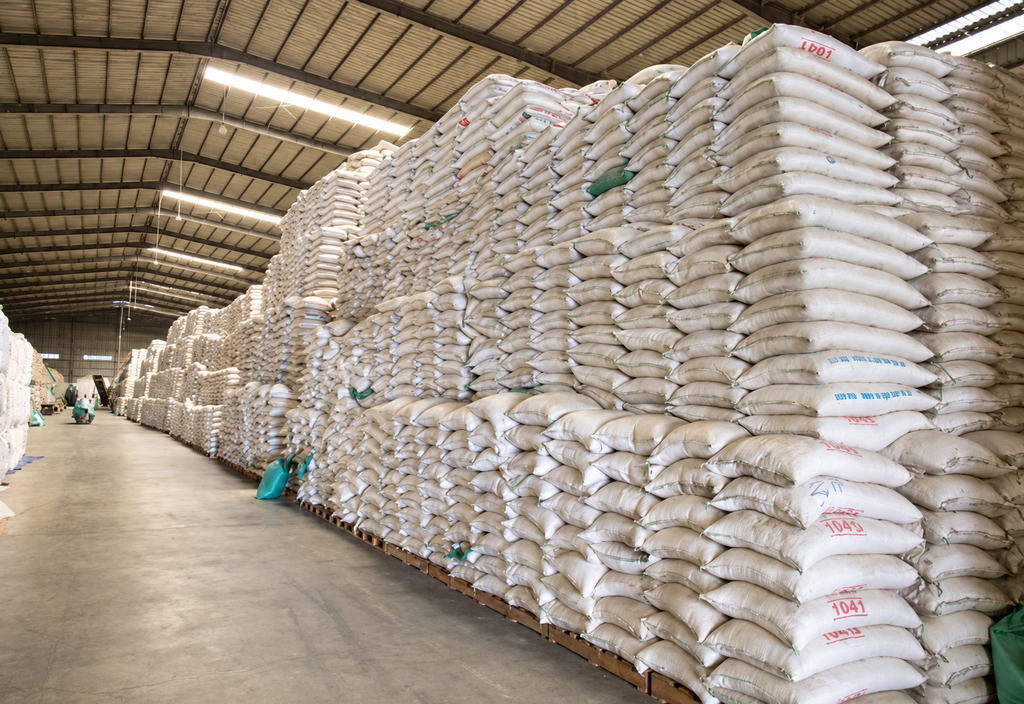
Rice suppliers already receiving enquiries on Freshdi
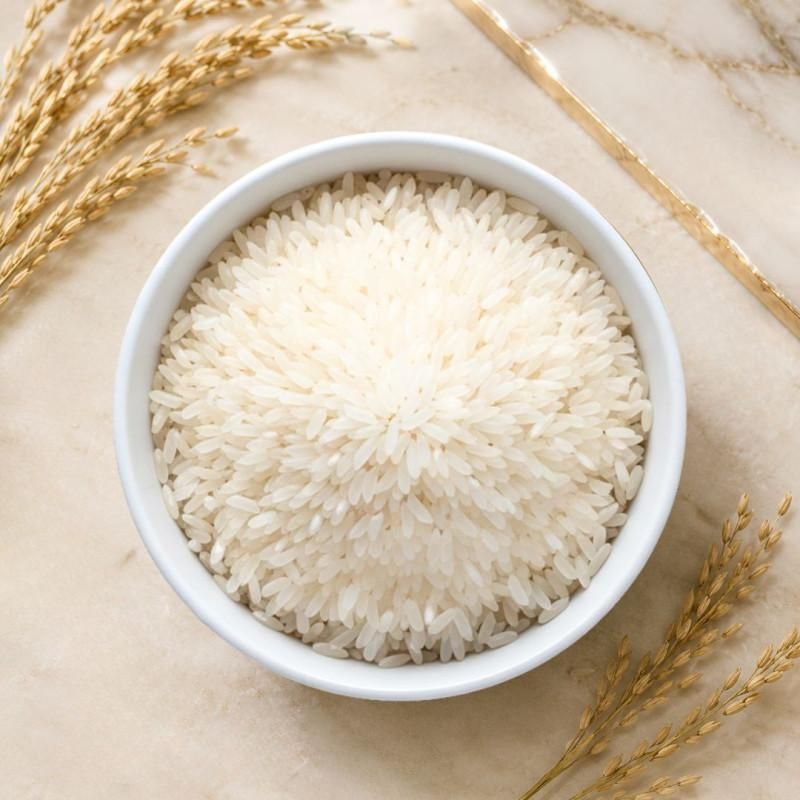 | Mekong Group — DT8 Vietnamese Rice Its DT8 rice listing ↗ includes product specifications, container-based MOQ and FOB/CIF terms. The listing displays 86 enquiries received, 55 enquiries read and a 64% inquiry open rate, alongside Level 3 verification and a 5.0 Trust Star score. |
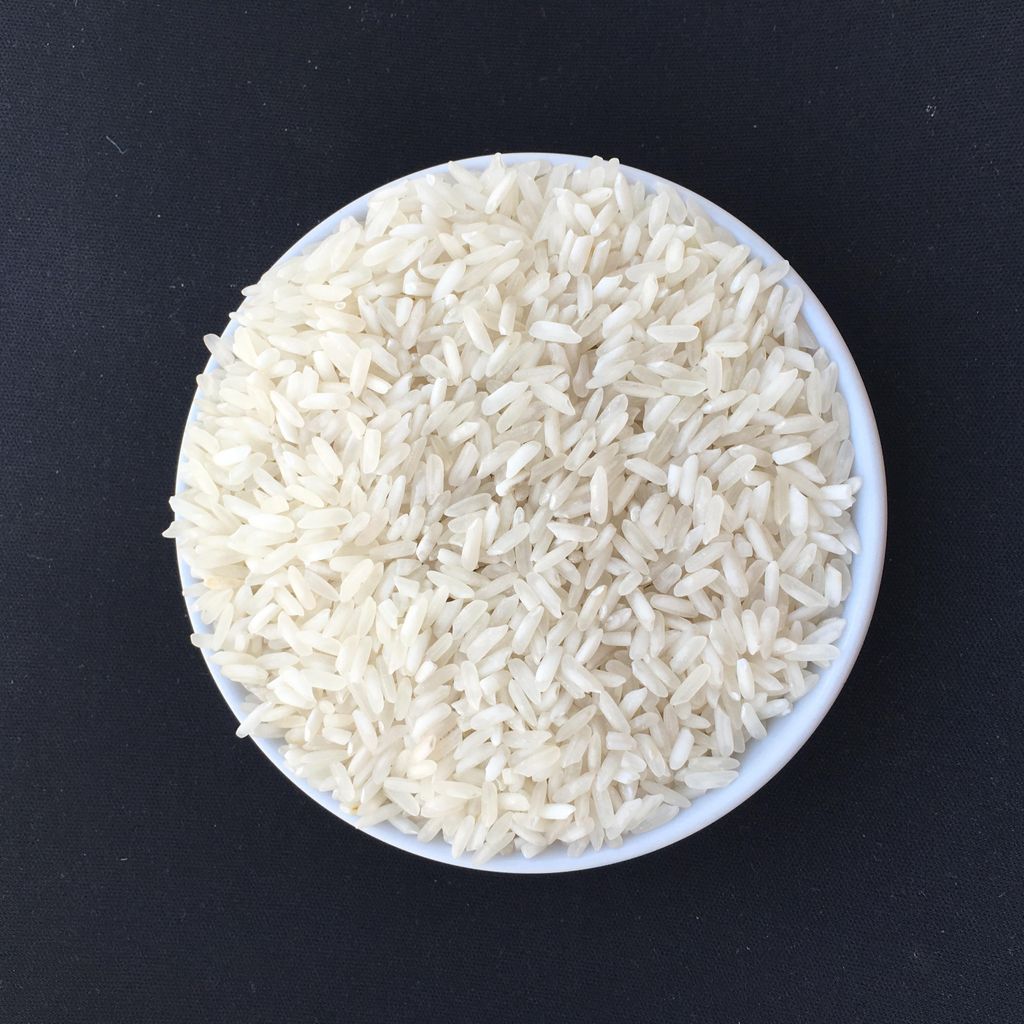 | VietDak JSC — White Rice, 5% Broken Its white rice listing ↗ provides product specifications, 25 kg packaging and commercial information. The supplier activity indicators display 119 enquiries received, 72 enquiries read and a 61% inquiry open rate, with Level 3 verification. |
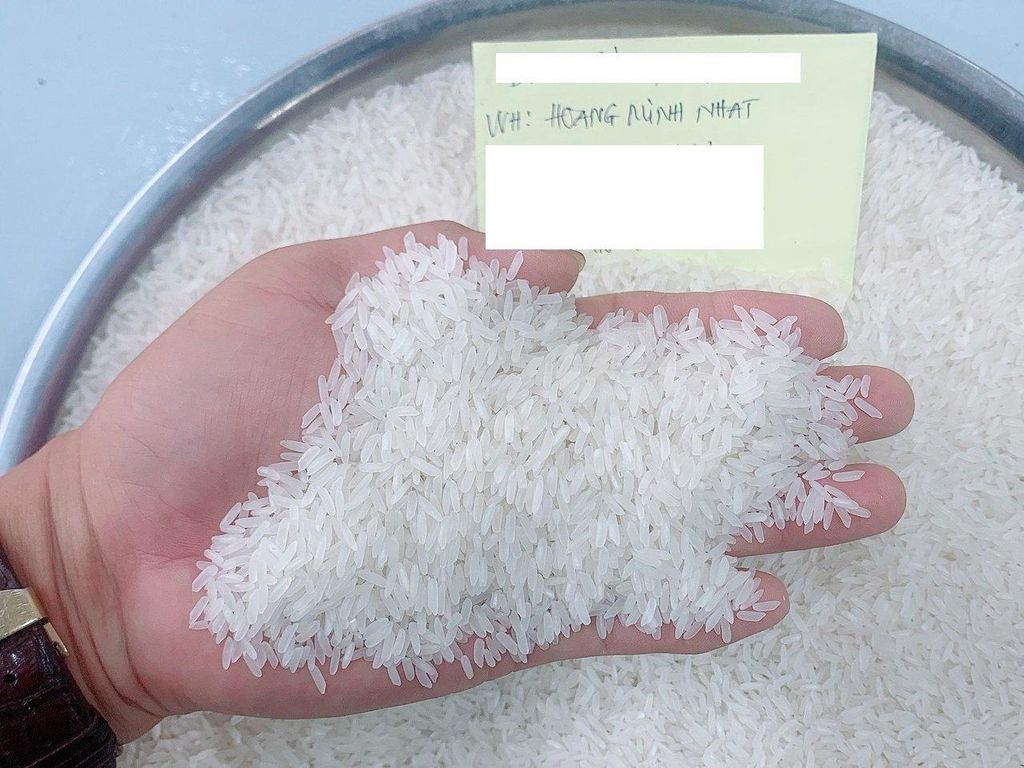 | CTCP Hoàng Minh Nhật — ST25 Fragrant White Rice, 5% Broken Its products ↗ present ST25 fragrant rice in 25 kg PP bags with a 50-ton MOQ and CFR/CIF/FOB options. The profile displays 371 profile enquiries, a 67% inquiry open rate and a response time of ≤1 hour, alongside Level 3 verification and a 4.4 rating. |
Ready to expand your rice business? Explore Freshdi to showcase your rice products and review buying requests that match your supply capabilities. A complete listing, accurate commercial information and consistent enquiry handling can help your business make a stronger impression on potential buyers.
Frequently asked questions
Where can I sell rice wholesale internationally?
Research markets where your rice variety, price, quality and supply volume match buyer requirements. You can also use a B2B marketplace such as Freshdi to showcase products and discover potential wholesale buyers.
How can I find buyers for rice exports?
Identify target markets, prepare a detailed product listing and approach suitable importers, wholesalers and distributors. B2B marketplaces provide an additional channel to present your products and explore buying requests.
How can I find international rice buyers online?
Use relevant B2B marketplaces, supplier directories and trade networks. Make your offer specific by stating rice variety, origin, grade, broken percentage, quantity, packaging and trade terms.
Which countries should rice exporters target in 2027?
The Philippines, Vietnam, China, Nigeria and several Middle Eastern and European markets are worth researching based on import forecasts. Prioritize markets only after checking current regulations, competition and demand for your specific product.
What should a wholesale rice product listing include?
Include variety, origin, grade, broken percentage, moisture, available quantity, MOQ, packaging, price basis, Incoterms, loading port, shipment schedule and relevant documentation.
Can a B2B marketplace help rice suppliers get more buyers?
A marketplace provides another channel for product discovery and buyer enquiries. Actual results depend on demand, price, product-market fit, listing quality and how suppliers handle enquiries; listings do not guarantee sales.