Freshdi Market Insight
Source Decaffeinated Coffee Beans with real supply and demand data
Indonesia (23.4%) leads decaffeinated coffee beans supply, with Vietnam (13.8%) and India (7%) following, across a base of 589 suppliers in 72 countries. Buyer inquiries increased 33.3% to 8 in the last 30 days.
What is in this market?
The size and shape of Decaffeinated Coffee Beans on Freshdi before you shortlist anyone: how many sellers, how much product, how many origins, and which way demand is moving.
1,813supply
Freshdi lists 1,813 active Decaffeinated Coffee Beans supply listings as of 28 November 2026.
589companies
589 active Decaffeinated Coffee Beans suppliers, 3.9% of all suppliers on the platform, sell on Freshdi as of 28 November 2026.
72origins
Freshdi lists Decaffeinated Coffee Beans suppliers from 72 countries, led by Indonesia at 23.4%, as of 28 November 2026.
+33.3% over 12m
In the 30 days to 28 November 2026, buyers sent 8 Decaffeinated Coffee Beans inquiries on Freshdi, up 33.3% from the previous 30 days.
589 suppliers are actively offering Decaffeinated Coffee Beans, with 98 of them updating their listings in the last 30 days. This level of activity means the supply is dynamic and responsive—buyers can expect fresh pricing, new specs, or updated certifications without waiting weeks. It also suggests suppliers treat this category as a priority, not a side hustle. 1,813 listings are currently live, covering a wide range of roast profiles, origins, and packaging sizes. A catalog this large means a buyer can find a close match to their exact needs—whether it’s a specific roast or a particular grind—without having to start from scratch with a custom request. Suppliers come from 72 countries, with Indonesia leading at 23.4%. This broad geographic spread gives buyers flexibility to choose based on origin, sustainability claims, or regional supply chain preferences—making it easier to find a supplier that aligns with specific quality or ethical standards. Buyer inquiries rose 33.3% to 8 in the last 30 days, signaling growing interest in this category. While the total number is still small, the sharp increase suggests a surge in demand that could quickly impact availability—buyers should act promptly to secure their supply before it’s snapped up.
In the 365 days to 28 November 2026, Freshdi logged 182 buyer requests for Decaffeinated Coffee Beans globally.
- 1,813 active Decaffeinated Coffee Beans listings from 589 suppliers across 72 countries are on Freshdi as of 28 November 2026.
- In the 30 days to 28 November 2026, Decaffeinated Coffee Beans buyer inquiries on Freshdi rose 33.3% against the 30 days before, with 67.7% volatility in monthly inquiry and quotation activity over 210 days.
- In the 365 days to 28 November 2026, 182 buyer requests for Decaffeinated Coffee Beans on Freshdi met 1,813 active listings, 10.0 listings per request globally.
Who exactly is selling?
The verified Decaffeinated Coffee Beans suppliers buyers actually reach on Freshdi, ranked by the inquiries they received in the last 30 days and how reliably they answered them.



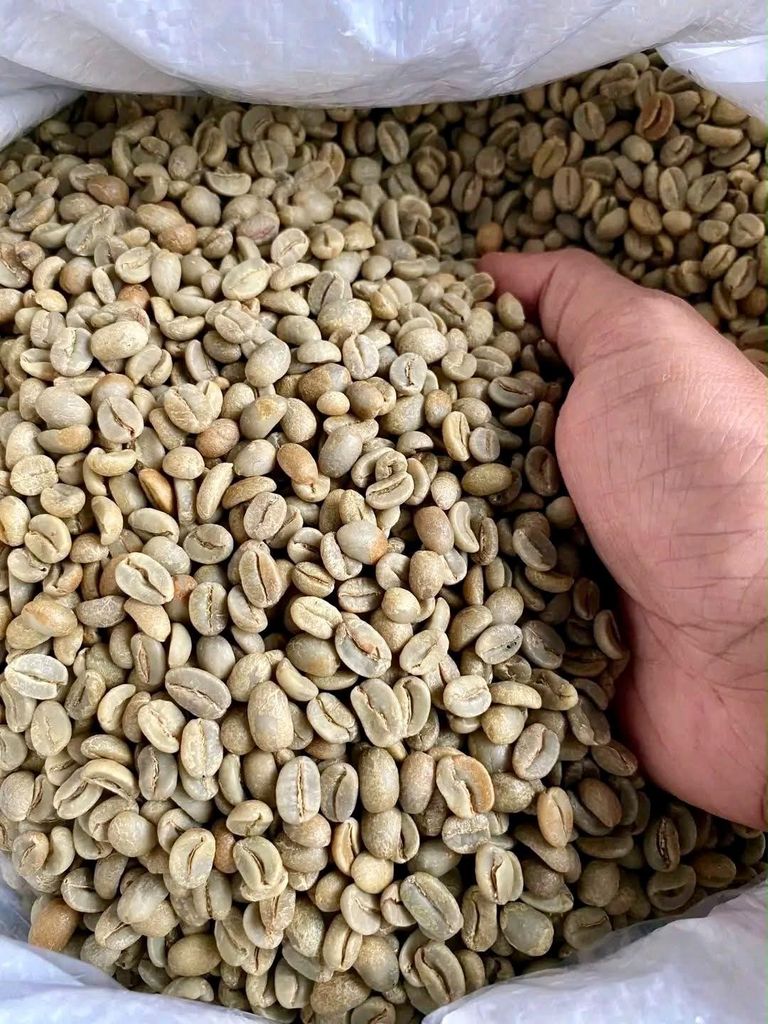
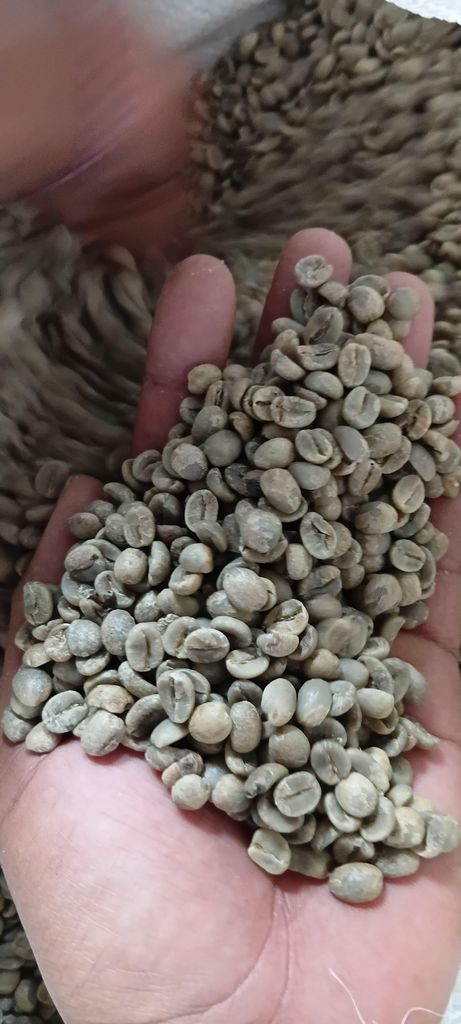
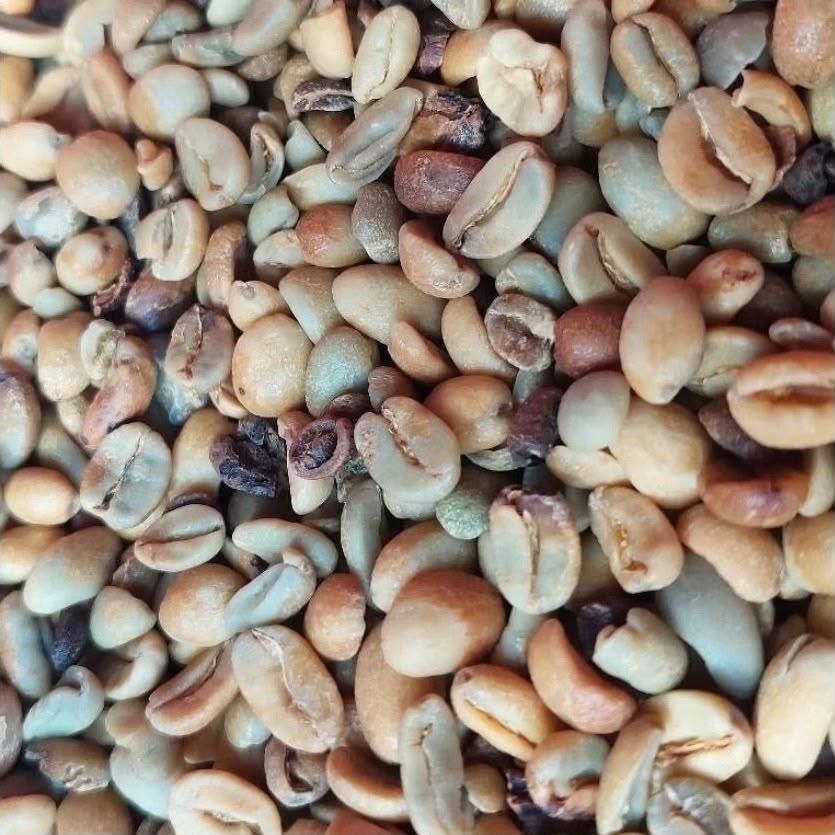
Verified suppliers first, then by buyer inquiries received in the last 30 days, then by response rate. No supplier pays for placement in this list.
Certifications shown are the two or three most relevant per supplier — the full set is on each supplier's profile.
- In the 30 days to 28 November 2026, the most-contacted verified Decaffeinated Coffee Beans supplier on Freshdi got 0 buyer inquiries and answered 73% of them.
- As of 28 November 2026, 1 of 589 Decaffeinated Coffee Beans suppliers on Freshdi are Level 2+ verified and answer at least 70% of inquiries.
How stable is this supply base?
Three separate questions, answered in order: is the product fresh, is the market busy, and can the sellers be trusted.
Is there much new product?
Decaffeinated Coffee Beans had 197 new listings in the last 30 days, more than double the 88 from the previous month. The catalog is growing rapidly, so the current offers are newer than those from the prior month. Compare the listing date when evaluating offers that appear similar in description or price.
Is the market busy?
Only 1 of the 589 suppliers joined in the last 12 months, so the majority of sellers are long-standing. The pool is dominated by established names with consistent listing history, which makes it easier to assess reliability over time. Review each supplier’s listing history before reaching out to a new one.
9816.6% of 589
8714.8% of 589
10117.1% of 589
Can these suppliers be trusted?
505 of 589 suppliers are verified, at least three in four, so buyers can contact several verified suppliers at once. 193 of 589 list a certificate, and FDA_REGISTRATION is the most common, held by 14 of them. For a shipment requiring FDA compliance, filter for FDA_REGISTRATION to ensure the supplier meets that standard.
- 384 of 1,813 Decaffeinated Coffee Beans supply listings on Freshdi (21.2%) were refreshed within 90 days to 28 November 2026, and 197 (10.9%) within 30 days.
- In the 12 months to 28 November 2026, 385 of 589 Decaffeinated Coffee Beans suppliers on Freshdi (65.4%) were active, with 98 (16.6%) active within the last month, and 1 new suppliers registered.
- 85.7% of Decaffeinated Coffee Beans suppliers on Freshdi are verified as of 28 November 2026.
- Among 193 certified Freshdi Decaffeinated Coffee Beans supplier profiles, 7.3% hold FDA_REGISTRATION, 7.3% hold HALAL, 6.7% hold HACCP, 5.2% hold ISO, and 4.7% hold CERTIFICATE_OF_ORIGIN; a profile can hold more than one certificate.
What do I do now?
Act on the numbers above — post request, or browse every listing.
Post buying request for Decaffeinated Coffee Beans
Freshdi received 182 buyer requests for Decaffeinated Coffee Beans in the last 12 months. Verified suppliers quote against your spec — no platform fees on either side.
Browse all Decaffeinated Coffee Beans suppliers
1,813 listings from 589 sellers, filterable by type, MOQ, trade term and certification.
85.7% of the 589 Decaffeinated Coffee Beans suppliers on Freshdi are verified, with 505 suppliers passing the platform's verification process. Additionally, 193 suppliers list a certificate, and FDA registration is the most common certification held by 14 of them, providing buyers with a clear signal of compliance and quality standards before initiating contact.
Post a buying request describing the grade, quantity, and destination you need, or browse the live Decaffeinated Coffee Beans listings directly on Freshdi right now. Contacting a verified supplier from either path lets you compare quotes, confirm availability, and verify certifications before committing to any single order.
Methodology
How the numbers on this page are produced, and what they do not cover.
Every figure comes from Decaffeinated Coffee Beans listings and buyer requests posted on Freshdi in the 365 days to 26 November 2026 - 1,813 active listings and 182 buyer requests.
Product freshness counts listings created or updated. Supplier activity counts sellers by their last update. The two are different measurements and will not agree.
Freshdi reprocesses market data every hour, with one snapshot a day for trends. This page's figures, certification coverage included, refresh every 14 days on a rolling 365-day window.
About Decaffeinated Coffee Beans
Decaffeinated coffee beans are coffee beans from which caffeine has been removed through processing, typically using chemical or solvent-based methods. They are traded in whole bean form and are usually supplied in bulk or in sealed packaging for retail or commercial use.
On Freshdi, Decaffeinated Coffee Beans sits under Agriculture, Food & Beverage > Coffee & Coffee Bean. Next to Decaffeinated Coffee Beans, Freshdi lists Robusta Green Coffee, Jacobs Krönung Coffee, Organic Coffee, San Mig Coffee and Fresh Roasted Coffee Beans in the same group. Buyers posted 182 requests for Decaffeinated Coffee Beans on Freshdi in the 365 days to 28 November 2026. Post a buying request for Decaffeinated Coffee Beans on Freshdi and suppliers can send you quotations.
Product forms
- Whole bean
- Ground coffee
- Roasted and cooled beans
- Packaged for retail
- Export-grade bulk
Packaging
- Sealed vacuum bags
- Plastic jumbo bags
- Wooden crates
- Palletized bulk containers
- Repackable drums
Common uses
- Retail grocery
- Coffee shops and food service
- Commercial brewing systems
- Brewing equipment suppliers
Certifications
- HACCP
- ISO 22000
- FSSC 22000
- BRCGS
- GlobalG.A.P.
Supplier checklist
- Ask for a recent product specification sheet
- Request samples before the first order
- Check the decaffeination method and its documentation
- Confirm the roast level and storage conditions
- Verify the validity of food safety certifications
Buyer FAQ
- What should I specify when requesting decaffeinated coffee beans from a supplier?
- State the origin, the decaffeination method, the roast level, the pack format and the intended use. Suppliers provide accurate quotes when these details are included.
- Which documents are typically included with a shipment of decaffeinated coffee beans?
- A commercial invoice, a packing list, a certificate of origin, and a food safety certificate are usually provided. Confirm what documents are included in the shipment.
- Can a supplier provide decaffeinated coffee beans with a private label?
- Many suppliers offer private labeling. Ask for label approval steps and the minimum order for a custom label.
Decaffeinated Coffee Beans manufacturers and suppliers: the sourcing reference
What Decaffeinated Coffee Beans manufacturers and suppliers offer, how they quote and what to ask a producer.
Which countries supply the most Decaffeinated Coffee Beans?
The largest group of Decaffeinated Coffee Beans suppliers on Freshdi is in Indonesia (23%), then Vietnam (14%) and India (7%) (November 2026 data). At least 8 countries appeared among the Decaffeinated Coffee Beans suppliers listed in November 2026, and Indonesia, Vietnam and India together held 44% of them. Decaffeinated coffee beans are commonly sourced from regions where Arabica or Robusta coffee is grown. Ask a decaffeinated coffee beans supplier where the coffee is grown and how the decaffeination process differs by origin.
| Country | Share of suppliers | Suppliers |
|---|---|---|
| Indonesia | 23% | 138 |
| Vietnam | 14% | 81 |
| India | 7% | 41 |
| Kenya | 7% | 41 |
| Ethiopia | 6% | 38 |
| Uganda | 5% | 29 |
| Tanzania | 4% | 23 |
| South Africa | 2% | 13 |
Comparing Decaffeinated Coffee Beans offers from two or three origins helps importers weigh the price against freight and delivery time.
What certificates should importers ask Decaffeinated Coffee Beans suppliers for?
For Decaffeinated Coffee Beans, the certifications to ask a supplier for are usually HACCP, ISO 22000 and FSSC 22000. A HACCP certificate held by a Decaffeinated Coffee Beans supplier means food safety hazards controlled at each step of production. An ISO 22000 certificate held by a Decaffeinated Coffee Beans supplier means a food safety management system across the supply chain. A FSSC 22000 certificate held by a Decaffeinated Coffee Beans supplier means food safety system certification recognised by GFSI. Importers of decaffeinated coffee beans commonly look at the food safety certificate of the processing plant. Ask a decaffeinated coffee beans supplier for a current certificate that names the plant making your product. Before a Decaffeinated Coffee Beans order, check that each certificate is current and issued to the supplier itself.
| Certification | What it covers | What to ask for |
|---|---|---|
| HACCP | Food safety hazards controlled at each step of production. | The HACCP certificate, with its scope and expiry date. |
| ISO 22000 | A food safety management system across the supply chain. | The ISO 22000 certificate, with its scope and expiry date. |
| FSSC 22000 | Food safety system certification recognised by GFSI. | The FSSC 22000 certificate, with its scope and expiry date. |
| BRCGS | A food safety standard many retailers require. | The BRCGS certificate, with its scope and expiry date. |
| GLOBALG.A.P. | Good agricultural practice on the farm, covering safety, traceability and the environment. | The GLOBALG.A.P. certificate, with its scope and expiry date. |
Ask each Decaffeinated Coffee Beans supplier for a valid copy of every certificate and check its scope and expiry date.
Where does Decaffeinated Coffee Beans sit in the product catalogue?
On Freshdi, Decaffeinated Coffee Beans belongs to Coffee & Coffee Bean; related categories include Coffee, Dried Coffee Beans and Organic Coffee Beans. Importers who widen a Decaffeinated Coffee Beans search will find the most suppliers in Coffee, with 986 listed in November 2026. Other categories next to Decaffeinated Coffee Beans listed Dried Coffee Beans (636 suppliers) and Organic Coffee Beans (621 suppliers) in November 2026. Decaffeinated coffee beans split into Arabica and Robusta varieties, by roast level, and by decaffeination method. Ask a supplier for the specification of the exact type of decaffeinated coffee beans you want to buy.
| Category | Relation | Suppliers |
|---|---|---|
| Coffee & Coffee Bean | Wider group | 144 |
| Coffee | Same-group category | 986 |
| Dried Coffee Beans | Same-group category | 636 |
| Organic Coffee Beans | Same-group category | 621 |
| Raw Coffee Beans | Same-group category | 598 |
| Arabic Coffee Beans | Same-group category | 583 |
| Brazilian Coffee Beans | Same-group category | 580 |
| Coffee Beans | Same-group category | 580 |
The Decaffeinated Coffee Beans sub-categories give a closer match, while the parent category gives more choice.
Trade terms and how to compare quotations
A reference for every category: what the usual trade and payment terms mean, and the points to check when you compare quotations.
| Term | Type | Meaning |
|---|---|---|
| EXW | Incoterm | The buyer collects the goods at the seller's premises and pays every cost from there. |
| FCA | Incoterm | The seller hands the goods, cleared for export, to the buyer's carrier at a named place. |
| FOB | Incoterm | The seller loads the goods on the vessel at the port of loading; freight is the buyer's. |
| CFR | Incoterm | The seller pays sea freight to the destination port; the risk passes once loaded. |
| CIF | Incoterm | Like CFR, and the seller also insures the goods until the destination port. |
| CPT | Incoterm | The seller pays carriage to a named place; the risk passes at the first carrier. |
| CIP | Incoterm | Like CPT, and the seller also insures the goods to the named place. |
| DAP | Incoterm | The seller delivers to a named place, ready for unloading; import duties are the buyer's. |
| DPU | Incoterm | The seller delivers and unloads the goods at a named place in the destination country. |
| DDP | Incoterm | The seller delivers to the buyer's place and pays import duties and taxes too. |
| FAS | Incoterm | The seller places the goods alongside the vessel at the port of loading. |
| T/T | Payment term | A bank transfer, often a deposit before production and the balance against documents. |
| L/C | Payment term | A letter of credit, under which the buyer's bank pays once the shipping documents match its terms. |
| D/P | Payment term | Documents against payment, where the buyer gets the shipping documents once it pays. |
| D/A | Payment term | Documents against acceptance, where the buyer gets the documents by accepting to pay later. |
| CAD | Payment term | Cash against documents, where payment is made when the shipping documents are presented. |
| Bank Transfer | Payment term | A direct transfer between bank accounts, agreed in the contract. |
| Escrow | Payment term | A third party holds the payment until the buyer confirms delivery. |
| Cash | Payment term | Payment in cash, usually only for small or local orders. |
Name the Incoterm with a place, and agree it and the payment term in writing before production starts.
| Point | What to check | Why it matters |
|---|---|---|
| Incoterm and place | Every quotation names the same Incoterm and port or place. | Prices on FOB and on CIF differ by the freight and the insurance. |
| Specification | The grade, size or composition quoted matches the one asked for. | A lower grade can hide behind a lower price. |
| Quantity and MOQ | The price is for the quantity ordered, above the minimum order. | Unit prices change with the order size. |
| Packaging | Packing type, size and labelling are stated and the same. | Custom packing adds cost. |
| Payment term | The payment term and the deposit asked. | It moves the risk between buyer and seller. |
| Lead time | The production and shipping time to the destination. | A late shipment can cost more than a higher price. |
| Documents | The certificates and export documents included. | Missing papers can block customs. |
| Validity | How long the quoted price holds. | Quotations are often valid for a limited time only. |
Ask every counterpart to quote on the same basis: only then does the lower price win.