Freshdi Market Insight
Know the Espresso Coffee Beans market before you buy
Indonesia (23.7%) leads the 578 Espresso Coffee Beans suppliers, followed by Vietnam (14.5%) and India (6.7%), with supply spread across 71 countries. The typical range is USD 850 - 2,909 per metric ton FOB, centered at a USD 1,912 median. Buyer inquiries fell 45% to 11 in the last 30 days. Buyers request FOB more often than suppliers offer it — a 10.4 percentage point gap — so buyers must explicitly ask for FOB pricing.
What is in this market?
The size and shape of Espresso Coffee Beans on Freshdi before you shortlist anyone: how many sellers, how much product, how many origins, and which way demand is moving.
1,810supply
As of 17 November 2026, 1,810 active Espresso Coffee Beans supply listings are live on Freshdi.
578companies
Freshdi counts 578 active Espresso Coffee Beans suppliers, 4.2% of all suppliers on the platform, as of 17 November 2026.
71origins
Freshdi lists Espresso Coffee Beans suppliers from 71 countries, led by Indonesia at 23.7%, as of 17 November 2026.
-45% over 12m
Buyer inquiries for Espresso Coffee Beans on Freshdi reached 11 in the 30 days to 17 November 2026, down 45% from the previous 30 days.
578 suppliers are actively offering Espresso Coffee Beans, giving buyers a broad range of options to compare pricing, quality, and lead times. This level of supplier activity means competition is strong—buyers can negotiate better terms and avoid being locked into a single supplier’s pricing or delivery schedule. 1,810 listings are currently live, covering a wide variety of roast profiles, origin blends, and packaging sizes. With such depth, buyers can quickly find a match for their specific needs without having to start from scratch or rely on custom quotes. Suppliers come from 71 countries, offering a vast geographic spread. This diversity means buyers have flexibility in sourcing based on origin, sustainability standards, or regional availability—reducing reliance on any one market and helping to hedge against supply disruptions. Buyer inquiries dropped 45% to just 11 in the last 30 days, suggesting a temporary slowdown in demand. While this may mean fewer suppliers are being contacted, it also implies lower competition right now—buyers could secure better terms or faster responses with less pressure from other buyers.
Freshdi recorded 189 buyer requests for Espresso Coffee Beans globally in the 365 days to 17 November 2026.
- Over the 365 days to 17 November 2026, Freshdi tracked 1,810 active Espresso Coffee Beans supply listings from 578 suppliers in 71 countries, built on 387 source documents and 2,452 supply observations.
- Compared with the previous 30 days, buyer inquiries for Espresso Coffee Beans on Freshdi declined 45% in the 30 days to 17 November 2026, with 59.0% volatility in monthly inquiry and quotation activity over 272 days.
- In the 365 days to 17 November 2026, 189 buyer requests for Espresso Coffee Beans on Freshdi met 1,810 active listings, 9.6 listings per request globally.
Who exactly is selling?
The verified Espresso Coffee Beans suppliers buyers actually reach on Freshdi, ranked by the inquiries they received in the last 30 days and how reliably they answered them.


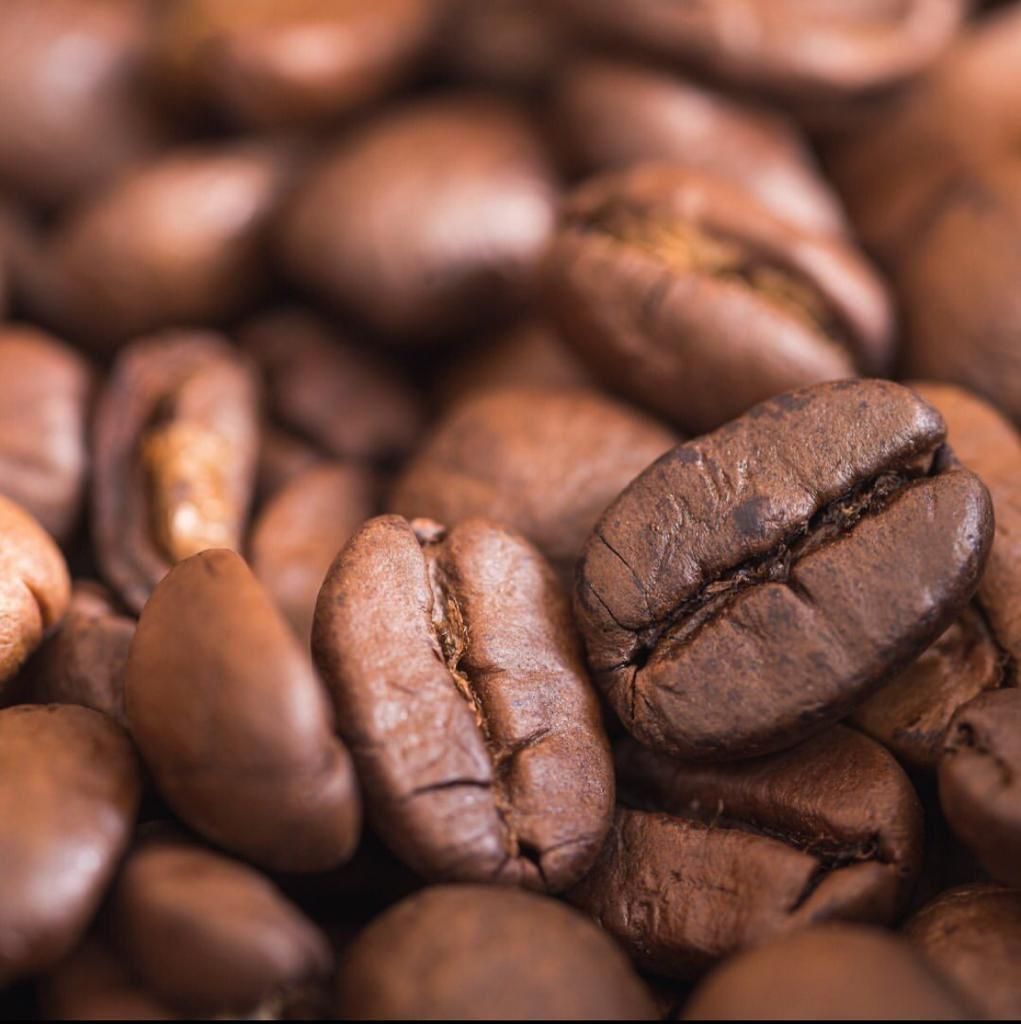



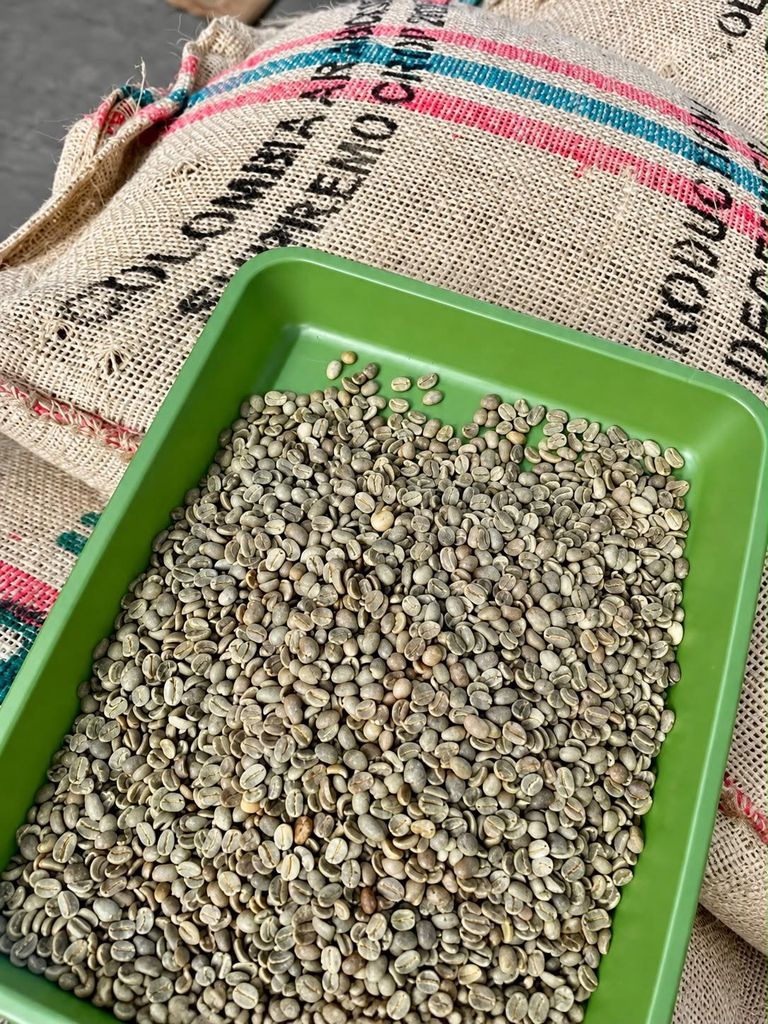
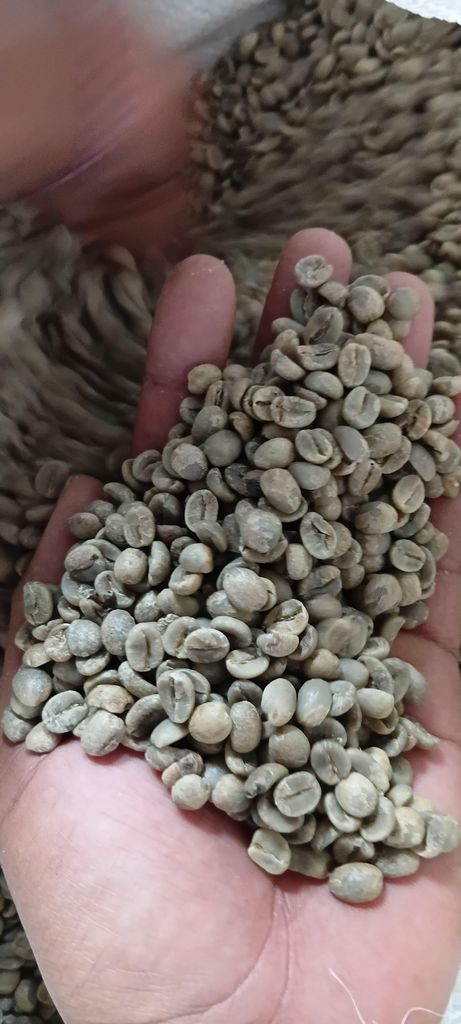
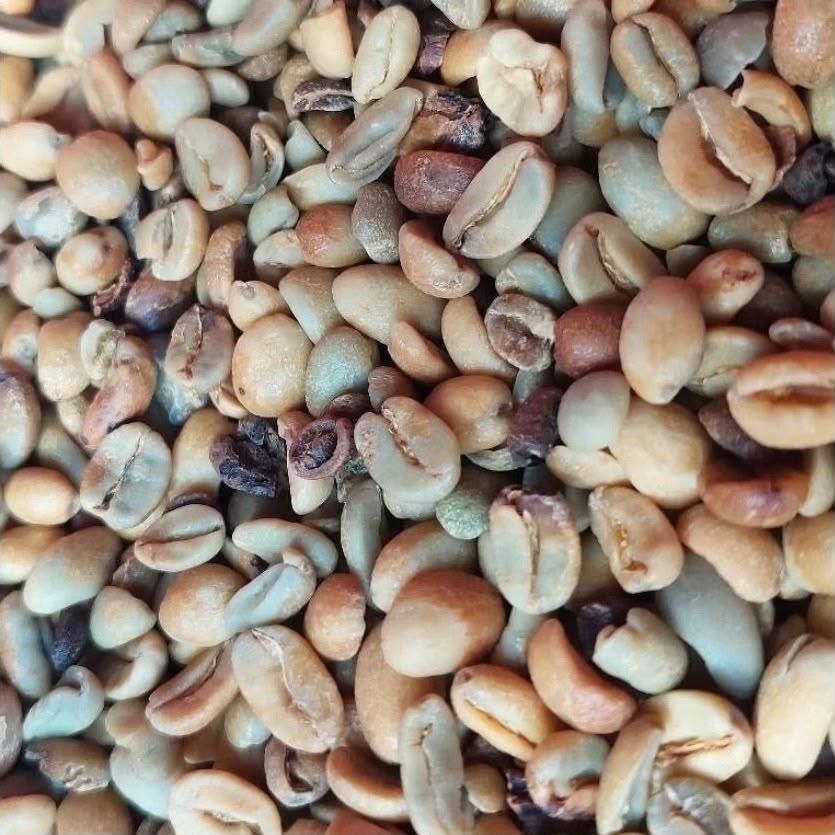


Verified suppliers first, then by buyer inquiries received in the last 30 days, then by response rate. No supplier pays for placement in this list.
Certifications shown are the two or three most relevant per supplier — the full set is on each supplier's profile.
- Freshdi's most-contacted verified Espresso Coffee Beans supplier handled 0 buyer inquiries in the 30 days to 17 November 2026, replying to 91%.
- As of 17 November 2026, 3 of 578 Espresso Coffee Beans suppliers on Freshdi are Level 2+ verified and answer at least 70% of inquiries.
How stable is this supply base?
Three separate questions, answered in order: is the product fresh, is the market busy, and can the sellers be trusted.
Is there much new product?
Espresso Coffee Beans had 111 new listings in the last 30 days, more than the 62 the month before. New offers are arriving at a faster rate than last month, so the catalog a buyer sees today includes more recent prices or pack sizes. Compare the listing dates when evaluating offers that appear similar.
Is the market busy?
Only 2 of the 578 suppliers joined in the last 12 months, so the pool is mostly made up of long-standing sellers. These suppliers have a history of consistent listings, which makes it easier to assess their reliability over time. The small number of new entries limits the range of fresh options available to buyers. Review each supplier's listing history before contacting them.
8715.1% of 578
8114.0% of 578
9115.7% of 578
Can these suppliers be trusted?
487 of 578 suppliers are verified, at least three in four, so buyers can reach out to several verified sellers at once. Certificates are listed by 199 of 578 suppliers, and HACCP is the most common, held by 16 of them. For a shipment requiring HACCP compliance, filter the list to include only those with that certification.
- 342 of 1,810 Espresso Coffee Beans supply listings on Freshdi (18.9%) were refreshed within 90 days to 17 November 2026, and 111 (6.1%) within 30 days.
- 380 of 578 Espresso Coffee Beans suppliers on Freshdi (65.7%) were active in the 12 months to 17 November 2026, with 87 (15.1%) active within the last month, and 2 suppliers registered during the year.
- On Freshdi, 84.3% of Espresso Coffee Beans suppliers are verified as of 17 November 2026.
- Among 199 certified Freshdi Espresso Coffee Beans supplier profiles, 8.0% hold HACCP, 7.5% hold FDA_REGISTRATION, 6.0% hold HALAL, 5.0% hold ISO, and 4.5% hold CERTIFICATE_OF_ORIGIN; a profile can hold more than one certificate.
What are the selling conditions, and where do the two sides disagree?
Part A reads the supply side on its own terms — price, trade term, MOQ, origin. Part B puts buyer demand next to it and measures the gaps in percentage points.
Default settings of a typical Espresso Coffee Beans offer — how it ships, what it costs, the smallest quantity accepted and where it comes from. Each figure is drawn from every quote in the last 365 days, not from one seller.
CIF39.1%
CIF is the leading trade term for Espresso Coffee Beans supply on Freshdi at 39.1%, followed by FOB at 35.4% and EXW at 12.8%, as of 17 November 2026.
850–2909
USD/MT FOBEspresso Coffee Beans supply on Freshdi typically lists between USD 850 and 2,909 per metric ton on a FOB basis, median USD 1,912 across 345 listings, as of 17 November 2026.
22MT median
The typical minimum order quantity for Espresso Coffee Beans on Freshdi is 22 MT, with most listings between 15 and 25 MT, as of 17 November 2026.
71countries
As of 17 November 2026, the leading Espresso Coffee Beans supply origins on Freshdi are Indonesia (23.7%), Vietnam (14.5%) and India (6.7%).
Espresso Coffee Beans listings show a typical price range of USD 850 - 2,909 per metric ton on an FOB basis, with the median landing at USD 1,912. Arabica accounts for 15.9% of priced listings at a median of USD 850, Robusta makes up 8.1% with a median of USD 1,800, Green Bean is represented at 6.4% with a median of USD 1,912, and Roasted Bean is the smallest grade at 1.2% with a median of USD 8,891 per metric ton, indicating significant variation in pricing by variety. The typical minimum order quantity for Espresso Coffee Beans is 22 MT, with most listings falling within the common range of 15 to 25 MT, offering buyers a defined but relatively high threshold for order size. Espresso Coffee Beans suppliers offer CIF at 39.1% and FOB at 35.4%, with CIF being the leading trade term in the category. T/T is the most common payment method for Espresso Coffee Beans at 45.3%, followed by L/C at 16.1%, reflecting a preference for bank transfers among suppliers.
| Type | Range (P25–P75) | Median | N | Term | MOQ |
|---|---|---|---|---|---|
| arabica | 750–1962 USD/MT | 850 | 55 | CIF | 22 MT |
| robusta | 1513–2012 USD/MT | 1800 | 28 | CIF | 22 MT |
| green bean | 1912–2111 USD/MT | 1912 | 22 | CIF | 22 MT |
| roasted bean | 7894–9888 USD/MT | 8891 | 4 | CIF | 22 MT |
Arabica has the lowest median at USD 850 per metric ton, within a range of USD 750 - 1,962. Robusta lists between USD 1,513 and 2,012 per metric ton, with a median of USD 1,800. Green bean has the tightest range at USD 1,912 - 2,111 per metric ton. Roasted bean has the highest median at USD 8,891 per metric ton and the widest range, USD 7,894 - 9,888 per metric ton.
| Market | Demand | Supply | Offers/req |
|---|---|---|---|
| Global | 902 requests | 387 products | 0.4 |
| USMCA | 189 requests | 387 products | 2.0 |
| Middle East & North Africa | 178 requests | 387 products | 2.2 |
| United States | 162 requests | 387 products | 2.4 |
| Gulf Cooperation Council | 103 requests | 387 products | 3.8 |
Worldwide, 387 listings meet 902 buyer requests - 0.4 listings per request, so buyers compete for the listings on offer. The USMCA sends 189 of those requests (21%), and there the same 387 listings make 2.0 listings per request. With fewer listings than requests, suppliers can be selective about which requests they answer.
FOB leads the trade term gap: 45.8% of buyer requests ask for it against 35.4% of listings (648 demand vs 610 supply observations). EXW runs the other way - 12.8% of listings against 4.3% of requests. A supplier able to quote FOB stands out.
L/C is the widest payment gap: 28.9% of buyer requests ask for it against 16.1% of listings (559 demand vs 641 supply observations). MoneyGram runs the other way - 9.1% of listings against 0.4% of requests. Suppliers that accept L/C stand out to these buyers.
| Espresso Coffee Beans type | Buyer range | Median | Supplier range | Median | Gap |
|---|---|---|---|---|---|
| Arabica | 1800 – 1800 | 1800 | 750 – 1962 | 850 | -52.8% |
| Robusta | 5000 – 5000 | 5000 | 1513 – 2012 | 1800 | -64.0% |
| Green bean | 6 – 6 | 6 | 1912 – 2111 | 1912 | +31766.7% |
| Roasted bean | 2600 – 2600 | 2600 | 7894 – 9888 | 8891 | +242.0% |
Espresso Coffee Beans buyers price at a USD 20 median across 42 buyer prices, below the USD 1,912 supply median (345 observations) - expect negotiation on the first quote.
Buyers ask for Brazilian origin in 20 requests against only 13 listings (1.54 requests per listing) - an opening for Brazilian suppliers - while Vietnam's 31 listings against 17 requests and Indonesia's 81 listings against 13 requests already give buyers plenty of choice.
- Buyers price Espresso Coffee Beans at a USD 20 median across 42 buyer prices on Freshdi, below the USD 1,912 supply median across 345 listings, as of 17 November 2026.
- As of 17 November 2026, Espresso Coffee Beans buyers on Freshdi price green bean at a USD 6 median (8 buyer prices) against USD 1,912 in listings.
- For Espresso Coffee Beans on Freshdi, FOB is the widest trade term gap - 45.8% of buyer requests against 35.4% of listings - while EXW runs the other way at 12.8% of listings against 4.3% of requests, as of 17 November 2026.
- For Espresso Coffee Beans on Freshdi, L/C is the widest payment term gap - 28.9% of buyer requests against 16.1% of listings - while MoneyGram runs the other way at 9.1% of listings against 0.4% of requests, as of 17 November 2026.
- Freshdi had 387 Espresso Coffee Beans listings against 902 buyer requests (0.4 listings per request), and buyers in USMCA posted 189 of them (2 listings per request), in the 90 days to 17 November 2026.
- Espresso Coffee Beans buyer requests on Freshdi asked for Brazil 20 times against 13 listings, Vietnam 17 times against 31 listings and Indonesia 13 times against 81 listings, in the 90 days to 17 November 2026.
- The United States (162), the United Arab Emirates (79) and India (44) sent the most of the 902 Espresso Coffee Beans buyer requests on Freshdi with a known buyer country, in the 90 days to 17 November 2026.
What do I do now?
Act on the numbers above — post request, or browse every listing.
Post buying request for Espresso Coffee Beans
Freshdi received 189 buyer requests for Espresso Coffee Beans in the last 12 months. Verified suppliers quote against your spec — no platform fees on either side.
Browse all Espresso Coffee Beans suppliers
1,810 listings from 578 sellers, filterable by type, MOQ, trade term and certification.
Espresso Coffee Beans on Freshdi have a median price of USD 1,912 per metric ton, FOB, based on 345 current listings. The price range spans from USD 850 to USD 2,909, indicating a significant spread where grade, origin, and processing method heavily influence the final cost, making it essential for buyers to specify their exact requirements when requesting quotes.
The typical minimum order quantity for Espresso Coffee Beans is 22 MT, with listings ranging from 15 to 25 MT. This range provides flexibility for buyers with varying volume needs, ensuring that even smaller orders within the 15–25 MT bracket remain viable and competitive on the platform.
CIF is the most commonly used trade term for Espresso Coffee Beans, selected by 39.1% of suppliers on Freshdi. While this term is frequently offered, buyers should verify the exact term used in each listing, as mismatches between buyer demand and supplier availability can impact shipping costs and logistics planning.
T/T is the most widely used payment term for Espresso Coffee Beans, adopted by 45.3% of suppliers on Freshdi. It is the default expectation when requesting a quote, though buyers should confirm the specific terms with each supplier to ensure alignment with their own financial and operational processes.
Freshdi lists four Espresso Coffee Beans grades: roasted bean, green bean, robusta, and arabica. The roasted bean has the highest median price at USD 8,891 per metric ton, while arabica is the lowest at USD 850, with green bean and robusta offering moderate pricing and higher listing counts, so buyers must evaluate each grade separately based on quality and use case.
Espresso Coffee Beans show a massive 9460% price spread across listings, highlighting extreme variation in quality and origin. Trade terms also show a gap: 45.8% of buyer requests demand FOB, but only 35.4% of suppliers offer it, creating a 10.4-point mismatch. CIF is nearly in balance, while EXW and FCA face significant underrepresentation, and payment terms reveal a 12.8-point gap for L/C, which is in high demand but rarely offered by suppliers.
84.3% of the 578 Espresso Coffee Beans suppliers on Freshdi are verified, totaling 487 verified accounts. Additionally, 199 suppliers list a certificate, with HACCP being the most common at 16 suppliers, providing buyers with strong signals about quality, compliance, and reliability before initiating contact.
Post a buying request specifying the grade, quantity, destination, and preferred trade or payment terms. Browse live Espresso Coffee Beans listings directly on Freshdi to compare available options, then contact a verified supplier to confirm availability, pricing, and compliance details before finalizing any order.
Methodology
How the numbers on this page are produced, and what they do not cover.
Every figure comes from Espresso Coffee Beans listings, supplier quotes and buyer requests posted on Freshdi in the 365 days to 30 October 2026 - 1,810 active listings, 198 buyer requests, 387 source documents, and 2,452 supply observations from the last 90 days. External export benchmarks are cited separately and never mixed into Freshdi figures.
Price and MOQ ranges are the interquartile range - the middle half of quotes, a quarter below and a quarter above - with the median reported alongside. A Espresso Coffee Beans type is priced only once it holds at least 5% of supply price quotes and 3 priced listings with a real range; below that it is not listed. Buyer prices are compared only once there are at least 5 of them.
All prices are FOB, in USD per metric ton; quotes on other Incoterms are converted to a FOB equivalent. Freshdi does not hold a CIF price series for Espresso Coffee Beans, so no landed-cost comparison is possible from this data.
Demand-versus-supply differences in trade and payment term shares are stated in percentage points, and origin rows add buyer requests per listing. Each figure carries its market scope - global - beside the number rather than in a footnote.
Product freshness counts listings created or updated. Supplier activity counts sellers by their last update. The two are different measurements and will not agree.
Freshdi reprocesses market data every hour, with one snapshot a day for trends. This page's figures, certification coverage included, refresh every 14 days on a rolling 365-day window.
About Espresso Coffee Beans
On Freshdi, Espresso Coffee Beans sits under Agriculture, Food & Beverage > Coffee. Espresso Coffee Beans shares its group on Freshdi with Starbucks Coffee Capsules, Grade 1 Coffee, Nescafe Coffee, Nescafé Cappuccino and Filtered Coffee. On Freshdi, Espresso Coffee Beans is tracked as Coffee Beans (HS code 0901). Offers of Espresso Coffee Beans on Freshdi are compared by Form and Species. Buyers posted 189 requests for Espresso Coffee Beans on Freshdi in the 365 days to 17 November 2026. Post a buying request for Espresso Coffee Beans on Freshdi and suppliers can send you quotations.
What sets an Espresso Coffee Beans quote
A reference for buying Espresso Coffee Beans by the container load: the facts of this category, then the shared terms.
What is the price of Espresso Coffee Beans per unit?
As of November 2026, Coffee Beans offers on Freshdi sit at $750–$1,962/ton FOB, a guide for Espresso Coffee Beans prices.
| Product type | Price range | MOQ | Trade term |
|---|---|---|---|
| Arabica | $750–$1,962/ton | 1–25 tons | FOB |
| Robusta | $1,513–$2,012/ton | 20–25 tons | CIF |
| Green bean | $1,912–$2,111/ton | 10–20 tons | CIF |
| Roasted bean | $7,894–$9,888/ton | EXW |
The ranges come from Coffee Beans, and Espresso Coffee Beans offers can sit above or below them.
Where are Espresso Coffee Beans suppliers based?
Indonesia has the most Espresso Coffee Beans suppliers on Freshdi (24%), followed by Vietnam (14%) and India (7%), as of November 2026. At least 8 countries appear among the Espresso Coffee Beans suppliers, and the top three hold just 45% of them.
| Country | Share of suppliers | Suppliers |
|---|---|---|
| Indonesia | 24% | 137 |
| Vietnam | 14% | 84 |
| India | 7% | 39 |
| Ethiopia | 6% | 36 |
| Kenya | 6% | 36 |
| Uganda | 4% | 26 |
| Tanzania | 4% | 24 |
| United States | 2% | 13 |
Each origin brings its own freight cost and paperwork, so compare landed costs, not only prices.
Which Incoterms and payment terms do Espresso Coffee Beans suppliers use?
Across Coffee Beans on Freshdi, the most common terms are CIF (39%), a reference for Espresso Coffee Beans as of November 2026.
| Term | Type | Share |
|---|---|---|
| CIF | Incoterm | 39% |
| FOB | Incoterm | 35% |
| EXW | Incoterm | 13% |
| CFR | Incoterm | 7% |
| FCA | Incoterm | 2% |
| DAP | Incoterm | 1% |
| DDP | Incoterm | 1% |
| CPT | Incoterm | 1% |
These shares are for Coffee Beans, not for Espresso Coffee Beans alone, so confirm the terms with each counterpart.
Which similar categories can Espresso Coffee Beans importers browse?
Espresso Coffee Beans on Freshdi is related to Green Beans Coffee, Premium Coffee Beans and Natural Coffee Beans, all within Coffee. Of these, Green Beans Coffee has the most suppliers on Freshdi, with 679.
| Category | Relation | Suppliers |
|---|---|---|
| Coffee | Broader category | 103 |
| Green Beans Coffee | Related category | 679 |
| Premium Coffee Beans | Related category | 618 |
| Natural Coffee Beans | Related category | 585 |
| Specialty Coffee Beans | Related category | 582 |
| Ethiopian Coffee Beans | Related category | 580 |
| Bulk Coffee Beans | Related category | 578 |
| Colombian Coffee Beans | Related category | 573 |
A narrower sub-group can match your specification better than the wider category.
Trade terms and how to compare quotations
A reference for every category: what the usual trade and payment terms mean, and the points to check when you compare quotations.
| Term | Type | Meaning |
|---|---|---|
| EXW | Incoterm | The buyer collects the goods at the seller's premises and pays every cost from there. |
| FCA | Incoterm | The seller hands the goods, cleared for export, to the buyer's carrier at a named place. |
| FOB | Incoterm | The seller loads the goods on the vessel at the port of loading; freight is the buyer's. |
| CFR | Incoterm | The seller pays sea freight to the destination port; the risk passes once loaded. |
| CIF | Incoterm | Like CFR, and the seller also insures the goods until the destination port. |
| CPT | Incoterm | The seller pays carriage to a named place; the risk passes at the first carrier. |
| CIP | Incoterm | Like CPT, and the seller also insures the goods to the named place. |
| DAP | Incoterm | The seller delivers to a named place, ready for unloading; import duties are the buyer's. |
| DPU | Incoterm | The seller delivers and unloads the goods at a named place in the destination country. |
| DDP | Incoterm | The seller delivers to the buyer's place and pays import duties and taxes too. |
| FAS | Incoterm | The seller places the goods alongside the vessel at the port of loading. |
| T/T | Payment term | A bank transfer, often a deposit before production and the balance against documents. |
| L/C | Payment term | A letter of credit, under which the buyer's bank pays once the shipping documents match its terms. |
| D/P | Payment term | Documents against payment, where the buyer gets the shipping documents once it pays. |
| D/A | Payment term | Documents against acceptance, where the buyer gets the documents by accepting to pay later. |
| CAD | Payment term | Cash against documents, where payment is made when the shipping documents are presented. |
| Bank Transfer | Payment term | A direct transfer between bank accounts, agreed in the contract. |
| Escrow | Payment term | A third party holds the payment until the buyer confirms delivery. |
| Cash | Payment term | Payment in cash, usually only for small or local orders. |
Name the Incoterm with a place, and agree it and the payment term in writing before production starts.
| Point | What to check | Why it matters |
|---|---|---|
| Incoterm and place | Every quotation names the same Incoterm and port or place. | Prices on FOB and on CIF differ by the freight and the insurance. |
| Specification | The grade, size or composition quoted matches the one asked for. | A lower grade can hide behind a lower price. |
| Quantity and MOQ | The price is for the quantity ordered, above the minimum order. | Unit prices change with the order size. |
| Packaging | Packing type, size and labelling are stated and the same. | Custom packing adds cost. |
| Payment term | The payment term and the deposit asked. | It moves the risk between buyer and seller. |
| Lead time | The production and shipping time to the destination. | A late shipment can cost more than a higher price. |
| Documents | The certificates and export documents included. | Missing papers can block customs. |
| Validity | How long the quoted price holds. | Quotations are often valid for a limited time only. |
Ask every counterpart to quote on the same basis: only then does the lower price win.