
Freshdi Market Insight
Make smarter Non-Basmati Rice sourcing decisions with real market data
India (49.3%) leads the 422 Non-Basmati Rice suppliers, with Pakistan (17.1%) and the United Arab Emirates (4%) following, across 41 countries. The typical range is USD 217 - 1,090 per metric ton FOB, centered at a USD 516 median, meaning buyers must evaluate grade and origin carefully to find a match. Buyer inquiries surged 5,000% to 51 in the last 30 days. Buyers request CIF more often than suppliers offer it — a 10.2 percentage point gap — so a CIF price must be explicitly asked for.
What is in this market?
The size and shape of Nonbasmati Rice on Freshdi before you shortlist anyone: how many sellers, how much product, how many origins, and which way demand is moving.
891supply
As of 23 November 2026, 891 active Non-Basmati Rice supply listings are live on Freshdi.
422companies
As of 23 November 2026, 422 active Non-Basmati Rice suppliers, 2.9% of all suppliers on the platform, are listed on Freshdi.
41origins
Freshdi lists Non-Basmati Rice suppliers from 41 countries, led by India at 49.3%, as of 23 November 2026.
+5000% over 12m
Buyer inquiries for Non-Basmati Rice on Freshdi reached 51 in the 30 days to 23 November 2026, up 5000% from the previous 30 days.
422 suppliers are actively selling Non-Basmati Rice, offering a broad pool from which to choose. This level of participation means buyers can compare pricing, certifications, and delivery terms across multiple sources, reducing the risk of being locked into a single supplier’s terms or pricing structure. 891 listings are currently live, covering a wide range of grades, packaging sizes, and processing methods. With so many options available, buyers can find a close match to their specifications without needing to start from scratch or rely on custom quotes. Suppliers come from 41 countries, with India accounting for 49.3% of the supply. This extensive geographic spread gives buyers flexibility to source based on cost, origin, or compliance needs, and provides alternatives if one country faces disruptions or supply constraints. Buyer inquiries surged 5000% over the last 30 days, indicating a sharp spike in demand. This sudden interest means supply may be tightening quickly—buyers should act fast to secure inventory before it’s fully booked by others.
In the 365 days to 23 November 2026, Freshdi logged 155 buyer requests for Non-Basmati Rice globally.
- Freshdi lists 891 active Non-Basmati Rice supply listings from 422 suppliers in 41 countries, drawn from 818 source documents and 4,326 supply observations over the 365 days to 23 November 2026.
- In the 30 days to 23 November 2026, Non-Basmati Rice buyer inquiries on Freshdi rose 5000% against the 30 days before, with 56.42% volatility in monthly inquiry and quotation activity over 286 days.
- In the 365 days to 23 November 2026, 155 buyer requests for Non-Basmati Rice on Freshdi met 891 active listings, 5.7 listings per request globally.
Who exactly is selling?
The verified Nonbasmati Rice suppliers buyers actually reach on Freshdi, ranked by the inquiries they received in the last 30 days and how reliably they answered them.



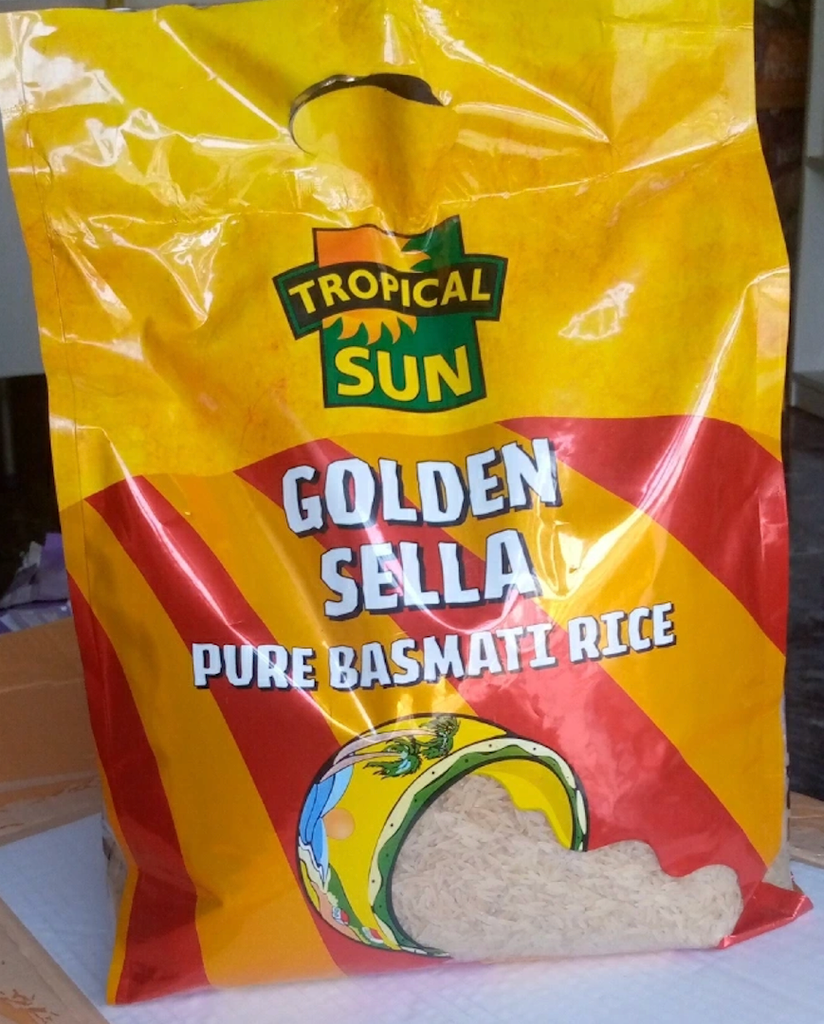
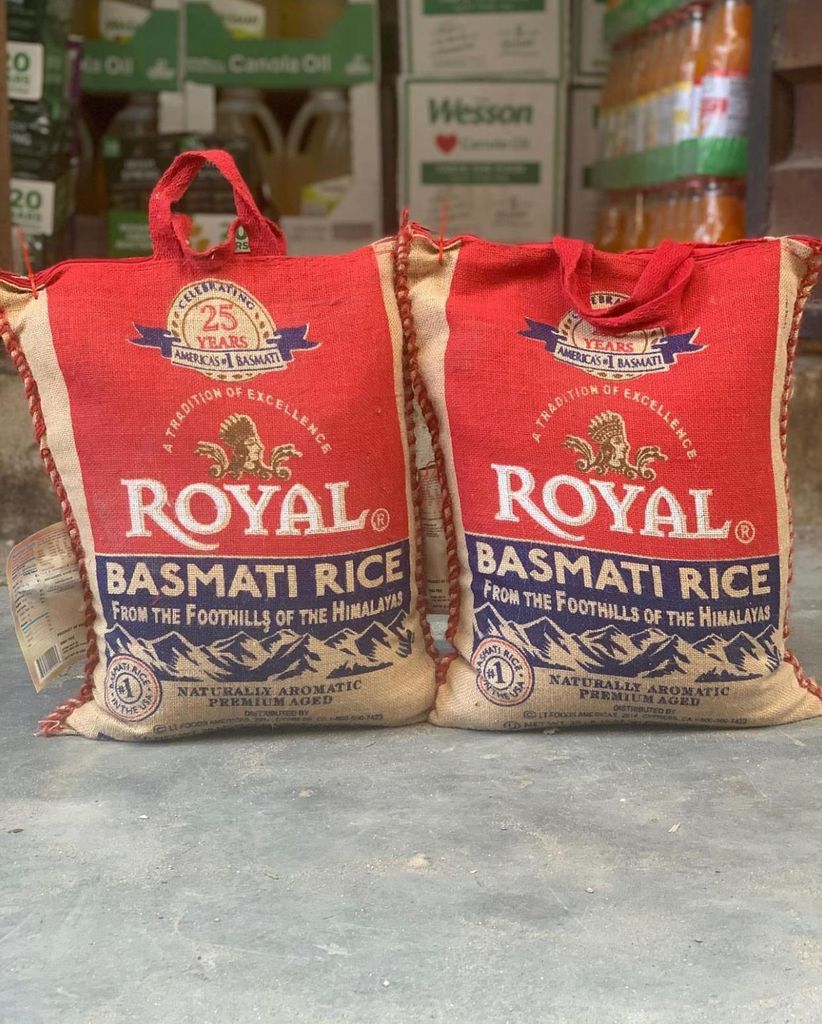
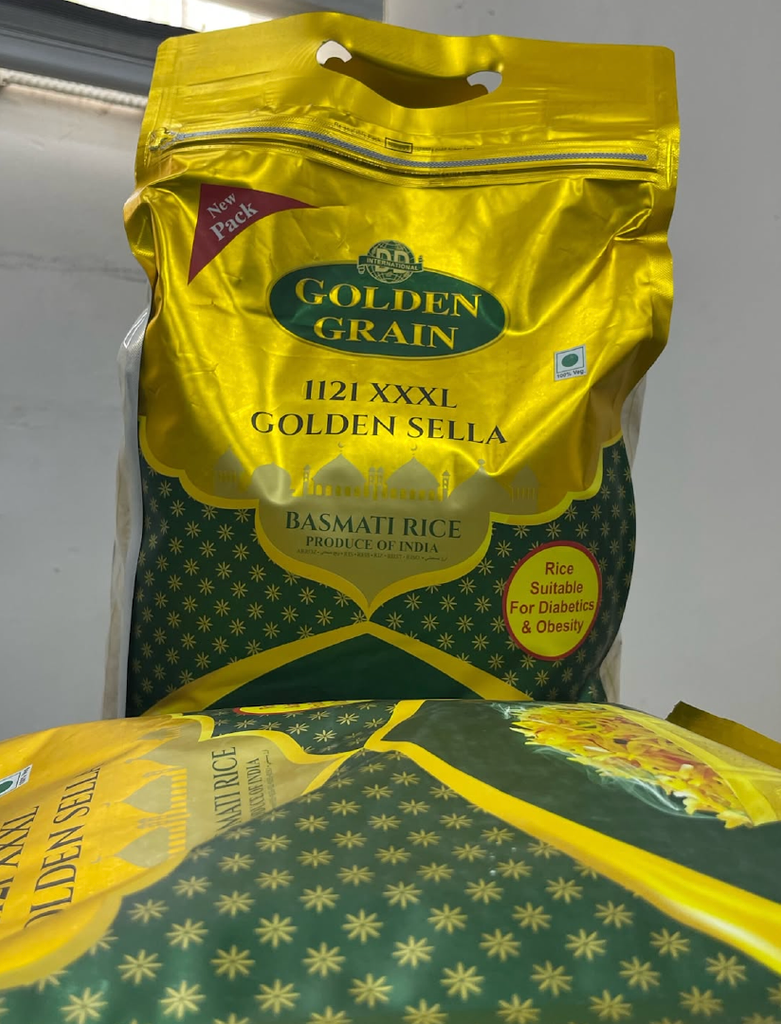


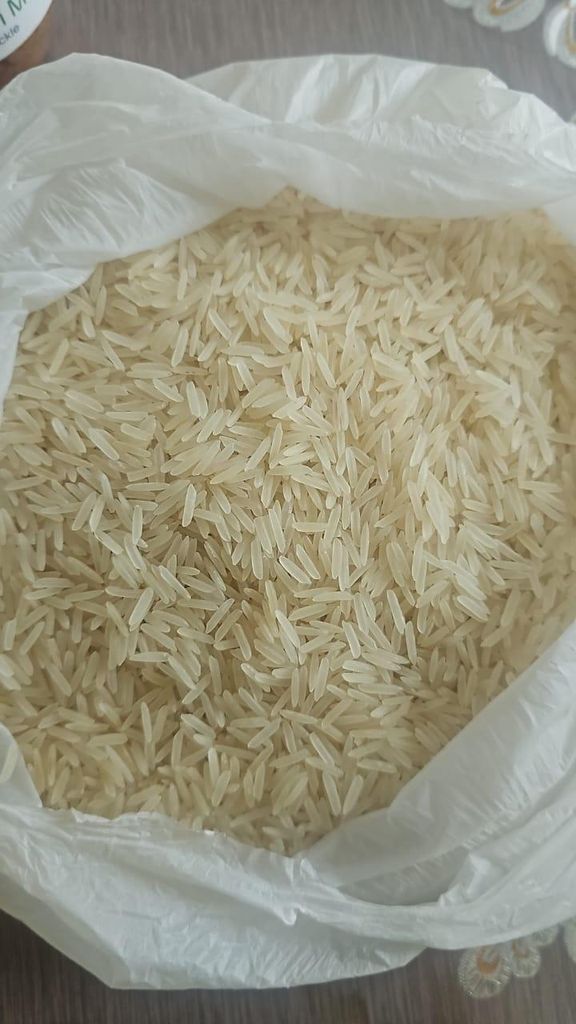
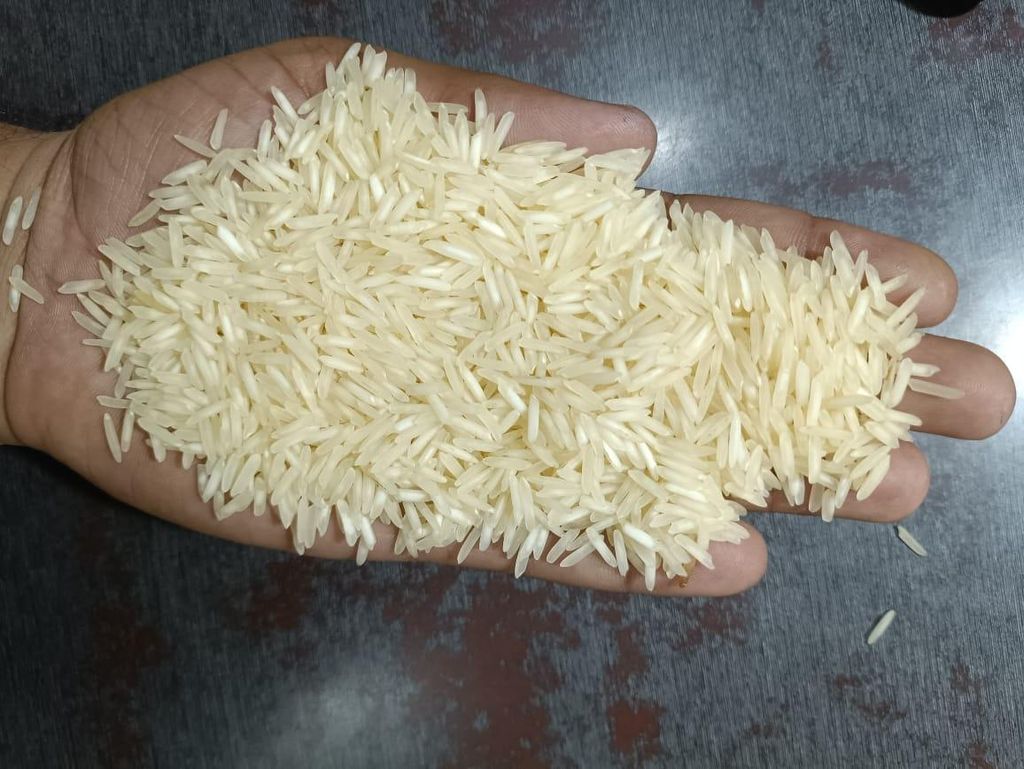
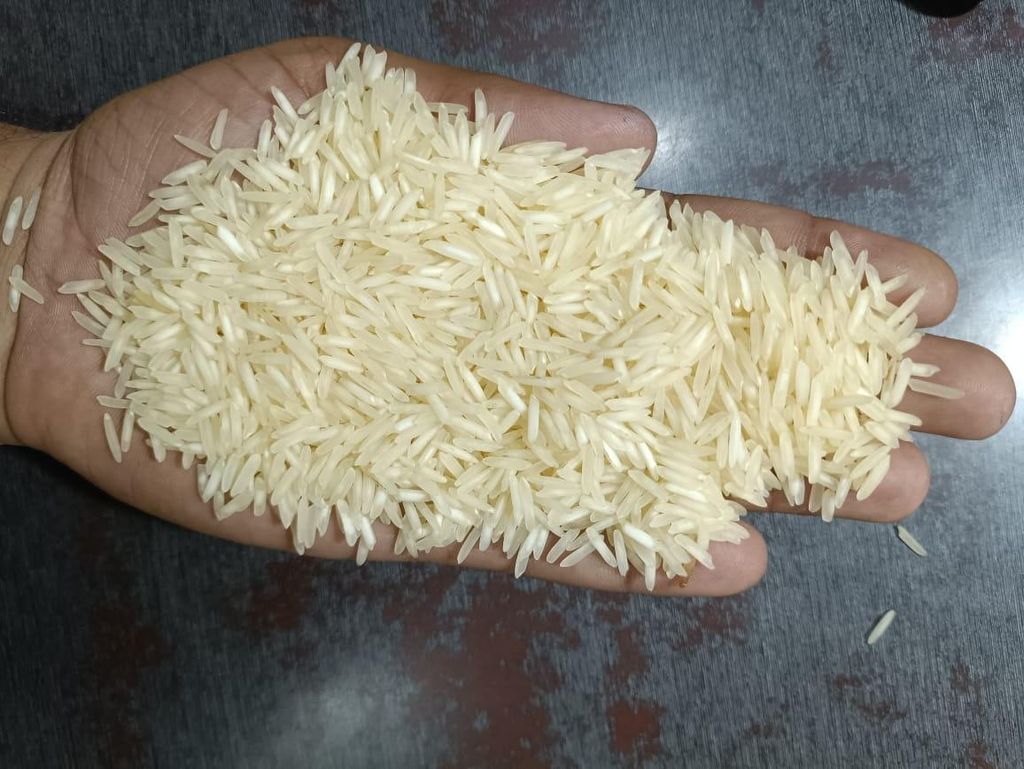
Verified suppliers first, then by buyer inquiries received in the last 30 days, then by response rate. No supplier pays for placement in this list.
Certifications shown are the two or three most relevant per supplier — the full set is on each supplier's profile.
- The most-contacted verified Non-Basmati Rice supplier on Freshdi received 0 buyer inquiries in the 30 days to 23 November 2026 and replied to 89% of them.
- 2 of the 422 Non-Basmati Rice suppliers on Freshdi are Level 2+ verified with a response rate of at least 70%, as of 23 November 2026.
How stable is this supply base?
Three separate questions, answered in order: is the product fresh, is the market busy, and can the sellers be trusted.
Is there much new product?
Non-Basmati Rice had 97 new listings in the last 30 days, more than the 69 the month before. New offers are arriving at a faster rate, so the catalog a buyer sees today includes more recent prices or pack sizes than what was available last month. Compare the listing dates when evaluating offers to ensure they reflect current market conditions.
Is the market busy?
6 of the 422 suppliers joined in the last 12 months, mostly long-standing suppliers. The category is dominated by sellers with a long history of listings, which makes it easier to assess consistency in availability and pricing. The small number of new suppliers means the majority of the pool is familiar to buyers, reducing the need to evaluate unfamiliar sellers. Review each supplier’s listing history before contacting them for a first order.
7718.2% of 422
6615.6% of 422
7918.7% of 422
Can these suppliers be trusted?
384 of 422 suppliers are verified, at least three in four, enough to contact several verified suppliers at once. 155 of 422 list a certificate, and HALAL is the most common, held by 20 of them. For a shipment requiring HALAL certification, filter the list to include only those suppliers with that standard.
- 241 of 891 Non-Basmati Rice supply listings on Freshdi (27.0%) were refreshed within 90 days to 23 November 2026, and 97 (10.9%) within 30 days.
- 311 of 422 Non-Basmati Rice suppliers on Freshdi (73.7%) were active in the 12 months to 23 November 2026, with 77 (18.2%) active within the last month, and 6 suppliers registered during the year.
- On Freshdi, 91.0% of Non-Basmati Rice suppliers are verified as of 23 November 2026.
- Across 155 certified Non-Basmati Rice supplier profiles on Freshdi, 14.2% hold FSSAI, 13.5% hold APEDA, 12.9% hold HALAL, 9.7% hold HACCP, and 9.7% hold IEC; one profile can hold several certificates.
What are the selling conditions, and where do the two sides disagree?
Part A reads the supply side on its own terms — price, trade term, MOQ, origin. Part B puts buyer demand next to it and measures the gaps in percentage points.
Default settings of a typical Nonbasmati Rice offer — how it ships, what it costs, the smallest quantity accepted and where it comes from. Each figure is drawn from every quote in the last 365 days, not from one seller.
FOB39.6%
FOB is the leading trade term for Non-Basmati Rice supply on Freshdi at 39.6%, followed by CIF at 34.1% and EXW at 8.2%, as of 23 November 2026.
217–1090
USD/MT FOBAs of 23 November 2026, Non-Basmati Rice supply on Freshdi typically lists between USD 217 and 1,090 per metric ton on a FOB basis, median USD 516 across 563 listings.
22MT median
As of 23 November 2026, Non-Basmati Rice suppliers on Freshdi typically ask a minimum order of 22 MT, with most listings between 2 and 25 MT.
41countries
India (49.3%), Pakistan (17.1%) and United Arab Emirates (4%) lead Non-Basmati Rice supply origins on Freshdi, as of 23 November 2026.
Non-Basmati Rice listings show a typical price range of USD 217 - 1,090 per metric ton on an FOB basis, with the median price at USD 516. The variety breakdown shows Basmati accounts for 38.4% of priced listings with a median of USD 800, Long Grain White at 16.7% with a median of USD 367, Parboiled at 5.2% with a median of USD 1,170, Jasmine at 2.3% with a median of USD 458, and Brown at 0.7% with a median of USD 72, indicating significant price variation by type. The typical minimum order quantity for Non-Basmati Rice is 22 MT, with most listings falling within the common range of 2 to 25 MT, offering buyers a broad spectrum of order sizes to consider. Non-Basmati Rice suppliers offer FOB at 39.6% and CIF at 34.1%, with FOB being the leading trade term among listings. For Non-Basmati Rice, payment is primarily made via T/T at 35.7% of listings, with L/C accounting for 28.6% of suppliers' payment terms.
| Type | Range (P25–P75) | Median | N | Term | MOQ |
|---|---|---|---|---|---|
| basmati | 400–1125 USD/MT | 800 | 216 | FOB | 22 MT |
| long grain white | 247–820 USD/MT | 367 | 94 | FOB | 22 MT |
| parboiled | 1100–1271 USD/MT | 1170 | 29 | FOB | 22 MT |
| jasmine | 37–498 USD/MT | 458 | 13 | FOB | 22 MT |
| brown | 9–98 USD/MT | 72 | 4 | FOB | 22 MT |
Basmati has the widest range, USD 400 - 1,125 per metric ton, at a median of USD 800. Long grain white lists between USD 247 and 820 per metric ton, with a median of USD 367. Parboiled carries the highest median of USD 1,170 per metric ton on a USD 1,100 - 1,271 range. Jasmine is priced between USD 37 and 498 per metric ton, with a median of USD 458. Brown has the lowest median at USD 72 per metric ton and the tightest range, USD 9 - 98 per metric ton.
| Market | Demand | Supply | Offers/req |
|---|---|---|---|
| Global | 1,771 requests | 818 products | 0.5 |
| Middle East & North Africa | 389 requests | 818 products | 2.1 |
| Gulf Cooperation Council | 346 requests | 818 products | 2.4 |
| United Arab Emirates | 208 requests | 818 products | 3.9 |
| India | 208 requests | 818 products | 3.9 |
Worldwide, 818 listings meet 1,771 buyer requests - 0.5 listings per request, so buyers compete for the listings on offer. The Middle East & North Africa sends 389 requests (22%), and there the same 818 listings make 2.1 listings per request. With fewer listings than requests globally, suppliers can be selective about which requests they answer.
CIF is the clearest mismatch: 44.3% of buyer requests ask for it against 34.1% of listings (951 supply vs 1546 demand observations), buyers ask for it 10.2 pts more often than suppliers offer it. EXW runs the other way - 8.2% of listings vs 4.7% of requests. A supplier able to quote CIF stands out.
T/T is the widest payment gap: about half of buyer requests (51.2%) ask for it, but only 35.7% of listings accept it (1115 supply vs 1136 demand observations), buyers ask for it 15.5 pts more often than suppliers offer it. MoneyGram runs the reverse - 7.5% of listings vs 2.1% of requests. Suppliers that accept T/T stand out.
| Nonbasmati Rice type | Buyer range | Median | Supplier range | Median | Gap |
|---|---|---|---|---|---|
| Basmati | 500 – 1200 | 500 | 400 – 1125 | 800 | +60.0% |
| Long grain white | 500 – 500 | 500 | 247 – 820 | 367 | -26.7% |
| Parboiled | 5236 – 60000 | 5236 | 1100 – 1271 | 1170 | -77.7% |
| Jasmine | 30 – 850 | 850 | 37 – 498 | 458 | -46.1% |
| Brown | 60 – 500000 | 500000 | 9 – 98 | 72 | -100.0% |
Non-Basmati Rice buyers price at a USD 480 median across 69 buyer prices, below the USD 516.2 supply median (563 observations) - expect negotiation on the first quote.
Buyers ask for Indian origin in 85 requests against 274 listings (0.31 requests per listing) - more listings than requests, so buyers have choice; Thailand: 18 requests vs 62 listings (0.29); Vietnam: 15 requests vs 100 listings (0.15) - all three origins have more listings than requests, meaning buyers face ample supply options.
- Buyers price Non-Basmati Rice at a USD 480 median across 69 buyer prices on Freshdi, below the USD 516.2 supply median across 563 listings, as of 23 November 2026.
- As of 23 November 2026, Non-Basmati Rice buyers on Freshdi price basmati at a USD 500 median (18 buyer prices) against USD 800 in listings.
- For Non-Basmati Rice on Freshdi, CIF is the widest trade term gap - 44.3% of buyer requests against 34.1% of listings - while EXW runs the other way at 8.2% of listings against 4.7% of requests, as of 23 November 2026.
- For Non-Basmati Rice on Freshdi, T/T is the widest payment term gap - 51.2% of buyer requests against 35.7% of listings - while MoneyGram runs the other way at 7.5% of listings against 2.1% of requests, as of 23 November 2026.
- Freshdi had 818 Non-Basmati Rice listings against 1,771 buyer requests (0.5 listings per request), and buyers in the Middle East & North Africa posted 389 of them (2.1 listings per request), in the 90 days to 23 November 2026.
- Non-Basmati Rice buyer requests on Freshdi asked for India 85 times against 274 listings, Thailand 18 times against 62 listings and Vietnam 15 times against 100 listings, in the 90 days to 23 November 2026.
- The United Arab Emirates (208), India (208) and the United States (138) sent the most of the 1771 Non-Basmati Rice buyer requests on Freshdi with a known buyer country, in the 90 days to 23 November 2026.
What do I do now?
Act on the numbers above — post request, or browse every listing.
Post buying request for Nonbasmati Rice
Freshdi received 155 buyer requests for Nonbasmati Rice in the last 12 months. Verified suppliers quote against your spec — no platform fees on either side.
Browse all Nonbasmati Rice suppliers
891 listings from 422 sellers, filterable by type, MOQ, trade term and certification.
The typical minimum order quantity for Non-Basmati Rice is 22 MT, with a range from 2 to 25 MT across current listings. This flexibility allows buyers with varying volume needs to find viable suppliers, though those requiring smaller volumes may still find options within the lower end of the range.
FOB is the most commonly used trade term for Non-Basmati Rice, cited in 39.6% of supplier listings on Freshdi. Buyers should verify the exact term with each supplier, as demand and supply mismatch exists, particularly for CIF and EXW terms, which are less frequently offered than requested.
Freshdi lists five distinct grades of Non-Basmati Rice: parboiled, basmati, jasmine, long grain white, and brown. Parboiled has the highest median price at USD 1,170 per metric ton, while brown rice is the cheapest at USD 72, and long grain white has the most listings at 94, suggesting strong market presence and volume availability for that type.
Non-Basmati Rice listings show a 7.5% price spread and significant term mismatches. For trade terms, CIF is in demand by 44.3% but only offered by 34.1%, creating a 10.2-point gap. Payment terms also show a 15.5-point gap for T/T, with buyers demanding it at 51.2% while suppliers offer it at only 35.7%, requiring negotiation to close the gap.
91.0% of the 422 Non-Basmati Rice suppliers on Freshdi are verified, totaling 384 verified accounts. Additionally, 155 suppliers list a certificate, with HALAL being the most common at 20 suppliers, providing buyers with strong assurance of compliance and quality standards before engaging with any supplier.
Post a buying request specifying the grade, quantity, and destination you need, or browse the live Non-Basmati Rice listings directly on Freshdi. Contacting a verified supplier from either path allows you to compare quotes, confirm availability, and verify certifications before finalizing any order.
Methodology
How the numbers on this page are produced, and what they do not cover.
Every figure comes from Non-Basmati Rice listings, supplier quotes and buyer requests posted on Freshdi in the 365 days to 13 November 2026 - 891 active listings, 149 buyer requests, 818 source documents, and 4,326 supply observations from the last 90 days. External export benchmarks are cited separately and never mixed into Freshdi figures.
Price and MOQ ranges are the interquartile range - the middle half of quotes, a quarter below and a quarter above - with the median reported alongside. A Non-Basmati Rice type is priced only once it holds at least 5% of supply price quotes and 3 priced listings with a real range; below that it is not listed. Buyer prices are compared only once there are at least 5 of them.
All prices are FOB, in USD per metric ton; quotes on other Incoterms are converted to a FOB equivalent. Freshdi does not hold a CIF price series for Non-Basmati Rice, so no landed-cost comparison is possible from this data.
Demand-versus-supply differences in trade and payment term shares are stated in percentage points, and origin rows add buyer requests per listing. Each figure carries its market scope - global - beside the number rather than in a footnote.
Product freshness counts listings created or updated. Supplier activity counts sellers by their last update. The two are different measurements and will not agree.
Freshdi reprocesses market data every hour, with one snapshot a day for trends. This page's figures, certification coverage included, refresh every 14 days on a rolling 365-day window.
About Nonbasmati Rice
Non-Basmati rice is a category of milled rice that does not belong to the basmati classification, typically grown in regions with different climate and soil conditions. It is traded in various milled forms and grades, often used in staple food applications where long grain or medium grain characteristics are preferred.
Freshdi files Non-Basmati Rice under Agriculture, Food & Beverage > Rice. Next to Non-Basmati Rice, Freshdi lists Star Rice, Zad Alwatan Rice, Chicken Rice, Jasmine Rice and Thick Poha Rice in the same group. Freshdi maps Non-Basmati Rice to the commodity Rice, HS code 1006. Offers of Non-Basmati Rice on Freshdi are compared by Broken % and Rice Type. Non-Basmati Rice drew 155 buyer requests on Freshdi in the 365 days to 23 November 2026. Post a buying request for Non-Basmati Rice on Freshdi and suppliers can send you quotations.
Product forms
- Long grain
- Medium grain
- Short grain
- Broken milled rice
- Mixed variety
Packaging
- Bulk bags
- Packed in woven sacks
- Food-grade plastic bags
- Drums for industrial use
Common uses
- Baking
- Animal feed
- Ready-to-eat meals
- Staple food in household cooking
Certifications
- HACCP
- ISO 22000
- GMP
- BRCGS
- FSSC 22000
Supplier checklist
- Ask for a recent product specification sheet
- Request samples before the first order
- Check the broken percentage and rice type as stated in the specification
- Confirm the certificate of origin and food safety certification validity
- Verify the mill's compliance with food safety standards
Buyer FAQ
- What should I specify when requesting non-basmati rice from a supplier?
- State the rice type, the broken percentage, the pack format and the intended use. Suppliers respond more quickly when the specification is complete.
- Which documents usually come with a shipment of non-basmati rice?
- Buyers usually receive a commercial invoice, a packing list, a certificate of origin and a food safety certificate for the mill.
- Can suppliers provide rice with a specific broken percentage?
- Yes, many suppliers offer rice with a defined broken percentage. Ask for the exact broken % and confirm it is tested and declared on the certificate.
Non-Basmati Rice exporters: the sourcing reference
What the Non-Basmati Rice offers of exporters and suppliers say, from price to terms, for importers comparing them.
What is the wholesale price and minimum order of Non-Basmati Rice?
Across Rice on Freshdi, offers are typically priced at $400–$1,125/ton FOB, a reference for Non-Basmati Rice as of November 2026. The price of non-basmati rice often moves with the rice type and the broken percentage. Ask each supplier which rice type and broken percentage the quoted price covers.
| Product type | Price range | MOQ | Trade term |
|---|---|---|---|
| Basmati | $400–$1,125/ton | 2–25 tons | FOB |
| Parboiled | $1,100–$1,271/ton | 10–25 tons | CIF |
Treat these Rice figures as a reference and get Non-Basmati Rice quotations on the same terms.
Which countries supply the most Non-Basmati Rice?
India has the most Non-Basmati Rice suppliers on Freshdi (49%), followed by Pakistan (17%) and United Arab Emirates (4%), as of November 2026. India, Pakistan and United Arab Emirates held 70% of the Non-Basmati Rice suppliers listed in November 2026, a concentrated supply. Non-basmati rice is commonly grown in regions with different soil and climate conditions than basmati rice. Ask a supplier where the rice is grown and how the growing conditions affect the grain type.
| Country | Share of suppliers | Suppliers |
|---|---|---|
| India | 49% | 208 |
| Pakistan | 17% | 72 |
| United Arab Emirates | 4% | 17 |
| United States | 4% | 17 |
| South Africa | 3% | 11 |
| United Kingdom | 3% | 11 |
| Tanzania | 2% | 8 |
| Germany | 1% | 6 |
Importers can ask Non-Basmati Rice suppliers from several origins, because freight, duties and lead times differ by country.
Which shipping and payment terms are usual for Non-Basmati Rice?
For Non-Basmati Rice, the nearest reference on Freshdi is Rice, whose offers most often name FOB (40%) (November 2026 data). Buyers of non-basmati rice usually decide with the supplier who inspects the shipment at the port of entry.
| Term | Type | Share |
|---|---|---|
| FOB | Incoterm | 40% |
| CIF | Incoterm | 34% |
| EXW | Incoterm | 8% |
| CFR | Incoterm | 6% |
| DDP | Incoterm | 4% |
| FCA | Incoterm | 3% |
| CIP | Incoterm | 2% |
| CPT | Incoterm | 1% |
Read these Rice figures as the usual practice, then agree your own terms.
Which quality and safety certifications apply to Non-Basmati Rice?
For Non-Basmati Rice, the certifications to ask a supplier for are usually HACCP, ISO 22000 and GMP. For Non-Basmati Rice, HACCP shows food safety hazards controlled at each step of production. For Non-Basmati Rice, ISO 22000 shows a food safety management system across the supply chain. For Non-Basmati Rice, GMP shows good manufacturing practice, covering hygiene and process control in the plant. Importers of non-basmati rice commonly look at the food safety certificate of the mill. Ask a supplier for a current certificate that names the mill producing the rice. Importers should ask for a valid Non-Basmati Rice certificate in the supplier's company name and check its expiry date before ordering.
| Certification | What it covers | What to ask for |
|---|---|---|
| HACCP | Food safety hazards controlled at each step of production. | The HACCP certificate of the supplier, checked against its scope. |
| ISO 22000 | A food safety management system across the supply chain. | The ISO 22000 certificate of the supplier, checked against its scope. |
| GMP | Good manufacturing practice, covering hygiene and process control in the plant. | The GMP certificate of the supplier, checked against its scope. |
| BRCGS | A food safety standard many retailers require. | The BRCGS certificate of the supplier, checked against its scope. |
| FSSC 22000 | Food safety system certification recognised by GFSI. | The FSSC 22000 certificate of the supplier, checked against its scope. |
Non-Basmati Rice certification requirements differ by destination, so check what your market asks for before you order.
What other products sit next to Non-Basmati Rice?
Non-Basmati Rice on Freshdi is related to White Basmati Rice, Broken Basmati Rice and Premium Quality Rice, all within Rice. Among the categories related to Non-Basmati Rice, White Basmati Rice had the most suppliers in November 2026, with 532. Next to Non-Basmati Rice, the related categories listed Broken Basmati Rice (523 suppliers) and Premium Quality Rice (504 suppliers) in November 2026. Non-basmati rice includes long grain, medium grain, short grain and mixed variety rice. Ask a supplier for the exact rice type and broken percentage of the product you want to buy.
| Category | Relation | Suppliers |
|---|---|---|
| Rice | Broader category | 430 |
| White Basmati Rice | Related category | 532 |
| Broken Basmati Rice | Related category | 523 |
| Premium Quality Rice | Related category | 504 |
| High-Quality Rice | Related category | 489 |
| Premium Basmati Rice | Related category | 470 |
| Parboiled Basmati Rice | Related category | 463 |
| 1121 Basmati Rice | Related category | 445 |
Categories next to Non-Basmati Rice often share suppliers and buyers with it, so they are worth a look.
Trade terms and how to compare quotations
A reference for every category: what the usual trade and payment terms mean, and the points to check when you compare quotations.
| Term | Type | Meaning |
|---|---|---|
| EXW | Incoterm | The buyer collects the goods at the seller's premises and pays every cost from there. |
| FCA | Incoterm | The seller hands the goods, cleared for export, to the buyer's carrier at a named place. |
| FOB | Incoterm | The seller loads the goods on the vessel at the port of loading; freight is the buyer's. |
| CFR | Incoterm | The seller pays sea freight to the destination port; the risk passes once loaded. |
| CIF | Incoterm | Like CFR, and the seller also insures the goods until the destination port. |
| CPT | Incoterm | The seller pays carriage to a named place; the risk passes at the first carrier. |
| CIP | Incoterm | Like CPT, and the seller also insures the goods to the named place. |
| DAP | Incoterm | The seller delivers to a named place, ready for unloading; import duties are the buyer's. |
| DPU | Incoterm | The seller delivers and unloads the goods at a named place in the destination country. |
| DDP | Incoterm | The seller delivers to the buyer's place and pays import duties and taxes too. |
| FAS | Incoterm | The seller places the goods alongside the vessel at the port of loading. |
| T/T | Payment term | A bank transfer, often a deposit before production and the balance against documents. |
| L/C | Payment term | A letter of credit, under which the buyer's bank pays once the shipping documents match its terms. |
| D/P | Payment term | Documents against payment, where the buyer gets the shipping documents once it pays. |
| D/A | Payment term | Documents against acceptance, where the buyer gets the documents by accepting to pay later. |
| CAD | Payment term | Cash against documents, where payment is made when the shipping documents are presented. |
| Bank Transfer | Payment term | A direct transfer between bank accounts, agreed in the contract. |
| Escrow | Payment term | A third party holds the payment until the buyer confirms delivery. |
| Cash | Payment term | Payment in cash, usually only for small or local orders. |
Name the Incoterm with a place, and agree it and the payment term in writing before production starts.
| Point | What to check | Why it matters |
|---|---|---|
| Incoterm and place | Every quotation names the same Incoterm and port or place. | Prices on FOB and on CIF differ by the freight and the insurance. |
| Specification | The grade, size or composition quoted matches the one asked for. | A lower grade can hide behind a lower price. |
| Quantity and MOQ | The price is for the quantity ordered, above the minimum order. | Unit prices change with the order size. |
| Packaging | Packing type, size and labelling are stated and the same. | Custom packing adds cost. |
| Payment term | The payment term and the deposit asked. | It moves the risk between buyer and seller. |
| Lead time | The production and shipping time to the destination. | A late shipment can cost more than a higher price. |
| Documents | The certificates and export documents included. | Missing papers can block customs. |
| Validity | How long the quoted price holds. | Quotations are often valid for a limited time only. |
Ask every counterpart to quote on the same basis: only then does the lower price win.