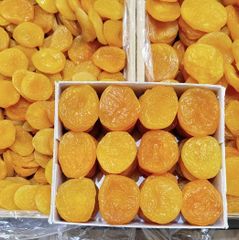
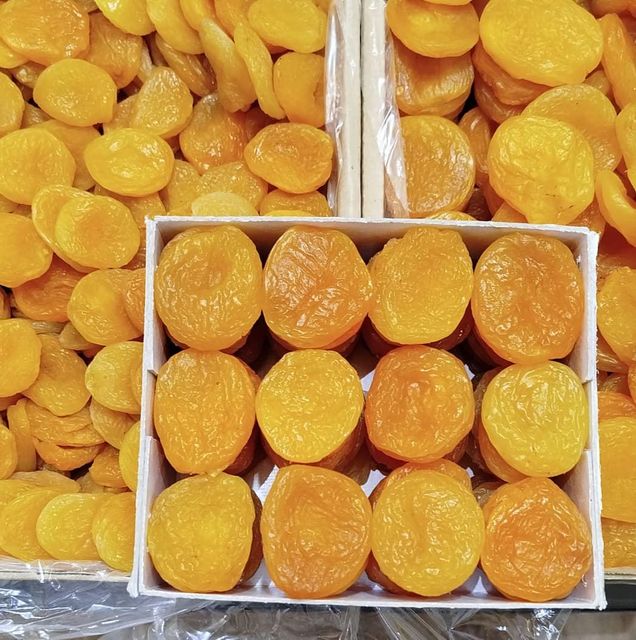
Apricot - Image 1
Apricot - Image 1

Apricot

|

5 views


$2/Kilogram
In stockThe quotation for Apricot from Kwanda Organics reflects premium market positioning at approximately 25% above average rates.

Minimum order quantity: 10,000 Container

Open to price negotiation

Supplier Country: France

Export market: Kenya, Tanzania, Uganda


Key Takeaways

Freshdi AI is analyzing this product...

Sweet With Light Tartness Flavor
Extended Shelf Life Through Drying
Cold Chain Maintained Throughout

Product Specifications

Minimum Order Quantity:

10000 Container

Industrial Byproducts:

Apricot Kernels Used For Oils And Cosmetics

Trade Term:

CIF, FOB

Food Safety Compliance:

Compliance With Food Safety And Hygiene Regulations

Application Context:

Culinary, Health, And Industrial Applications

Texture:

Delicate Skin, Juicy Yet Firm Flesh

Degree Of Processing:

Dried

Shelf Life:

Extended Through Drying And Moisture-proof Packaging

Intended Uses:

Fresh Consumption, Dried Apricots, Juices And Purees, Preserves And Jams, Culinary Ingredients

Color:

Golden Yellow To Deep Orange With Red Blush

Harvesting Method:

Handpicked Or Mechanically Harvested At Peak Ripeness

Nutritional Content:

High In Vitamin A And Beta-carotene, Good Fiber, Rich In Potassium, Contains Vitamins C And E

Origin:

Iran, Turkey, Uzbekistan

Port Of Loading:

Istanbul, Turkey, Tr (IST)

Cold Chain Logistics:

Maintained Throughout Supply Chain To Ensure Premium Quality

Common Varieties:

Moorpark, Tilton, Royal Blenheim, Harcot

Organic:

No

Antioxidant Properties:

Rich In Antioxidants That Combat Oxidative Stress

Fruit Stone:

Single Central Stone

Quality Grading Factors:

Size Uniformity, Color Appeal, Firmness, Sweetness, Absence Of Blemishes Or Bruises

Post Harvest Processing:

Sorting, Washing, Cooling, Pitting Or Slicing As Needed

Flavor Profile:

Sweet With Light Tartness

Payment Term:

T/T

Size:

Varies By Variety, With Large And Firm Fruits

Packaging Type:

Ventilated Cartons Or Trays For Fresh Apricots, Moisture-proof Bags Or Jars For Dried Apricots, Sturdy Boxes Or Pallets For Bulk Shipments

4.1

France FlagFrance

Exporter/Wholesaler

France

Activity signals

Inquiry Open Rate

43%

Total inquiries received

37

Inquiries Read

16

Export Markets

Based on the information provided by the supplier.

Kenya FlagKenya

Tanzania FlagTanzania

Uganda FlagUganda

East Africa

100%

Verification information

Verification information

Verify business documents

By Freshdi Verification System

Verify phone number

Buyer Verification Team

Verify account email

By Freshdi.com

Verify work email

External Validation

Company website

Supplier confirmed with Freshdi

Reviews of this Product

No reviews yet

Be the first to share your experience - your feedback helps other buyers trade with confidence.

Product descriptions from the supplier

Explore Our Premium Apricot Products

Welcome to our selection of top-quality apricot products, carefully sourced and crafted for freshness, flavor, and nutrition. Apricots are cherished worldwide for their delightful taste and versatile uses in culinary, health, and industrial applications. Discover the varieties, benefits, and quality assurances that make our apricot offerings outstanding in the marketplace.

Company Overview

Our company specializes in providing high-grade apricot products, ensuring excellent quality and customer satisfaction. With a commitment to sourcing the finest apricots and maintaining rigorous standards throughout processing and packaging, we cater to diverse consumer and commercial needs.

Apricot Varieties and Grades

Apricots come in numerous varieties, each with unique flavor profiles, sizes, and colors ranging from golden yellow to deep orange and sometimes with a red blush. Common varietals include:

  • Moorpark: Large, flavorful with a rich sweetness.
  • Tilton: Bright orange, juicy, and widely cultivated.
  • Royal Blenheim: Known for a distinctive tart hint and aromatic flesh.
  • Harcot: Firm texture, excellent for shipping and canning.

Grades of apricots are typically determined by size, color uniformity, sweetness, and absence of blemishes or bruises. Higher grades command premium pricing and are preferred for fresh consumption and export.

Image: Apricot Varieties

Nutritional and Technical Properties

Image: Nutritional Benefits of Apricots

Apricots are a nutrient-dense fruit rich in vitamins, minerals, and antioxidants. Their key nutritional attributes include:

  • High in Vitamin A and beta-carotene, supporting eye health and immune function.
  • Good fiber content aiding digestion and promoting gut health.
  • Rich in potassium for cardiovascular benefits.
  • Contains vitamins C and E, which act as antioxidants to combat oxidative stress.

Technically, apricots are characterized by their delicate skin, juicy yet firm flesh, and a single central stone. Their texture and flavor profile make them suitable for fresh eating, drying, juicing, and processing into preserves.

Common Uses and Applications

Apricots serve a multitude of culinary and commercial applications:

  • Fresh Consumption: Enjoyed raw as a healthy snack or in fruit salads.
  • Dried Apricots: Concentrated sweetness and longer shelf life, popular for baking and snacking.
  • Juices and Purees: Used in beverages, smoothies, sauces, and baby foods.
  • Preserves and Jams: Apricots provide rich flavor and vibrant color for spreads.
  • Culinary Ingredient: Incorporated in desserts, savory dishes, and as toppings.

Industrial byproducts like apricot kernels are also used for oils and cosmetics.

Image: Apricot Products in Use

Harvesting and Production Process

Image: Apricot Orchard and Harvest

Apricot harvesting requires careful timing to capture peak ripeness and flavor. The typical production workflow includes:

  • Field Harvesting: Handpicked or mechanically harvested when fruit reaches optimal maturity.
  • Sorting and Grading: Immediately post-harvest, apricots are sorted to remove damaged fruits and classified by size and quality grade.
  • Washing and Cooling: To maintain freshness and prevent spoilage, fruits are cleaned and cooled promptly.
  • Processing: Fruits destined for drying, juicing, or preserves undergo appropriate treatments such as pitting or slicing.
  • Packaging: Packaged in consumer or bulk formats depending on destination markets, employing protective packaging to minimize damage.

Maintaining cold chain logistics through the supply chain ensures premium quality apricot products reach customers worldwide.

Quality, Grading Standards, and Packaging for Export

Quality standards for apricots are carefully regulated to ensure consistency and customer satisfaction. Important factors include:

  • Size uniformity and color appeal according to international grading norms.
  • Firmness and sweetness levels appropriate for intended use.
  • Absence of defects such as bruises, pits, mold, or insect damage.
  • Compliance with food safety and hygiene regulations.

Packaging varies with product form and destination:

  • Fresh Apricots: Often packed in ventilated cartons or trays to reduce pressure and bruising.
  • Dried Apricots: Sealed in moisture-proof bags or jars to extend shelf life.
  • Bulk Shipments: Packed in sturdy boxes or pallets, with cushioning materials for safe transport.

Exporters prioritize efficient cold chain management and proper labeling for traceability and regulatory compliance.

Image: Apricot Packaging and Export

You are viewing details for Apricot. The information provided here is either posted directly by the supplier, who is responsible for its accuracy, or collected by Freshdi AI from publicly available sources. Freshdi strives to make product information as useful and reliable as possible, but we do not guarantee complete accuracy. If you notice any incorrect or misleading details, please use the Report Product option so our team can review and address it quickly.


Contact this Supplier


Afdal (Founder/ Owner)

Active

Business type

Exporter/Wholesaler

Main Export Markets