Description of Black Garlic
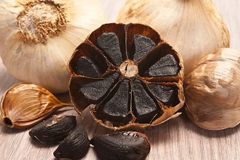
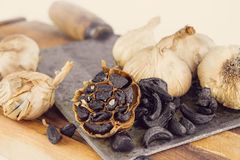
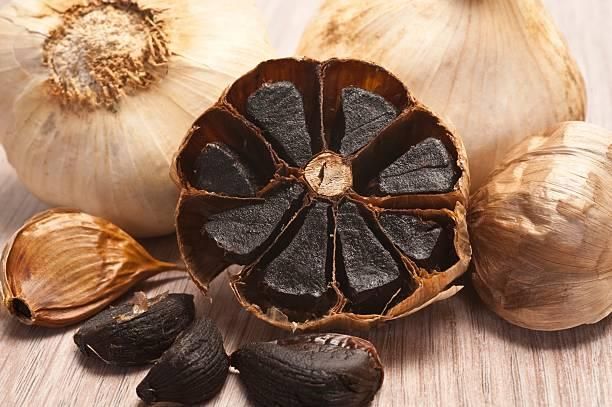
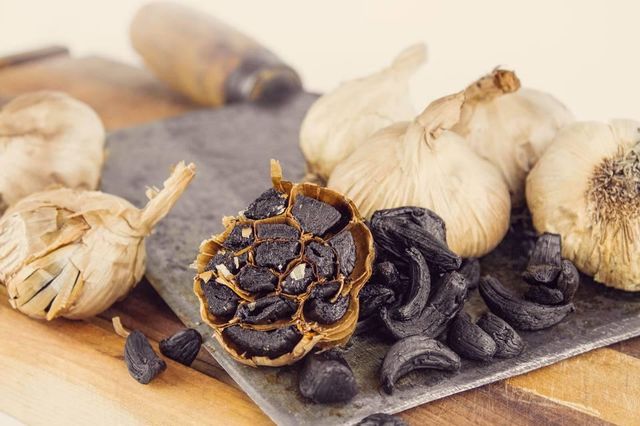
- Appearance: Deep brownish-black cloves, soft and slightly sticky, with a texture similar to dried dates or figs.
- Flavor: Mellow, sweet, and savory with complex notes of caramel, licorice, or soy sauce. It lacks the strong, astringent bite of raw garlic due to reduced allicin content and increased S-allylcysteine (SAC), which enhances antioxidant absorption.
- Forms: Available as whole bulbs, peeled cloves, puree, or dehydrated powder. <COMPANY NAME>, if producing black garlic, would likely offer it in powder form, similar to their dehydrated garlic powder, for culinary and industrial use.
Production Process
While <COMPANY NAME> is known for dehydrated onion and garlic powder, they may produce black garlic or its derivatives, given their expertise in vegetable dehydration. The process for black garlic involves:
- Sourcing: High-quality fresh white garlic, likely sourced from Gujarat, India, a major garlic-producing region.
- Aging: Whole, unpeeled garlic bulbs are placed in a controlled environment (e.g., rice cooker, slow cooker, or specialized fermenter) at 60–90°C (140–190°F) and 80–90% humidity for 15–90 days (typically 3–6 weeks). No additives or preservatives are used.
- Maillard Reaction: The low-heat aging process caramelizes sugars and amino acids, creating the black color and complex flavor. Note that black garlic is not fermented, despite common misconceptions, as the transformation is driven by the Maillard reaction, not microbial activity.
- Dehydration (for Powder): If producing black garlic powder, aged cloves are peeled, dehydrated at low temperatures (e.g., 140°F for 24–26 hours), and ground into a fine powder (80–100 mesh). <COMPANY NAME> would likely use similar dehydration techniques as for their onion and garlic powders, ensuring hygiene and quality.
- Packaging: Packed in airtight, moisture-proof containers to maintain flavor and extend shelf life (up to 3–6 months for whole cloves, longer for powder).
Characteristics
- Nutritional Profile (per 100g, approximate):
- Calories: ~200–250 kcal
- Carbohydrates: ~40–50g
- Protein: ~10–12g
- Fiber: ~5–7g
- Contains higher antioxidants (e.g., flavonoids, alkaloids) than raw garlic due to the aging process, with S-allylcysteine aiding absorption.
- Shelf Life: Whole bulbs last up to 3 months in an airtight container; refrigerated cloves up to 6 months; dehydrated powder up to 1 year if stored properly.
- Health Benefits:
- Rich in antioxidants, potentially reducing oxidative stress and supporting immune health.
- May help regulate blood sugar and reduce diabetes complications (based on animal studies).
- Possible heart health benefits, including lower LDL cholesterol and triglycerides.
- Early research suggests anticancer properties and brain health support, though human studies are limited.
Uses
- Culinary:
- Whole cloves or puree: Spread on toast, mixed into sauces, soups, risottos, or used as a pizza topping.
- Powder: Acts as an “umami fairy dust” for seasoning meats, fish, vegetables, or snacks.
- Examples: Black garlic vinaigrette, ranch-style dressing with buttermilk, or sauces for fried chicken.
- Industrial: Used in gourmet food products, spice blends, and health supplements due to its unique flavor and antioxidant content.
- <COMPANY NAME> Application: If they produce black garlic powder, it would be ideal for seasoning blends, instant foods, or export markets, packaged to meet global standards.
Black Garlic Powder (Dehydrated)
- Production: After aging, black garlic cloves are dehydrated at low heat (140°F) until fully dry, then ground into a fine powder. This aligns with <COMPANY NAME>’ expertise in dehydrated garlic and onion powders.
- Uses: Sprinkle on dishes for a sweet-savory umami boost, blend into sauces, or incorporate into processed foods like snacks or seasonings.
- Advantages: Longer shelf life than whole cloves, easy to store, and versatile for both home and industrial use.
- Pricing (Industry Estimate): ~₹300–500/kg for black garlic powder, though specific pricing from <COMPANY_NAME> would require direct inquiry.
Comparison to Dehydrated Garlic Powder
- Flavor: Black garlic powder is sweeter, milder, and umami-rich, while regular dehydrated garlic powder (as produced by <COMPANY_NAME>) is pungent and closer to raw garlic.
- Process: Black garlic requires aging before dehydration, making it more labor-intensive and costly than standard garlic powder.
- Applications: Black garlic powder is used for gourmet and health-focused products, while regular garlic powder is a staple for broader culinary uses.


 India
India Afghanistan
 Algeria
 Argentina
 Armenia
 Australia