
Share on
60 views
13 Inquiries
Good Price
Minimum order quantity: 5 Tons
Open to price negotiation
Supplier Country: Germany
Export market: Canada, Haiti, Estonia, Slovenia, United Kingdom
Key Takeaways


5.0
 Germany
Distributor/Wholesaler, Trading Company
Alexander-Fleming-Ring 19a, Rüsselsheim, Hessen, Germany, 65428
Avg Response Time
≤ 3 days
Inquiry Open Rate
69%
Total inquiries received
862
Inquiries Read
597
Based on the information provided by the supplier.
 Canada
 Haiti
 Estonia
 Slovenia
 United Kingdom
Central America & Caribbean
26%
Western Europe
23%
Oceania
21%
Eastern Europe
17%
East Africa
12%
Verification information
Verify business documents
By Freshdi Verification System
Verify work email
By Freshdi.com
Verify phone number
Buyer Verification Team
Verify account email
By Freshdi.com
External Validation
Company website
Supplier confirmed with Freshdi
Company Address
Supplier confirmed with Freshdi
4.5/5
4 Reviews
5
3
4
0
3
1
2
0
1
0
 United Arab Emirates
United Kingdom
We have only had initial contact with this supplier and have not completed a transaction. I am therefore unable to assess product quality, delivery, reliability, or overall performance at this stage.
United Kingdom
United Kingdom
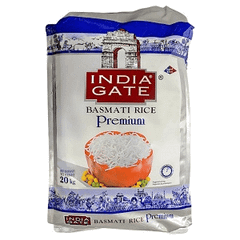
Basmati rice is a long-grain, aromatic rice variety that originates from the Punjab region of India and parts of Pakistan. It is widely recognized for its distinct fragrance, slender grains, and ability to remain separate when cooked, resulting in a fluffy and light texture. The rice is typically grown in the fertile alluvial soils of the Indo-Gangetic Plain and is cultivated using traditional farming methods that emphasize quality over yield.
Its unique aroma comes from the presence of aromatic compounds such as 2-acetyl-1-pyrroline, which are naturally produced during the grain's development. This characteristic makes basmati rice a preferred choice in both home cooking and fine dining, especially in South Asian cuisine.
Basmati rice is available in several grades, primarily categorized by grain length, aroma strength, and moisture content. The most common varieties include:
Grading standards are typically based on the United States Department of Agriculture (USDA) and international food safety guidelines, which assess grain length, uniformity, color, and foreign material content.
Basmati rice is grown primarily in India and Pakistan, with significant production in regions such as Punjab, Sindh, and parts of Uttar Pradesh. The crop is typically planted during the spring and harvested in late summer or early autumn.
Traditional cultivation involves hand-planted fields with careful attention to soil preparation, irrigation, and pest control. The rice is harvested by hand to preserve grain quality and prevent damage. After harvesting, the grains are dried in the sun and then stored in clean, well-ventilated conditions to prevent spoilage and maintain aroma.
Modern farming practices have introduced mechanized harvesting and improved irrigation systems, but many premium basmati producers still adhere to traditional methods to ensure authenticity and flavor.
Per 100 grams of cooked basmati rice, typical nutritional values include:
Basmati rice has a lower glycemic index (GI) compared to other rice varieties, typically ranging from 50 to 58, making it a favorable option for individuals managing blood sugar levels. It is also naturally low in fat and cholesterol.
Technically, basmati rice has a high amylose content (typically 20–30%), which contributes to its firm texture and resistance to sticking during cooking.
Basmati rice is a staple in South Asian cuisine and is widely used in traditional dishes such as:
Its aromatic profile and fluffy texture make it ideal for both everyday meals and gourmet cooking. It is also commonly used in international fusion cuisine and as a base for rice-based desserts and snacks.
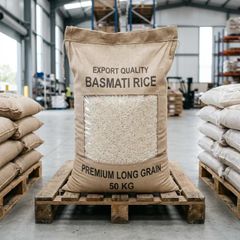
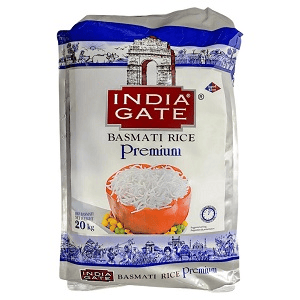
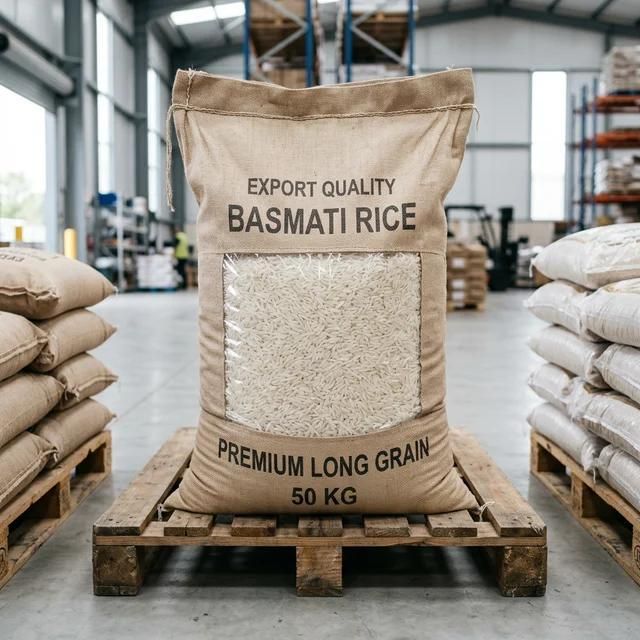
Premium basmati rice is typically packaged in airtight, moisture-resistant containers such as polyethylene or aluminum foil-lined bags. Packaging sizes range from 1 kg to 5 kg, with larger quantities available for commercial buyers.
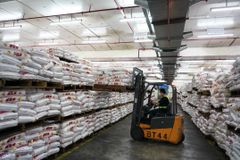
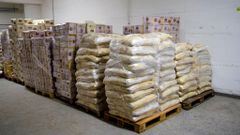
Export-grade basmati rice is often certified under international food safety standards such as ISO 22000 and HACCP. It is frequently traded in bulk or in pre-packaged units and is shipped via sea freight to markets in Europe, North America, and the Middle East.
Quality control during export includes testing for moisture content (ideally 13–14%), foreign material, and aroma consistency to ensure product integrity.
You are viewing details for Buy Basmati Rice Online – Premium Long Grain Aromatic Rice Competitive Wholesale Prices. The information provided here is either posted directly by the supplier, who is responsible for its accuracy, or collected by Freshdi AI from publicly available sources. Freshdi strives to make product information as useful and reliable as possible, but we do not guarantee complete accuracy. If you notice any incorrect or misleading details, please use the Report Product option so our team can review and address it quickly.


5.0
Mac F. Freddy (Sale/ Marketing/ Sourcing Manager)
Active
Avg Response Time: ≤ 3 days
Year Established: 2019
Business type
Distributor/Wholesaler, Trading Company
Main Export Markets
Over the 365 days to 16 November 2026, Freshdi tracked 936 active Basmati Brown Rice supply listings from 440 suppliers in 42 countries, built on 826 source documents and 4,418 supply observations. Freshdi Basmati Brown Rice suppliers come from 42 countries, led by India at 47.7%, as of 16 November 2026. Compared with the previous 30 days, buyer inquiries for Basmati Brown Rice on Freshdi rose 226.6% in the 30 days to 16 November 2026, with 35.29% volatility in monthly inquiry and quotation activity over 106 days.
Explore Basmati Brown Rice market insight