


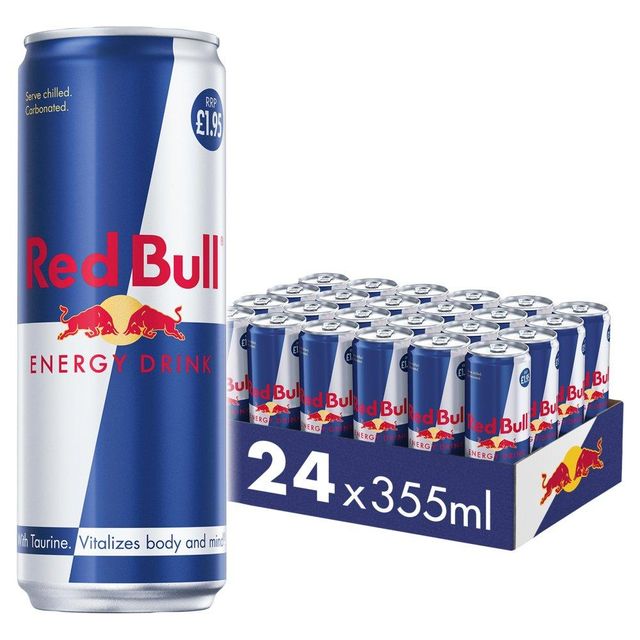
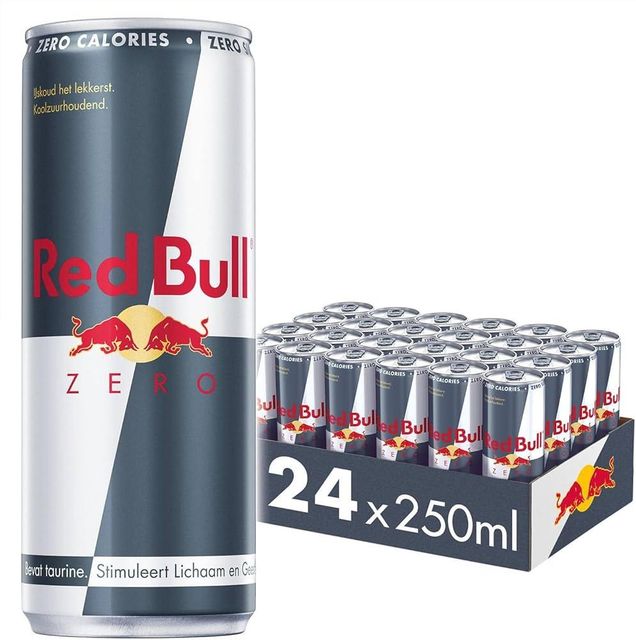
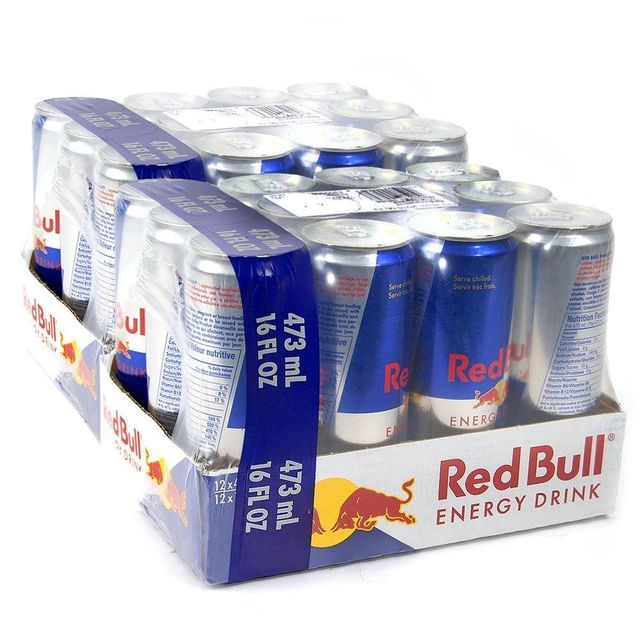
Share on
4 views
13 Inquiries
20000 Tray
Minimum order quantity: 1 Tray
Open to price negotiation
Supplier Country: Poland
Export market: Albania, Armenia, Austria, Australia, Antigua and Barbuda
Key Takeaways


3.8
 Poland
Distributor/Wholesaler
Ul. Strzelców Bytomskich 4, 44-109 Gliwice
Inquiry Open Rate
45%
Total inquiries received
810
Inquiries Read
366
Year Established
2018
Based on the information provided by the supplier.
 Albania
 Armenia
 Austria
 Australia
 Antigua and Barbuda
Western Europe
39%
Eastern Europe
31%
Central America & Caribbean
13%
East Asia
9%
Middle East
7%
Verification information
Verify business documents
By Freshdi Verification System
Verify work email
By Freshdi.com
Verify account email
By Freshdi.com
Verify phone number
External Validation
Company Address
Supplier confirmed with Freshdi
Business Registered ID
Supplier confirmed with Freshdi
No reviews yet
Be the first to share your experience - your feedback helps other buyers trade with confidence.
Red Bull, the iconic energy drink, has become one of the most recognizable brands in the world since its introduction in 1987. With its slogan "Red Bull gives you wings," the drink has not only revolutionized the energy drink market but also deeply embedded itself in global pop culture. In this article, we will explore the history, ingredients, market impact, controversies, and cultural significance of Red Bull.
Red Bull is an energy drink produced by the Austrian company Red Bull GmbH, which was founded by Dietrich Mateschitz and Chaleo Yoovidhya. Its primary function is to increase mental and physical energy through the combination of caffeine, taurine, B-vitamins, and sugar. The product quickly became a global phenomenon and is now sold in over 170 countries worldwide.
Although energy drinks existed before Red Bull, Mateschitz and Yoovidhya's innovative approach to branding, marketing, and product design played a crucial role in making Red Bull the leader in the energy drink market. The company has since diversified into various segments, including extreme sports sponsorships, music, and even media.
The story of Red Bull begins with Dietrich Mateschitz, an Austrian entrepreneur, who met Chaleo Yoovidhya, a Thai businessman, in 1984. At the time, Mateschitz was working for the German multinational company Blendax (now part of Procter & Gamble). While on a business trip to Thailand, Mateschitz encountered a local energy drink called "Krating Daeng," created by Chaleo in 1976. The drink, which contained caffeine, taurine, and sugar, was popular among Thai truck drivers and laborers for its ability to combat fatigue.
Mateschitz saw potential in the product and teamed up with Chaleo to modify the drink to suit the international market. They made changes to the formula and packaging, and in 1987, Red Bull was born. The original name "Krating Daeng" (which means "Red Bull" in Thai) was retained, but the product was rebranded for Western markets.
The first cans of Red Bull were sold in Austria in 1987, and within a few years, the brand expanded to Germany, Hungary, and other European countries. Red Bull's success in Europe laid the foundation for its global expansion, and by the mid-1990s, it had penetrated the North American market. By 2000, Red Bull had solidified itself as the dominant energy drink in many markets worldwide.
Red Bull is known for its unique combination of ingredients designed to provide an energy boost. These ingredients include caffeine, taurine, sugar, B-vitamins, and carbonated water. Let’s take a deeper look at each of these components.
Caffeine is a stimulant that increases alertness, improves focus, and enhances physical performance. It is one of the primary active ingredients in Red Bull. A typical 8.4 oz can of Red Bull contains about 80 milligrams of caffeine, roughly the same amount as a cup of coffee.
Caffeine can have both positive and negative effects on health. When consumed in moderation, it can improve mental alertness and physical performance. However, excessive consumption can lead to restlessness, anxiety, increased heart rate, and digestive problems.
Taurine is an amino acid found naturally in the body and is involved in many physiological processes, including bile salt formation, eye health, and the regulation of blood sugar. Red Bull contains around 1000 milligrams of taurine per can, a dose that has been shown to enhance exercise performance, though the exact effects of taurine when consumed in energy drinks are still debated.
While taurine is generally considered safe when consumed in moderation, there are ongoing debates about its combined effects with caffeine, sugar, and other ingredients.
Sugar provides a quick source of energy, and Red Bull contains sucrose and glucose, which are both simple sugars. A typical can of Red Bull contains around 27 grams of sugar, which is roughly equivalent to six teaspoons. While sugar can provide an immediate energy boost, it also contributes to weight gain and an increased risk of metabolic diseases, such as type 2 diabetes, when consumed in large amounts.
Red Bull has responded to growing concerns about sugar consumption by introducing sugar-free and reduced-calorie versions of its drink, such as Red Bull Sugarfree and Red Bull Total Zero.
Red Bull contains several B-vitamins, including B3 (niacin), B5 (pantothenic acid), B6, and B12. These vitamins are essential for converting food into energy and supporting various metabolic functions. Although the presence of B-vitamins in Red Bull is beneficial for overall health, the amounts in a single can are generally not substantial enough to cause significant effects.
One of the key factors behind Red Bull’s success is its innovative and aggressive marketing strategy. From the beginning, Red Bull has positioned itself not just as a beverage but as a lifestyle brand associated with extreme sports, adventure, and pushing the limits of human potential.
Red Bull's marketing strategy has largely focused on sponsoring extreme sports events and athletes. In the 1990s, the company began to sponsor various sports, including snowboarding, BMX, surfing, skateboarding, and motor racing. The brand's connection with athletes who push the boundaries of physical performance helped establish Red Bull as a symbol of energy and adventure.
Notable sponsorships include Red Bull Crashed Ice (an ice cross downhill event), the Red Bull Air Race (an aerobatic competition), and the X Games. In addition, Red Bull has sponsored several famous athletes, such as Formula 1 driver Sebastian Vettel, motocross rider Travis Pastrana, and skateboarder Tony Hawk.
In addition to sponsoring events, Red Bull has created its own media empire with the launch of Red Bull Media House, a division dedicated to producing and distributing content. This includes films, documentaries, TV shows, and online videos. Red Bull’s media presence has helped the company create a lifestyle brand that is closely tied to the energy, action, and adventure associated with its product.
For example, Red Bull's YouTube channel, which features sports events, stunt videos, and other high-energy content, has become one of the most subscribed channels on the platform. One of the most notable productions was Felix Baumgartner's Stratos Jump, where the Austrian skydiver jumped from the edge of space in 2012. The event captivated millions and solidified Red Bull's reputation for thrilling, boundary-pushing stunts.
Red Bull has also embraced influencer marketing, collaborating with high-profile individuals and organizations to promote its products. This includes both online influencers and athletes, leveraging social media to reach a wide audience. Additionally, the company has used guerrilla marketing techniques, such as the "Red Bull Flugtag" events, where participants build homemade flying machines and attempt to launch them into the water.
Red Bull’s entry into the market in the late 1980s marked the beginning of the modern energy drink industry. The company's success created a new category of beverages and influenced the development of numerous energy drinks by other brands.
Today, Red Bull is one of the leading energy drink brands globally. As of 2023, the company is estimated to have a market share of over 40% in the global energy drink category. Its primary competitors include Monster Energy, Rockstar, and 5-hour Energy. Despite this competition, Red Bull remains a dominant force in the market due to its strong brand identity, innovative marketing strategies, and global reach.
Red Bull has also focused on innovation to stay ahead of the competition. The company has introduced a variety of new products, such as Red Bull Editions, which come in different flavors like watermelon, tropical, and blueberry. The company also launched Red Bull Sugarfree and Red Bull Total Zero, catering to the growing demand for low-sugar and sugar-free beverages.
Despite its popularity, Red Bull has been the subject of criticism and health concerns due to its high caffeine and sugar content. Critics argue that the drink can have adverse effects on health when consumed in excess, particularly among young people, athletes, and individuals with pre-existing health conditions.
While moderate consumption of Red Bull is generally considered safe for healthy adults, excessive consumption of energy drinks can lead to several negative side effects, including insomnia, jitters, increased heart rate, and anxiety. There have also been reports of hospitalizations and even deaths linked to excessive energy drink consumption, particularly when combined with alcohol.
In response to these concerns, some countries have imposed regulations regarding the sale of energy drinks. For example, many countries have introduced age restrictions to prevent minors from purchasing energy drinks. In the United States, the Food and Drug Administration (FDA) has issued warnings about the potential risks of excessive caffeine consumption, particularly among adolescents.
Red Bull has taken steps to address health concerns by offering sugar-free alternatives, promoting responsible consumption, and working with health experts to improve awareness about the potential risks of excessive energy drink intake.
Looking for the best place to buy Red Bull energy drinks at unbeatable prices? You've come to the right place! Our online store is your go-to destination for purchasing Red Bull products that provide you with affordable energy boosts to keep you going throughout the day.
Not only do we offer competitive prices, but we also ensure fast delivery so you can enjoy your favorite Red Bull drinks in no time. Our selection includes a wide range of Red Bull products, including the classic Red Bull cans that you can purchase immediately for that instant energy boost you need.
Our Red Bull energy drinks are perfect for those looking for a quick and convenient way to fuel their day. Whether you need an energy boost to tackle a busy workday or to power through a workout, Red Bull is the perfect choice.
In addition to Red Bull energy drinks, we also offer a variety of other energy drink options to suit your preferences. Check out our selection of Energy-Drinks to discover new and exciting flavors that will keep you energized and refreshed.
Ready to order your Red Bull energy drinks for fast delivery? Simply browse through our online store and choose the products that best suit your needs. With our competitive prices and quick shipping, you'll have your favorite Red Bull drinks in hand in no time.
Don't miss out on the opportunity to purchase affordable Red Bull energy drinks that will keep you energized and ready to take on the day. Place your order today and experience the power of Red Bull for yourself!
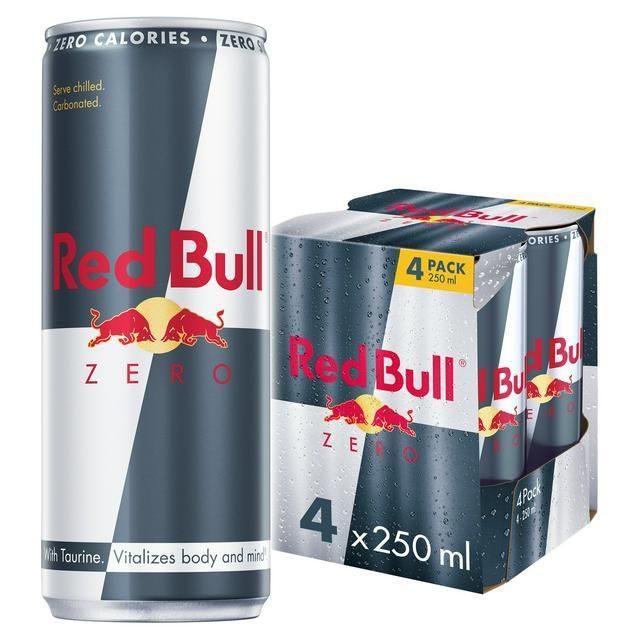
You are viewing details for Buy Red Bull at a competitive price online/Where to purchase cheap Red Bull drinks/How to order Red Bull for fast delivery/Buy Red Bull energy drinks for affordable energy boosts//Cheap Red Bull cans for immediate purchase. The information provided here is either posted directly by the supplier, who is responsible for its accuracy, or collected by Freshdi AI from publicly available sources. Freshdi strives to make product information as useful and reliable as possible, but we do not guarantee complete accuracy. If you notice any incorrect or misleading details, please use the Report Product option so our team can review and address it quickly.

3.8
Sylwia Anna (Sale/ Marketing/ Sourcing Manager)
Active
Year Established: 2018
Business type
Distributor/Wholesaler
Main Export Markets