
Share on
Minimum order quantity: 10 MT
Official List Price (Non-negotiable)
Supplier Country: Indonesia
Export market: China, Japan, South Korea, Netherlands, United Kingdom

2.9
 Indonesia
Distributor/Wholesaler, Manufacturer
Indonesia
Based on the information provided by the supplier.
 China
 Japan
 South Korea
 Netherlands
 United Kingdom
China
20%
Japan
20%
South Korea
20%
Netherlands
20%
United Kingdom
20%
Verification information
Verify phone number
Buyer Verification Team
Verify account email
By Freshdi.com
Verify business documents
Verify work email
External Validation
Company website
Supplier confirmed with Freshdi
No reviews yet
Be the first to share your experience - your feedback helps other buyers trade with confidence.
We specialize in providing high-quality Cocopeat and Cocofiber products designed to meet diverse agricultural and industrial needs. Our commitment to quality and sustainability ensures that customers receive premium natural fiber products directly sourced and processed for optimal performance.
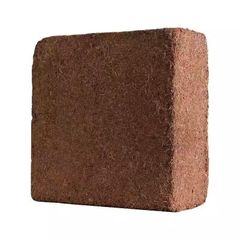
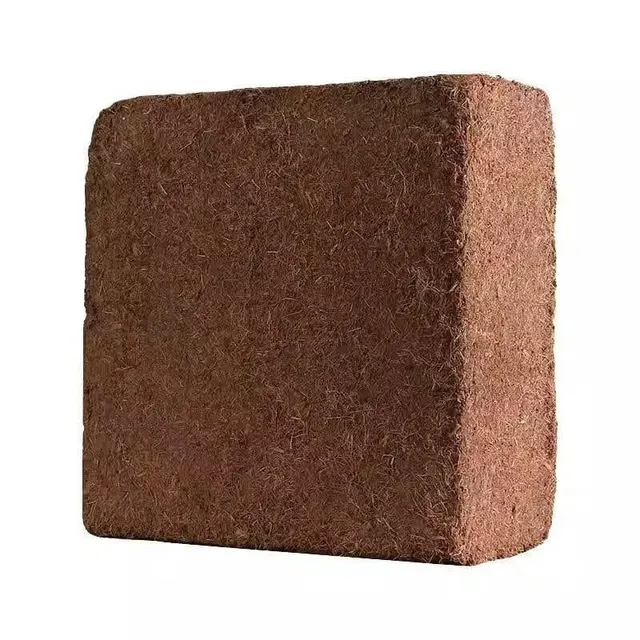
Cocopeat, also known as coir pith or coir dust, is a natural byproduct derived from the processing of coconut husks. It consists mainly of the spongy, peat-like material between the outer fibrous coir and the coconut shell. Cocopeat is widely appreciated for its excellent water retention capacity, aeration, and natural antifungal properties, making it a popular organic growing medium in horticulture, landscaping, and seed-starting applications.
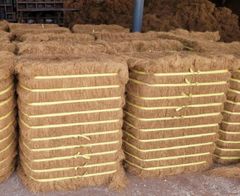
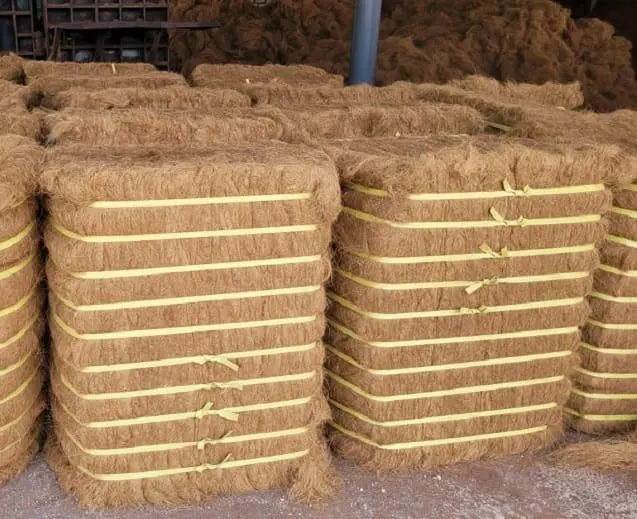
Cocofiber, extracted from the outer husk of coconuts, is a strong, coarse natural fiber commonly used in gardening, upholstery, mattress stuffing, erosion control mats, and geotextiles. The fibers provide robustness and durability to various products and lend sustainability as an alternative to synthetic fibers.
Cocopeat and cocofiber are widely utilized across agriculture, horticulture, and industrial sectors:
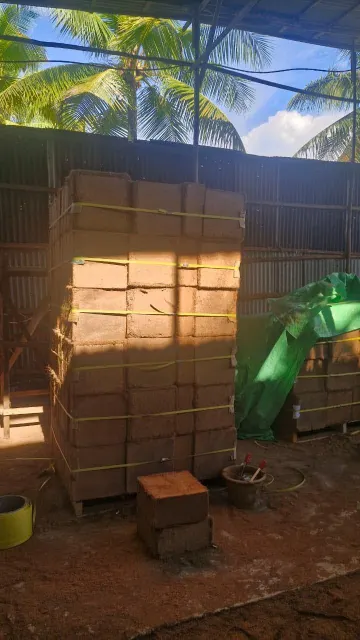
The production of cocopeat and cocofiber begins with the collection of coconut husks after harvesting coconuts for their water and flesh. The husks are soaked in water (retting) for several weeks to loosen the fibers. Subsequently, fibers are extracted either manually or mechanically. The coir fibers are separated and cleaned, while the spongy residue—the peat—is dried and pulverized to form cocopeat. For commercial use, cocopeat is often compressed into blocks or bricks for easier handling and shipping.
Suppliers adhere to strict quality criteria, including:
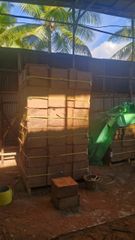
Cocopeat products are commonly shipped in compressed blocks wrapped with plastic film or shrink wrap to protect from moisture during transit. Loose cocopeat and fibers are packed in bags or bales that facilitate ease of handling and storage. Export shipments often include bulk orders palletized and containerized to optimize shipping efficiency. Proper packaging ensures product integrity from source to destination worldwide.
You are viewing details for Cocopeat & Cocofiber. The information provided here is either posted directly by the supplier, who is responsible for its accuracy, or collected by Freshdi AI from publicly available sources. Freshdi strives to make product information as useful and reliable as possible, but we do not guarantee complete accuracy. If you notice any incorrect or misleading details, please use the Report Product option so our team can review and address it quickly.
Lenny Septiani
Active
Business type
Distributor/Wholesaler, Manufacturer
Main Export Markets
As of 18 November 2026, 4 suppliers in 1 countries offer 5 active Cocopeat Powder supply listings on Freshdi. Freshdi Cocopeat Powder suppliers come from 1 countries, led by India at 100.0%, as of 18 November 2026. Compared with the previous 30 days, buyer inquiries for Cocopeat Powder on Freshdi rose 200% in the 30 days to 18 November 2026, with 69.92% volatility in monthly inquiry and quotation activity over 263 days.
Explore Cocopeat Powder market insight