Share on
80 views
8 Inquiries
23-10000 Tons
Good Price
Minimum order quantity: 1 Tons
Open to price negotiation
Supplier Country: Thailand
Export market: Afghanistan, United Arab Emirates, Saint Martin (French part), United States, United Kingdom
Key Takeaways
Freshdi AI is analyzing this product...

4.7
 Thailand
Farming / Production / Processing / Packing
43/4 Siroros Sai 2 Rd, Sateng, Mueang Yala District, Yala 95000
Avg Response Time
≤ 4 days
Response Rate
1%
Inquiry Open Rate
89%
Total inquiries received
1854
Based on the information provided by the supplier.
 Afghanistan
 United Arab Emirates
 Saint Martin (French part)
 United States
 United Kingdom
North America
29%
Western Europe
29%
Central America & Caribbean
14%
Middle East
14%
Oceania
14%
Verification information
Verify business documents
By Freshdi Verification System
Verify work email
By Freshdi.com
Verify phone number
Buyer Verification Team
Verify account email
By Freshdi.com
External Validation
Company website
Supplier confirmed with Freshdi
Company Address
Supplier confirmed with Freshdi
Business Registered ID
Supplier confirmed with Freshdi
3.0/5
2 Reviews
5
1
4
0
3
0
2
0
1
1
 Vietnam
Thailand
The best company to do business with
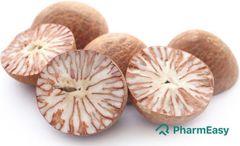
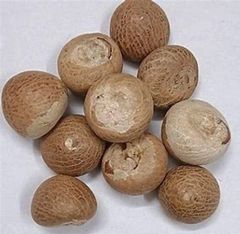
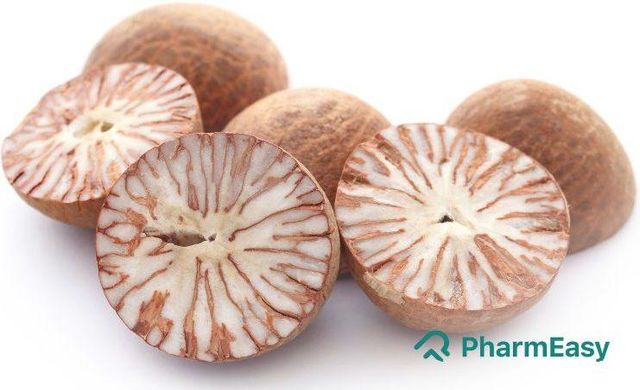
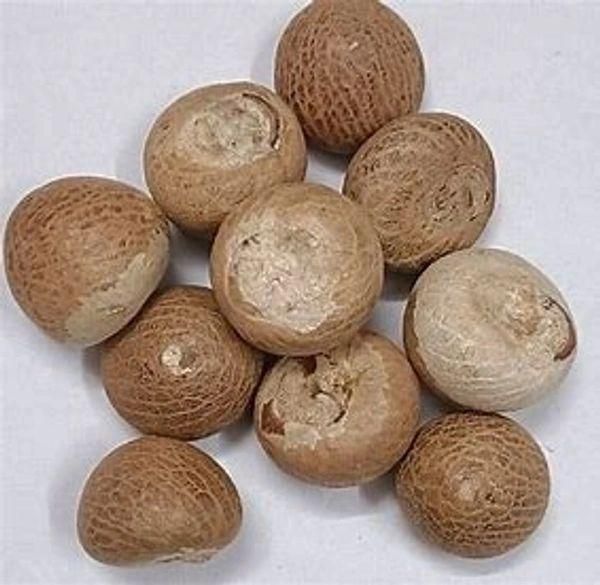
Betel nut, also referred to as areca nut, is the seed derived from the Areca palm (Areca catechu). It is primarily consumed by chewing, often in conjunction with betel leaf, and it exhibits stimulant properties akin to those of nicotine or caffeine. The nut is predominantly popular in regions including South Asia, Southeast Asia, the Pacific Islands, and parts of China.
Betel nut, also referred to as areca nut, is the seed derived from the Areca palm (Areca catechu). It is primarily consumed by chewing, often in conjunction with betel leaf, and it exhibits stimulant properties akin to those of nicotine or caffeine. The nut is predominantly popular in regions including South Asia, Southeast Asia, the Pacific Islands, and parts of China.
1. Whole Dried Betel Nut
- Typically sun-dried or mechanically dried.
- This is the most commonly exported form, widely utilized in traditional chewing practices.
2. Split Betel Nut
- These nuts are halved or quartered before the drying process.
- This format is easier to package and is particularly favored in countries like India and Bangladesh.
3. Boiled (Red) Betel Nut
- These nuts are boiled prior to drying, resulting in a reddish hue.
- They are often incorporated into chewing blends with betel leaf and lime.
4. Raw Fresh Betel Nut
- This type is less frequently exported due to its limited shelf life.
- Instead, it is usually reserved for local consumption or specialized fresh markets.
Applications of Betel Nut
Chewing and Traditional Use: Betel nut is commonly chewed with betel leaf, slaked lime, and various spices. - It is particularly popular in India, Myanmar, Sri Lanka, Taiwan, and southern China, where it acts as a mild stimulant due to the presence of arecoline.
Cultural and Religious Practices: In Hindu and Buddhist rituals, betel nut plays a significant role, often being offered during weddings and temple ceremonies.
Traditional Medicine: In both Ayurveda and traditional Chinese medicine, betel nut is utilized as a digestive aid and an anthelmintic, aimed at expelling intestinal worms.
Industrial Applications:
- Pharmaceutical Industry: Arecoline, an alkaloid extracted from betel nut, is explored for its potential in deworming medications and gastrointestinal treatments, as well as being featured in various traditional medical formulations.
- Natural Dye and Tannin Extraction: The nut and its husk are rich in tannins and pigments, which are employed in leather tanning, the production of natural fabric dyes (brown-red tone), and as coloring agents in inks.
- Pesticide and Insect Repellent Formulations: Areca nut extracts are noted for their insecticidal and anti-fungal properties, finding application in eco-friendly biopesticides, especially within organic farming contexts.
- Animal Feed (Husk Residue): Post-processing, the outer husk is often ground for use in low-grade animal feed or compost, and it may also be transformed into fiber material for soil enhancement.
- Chewing Tobacco and Pan Masala Industry: In India and Southeast Asia, processed betel nut serves as a primary ingredient in products such as gutkha, pan masala, and various betel quid formulations featuring diverse flavorings and additives.
Conclusion
Betel Nut: A Timeless Commodity of Culture, Trade, and Opportunity
Betel nut holds deep cultural, social, and economic significance across Asia and the Pacific. Celebrated for its traditional value and diverse uses, it plays a vital role in community customs, regional trade, and emerging industries. As a natural agricultural product, betel nut continues to support livelihoods, enhance local economies, and foster cross-border commerce — making it a strategic export with lasting impact and demand.
Specification
Specification
Agriculture
Shelf Life
Manufacturer
Whole Betel Nut
Ingredients
Betel Nut
Instruction for use
Chewing, Cultural Rituals, Traditional Medicine, and as a raw material in dyes, biopesticides, and pan masala products.
Place of Origin
Indonesia
Province
Propinsi Jawa Barat
Instruction for Use
Applications of Betel Nut
Chewing and Traditional Use: Betel nut is commonly chewed with betel leaf, slaked lime, and various spices. - It is particularly
popular in India, Myanmar, Sri Lanka, Taiwan, and southern China, where it acts as a mild stimulant due to the presence of
arecoline.
Cultural and Religious Practices: In Hindu and Buddhist rituals, betel nut plays a significant role, often being offered during
weddings and temple ceremonies.
Traditional Medicine: In both Ayurveda and traditional Chinese medicine, betel nut is utilized as a digestive aid and an
anthelmintic, aimed at expelling intestinal worms.
Industrial Applications:
- Pharmaceutical Industry: Arecoline, an alkaloid extracted from betel nut, is explored for its potential in deworming medications
and gastrointestinal treatments, as well as being featured in various traditional medical formulations.
- Natural Dye and Tannin Extraction: The nut and its husk are rich in tannins and pigments, which are employed in leather tanning,
the production of natural fabric dyes (brown-red tone), and as coloring agents in inks.
- Pesticide and Insect Repellent Formulations: Areca nut extracts are noted for their insecticidal and anti-fungal properties,
finding application in eco-friendly biopesticides, especially within organic farming contexts.
- Animal Feed (Husk Residue): Post-processing, the outer husk is often ground for use in low-grade animal feed or compost, and it
may also be transformed into fiber material for soil enhancement.
- Chewing Tobacco and Pan Masala Industry: In India and Southeast Asia, processed betel nut serves as a primary ingredient
You are viewing details for Dried Split Betel Nut. The information provided here is either posted directly by the supplier, who is responsible for its accuracy, or collected by Freshdi AI from publicly available sources. Freshdi strives to make product information as useful and reliable as possible, but we do not guarantee complete accuracy. If you notice any incorrect or misleading details, please use the Report Product option so our team can review and address it quickly.


4.7
Suttharak (Sale/ Marketing/ Sourcing Manager)
Active
Response Rate: 1%
Avg Response Time: ≤ 4 days
Year Established: 2020
Business type
Farming / Production / Processing / Packing
Main Export Markets