Share on
Price valid until 31 May 2026
≥ 5 Tons
≥ 10 Tons
≥ 15 Tons
Good Price
Minimum order quantity: 5 Tons
Open to price negotiation
Supplier Country: Brazil
Export market: Afghanistan, Åland Islands, Albania, Algeria, American Samoa
Key Takeaways
Freshdi AI is analyzing this product...
5.0
 Brazil
Exporter/Wholesaler, Others
R. Amauri, 515 - Jardim Europa, São Paulo - SP, 01448-000
Inquiry Open Rate
88%
Total inquiries received
367
Inquiries Read
324
Year Established
2016
Based on the information provided by the supplier.
 Afghanistan
 Åland Islands
 Albania
 Algeria
 American Samoa
Central America & Caribbean
26%
Western Europe
23%
Oceania
22%
Eastern Europe
17%
East Africa
12%
Verification information
Verify business documents
By Freshdi Verification System
Verify work email
By Freshdi.com
Verify phone number
Buyer Verification Team
Verify account email
By Freshdi.com
External Validation
Company website
Supplier confirmed with Freshdi
Company Address
Supplier confirmed with Freshdi
Business Registered ID
Supplier confirmed with Freshdi
No reviews yet
Be the first to share your experience - your feedback helps other buyers trade with confidence.
Pork is the culinary term for the meat of the domestic pig (Sus domesticus). Globally, it is the most commonly consumed livestock meat, celebrated for its rich, savory flavor profile, culinary versatility, and highly adaptable texture.
Depending on the specific cut, pork ranges in color from a pale, light pink to a deep, rose-red. Unlike beef, which remains distinctly dark red due to higher concentrations of myoglobin (the oxygen-binding protein in muscle), pork has a lower myoglobin density. This is why it is often colloquially dubbed "the other white meat"—it lightens significantly to a creamy white or light gray when cooked.
The flavor of pork is heavily driven by its fat distribution. It possesses a distinct sweetness and high levels of umami compared to poultry, but is milder and less gamey than beef or lamb. Because pig fat (lard) has a relatively low melting point, it renders beautifully during cooking, basting the meat from within and yielding an incredibly juicy mouthfeel.
A pig carcass is typically broken down into four or five primary sections, known as primal cuts. Each section has unique muscle-to-fat ratios, dictating how it should be prepared.
Running along the top spine of the animal, the loin is the source of the leanest and most tender cuts. Because these muscles do very little heavy lifting, they contain minimal connective tissue.
Located at the front of the animal, the shoulder consists of heavily worked muscles intertwined with generous marbling (intramuscular fat) and collagen (connective tissue).
The underside of the pig is the most decadent, fat-heavy section.
The hind leg of the pig is large, lean, and muscular.
Pork is a nutrient-dense protein source, though its exact macro profile depends heavily on whether you are eating a lean cut (like tenderloin) or a fatty cut (like belly).
Pork is unique in how deeply its identity is tied to charcuterie—the art of preserving meats. Because of its fat composition and response to salt, pork has been preserved for centuries across cultures. Processes like curing, smoking, air-drying, and fermenting yield vastly different products from a single animal: ground shoulder becomes salami or chorizo, belly becomes pancetta, and loin becomes canadian bacon or lomo
Food Safety Note: Historically, pork had to be cooked to well-done ($160^\circ\text{F}$ / $71^\circ\text{C}$) to prevent trichinosis, a parasitic infection. Due to modern agricultural and feeding practices, trichinosis is virtually eradicated in commercial farming. Food safety agencies (like the USDA) recommend cooking whole cuts of pork to a juicy medium-rare ($145^\circ\text{F}$ / $63^\circ\text{C}$) followed by a 3-minute rest. Ground pork should still be cooked to $160^\circ\text{F}$.
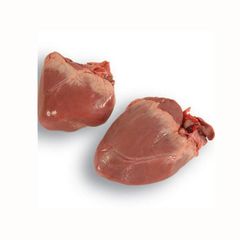
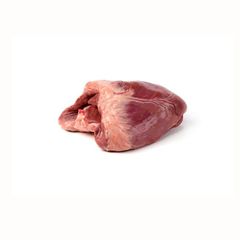
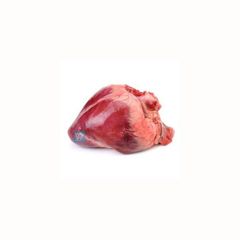
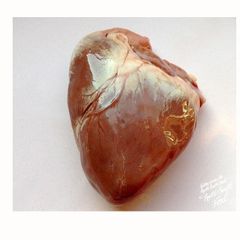
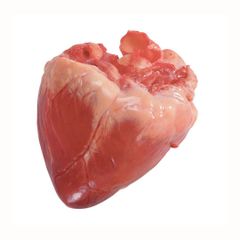
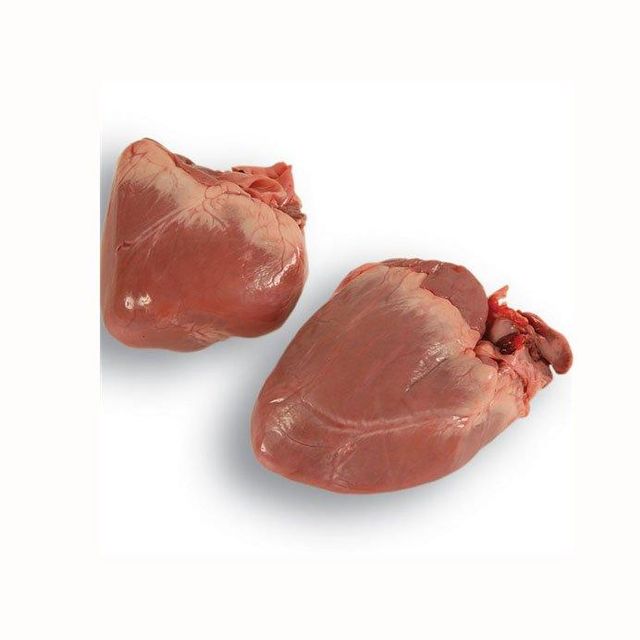
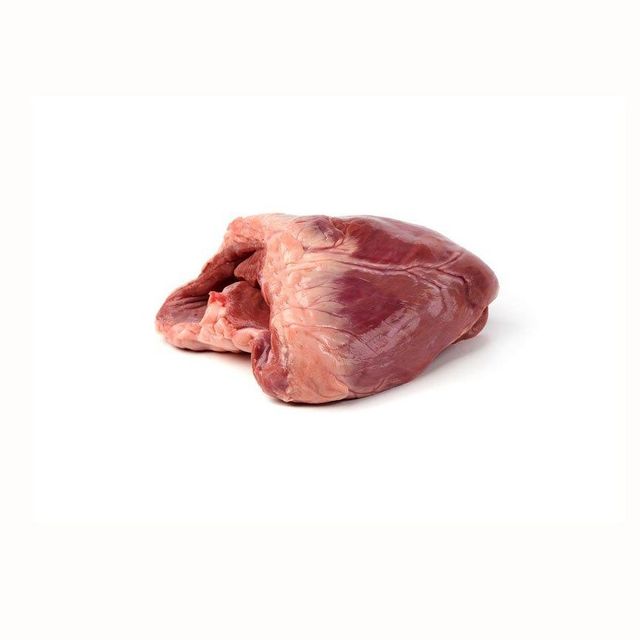
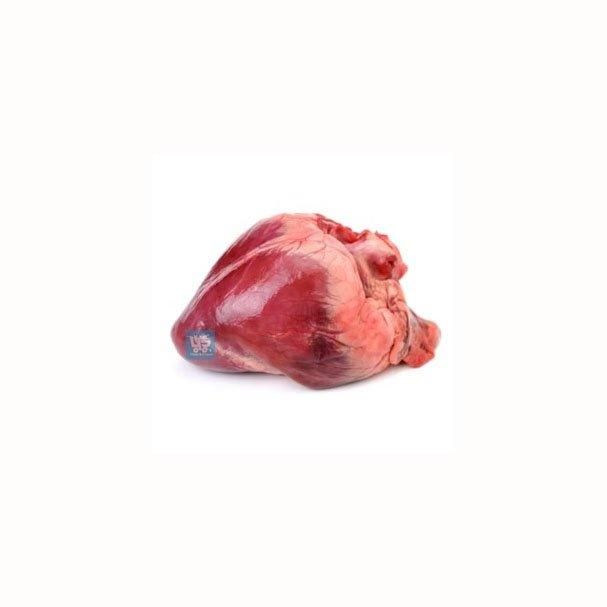
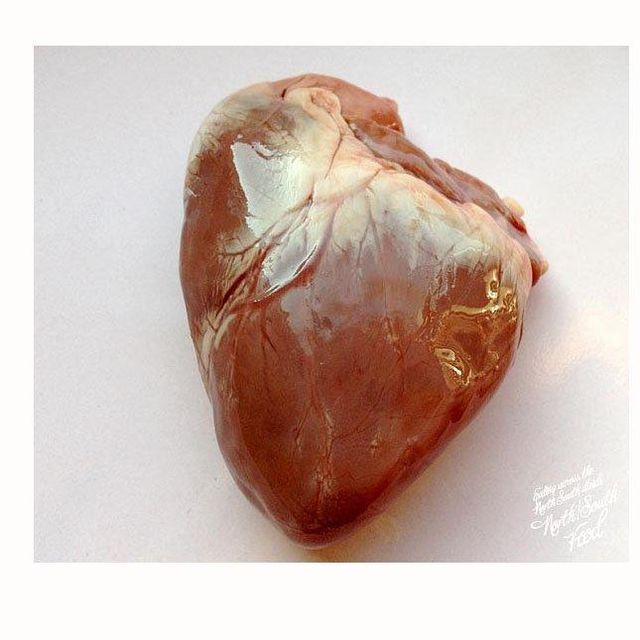
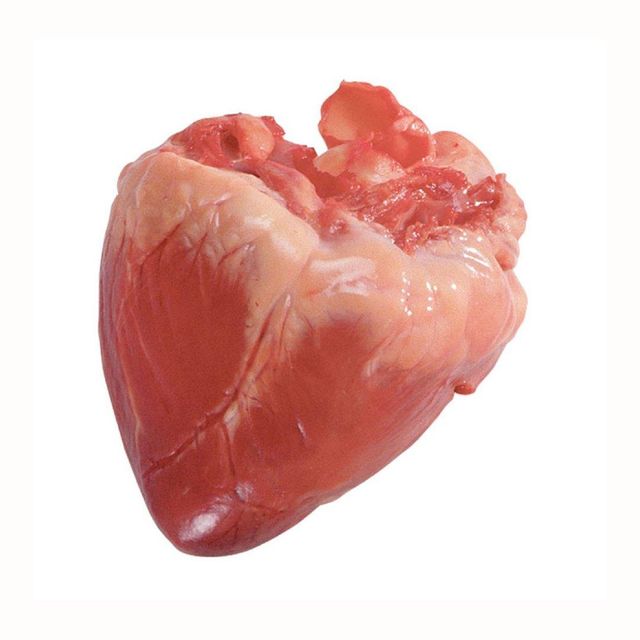
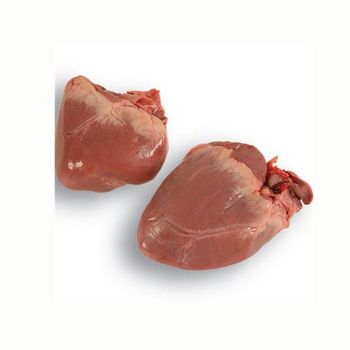
You are viewing details for Dried Wholesale Treat Manufacturer No Additives Raw Healthy Freeze-Dried Pork Heart Freeze-dried for Dogs Dried Wholesale Treat Manufacturer No Additives Raw Healthy Freeze-Dried Pork Heart Freeze-dried for Dogs Premium Quality Frozen Pork Heart Whole Frozen Pork Hearts Top Grade for Sale and Food Processing. The information provided here is either posted directly by the supplier, who is responsible for its accuracy, or collected by Freshdi AI from publicly available sources. Freshdi strives to make product information as useful and reliable as possible, but we do not guarantee complete accuracy. If you notice any incorrect or misleading details, please use the Report Product option so our team can review and address it quickly.
$1,500
/ Tons
Min. order: 5 Tons
CABROL (Founder/ Owner)
Active
Year Established: 2016
Business type
Exporter/Wholesaler, Others
Main Export Markets