
Share on
1 views
1 Inquiries
Minimum order quantity: 1 Kilogram
Open to price negotiation
Supplier Country: Kenya
Export market: Singapore, Australia, Azerbaijan, Bahrain, United Arab Emirates
Key Takeaways


5.0
 Kenya
Kenya
Agent, Distributor/Wholesaler, Trading Company
Kenya
Avg Response Time
≤ 2 days
Response Rate
8%
Inquiry Open Rate
85%
Total inquiries received
803
Based on the information provided by the supplier.
 Singapore
 Australia
 Azerbaijan
 Bahrain
 United Arab Emirates
Western Europe
33%
Eastern Europe
24%
Middle East
15%
South America
15%
Central America & Caribbean
13%
Verification information
Verify business documents
By Freshdi Verification System
Verify work email
By Freshdi.com
Verify phone number
Buyer Verification Team
Verify account email
By Freshdi.com
External Validation
Company website
Supplier confirmed with Freshdi
3.7/5
3 Reviews
5
1
4
1
3
0
2
1
1
0
 Brazil
 Netherlands
Australia
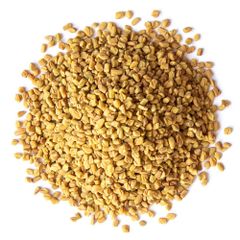
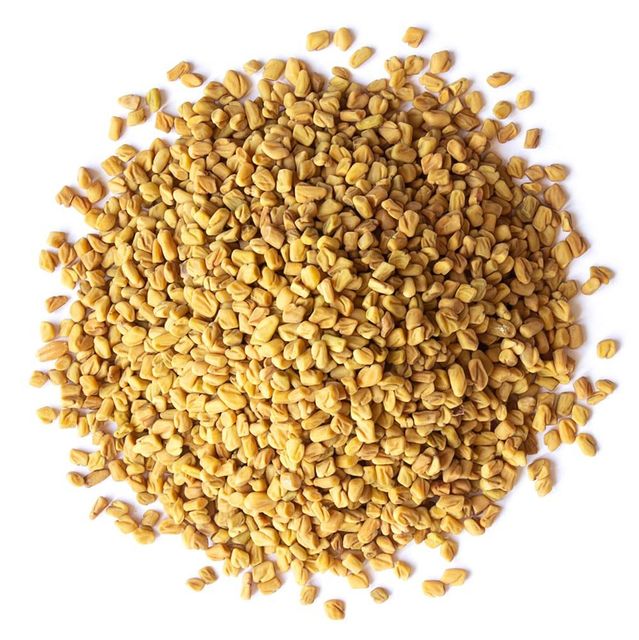
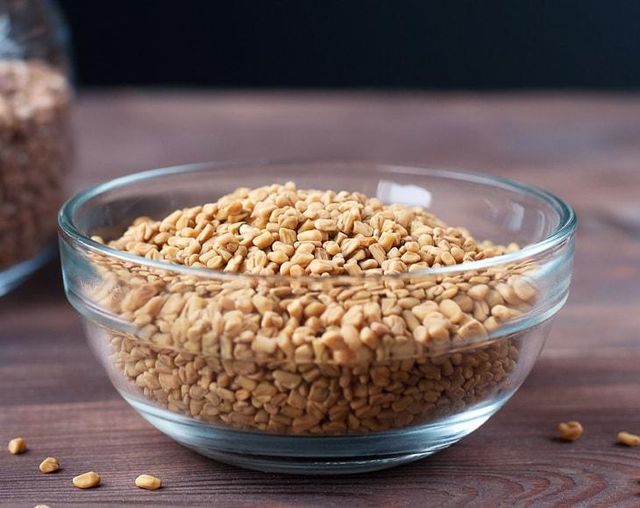
Fenugreek seeds are small, angular seeds with a yellow-brown color and a firm texture. They have a distinctive aroma and a complex flavor profile that combines slightly bitter, nutty, and subtly sweet notes. When gently heated or dry-roasted, the seeds release a warm fragrance that is often associated with traditional curry dishes.
This spice has long been used in the cuisines of the Indian subcontinent, particularly in regions near the Himalayan plains where the plant originated. Today fenugreek is cultivated in parts of Asia, southern Europe, and Africa. The seeds are commonly used whole or ground and are valued for their strong flavor, which develops further when roasted before cooking.
Fenugreek seeds naturally contain dietary fiber, including soluble fiber derived from plant polysaccharides. They also include carbohydrates and plant-based compounds typical of dried seeds. In addition, the seeds contain naturally occurring minerals such as calcium, iron, copper, potassium, selenium, zinc, manganese, and magnesium.
The seeds also contain vitamins such as vitamin A, vitamin C, and several B-complex vitamins. These nutrients occur naturally within the seed and remain present whether the seeds are used whole, ground, or sprouted.
Fenugreek seeds are widely used in savory cooking, especially in Indian cuisine where they contribute depth and aroma to curry blends and spice mixtures. The seeds are typically added in small quantities due to their naturally strong flavor. They can be used whole in simmering dishes or ground shortly before cooking to release their aroma.
For a milder flavor, the seeds are often dry-roasted in a pan before being crushed using a mortar and pestle. This technique reduces bitterness and enhances the warm, nutty qualities of the spice. Fenugreek seeds are also incorporated into spice blends and savory dishes across several regional cuisines.
Store fenugreek seeds in a cool, dry place away from direct sunlight and humidity. Keeping the seeds in an airtight container helps maintain their aroma and prevents exposure to moisture.
Whole seeds generally retain their flavor longer than ground spices. Proper storage allows the seeds to preserve their characteristic fragrance and culinary qualities over extended periods.
– Use fenugreek seeds whole in curry dishes or spice blends.
– Dry-roast the seeds in a pan before grinding to reduce bitterness and enhance flavor.
– Grind the seeds using a mortar and pestle when freshly ground spice is required.
– Fenugreek seeds can also be sprouted and used as fresh sprouts in salads or other dishes.
– To sprout at home: place about 3 tablespoons of seeds in a bowl or sprouter and add 2–3 times as much cool water (60°–70°F).
– Soak the seeds for 6–12 hours, then drain and rinse thoroughly with cool water.
– Keep the seeds in a sprouter or container at room temperature (around 70°F) and away from direct sunlight.
– Rinse and drain the seeds every 8–12 hours for approximately 3 days, ensuring thorough drainage and good air circulation.
Enjoy your homemade fenugreek sprouts!
You are viewing details for Fenugreek Seeds. The information provided here is either posted directly by the supplier, who is responsible for its accuracy, or collected by Freshdi AI from publicly available sources. Freshdi strives to make product information as useful and reliable as possible, but we do not guarantee complete accuracy. If you notice any incorrect or misleading details, please use the Report Product option so our team can review and address it quickly.
Johnson (Sale/ Marketing/ Sourcing Manager)
Active
Response Rate: 8%
Avg Response Time: ≤ 2 days
Year Established: 1998
Business type
Agent, Distributor/Wholesaler, Trading Company
Main Export Markets