
Share on
Minimum order quantity: 100 Kilogram
Open to price negotiation
Supplier Country: India
Export market: Australia, Sri Lanka, India, Central African Republic, Kenya
Key Takeaways
Freshdi AI is analyzing this product...
5.0
 India
India
Others, Service Provider
India
Avg Response Time
≤ 13h
Response Rate
50%
Inquiry Open Rate
20%
Total inquiries received
56
Based on the information provided by the supplier.
 Australia
 Sri Lanka
India
 Central African Republic
 Kenya
Kenya
South Asia
33%
Central Africa
17%
East Africa
17%
Oceania
17%
Southeast Asia
17%
Verification information
Verify business documents
By Freshdi Verification System
Verify phone number
Buyer Verification Team
Verify account email
By Freshdi.com
Verify work email
External Validation
Company website
Supplier confirmed with Freshdi
No reviews yet
Be the first to share your experience - your feedback helps other buyers trade with confidence.
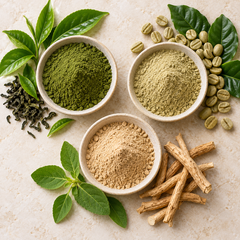
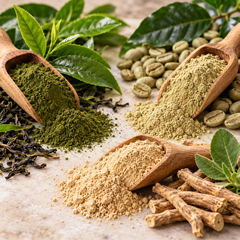
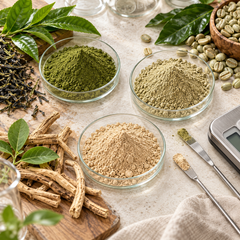
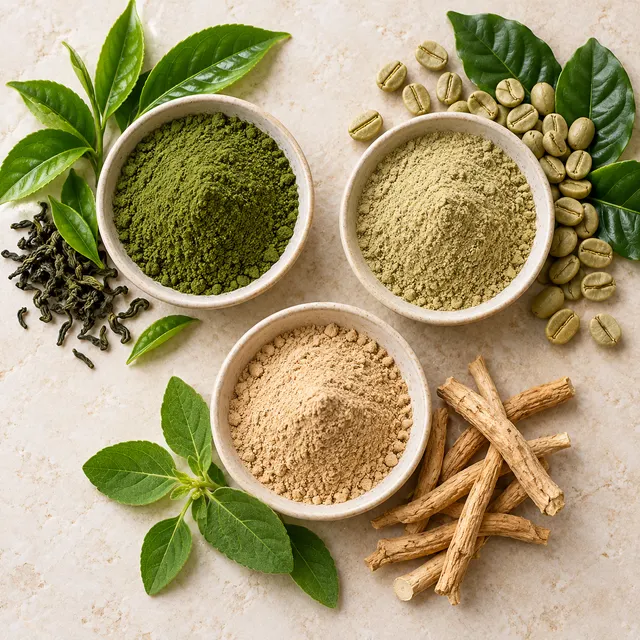
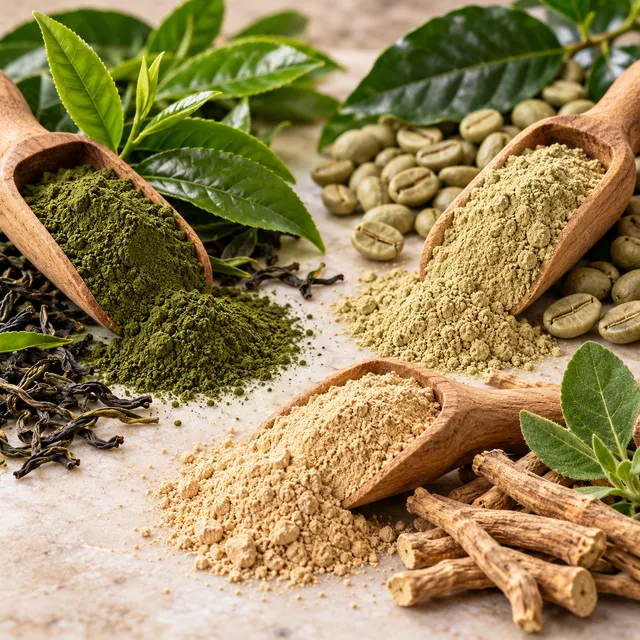
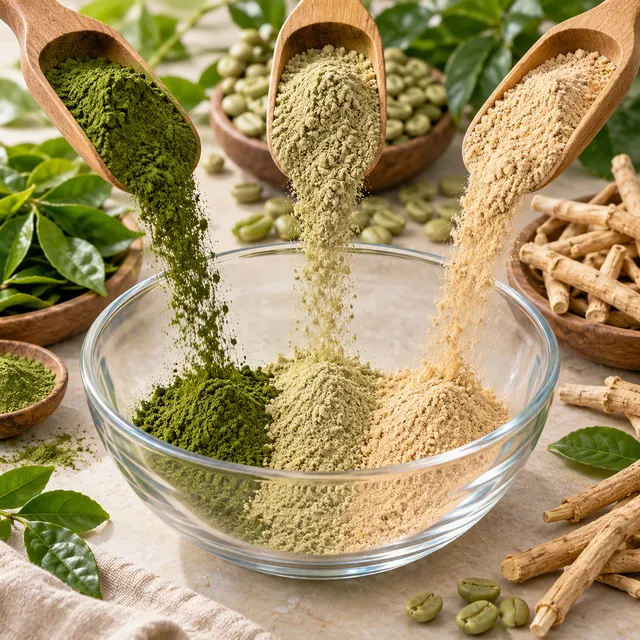
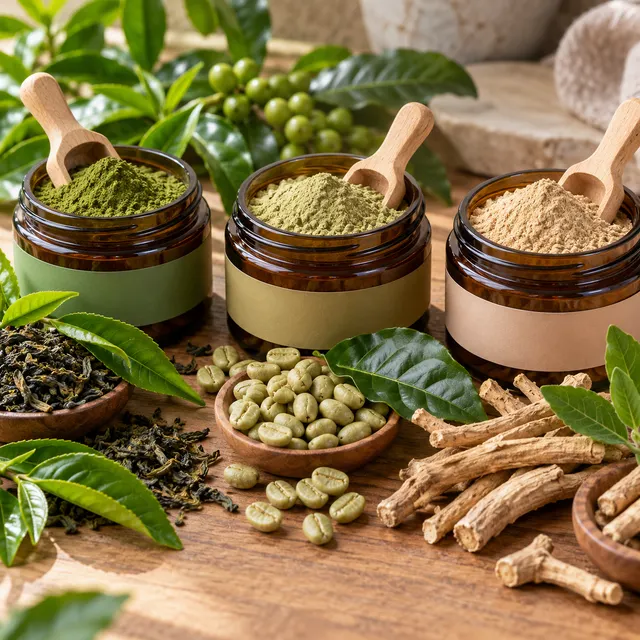
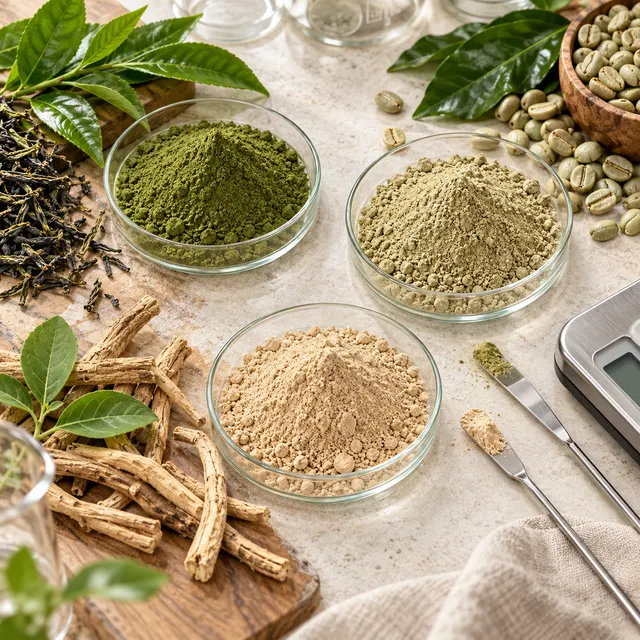
Pure Natural Herbal Extracts for Health, Wellness, and Industry Applications
Our company is dedicated to providing top-quality herbal extracts sourced from natural, sustainable farms and processed with utmost care to retain their beneficial properties. We specialize in the extraction and supply of pure herbal concentrates, serving diverse industries from supplements and pharmaceuticals to cosmetics and food products.
Herbal extracts are concentrated preparations made by extracting active phytochemicals and bioactive compounds from medicinal plants and herbs. They offer a potent and convenient way to benefit from the natural properties of botanicals in various applications, from health supplements to cosmetics and food enhancers.
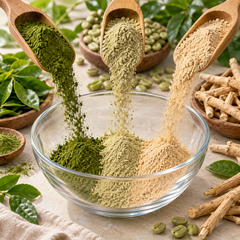
Herbal extracts typically come in forms such as liquid tinctures, powders, and standardized concentrated forms. Their quality depends on factors including the plant part used, the extraction process, and the concentration of active ingredients.
Popular herbal extracts include:
Grades of herbal extracts are often defined by active constituent concentrations, such as 10:1, 20:1 extracts (meaning 10 or 20 parts raw herb to 1 part extract), or standardized to specific active compounds like curcumin 95% or ginsenoside 80%.
Quality herbal extracts start from carefully harvested raw materials grown under ideal conditions. Harvest timing is critical to ensure maturity and maximum active content. Once gathered, herbs undergo cleaning, drying, and grinding before extraction.
Extraction methods vary, with common techniques including solvent extraction using water, ethanol, or a mix, as well as advanced supercritical CO2 extraction. Post-extraction, the product is filtered, concentrated, and sometimes standardized to ensure consistent potency.
Strict adherence to Good Manufacturing Practices (GMP) throughout the production chain helps preserve purity and efficacy of the extracts.
Herbal extracts contain a wide spectrum of bioactive compounds such as alkaloids, flavonoids, terpenoids, polyphenols, and glycosides. These compounds contribute to therapeutic effects including antioxidant, anti-inflammatory, antimicrobial, adaptogenic, and immune-modulating properties.
Depending on the herb, extracts may also provide trace nutrients such as vitamins, minerals, and essential oils. Proper extraction concentrates these beneficial constituents, optimizing their bioavailability and efficacy for consumer products.
Herbal extracts are versatile ingredients widely used across multiple industries including:
High-quality herbal extracts comply with rigorous quality standards, often certified for purity, absence of contaminants (heavy metals, pesticides, microbes), and active content. Certificates such as ISO, GMP, and sometimes organic certification are common in the industry.
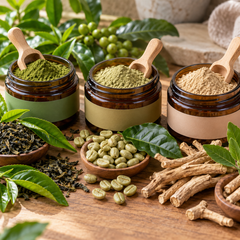
Packaging typically involves airtight, moisture-proof containers like aluminum foil bags, glass bottles, or HDPE jars to preserve extract stability during storage and shipment. Bulk exports are usually packed in fiber drums with inner liners for larger quantities.
You are viewing details for Herbal extracts. The information provided here is either posted directly by the supplier, who is responsible for its accuracy, or collected by Freshdi AI from publicly available sources. Freshdi strives to make product information as useful and reliable as possible, but we do not guarantee complete accuracy. If you notice any incorrect or misleading details, please use the Report Product option so our team can review and address it quickly.
Sunil Kumar O G (Founder/ Owner)
Active
Response Rate: 50%
Avg Response Time: ≤ 13h
Business type
Others, Service Provider
Main Export Markets

