

Share on
22 views
Minimum order quantity: 50 Tons
Open to price negotiation
Supplier Country: Nigeria
Export market: China, Benin, Burkina Faso, Cameroon, Chad
Key Takeaways

3.1
 Nigeria
Agent, Other
Nigeria
Total inquiries received
9
Based on the information provided by the supplier.
 China
 Benin
 Burkina Faso
 Cameroon
 Chad
West Africa
50%
Central Africa
20%
East Asia
10%
North Africa
10%
North America
10%
Verify phone number
Buyer Verification Team
Verify account email
By Freshdi.com
Verify business documents
Verify work email
No reviews yet
Be the first to share your experience - your feedback helps other buyers trade with confidence.
Our company is devoted to offering high-quality hibiscus products sourced from the finest growers. We focus on ensuring purity, freshness, and natural goodness in every product we supply. Dedicated to quality and customer satisfaction, we strive to provide hibiscus goods that meet international standards.
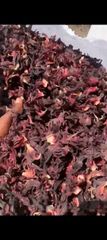
Hibiscus refers to flowering plants belonging to the genus Hibiscus in the mallow family, Malvaceae. Among several species, Hibiscus sabdariffa (roselle) is the most commonly commercially cultivated for its edible calyces used in food and drink.
Hibiscus calyces are known for their vibrant red color, tart flavor, and rich nutritional profile. They are celebrated around the world for their versatility and health benefits.
The main variety traded is roselle (Hibiscus sabdariffa), typically graded by:
Grades vary based on color uniformity, absence of stems and seeds, moisture content (usually below 12%), and foreign matter.
Hibiscus calyces are rich in natural antioxidants such as anthocyanins, which give them their iconic red color. They contain significant amounts of vitamin C, organic acids, and flavonoids, contributing to their health benefits. Typical characteristics include:
These properties make hibiscus products widely appreciated in natural health and wellness products.
Hibiscus is a versatile ingredient used across multiple industries and culinary traditions, including:
Hibiscus harvesting is typically done when calyces fully develop after flowering. The process involves:
Quality standards emphasize purity, consistent color, moisture content, and free from contaminants. Hibiscus products must be properly tested for:
Packaging often involves moisture-proof materials such as laminated foil bags, vacuum sealing, or food-safe containers to protect freshness during export and storage.
Hibiscus products are widely exported globally, especially from African and Asian countries where roselle is extensively cultivated. The products cater to international markets demanding natural herbal infusions and ingredients.
Typical export quantities range from small retail packs to bulk shipments in 50–100 kg sacks or larger containers. Proper documentation and adherence to phytosanitary regulations are critical for smooth trade operations.
You are viewing details for Hibiscus. The information provided here is either posted directly by the supplier, who is responsible for its accuracy, or collected by Freshdi AI from publicly available sources. Freshdi strives to make product information as useful and reliable as possible, but we do not guarantee complete accuracy. If you notice any incorrect or misleading details, please use the Report Product option so our team can review and address it quickly.
3.1
Hassan Gambo saleh (Founder/ Owner)
Active
Business type
Agent, Other
Main Export Markets