
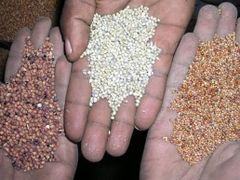
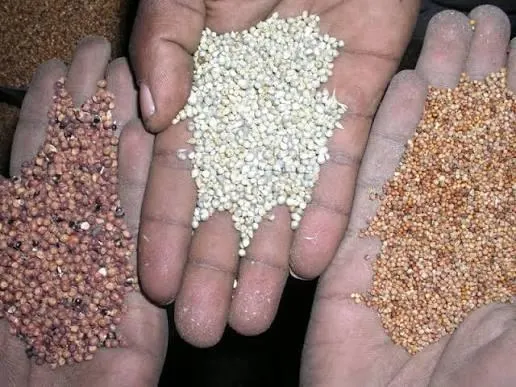
Millet – product photo 1, product detail gallery
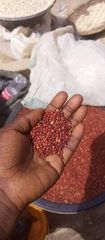
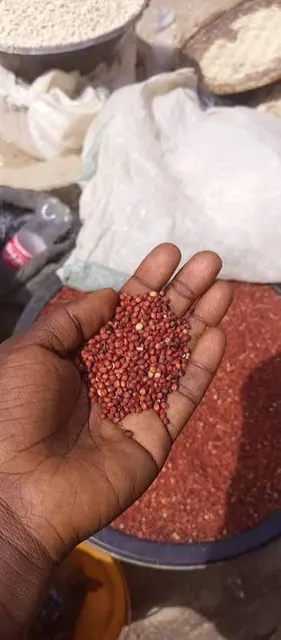
Millet – product photo 2, product detail gallery
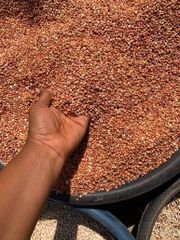
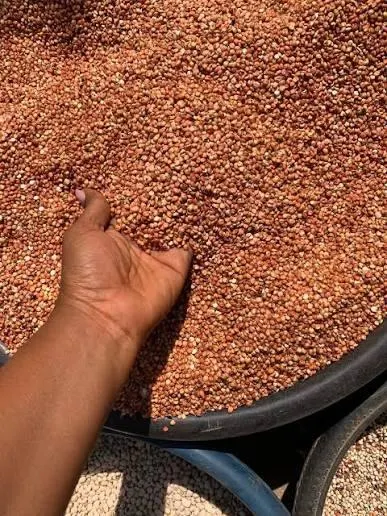
Millet – product photo 3, product detail gallery
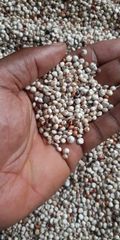
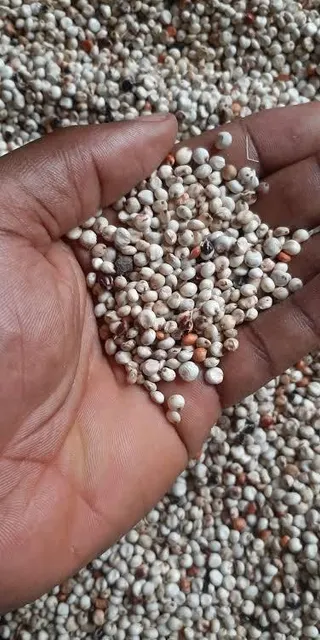
Millet – product photo 4, product detail gallery
Millet – product photo 1, product detail gallery
Millet – product photo 2, product detail gallery
Millet – product photo 3, product detail gallery
Millet – product photo 4, product detail gallery

Millet


$1/MT
In stock
Price badge

Good Price

Millet exported by AJ Capital Resources from Nigeria provides a sourcing opportunity with pricing below market expectations by 100%.

Minimum order quantity: 1 MT

Open to price negotiation

Supplier Country: Nigeria

Export market: China, India


Harvesting Duration:

70 To 90 Days

Payment Term:

D/P, L/C

Trade Term:

CIF, FOB

Port Of Loading:

Lagos, Nigeria, Ng (LOS)

Product Specifications

Minimum Order Quantity:

1 MT

Harvesting Duration:

70 To 90 Days

Grain Varieties:

Barnyard Millet, Foxtail Millet, Pearl Millet, Kodo Millet, Littleneck Millet

Labeling Information:

Batch Number, Grade, Origin, And Nutritional Information

Trade Term:

CIF, FOB

Primary Applications:

Cooked Like Rice Or Porridge, Used In Flatbreads, Pancakes, Soups, Flour Production For Gluten-free Baking, Beverages (fermented), Animal Feed, Health Foods Such As Multi-grain Cereals And Snack Bars

Payment Term:

D/P, L/C

Packaging Materials:

Food-grade Polypropylene Or Jute Bags For Bulk, Vacuum-sealed Pouches Or Laminated Bags For Retail

Features:

Gluten-Free, Organic

Gluten Status:

Gluten-free

Purity:

Graded Based On Purity, Grain Size, Moisture Content, And Color

Harvest Maturity Indicator:

Grains Harden And Dry

Nutritional Composition:

High In Dietary Fiber, Rich In Magnesium, Phosphorus, Iron, B-complex Vitamins Including Niacin, B6, And Folic Acid, Good Source Of Plant-based Protein

Port Of Loading:

Lagos, Nigeria, Ng (LOS)

Glycemic Index:

Low

Quality Testing:

Moisture Content, Aflatoxins, Mycotoxins, And Pesticide Residues

Storage Requirements:

Moisture-proof Packaging, Well-drained Storage Environment

Harvesting Season:

Onset Of Monsoon Or Dry Seasons Depending On Variety

Moisture Content:

Optimal Level Of ~12%% After Drying

Processing Steps:

Threshing, Cleaning, Drying, Grading, Packaging

Color:

Varies By Variety

Growing Conditions:

Well-drained Soil, Can Grow In Poor Fertility Environments

Form:

Whole Grain

Texture:

Whole Grain Or Flour

Verification level 2

2.9

Nigeria – country flag, supplier location, product detail supplier profileNigeria

Agent, Business Service, Trading Company

Nigeria

Activity signals

Total inquiries received

18

Export Markets

Based on the information provided by the supplier.

China – country flag, main market, main markets insightChina

India – country flag, main market, main markets insightIndia

East Asia

50%

South Asia

50%

Verification information

Verify phone number

Buyer Verification Team

Verify account email

By Freshdi.com

Verify business documents

Verify work email

Reviews of this Product

No reviews yet

Be the first to share your experience - your feedback helps other buyers trade with confidence.

Product descriptions from the supplier

Premium Millet Products

Explore our selection of high-quality millet, a nutritious and versatile cereal grain cultivated for centuries. Perfect for health-conscious consumers and culinary professionals alike, millet products provide exceptional nutritional benefits and diverse applications.

About Our Company

Our company is dedicated to sourcing and supplying the finest millet products available in the market. We focus on delivering quality grains that meet rigorous standards to ensure customer satisfaction and sustainable agricultural practices.
Product Gallery

About Millet

Millet refers to a group of small-seeded grasses commonly grown around the world as cereal crops or grains for fodder and human consumption. It is known for its resilience to harsh climatic conditions and is a staple food in many regions, especially in Asia and Africa.

Common Varieties and Grades

There are several varieties of millet cultivated globally, including but not limited to:

  • Barnyard Millet: Known for fast growth and drought resistance.
  • Foxtail Millet: One of the oldest cultivated varieties, rich in fiber.
  • Pearl Millet: A staple in arid and semi-arid regions, excellent nutritional profile.
  • Kodo Millet: Valued for its antioxidant properties and gluten-free nature.
  • Littleneck Millet: Typically consumed as a whole grain or flour.

Millets are graded based on purity, grain size, moisture content, and color to meet export and quality standards.

Nutritional & Technical Properties

Millet is prized for its nutritional richness, offering a range of healthy components:

  • High in dietary fiber which aids digestion and promotes gut health.
  • Rich in essential minerals such as magnesium, phosphorus, and iron.
  • Containing B-complex vitamins, including niacin, B6, and folic acid.
  • Gluten-free, making it an excellent alternative for those with gluten intolerance.
  • Low Glycemic Index, beneficial for blood sugar management.
  • Good source of plant-based protein supporting muscle repair and growth.

Common Uses and Applications

Millet is versatile and can be used in various culinary and industrial ways, including:

  • Food Products: Cooked like rice or porridge, used in flatbreads, pancakes, and soups.
  • Flour Production: Ground millet flour is used in baking gluten-free goods such as bread and cakes.
  • Beverages: Fermented to produce traditional drinks and alcoholic beverages in some cultures.
  • Animal Feed: Incorporated into feed for poultry and livestock.
  • Health Foods: Included in multi-grain cereals, snack bars, and baby foods.

Harvesting and Production Process

Millet is usually sown during the onset of monsoon or in dry seasons depending on the variety. It requires well-drained soil and can grow in poor fertility environments. After about 70 to 90 days, the millet is harvested at maturity when the grains harden and dry. The harvested millet undergoes:

  • Threshing: Separation of grain from stalk and chaff.
  • Cleaning: Removal of impurities such as stones, dust, and broken grains.
  • Drying: Further drying to achieve optimal moisture level (~12%) for storage.
  • Grading: Sorting based on size, color, and quality parameters.
  • Packaging: Packed in moisture-proof bags or sacks to maintain freshness during transport and storage.

Quality and Packaging Standards

Maintaining high quality millet involves strict adherence to international food safety and quality control standards. Millets are often tested for moisture content, aflatoxins, mycotoxins, and pesticide residues before export. Packaging typically involves:

  • Food-grade polypropylene or jute bags for bulk shipments.
  • Vacuum-sealed pouches or laminated bags for retail consumer packaging.
  • Labels indicating batch number, grade, origin, and nutritional information.

Proper packaging is essential to preserve grain integrity, extend shelf life, and facilitate safe global trade.

You are viewing details for Millet. The information provided here is either posted directly by the supplier, who is responsible for its accuracy, or collected by Freshdi AI from publicly available sources. Freshdi strives to make product information as useful and reliable as possible, but we do not guarantee complete accuracy. If you notice any incorrect or misleading details, please use the Report Product option so our team can review and address it quickly.

Contact this Supplier

Verification level 2

Adio J. Olamilekan (Founder/ Owner)

Active

Business type

Agent, Business Service, Trading Company

Main Export Markets

Millet Rice market insight

Across Grains, the wider group Millet Rice belongs to, Freshdi lists 17 active supply listings from 15 suppliers in 8 countries, as of 16 November 2026. Millet Rice belongs to Grains, whose suppliers on Freshdi come from 8 countries, led by India at 26.7%, as of 16 November 2026. Buyer inquiry volume across Grains, the wider group Millet Rice belongs to, rose 85.1% on Freshdi in the 30 days to 16 November 2026 against the 30 days before, with 90.86% volatility in monthly inquiry and quotation activity over 336 days.