
Share on
5 views
Negotiable
Minimum order quantity: 1
Open to price negotiation
Supplier Country: China
Export market: Malaysia, Thailand, Philippines, South Africa
Key Takeaways
Freshdi AI is analyzing this product...
2.9
 China
China
China
Inquiry Open Rate
100%
Total inquiries received
12
Inquiries Read
12
Based on the information provided by the supplier.
 Malaysia
 Thailand
 Philippines
 South Africa
Southeast Asia
75%
Southern Africa
25%
Verify phone number
Buyer Verification Team
Verify account email
By Freshdi.com
Verify business documents
Verify work email
No reviews yet
Be the first to share your experience - your feedback helps other buyers trade with confidence.
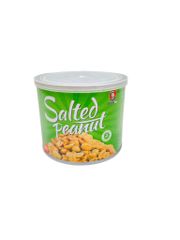
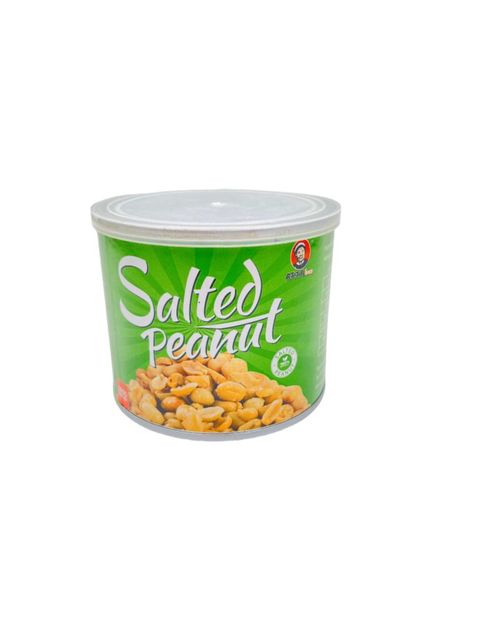
New Style 185g Tin Salted Peanut is a ready-to-eat, pre-packaged snack made from roasted peanuts that have been salted and seasoned to enhance flavor. The product is typically stored in a sealed tin to preserve freshness, protect from moisture, and maintain flavor integrity. The 185g size offers a balanced portion suitable for individual consumption or as a convenient on-the-go snack.
Salting and seasoning methods can vary, resulting in different flavor profiles. Common varieties include mild salt, light sea salt, or a blend with a touch of garlic or chili. The quality of the peanuts is typically graded based on size uniformity, color, texture, and absence of defects such as mold or insect damage. Grade A peanuts are generally preferred for premium packaging due to their consistent size and superior taste.
The peanuts are usually roasted at controlled temperatures to achieve a rich, nutty aroma and a slightly crisp texture. The salt content typically ranges between 2% to 4% by weight, providing a savory taste without being overly salty. The tin packaging is made of food-grade steel, which helps prevent oxidation and maintains freshness for up to 12–18 months when stored in a cool, dry place.
Per 100g, salted peanuts contain approximately 550–600 kcal, 28–32g of fat (mostly unsaturated), 20–25g of protein, and 15–20g of carbohydrates. They are a good source of dietary fiber, vitamin E, and magnesium. The high protein and healthy fat content make them a nutritious snack option. The tin packaging ensures protection from light and moisture, preserving nutritional value and shelf life.
Peanuts are cultivated in warm, well-drained soils, primarily in tropical and subtropical regions. After harvesting, they are dried to reduce moisture content, then cleaned and sorted. The peanuts are roasted in industrial ovens, then salted and cooled. The final product is packed in tins under controlled conditions to ensure consistency and safety. Quality control checks are performed at each stage to ensure compliance with food safety standards.
Salting peanuts is a traditional snack in many Asian and African cuisines. The 185g tin format is ideal for home consumption, office snacks, school meals, or as a component in ready-to-eat snack mixes. It is also used in vending machines, retail displays, and as a component in snack bars or meal kits. The tin format is especially popular in markets where portability and shelf stability are important.
The 185g tin is a standard size in international snack trade, offering a balance between portion size and cost efficiency. The tin is typically sealed with a tamper-evident lid and may include a printed label with nutritional information, country of origin, and ingredient list. Export markets include Southeast Asia, the Middle East, and parts of Europe and Africa, where demand for ready-to-eat, shelf-stable snacks is growing.
Quality standards for salted peanuts are often aligned with international food safety regulations such as HACCP, ISO 22000, or local food hygiene codes. Key quality indicators include absence of foreign matter, uniform color, proper salt distribution, and no rancidity. The tin must be free from leaks and properly sealed to prevent contamination.
You are viewing details for New Style 185g Tin Salted Peanut. The information provided here is either posted directly by the supplier, who is responsible for its accuracy, or collected by Freshdi AI from publicly available sources. Freshdi strives to make product information as useful and reliable as possible, but we do not guarantee complete accuracy. If you notice any incorrect or misleading details, please use the Report Product option so our team can review and address it quickly.