
Share on
35 views
16 Inquiries
Good Price
Minimum order quantity: 1 MT
Open to price negotiation
Supplier Country: Kenya
Export market: Venezuela, Bolivarian Republic of, Bahrain, Argentina, Austria, United States
Key Takeaways
Freshdi AI is analyzing this product...

5.0
 Kenya
Kenya
Manufacturer, Trading Company
Wood Avenue, Adlife Plaza, Kilimani Road P.O Box :, Nairobi, Nairobi City, Kenya, +254
Avg Response Time
≤ 12h
Response Rate
20%
Inquiry Open Rate
69%
Total inquiries received
610
Based on the information provided by the supplier.
 Venezuela, Bolivarian Republic of
 Bahrain
 Argentina
 Austria
 United States
South America
50%
Middle East
25%
Western Europe
25%
Verification information
Verify business documents
By Freshdi Verification System
Verify phone number
Buyer Verification Team
Verify account email
By Freshdi.com
Verify work email
External Validation
Company website
Supplier confirmed with Freshdi
Company Address
Supplier confirmed with Freshdi
No reviews yet
Be the first to share your experience - your feedback helps other buyers trade with confidence.
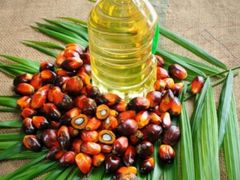
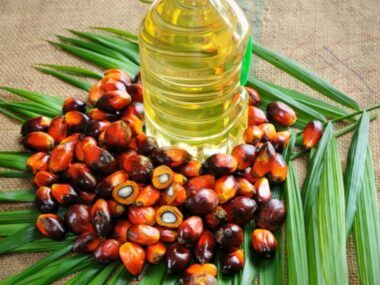
Palm oil is one of the most widely used vegetable oils globally, particularly in the cooking oil category. It is valued for its high yield, stability at high temperatures, and favorable cost-to-performance ratio. In cooking, palm oil is commonly used in frying, baking, and sautéing due to its high smoke point—typically ranging from 230°C to 240°C (446°F to 464°F)—which makes it suitable for high-heat cooking without breaking down into harmful compounds.
It is especially popular in tropical regions and in countries with large populations of consumers who rely on affordable, long-lasting cooking oils. Its versatility allows it to be used in both refined and unrefined forms, with refined palm oil being preferred in commercial food production for its neutral flavor and clean appearance.
Palm oil is categorized into different grades based on refining processes and physical properties:
These grades differ in their chemical composition, color, and sensory characteristics, which influence their suitability for specific culinary applications.
Palm oil is derived from the fruit of the oil palm tree (Elaeis guineensis), primarily cultivated in tropical regions such as Malaysia, Indonesia, and parts of Africa.
The harvesting process involves collecting the fruit bunches, which are then processed to extract the oil. The fruit is crushed to separate the pulp and kernel, and the kernel is pressed or extracted using mechanical or solvent-based methods. The crude palm oil is then refined through bleaching and deodorization to produce RBD palm oil suitable for food use.
Modern production facilities emphasize efficiency and sustainability, with many operations adopting best practices to minimize environmental impact and ensure responsible land use.
Palm oil has a unique fatty acid profile, containing approximately:
This composition contributes to its stability and resistance to oxidation, making it ideal for long-term storage and high-temperature cooking. It also contains natural antioxidants such as vitamin E, which help preserve quality during processing and storage.
While saturated fats have been historically associated with health concerns, recent research suggests that the saturated fats in palm oil are not inherently harmful when consumed in moderation and are part of a balanced diet.
Palm oil is used across a wide range of food products, including:
Its high yield—up to 40% oil from a single fruit bunch—makes it more efficient than other vegetable oils like soybean or sunflower oil, contributing to its widespread adoption in food manufacturing.
Quality control in palm oil is governed by international standards such as those from the International Olive Oil Council (IOOC), the International Food Standard (IFS), and the Global G.A.P. standards. Key quality parameters include:
These standards ensure consistency, safety, and performance in both food and industrial applications.
Palm oil is typically packaged in a range of formats to suit different market needs:
It is exported globally, with major markets in Asia, Europe, Africa, and the Middle East. Trade is often conducted through international commodity platforms and food supply chains, with demand driven by population growth, urbanization, and rising consumption of processed foods.
Our company provides high-quality palm oil products specifically tailored for the cooking oil category. We offer a range of refined and unrefined palm oil variants to meet diverse culinary and industrial needs. All products are sourced from reputable suppliers and meet international food safety and quality standards.
You are viewing details for Palm Oil. The information provided here is either posted directly by the supplier, who is responsible for its accuracy, or collected by Freshdi AI from publicly available sources. Freshdi strives to make product information as useful and reliable as possible, but we do not guarantee complete accuracy. If you notice any incorrect or misleading details, please use the Report Product option so our team can review and address it quickly.


5.0
Georges (Founder/ Owner)
Active
Response Rate: 20%
Avg Response Time: ≤ 12h
Year Established: 2004
Business type
Manufacturer, Trading Company
Main Export Markets
