Share on
8 views
2 Inquiries
Price valid until 22 Nov 2024
10-25 MT
Minimum order quantity: 1 MT
Open to price negotiation
Supplier Country: Poland
Export market: Albania, Armenia, Austria, Australia, Antigua and Barbuda
Key Takeaways
Freshdi AI is analyzing this product...

3.6
 Poland
Distribution / Wholesale
Ul. Strzelców Bytomskich 4, 44-109 Gliwice
Inquiry Open Rate
45%
Total inquiries received
806
Inquiries Read
366
Year Established
2018
Based on the information provided by the supplier.
 Albania
 Armenia
 Austria
 Australia
 Antigua and Barbuda
Western Europe
39%
Eastern Europe
31%
Central America & Caribbean
13%
East Asia
9%
Middle East
7%
Verification information
Verify business documents
By Freshdi Verification System
Verify work email
By Freshdi.com
Verify account email
By Freshdi.com
Verify phone number
External Validation
Company Address
Supplier confirmed with Freshdi
Business Registered ID
Supplier confirmed with Freshdi
No reviews yet
Be the first to share your experience - your feedback helps other buyers trade with confidence.
Lard oil is derived from lard, which is fat from pigs that has been rendered or melted down. It has been a significant component in various industries and applications for centuries. From lubrication and metalworking to soap making and even as a lamp fuel, lard oil’s role in human history underscores its versatility and value. This essay explores the history, extraction process, uses, benefits, and challenges associated with lard oil.
The use of animal fats dates back to ancient times. Lard, specifically, has been used in cooking, lighting, and as a lubricant for many centuries. During the 19th century and the early part of the 20th century, lard oil was particularly valued for its lubricating properties, especially in industrial settings. Before the widespread adoption of petroleum-based lubricants, animal-derived oils like lard oil were critical to the smooth operation of machinery.
In addition, lard oil served as an essential component of oil lamps. While whale oil and vegetable oils were also used as lamp fuels, lard oil was often preferred due to its relatively lower cost and good burning characteristics.
Lard oil is produced through a process known as rendering, where the fat from pigs is melted to separate the solid and liquid components. This process can be carried out using dry or wet methods:
Dry rendering involves heating the fatty tissues without the addition of water. This process relies on the moisture present within the fat itself. As the fat melts, it is separated from any residual solid matter, which is then pressed to extract the remaining oil. The product is then refined to produce lard oil.
Wet rendering involves boiling the fatty tissues in water or steam, which helps extract the fat while minimizing the risk of burning. The resulting mixture is then allowed to cool, and the fat separates from the water due to its lower density. This process often results in a higher-quality product since it prevents the fat from becoming overly oxidized.
After rendering, lard oil can be refined further through processes such as filtration, bleaching, and deodorization to remove impurities, improve its color and odor, and make it suitable for various applications.
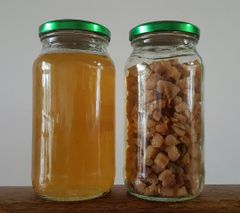
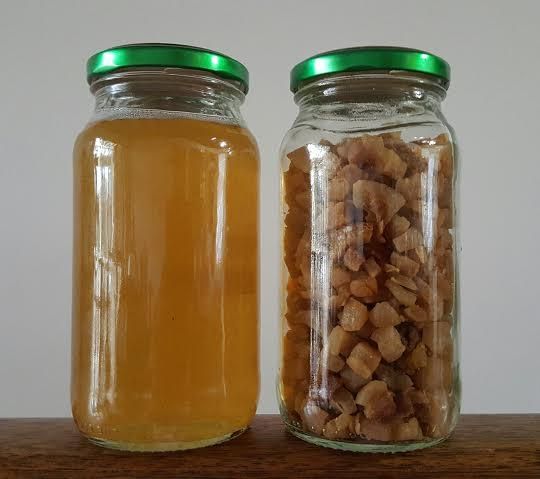
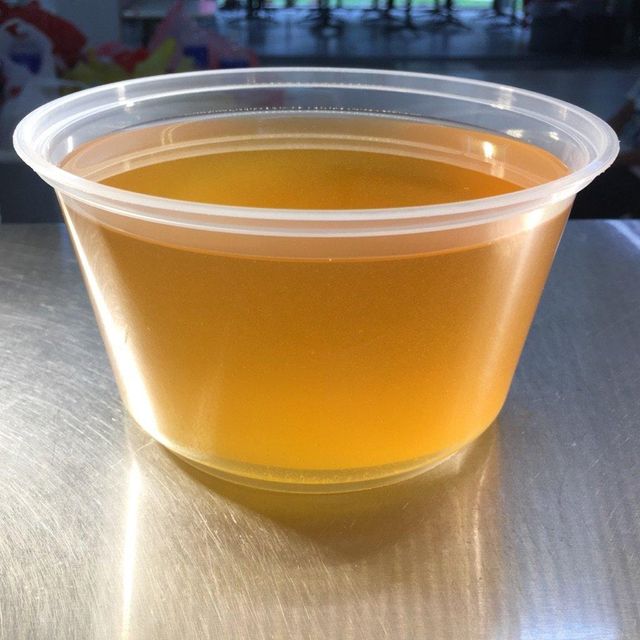
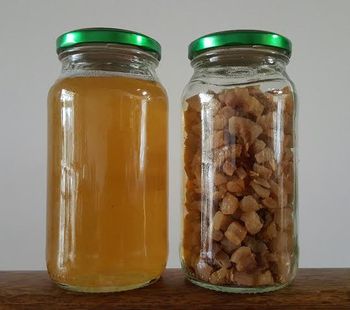
Lard oil is a pale yellow to clear liquid at room temperature, with a consistency similar to that of vegetable oils. It possesses a mild odor and can solidify at lower temperatures due to its saturated fat content.
Chemical Composition:
Lard oil consists mainly of triglycerides, which are molecules made up of three fatty acids and glycerol. The fatty acid composition of lard oil can vary depending on the diet and breed of the pigs from which it is derived. It typically contains a combination of saturated, monounsaturated, and polyunsaturated fats, with oleic acid being the predominant monounsaturated fatty acid.
Physical Properties:
Historically, lard oil found applications across a wide range of industries. Some of its main uses are detailed below:
Before modern synthetic lubricants became widespread, lard oil was a preferred choice for lubricating machinery, particularly in the textile and metalworking industries. Its natural viscosity and stability made it ideal for use in high-speed spindles and precision tools.
In metalworking, lard oil was mixed with other oils to create cutting fluids, which reduced friction and heat during machining operations such as drilling, turning, and milling. Its lubricating properties also improved the surface finish of metals.
Lard oil was a common fuel for oil lamps, especially during the 18th and 19th centuries. Although less popular today due to the prevalence of electricity and petroleum-based fuels, it remains an example of how animal-derived oils were integral to early lighting technologies.
Lard oil can be used as a base ingredient in soap making. The triglycerides in lard undergo a chemical reaction known as saponification when combined with an alkali, resulting in soap and glycerin. Lard-based soaps produce a creamy lather and are often favored for their moisturizing properties.
In addition to its use as a standalone lubricant, lard oil can be blended with other animal or vegetable fats to create greases and tallows used in heavy industrial equipment. These greases often possess superior lubricating properties due to their ability to withstand pressure and reduce metal wear.
In recent years, the use of lard oil in industrial applications has diminished due to the availability of cheaper and more efficient alternatives derived from petroleum and synthetic sources. However, lard oil is still used in niche applications, including:
While pure lard is more commonly used in cooking, refined lard oil can also be found in food processing. It may be used as an ingredient in baked goods, frying oils, and even salad dressings, contributing to flavor and texture.
Lard oil, like other animal fats, has potential as a feedstock for biodiesel production. Biodiesel made from animal fats is renewable and has a lower environmental impact compared to fossil fuels. While this use is still relatively niche, it presents an opportunity for more sustainable fuel production in the future.
There are several advantages associated with the use of lard oil:
Lard oil is a naturally occurring product that is biodegradable and poses fewer environmental risks compared to many synthetic oils and petroleum-based lubricants. This makes it an appealing choice for environmentally conscious applications.
The natural lubricity of lard oil makes it effective at reducing friction and heat in mechanical systems. This property has been harnessed in metalworking, reducing tool wear and improving process efficiency.
Lard oil’s moisturizing properties are highly valued in personal care products, particularly in handmade soaps and creams. The fatty acids in lard oil help lock in moisture, making it beneficial for dry skin.
Despite its benefits, there are several challenges and limitations associated with lard oil:
The availability of lard oil depends on the supply of pig fat, making it less accessible than plant-based oils or petroleum products in some regions. This can limit its application on a large scale.
Lard oil is susceptible to oxidation, which can cause it to become rancid over time. This limits its shelf life and makes it less suitable for long-term storage compared to more stable synthetic lubricants.
The widespread adoption of petroleum-based and synthetic lubricants has reduced the demand for lard oil in industrial applications. These alternatives often offer superior performance, consistency, and cost-effectiveness.
In some applications, the use of lard oil may be restricted due to ethical considerations related to animal products. Additionally, dietary preferences and religious practices can limit its acceptance in food products.
From an environmental perspective, lard oil is a mixed bag. On one hand, it is biodegradable and has a lower carbon footprint compared to petroleum-based oils. On the other hand, large-scale production of lard oil is tied to the livestock industry, which has its own environmental challenges, such as greenhouse gas emissions and land use concerns.
Efforts to make the production of lard and lard oil more sustainable, such as using waste fat from meat processing, could improve its environmental credentials.
The future of lard oil lies in niche applications that leverage its unique properties. It may continue to find a place in artisanal soap making, specialty lubricants, and even biofuels. Additionally, increased interest in natural and biodegradable products could lead to a resurgence in its use, particularly if technological advances allow for improved stability and shelf life.
Research into blending lard oil with other oils or additives may help enhance its performance, making it more competitive with synthetic alternatives. Furthermore, the exploration of lard oil as a biofuel feedstock aligns with global efforts to reduce dependence on fossil fuels and transition to more sustainable energy sources.
Lard oil, derived from rendered pig fat, has played a significant role in human history, from fueling lamps and lubricating machinery to serving as a key ingredient in soap and personal care products. While its use has declined with the rise of petroleum-based and synthetic alternatives, lard oil retains value in niche markets due to its natural lubricity, moisturizing properties, and biodegradability.
Understanding the historical context and modern applications of lard oil underscores the importance of animal-derived fats in industrial and consumer products. Moving forward, sustainable production and innovative applications may help lard oil retain a place in the market, particularly among those seeking environmentally friendly and naturally derived alternatives.
You are viewing details for Pork lard oil for sale / cooking Lard oil / Pork lard oil for consumption / How to order lard oil online / buy lard oil for cooking . The information provided here is either posted directly by the supplier, who is responsible for its accuracy, or collected by Freshdi AI from publicly available sources. Freshdi strives to make product information as useful and reliable as possible, but we do not guarantee complete accuracy. If you notice any incorrect or misleading details, please use the Report Product option so our team can review and address it quickly.
$800
/ MT
Min. order: 10 MT

Sylwia Anna (Sale/ Marketing/ Sourcing Manager)
Active
Year Established: 2018
Business type
Distribution / Wholesale
Main Export Markets