Share on
5 views
Price valid until 21 Nov 2024
10-25 Tons
Minimum order quantity: 1 Tons
Open to price negotiation
Supplier Country: Poland
Export market: Albania, Armenia, Austria, Australia, Antigua and Barbuda
Key Takeaways
Freshdi AI is analyzing this product...

3.6
 Poland
Distribution / Wholesale
Ul. Strzelców Bytomskich 4, 44-109 Gliwice
Avg Response Time
≤ 4h
Inquiry Open Rate
45%
Total inquiries received
806
Inquiries Read
366
Based on the information provided by the supplier.
 Albania
 Armenia
 Austria
 Australia
 Antigua and Barbuda
Western Europe
39%
Eastern Europe
31%
Central America & Caribbean
13%
East Asia
9%
Middle East
7%
Verification information
Verify business documents
By Freshdi Verification System
Verify work email
By Freshdi.com
Verify account email
By Freshdi.com
Verify phone number
External Validation
Company Address
Supplier confirmed with Freshdi
Business Registered ID
Supplier confirmed with Freshdi
No reviews yet
Be the first to share your experience - your feedback helps other buyers trade with confidence.
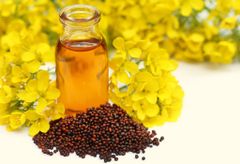
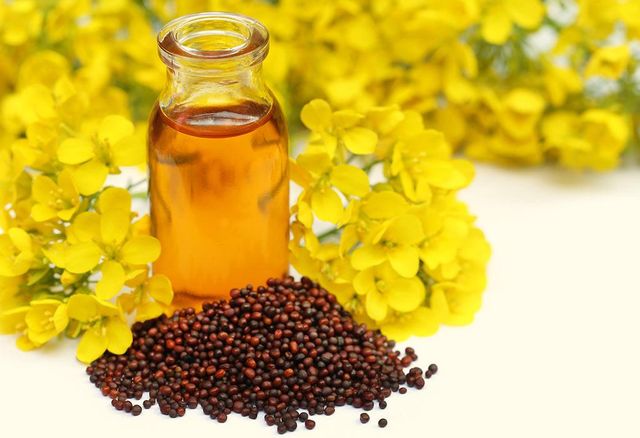
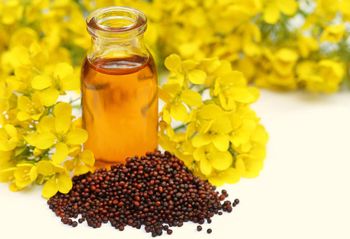
Mustard oil is a distinctive and popular oil derived from mustard seeds and widely used in South Asia and parts of Europe for cooking, medicinal purposes, and personal care. With its strong, pungent aroma and spicy flavor, mustard oil stands out for both its culinary and health benefits. The oil contains beneficial fatty acids, including omega-3 and omega-6, as well as powerful antioxidants and antimicrobial compounds. This comprehensive overview of mustard oil explores its production, nutritional composition, health benefits, culinary uses, and role in traditional medicine, as well as safety and environmental considerations.
Mustard oil is obtained from mustard seeds (Brassica species), including black, brown, and white mustard seeds. It can be produced in three main forms:
Each type has specific applications in cooking, health, or traditional remedies, depending on its extraction method and potency.
Mustard oil is rich in essential fatty acids and various bioactive compounds that contribute to its health benefits. Here’s a breakdown of its primary nutrients:
This unique nutritional profile offers both culinary and medicinal benefits, though it’s recommended to consume mustard oil in moderation due to its high erucic acid content.
Mustard oil’s composition of fatty acids, antioxidants, and phytochemicals provides several health benefits.
Mustard oil’s monounsaturated and polyunsaturated fats can help maintain heart health by reducing LDL (bad) cholesterol and raising HDL (good) cholesterol. Omega-3 fatty acids, specifically ALA, have been shown to lower blood pressure, reduce triglycerides, and decrease the risk of heart disease. However, caution is needed regarding its erucic acid content, which may affect the heart when consumed excessively.
Mustard oil has been traditionally used for its anti-inflammatory effects. The presence of omega-3 and omega-6 fatty acids can reduce inflammation in joints and muscles, and applying the oil topically is believed to relieve pain and stiffness, making it popular in massage therapy.
Mustard oil contains isothiocyanates and other compounds with natural antibacterial, antiviral, and antifungal properties, which can prevent infections and boost immunity. These antimicrobial benefits have made mustard oil a common remedy in traditional medicine for skin infections, coughs, and colds.
Mustard oil has carminative properties that stimulate digestion by promoting the secretion of gastric juices. It can also improve appetite and support metabolism, helping to address digestive issues like indigestion and constipation.
In traditional practices, mustard oil is widely used for skin and hair care. Its vitamin E content and moisturizing qualities nourish the skin and protect it from dryness and premature aging. For hair, mustard oil promotes growth, reduces dandruff, and prevents scalp infections due to its antifungal properties.
Mustard oil is a staple in many South Asian and North African cuisines, where it is valued for its unique taste and ability to enhance flavors in food.
With a high smoke point of around 250°C (482°F), mustard oil is ideal for deep frying and sautéing. It is commonly used in preparing traditional dishes, particularly in Indian and Bangladeshi cuisine, where its pungent flavor adds depth to curries, pickles, and marinades.
Mustard oil is often added to dishes as a finishing oil to impart a sharp, spicy note. It pairs well with garlic, ginger, and spices, enhancing the flavor profile of salads, sauces, and dips.
In many cultures, mustard oil is used as a preservative for pickling due to its antimicrobial properties. The oil prevents spoilage and adds an intense flavor to pickled vegetables and fruits.
Mustard oil has long been a part of Ayurvedic and traditional medicine due to its therapeutic properties.
The oil is heated with ingredients like garlic or fenugreek and used for massage, especially in Ayurvedic therapy, to relieve joint pain and muscle soreness. It is also thought to improve circulation and reduce inflammation when applied to the skin.
Mustard oil is often used in remedies for respiratory conditions such as colds, coughs, and asthma. When combined with camphor or eucalyptus oil, it is applied to the chest or used in steam inhalation to relieve congestion.
In traditional practices, mustard oil is mixed with salt or turmeric for oil pulling, an ancient oral health technique. This practice is thought to reduce plaque, prevent gum disease, and freshen breath by removing harmful bacteria from the mouth.
Due to its antimicrobial and antioxidant properties, mustard oil is believed to boost immunity, especially during the cold and flu season.
While mustard oil has numerous benefits, it should be used carefully, particularly in the diet. Here are key safety considerations:
Mustard oil contains high levels of erucic acid, a fatty acid linked to potential health risks such as heart disease and fatty deposits in the myocardium. While some studies have shown adverse effects, more research is needed to clarify its impact on human health. As a result, mustard oil is often labeled "for external use only" in the United States and some European countries due to regulatory concerns.
Mustard oil can cause skin irritation or allergic reactions in some individuals. A patch test is recommended before using it topically to check for any adverse reactions.
When heating mustard oil, ensure it reaches its smoke point, as this can reduce the pungent taste and prevent the formation of harmful compounds. It’s important to use it in moderation, especially in diets with high-fat content.
Mustard oil production generally has a lower environmental impact compared to some other oils, largely because mustard plants require minimal resources to grow and can thrive in a variety of climates.
Mustard plants are drought-resistant and require less water compared to crops like palm or soybean. They are adaptable to different soils and climates, reducing the need for extensive irrigation and fertilizers.
Mustard plants help improve soil health by fixing nitrogen, making them an environmentally friendly crop that reduces dependency on chemical fertilizers.
Compared to the production of other oils, the carbon footprint of mustard oil is relatively low due to its minimal processing requirements and adaptability to small-scale and traditional farming practices.
Mustard oil is a unique and versatile oil with applications in cooking, traditional medicine, and personal care. It provides notable health benefits due to its rich fatty acid composition, antioxidants, and antimicrobial properties. However, consumers should exercise caution with dietary intake due to the erucic acid content. With sustainable production and resource efficiency, mustard oil represents a valuable resource with a relatively low environmental impact, making it an important part of traditional diets and wellness practices across many cultures.
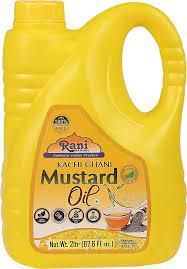
You are viewing details for Pressed Mustard Oil / Pressed Mustard Oil for sale / wholesale price Pressed Mustard Oil/ . The information provided here is either posted directly by the supplier, who is responsible for its accuracy, or collected by Freshdi AI from publicly available sources. Freshdi strives to make product information as useful and reliable as possible, but we do not guarantee complete accuracy. If you notice any incorrect or misleading details, please use the Report Product option so our team can review and address it quickly.
$960
/ Tons
Min. order: 10 Tons

Sylwia Anna (Sale/ Marketing/ Sourcing Manager)
Active
Avg Response Time: ≤ 4h
Year Established: 2018
Business type
Distribution / Wholesale
Main Export Markets