
Share on
1 views
1 Inquiries
10-25 Tons
Minimum order quantity: 1 Tons
Open to price negotiation
Supplier Country: Poland
Export market: Albania, Armenia, Austria, Australia, Antigua and Barbuda
Key Takeaways
Freshdi AI is analyzing this product...

4.2
 Poland
Distribution / Wholesale
Ul. Strzelców Bytomskich 4, 44-109 Gliwice
Inquiry Open Rate
45%
Total inquiries received
807
Inquiries Read
366
Year Established
2018
Based on the information provided by the supplier.
 Albania
 Armenia
 Austria
 Australia
 Antigua and Barbuda
Western Europe
39%
Eastern Europe
31%
Central America & Caribbean
13%
East Asia
9%
Middle East
7%
Verification information
Verify business documents
By Freshdi Verification System
Verify work email
By Freshdi.com
Verify account email
By Freshdi.com
Verify phone number
External Validation
Company Address
Supplier confirmed with Freshdi
Business Registered ID
Supplier confirmed with Freshdi
No reviews yet
Be the first to share your experience - your feedback helps other buyers trade with confidence.
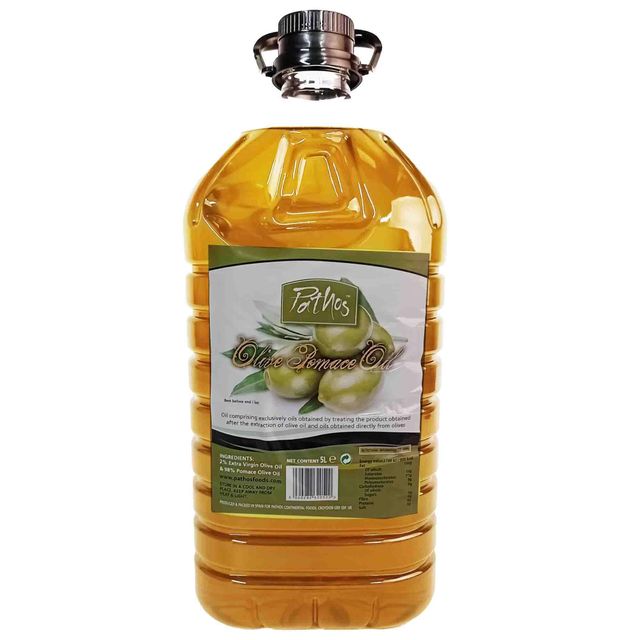
Elidable vegetable refined olive oil wholesale price
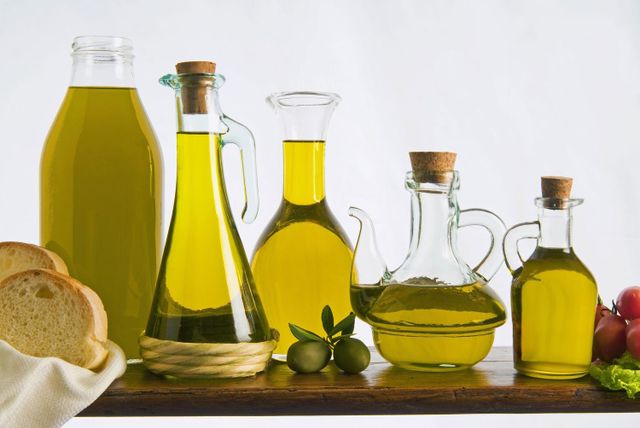
Refined olive oil is a widely used cooking oil known for its mild flavor and versatility, making it a staple in kitchens around the world. It differs from extra virgin olive oil primarily in its processing, as it undergoes a refining process that removes impurities, flavor, and sometimes color, resulting in a lighter oil with a high smoke point and extended shelf life. This oil type is popular for cooking at higher temperatures and as a base in various culinary and cosmetic applications. Here’s an in-depth look at refined olive oil, exploring its production, benefits, uses, health considerations, and environmental impact.
Olive oil production begins with the harvesting of olives, usually between late autumn and early winter. The quality of the oil depends significantly on the ripeness of the olives and how soon they’re processed after harvest. Olives are washed and crushed into a paste, which is then pressed to separate the oil from the solids.
Refined olive oil starts as virgin or lampante olive oil, which doesn’t meet the standards for extra virgin olive oil in terms of flavor or acidity. It then undergoes a refining process, which involves several stages:
The end result is a neutral oil with minimal flavor and aroma, suitable for a variety of cooking applications. Refined olive oil often has an acidity level below 0.3%, which is much lower than extra virgin olive oil.
Refined olive oil retains many of the nutritional benefits of olive oil but with fewer antioxidants and polyphenols due to the refining process. Key nutrients include:
Refined olive oil is lower in flavor and bioactive compounds than extra virgin olive oil, but it’s still a healthier option compared to oils high in saturated fats.
While refined olive oil lacks some of the health benefits associated with extra virgin olive oil, it still offers notable advantages, particularly for those looking for a stable cooking oil.
The monounsaturated fats in olive oil, primarily oleic acid, are known to support cardiovascular health by lowering LDL cholesterol levels. Studies have shown that diets rich in monounsaturated fats can reduce the risk of heart disease.
While refined olive oil has fewer antioxidants than extra virgin olive oil, it still contains vitamin E and trace amounts of other bioactive compounds that contribute to reducing oxidative stress and inflammation.
Refined olive oil has a higher smoke point (around 230°C/446°F) than extra virgin olive oil, making it suitable for high-heat cooking methods like sautéing and frying. Its stability at high temperatures reduces the production of harmful free radicals, making it safer than many oils for repeated heating.
Although olive oil is calorie-dense, its monounsaturated fats may aid in weight management by promoting satiety, helping people feel fuller for longer. Studies have linked olive oil consumption with lower body weight in Mediterranean populations compared to those consuming more saturated fats.
Despite its benefits, refined olive oil should be consumed in moderation due to its high-calorie content. A balanced intake of healthy fats, along with fruits, vegetables, and whole grains, is essential for an optimal diet.
Refined olive oil’s mild taste and high smoke point make it ideal for various cooking techniques and recipes.
With a smoke point higher than extra virgin olive oil, refined olive oil is a practical choice for frying, deep frying, and sautéing. It’s stable under high temperatures, making it versatile for dishes requiring prolonged cooking.
The neutral flavor of refined olive oil allows it to be used in baking without overpowering other ingredients, making it suitable for recipes like cakes, muffins, and bread where the olive taste might be undesirable.
While it doesn’t carry the rich flavor of extra virgin olive oil, refined olive oil can still serve as a base for salad dressings and marinades, particularly when a more neutral taste is desired or when mixed with herbs and spices.
Due to its long shelf life, refined olive oil is commonly used in canned foods, sauces, and spreads, where stability over time is essential.
Refined olive oil’s mild properties and stability make it a beneficial ingredient in personal care and industrial applications.
Olive oil has been used for centuries in skincare due to its emollient properties, which can help moisturize and protect the skin. Refined olive oil is often found in products such as:
Refined olive oil can act as a carrier in pharmaceutical formulations, particularly in fat-soluble medications, topical ointments, and natural supplements.
Olive oil is occasionally used in the lubrication and preservation of mechanical parts and leather, as it does not dry out as quickly as some other oils.
The production of refined olive oil has a comparatively low environmental impact compared to some other vegetable oils, particularly palm oil. However, certain sustainability concerns remain, particularly with respect to water usage, biodiversity, and soil health.
Olive trees require significant water resources, particularly in regions with limited rainfall. Sustainable practices, including drip irrigation and rainwater harvesting, can help reduce water usage in olive cultivation.
Monoculture olive farming can lead to soil depletion and erosion. Intercropping, cover cropping, and organic farming methods are practices that some producers are adopting to mitigate these effects.
The shift to large-scale olive plantations in areas of Spain, Italy, and Greece has sometimes led to habitat loss for wildlife. Sustainable farming practices aim to maintain biodiversity by incorporating conservation practices on olive farms.
Some organizations promote sustainable olive oil production, such as the International Olive Council (IOC), which encourages best practices in water conservation, organic farming, and biodiversity preservation. Certifications like organic or PDO (Protected Designation of Origin) indicate higher sustainability and quality standards, though they are more common for extra virgin than refined olive oils.
When selecting refined olive oil, it’s essential to consider freshness, as olive oil can become rancid over time. Look for high-quality sources, ideally in darker bottles that protect against light exposure.
Refined olive oil is a versatile and stable oil that offers mild flavor and high-heat suitability, making it an ideal choice for cooking, baking, and frying. While it lacks the full antioxidant and polyphenol profile of extra virgin olive oil, it still provides health benefits due to its monounsaturated fat content and moderate vitamin E levels. With applications beyond the kitchen, in personal care and pharmaceuticals, refined olive oil remains an essential product worldwide. Sustainable practices are increasingly critical in olive oil production, ensuring that consumers can enjoy refined olive oil’s benefits with reduced environmental impact.
You are viewing details for Refined Olive Oil / pressed olive oil for sale / wholesale olive oil for sale online / where can i order olive oil near me . The information provided here is either posted directly by the supplier, who is responsible for its accuracy, or collected by Freshdi AI from publicly available sources. Freshdi strives to make product information as useful and reliable as possible, but we do not guarantee complete accuracy. If you notice any incorrect or misleading details, please use the Report Product option so our team can review and address it quickly.

4.2
Sylwia Anna (Sale/ Marketing/ Sourcing Manager)
Active
Year Established: 2018
Business type
Distribution / Wholesale
Main Export Markets