
Share on
2 views
31 Inquiries
10-25 Tons
Minimum order quantity: 1 Tons
Open to price negotiation
Supplier Country: Poland
Export market: Albania, Armenia, Austria, Australia, Antigua and Barbuda
Key Takeaways


3.8
 Poland
Distributor/Wholesaler
Ul. Strzelców Bytomskich 4, 44-109 Gliwice
Inquiry Open Rate
45%
Total inquiries received
810
Inquiries Read
366
Year Established
2018
Based on the information provided by the supplier.
 Albania
 Armenia
 Austria
 Australia
 Antigua and Barbuda
Western Europe
39%
Eastern Europe
31%
Central America & Caribbean
13%
East Asia
9%
Middle East
7%
Verification information
Verify business documents
By Freshdi Verification System
Verify work email
By Freshdi.com
Verify account email
By Freshdi.com
Verify phone number
External Validation
Company Address
Supplier confirmed with Freshdi
Business Registered ID
Supplier confirmed with Freshdi
No reviews yet
Be the first to share your experience - your feedback helps other buyers trade with confidence.
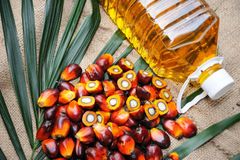
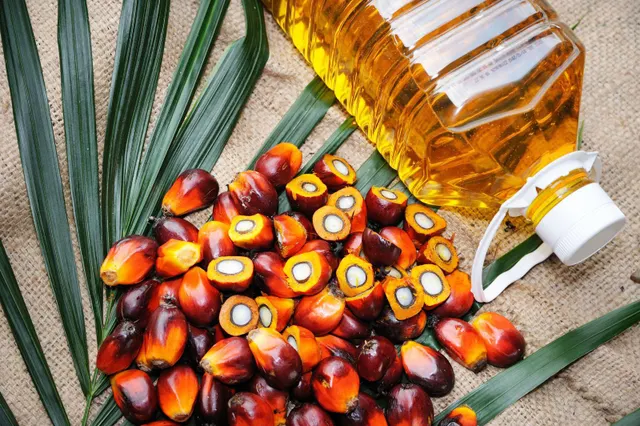
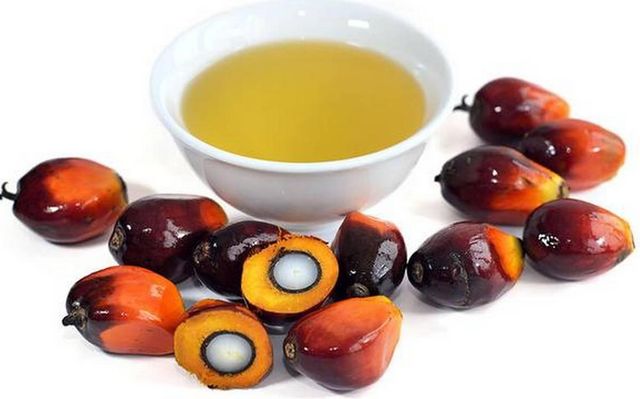
Refined palm oil is one of the most widely used edible oils in the world, known for its versatility in cooking and industrial applications. It is derived from the fruit of the oil palm tree (Elaeis guineensis), which thrives in tropical climates, primarily in countries like Indonesia, Malaysia, Nigeria, and Thailand. Here’s an in-depth look at refined palm oil, covering its production process, nutritional benefits, health impacts, environmental considerations, and its many uses across various industries.
Oil palm trees are typically grown on large plantations in tropical regions. Once the oil palm fruits are harvested, they are processed quickly to extract the oil. The pulp of the fruit is rich in oil, while the kernel contains oil as well, though in smaller quantities.
The extracted oil from the fruit pulp is known as crude palm oil, which is then subjected to refining. Palm kernel oil is also extracted from the seed and often refined separately. Refining removes impurities, odors, and colors, producing a clear, light-colored oil that is neutral in taste and odor.
Refined palm oil’s neutral flavor and high smoke point make it suitable for frying, baking, and as a component in packaged foods and cosmetics.
Refined palm oil is high in saturated fats, primarily palmitic acid, but also contains a significant amount of monounsaturated and polyunsaturated fats. Key nutrients include:
The balanced mix of fats makes palm oil stable at high temperatures, but it should be consumed in moderation due to its high saturated fat content.
Palm oil’s high saturated fat content can raise cholesterol levels if consumed excessively. However, it also contains monounsaturated fats, which can balance cholesterol levels if eaten as part of a well-rounded diet.
The presence of tocotrienols in palm oil has been linked to cellular protection and may help reduce oxidative stress, which is beneficial for brain and cardiovascular health.
Red palm oil (unrefined) is rich in beta-carotene, supporting eye health and immunity. However, most refined palm oil loses this vitamin during processing, making it a lesser source of vitamin A.
Refined palm oil is widely used in cooking due to its high smoke point and neutral taste, making it ideal for:
Refined palm oil has significant applications outside of food, including:
The production of palm oil is controversial due to deforestation, habitat destruction, and greenhouse gas emissions associated with large-scale plantations. However, sustainable certification programs like the RSPO (Roundtable on Sustainable Palm Oil) are working to reduce these impacts by promoting environmentally responsible practices.
Clearing land for oil palm plantations has led to significant habitat loss for species like orangutans and tigers, particularly in Southeast Asia.
Deforestation and peatland destruction contribute to increased carbon emissions, exacerbating climate change. Sustainable practices, such as avoiding peatland areas and enforcing deforestation moratoriums, are being implemented to mitigate these effects.
Palm oil production supports the livelihoods of millions in developing countries, providing economic benefits. However, fair labor practices and respect for indigenous rights are critical issues.
Refined palm oil is a highly versatile, stable cooking oil with diverse applications in food, industry, and cosmetics. Its benefits include a high smoke point, antioxidant content, and affordability. However, its high saturated fat content requires moderation in diets, and its production raises environmental concerns. Sustainable sourcing and responsible consumption are essential to maximizing the benefits of refined palm oil while minimizing its ecological footprint.
You are viewing details for Refined Palm Oil / buy pressed palm oil / wholesale palm oil for sale cheap / where can i buy pressed palm oil online . The information provided here is either posted directly by the supplier, who is responsible for its accuracy, or collected by Freshdi AI from publicly available sources. Freshdi strives to make product information as useful and reliable as possible, but we do not guarantee complete accuracy. If you notice any incorrect or misleading details, please use the Report Product option so our team can review and address it quickly.

3.8
Sylwia Anna (Sale/ Marketing/ Sourcing Manager)
Active
Year Established: 2018
Business type
Distributor/Wholesaler
Main Export Markets