Share on
2 views
3 Inquiries
10-25 MT
Minimum order quantity: 1 MT
Open to price negotiation
Supplier Country: Poland
Export market: Albania, Armenia, Austria, Australia, Antigua and Barbuda
Key Takeaways
Freshdi AI is analyzing this product...

3.6
 Poland
Distribution / Wholesale
Ul. Strzelców Bytomskich 4, 44-109 Gliwice
Inquiry Open Rate
45%
Total inquiries received
806
Inquiries Read
366
Year Established
2018
Based on the information provided by the supplier.
 Albania
 Armenia
 Austria
 Australia
 Antigua and Barbuda
Western Europe
39%
Eastern Europe
31%
Central America & Caribbean
13%
East Asia
9%
Middle East
7%
Verification information
Verify business documents
By Freshdi Verification System
Verify work email
By Freshdi.com
Verify account email
By Freshdi.com
Verify phone number
External Validation
Company Address
Supplier confirmed with Freshdi
Business Registered ID
Supplier confirmed with Freshdi
No reviews yet
Be the first to share your experience - your feedback helps other buyers trade with confidence.
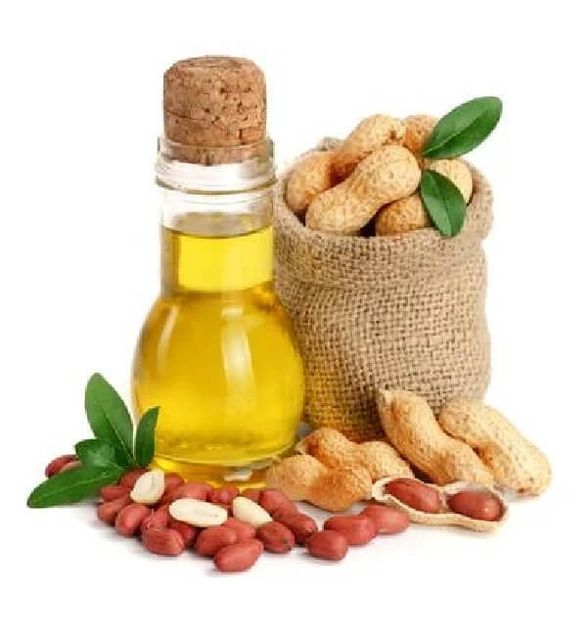
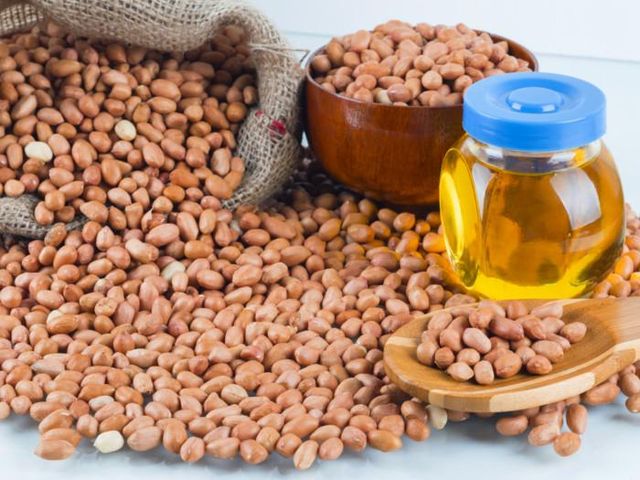
Refined peanut oil is a popular cooking oil with significant benefits and diverse uses across the culinary, health, and cosmetic industries. Derived from peanuts (Arachis hypogaea), it undergoes refining processes to remove impurities, allergens, and undesirable flavors, making it a versatile and allergen-friendly oil. Here’s a comprehensive exploration of refined peanut oil, covering its production, nutritional value, health benefits, culinary uses, industrial applications, and environmental impact.
Peanut oil is extracted from mature peanut kernels through either cold-pressing or solvent extraction. Cold-pressing, a mechanical method, preserves more nutrients and is commonly used for high-quality, unrefined oils. Solvent extraction is used for large-scale production and involves hexane or other solvents to increase yield.
Refining improves the oil's shelf life, taste, and allergenic profile. The main refining stages include:
The final product, refined peanut oil, has a mild flavor, longer shelf life, and is safe for those with peanut allergies due to protein removal.
Refined peanut oil is rich in unsaturated fats, primarily oleic acid (omega-9) and linoleic acid (omega-6). Here’s a closer look at its key nutritional components:
This composition makes refined peanut oil beneficial for cooking, skin, and heart health.
Refined peanut oil offers several health benefits due to its fatty acid profile, antioxidant content, and lack of peanut allergens.
The oil’s high monounsaturated fat content helps reduce LDL (bad) cholesterol levels while supporting HDL (good) cholesterol. Oleic acid, a monounsaturated fatty acid, is linked to lower heart disease risk. Additionally, phytosterols in peanut oil can further decrease cholesterol absorption in the gut.
The oil’s fatty acids, particularly oleic acid, have anti-inflammatory effects, beneficial for conditions like arthritis. Vitamin E in peanut oil also contributes to reducing inflammation at the cellular level.
The vitamin E and antioxidant content in refined peanut oil make it suitable for skincare. It moisturizes, helps reduce signs of aging, and can protect skin from oxidative damage. It also nourishes and strengthens hair when used as a hair treatment, supporting scalp health and reducing dryness.
Vitamin E supports immune cell function, helping the body combat infections. As an antioxidant, it protects immune cells from damage, making refined peanut oil a supportive addition to immune health.
Refining removes allergenic proteins, making refined peanut oil safe for most people with peanut allergies. This makes it suitable for cooking in settings where allergy concerns are present.
Refined peanut oil is a staple in many kitchens due to its versatility, high smoke point, and neutral flavor.
With a high smoke point of approximately 450°F (232°C), refined peanut oil is ideal for frying, roasting, and sautéing. It does not break down easily, maintaining flavor and nutritional stability at high temperatures.
The oil’s mild flavor makes it suitable for baking, adding moisture to cakes, cookies, and bread without imparting a strong taste.
Refined peanut oil can be used in vinaigrettes and marinades, providing a smooth, balanced texture and enhancing the flavor of herbs and spices.
Traditionally used in Asian and African dishes, refined peanut oil is a common ingredient in stir-fries, sauces, and curries. Its neutral taste complements a wide range of spices and flavors.
Refined peanut oil is not only valuable for cooking but also has uses in cosmetics, pharmaceuticals, and other industries.
Due to its high vitamin E content and non-comedogenic properties, refined peanut oil is used in lotions, moisturizers, and serums. It helps hydrate and soothe the skin, making it popular in products for sensitive or dry skin.
Peanut oil’s moisturizing properties make it suitable for hair care products. It adds shine, strengthens hair, and supports scalp health, helping to prevent dandruff and dryness.
In the pharmaceutical industry, refined peanut oil is used as a carrier for fat-soluble medications and vitamins. Its stability and nutrient composition make it an ideal medium for these products.
The oil’s lubricating properties make it useful in manufacturing and industrial applications, such as lubricants for machinery and components. Its non-toxic nature makes it an eco-friendly alternative in certain industries.
Peanut cultivation is relatively sustainable, as peanuts are legumes and naturally improve soil quality by fixing nitrogen. This reduces the need for synthetic fertilizers. Here’s a closer look at the environmental impact:
Peanuts require less water compared to other oil-producing crops, contributing to water conservation in peanut-growing regions.
Peanuts improve soil fertility, benefiting subsequent crops and reducing the need for chemical inputs, thus promoting sustainable agriculture.
Peanut oil production also generates by-products like peanut meal, which is used as animal feed, minimizing waste in the production chain.
However, monoculture farming practices for peanuts can lead to soil degradation and pest issues if not managed properly. Sustainable farming techniques, such as crop rotation, can help mitigate these effects.
While refined peanut oil is safe for cooking and skincare, there are a few considerations for consumers.
Refined peanut oil is rich in omega-6 fatty acids. Excessive omega-6 intake, without balancing omega-3s, can lead to inflammation. It is advisable to balance peanut oil with omega-3-rich foods, such as flaxseed or fish oil, for optimal health.
Though refined peanut oil is generally allergen-free, unrefined peanut oil retains allergenic proteins. It’s essential to differentiate between refined and unrefined oil, especially for those with peanut allergies.
Like all oils, peanut oil is calorie-dense. Moderation is key to avoid excessive calorie intake, especially for those managing weight or dietary fat intake.
Peanut oil holds cultural significance in various cuisines, particularly in Asia and Africa. It’s commonly used in households and restaurants, favored for its affordability and versatility. Economically, peanut oil contributes to the livelihoods of farmers and workers in countries where peanuts are a major crop, such as the United States, China, and India.
Refined peanut oil is a versatile and beneficial oil with applications across cooking, health, and industry. Its high smoke point and neutral flavor make it ideal for various culinary uses, from frying to baking. In terms of health, refined peanut oil supports heart health, skin care, and immune function, while also providing a safe option for individuals with peanut allergies. Its environmental benefits, stemming from the sustainable nature of peanut cultivation, further enhance its appeal.
For those seeking a stable, high-heat cooking oil or a nourishing skin-care ingredient, refined peanut oil is a well-rounded choice. By understanding its composition, uses, and benefits, consumers can make informed decisions about incorporating this valuable oil into their diets and daily routines.
You are viewing details for Refined Peanut Oil / where can i order Peanut Oil in bulk online / Peanut Oil market place / Wholesale price Peanut Oil/ buy groundnut oil cheap. The information provided here is either posted directly by the supplier, who is responsible for its accuracy, or collected by Freshdi AI from publicly available sources. Freshdi strives to make product information as useful and reliable as possible, but we do not guarantee complete accuracy. If you notice any incorrect or misleading details, please use the Report Product option so our team can review and address it quickly.

3.6
Sylwia Anna (Sale/ Marketing/ Sourcing Manager)
Active
Year Established: 2018
Business type
Distribution / Wholesale
Main Export Markets