
Share on
4 views
1 Inquiries
10-25 Tons
Minimum order quantity: 1 Tons
Open to price negotiation
Supplier Country: Poland
Export market: Albania, Armenia, Austria, Australia, Antigua and Barbuda
Key Takeaways
Freshdi AI is analyzing this product...

3.6
 Poland
Distributor/Wholesaler
Ul. Strzelców Bytomskich 4, 44-109 Gliwice
Inquiry Open Rate
45%
Total inquiries received
807
Inquiries Read
366
Year Established
2018
Based on the information provided by the supplier.
 Albania
 Armenia
 Austria
 Australia
 Antigua and Barbuda
Western Europe
39%
Eastern Europe
31%
Central America & Caribbean
13%
East Asia
9%
Middle East
7%
Verification information
Verify business documents
By Freshdi Verification System
Verify work email
By Freshdi.com
Verify account email
By Freshdi.com
Verify phone number
External Validation
Company Address
Supplier confirmed with Freshdi
Business Registered ID
Supplier confirmed with Freshdi
No reviews yet
Be the first to share your experience - your feedback helps other buyers trade with confidence.
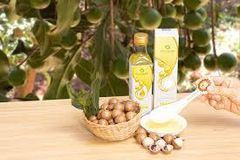
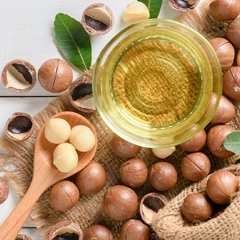
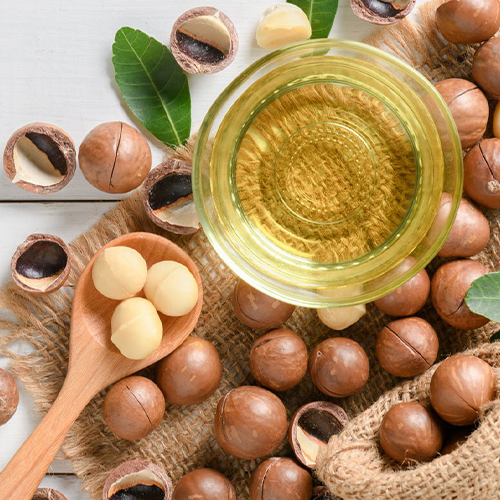
Macadamia is a nut-rich tree native to Australia, known for its creamy texture, buttery flavor, and high nutritional value. Macadamia nuts are commonly consumed raw or roasted, used in culinary recipes, and pressed for oil, contributing to various industries and health sectors. Let's delve into the various aspects of macadamia, including its nutritional profile, health benefits, uses, farming practices, economic impact, and environmental considerations.
Macadamia trees, particularly Macadamia integrifolia and Macadamia tetraphylla, are native to the rainforests of Queensland and New South Wales in Australia. These trees are known for their beautiful, glossy leaves and the characteristic spherical nuts that grow in clusters.
Macadamia nuts are celebrated for their rich nutrient content, particularly healthy fats, vitamins, and minerals:
This combination of nutrients makes macadamias a nutrient-dense snack that supports energy, brain health, and cardiovascular wellness.
The unique nutritional composition of macadamia nuts translates into a variety of health benefits:
The high monounsaturated fat content in macadamias helps to lower LDL cholesterol (the "bad" cholesterol) and may improve HDL cholesterol levels. Studies show that diets rich in monounsaturated fats can reduce the risk of heart disease, as these fats promote lower blood pressure, reduce inflammation, and improve lipid profiles.
Though macadamias are calorie-dense, they contain a good balance of protein, fiber, and healthy fats, which promotes fullness and helps in appetite regulation. Including small servings in a balanced diet may aid in controlling overall caloric intake by reducing hunger between meals.
Macadamia nuts contain tocotrienols and flavonoids, which are powerful antioxidants. These compounds protect cells from oxidative stress, which is linked to aging, cancer, and other chronic diseases.
The presence of healthy fats, especially omega-9 fatty acids, supports cognitive function. The high levels of vitamin B1, magnesium, and manganese in macadamias are crucial for brain health, potentially helping to reduce the risk of neurodegenerative diseases like Alzheimer's.
With a low glycemic index, macadamia nuts can be part of a diabetes-friendly diet. Their healthy fats and fiber content support better blood sugar control and improve insulin sensitivity, which can be particularly beneficial for individuals with type 2 diabetes.
Macadamia nuts are used in various culinary applications, skincare products, and oils:
Macadamia oil is also a popular ingredient in skincare and hair products. Its fatty acid profile, similar to human sebum, makes it an excellent moisturizer that’s easily absorbed without clogging pores. It is used in formulations for anti-aging products, as it promotes skin hydration and elasticity.
Macadamia trees thrive in subtropical and tropical climates. They require rich, well-drained soil and significant rainfall. Trees begin to produce nuts after 5-7 years of growth and can continue to yield for decades.
Harvesting typically occurs once a year, depending on the region. The nuts are gathered when they fall from the tree, ensuring that they are mature and flavorful. After harvest, they go through drying and de-husking processes before packaging.
While macadamias are water-intensive, sustainable farming practices are being implemented globally to reduce water usage and encourage biodiversity. Intercropping with other crops and using organic farming practices help to minimize environmental impact.
Macadamia nuts represent a significant agricultural product for economies like Australia, Kenya, and Hawaii. As global demand for these nuts grows, the industry continues to expand, providing employment and contributing to GDP in producing countries.
The macadamia market is growing rapidly due to increased global demand for healthy snacks and plant-based protein sources. This growth offers economic opportunities but also poses challenges, including the need for sustainable farming to keep up with demand without harming the environment.
Macadamia farming faces challenges such as susceptibility to pests, the need for specialized harvesting methods, and environmental concerns around water use. However, improvements in agricultural technology and an emphasis on organic farming practices aim to address these challenges.
Macadamia farming has both positive and negative environmental impacts. Although it requires water and specific soil conditions, the industry is moving toward sustainable practices.
Macadamia trees contribute to carbon sequestration, which helps combat climate change. Additionally, some farms use regenerative agriculture practices, which improve soil health and promote biodiversity.
Water usage is a concern for macadamia farming, especially in drier climates. To mitigate this, growers are adopting drip irrigation and rainwater harvesting systems. Efforts to reduce pesticide use and increase organic farming are also helping to minimize the environmental footprint.
Macadamia nuts are a valuable food source with numerous health benefits and versatile uses in culinary and personal care applications. Their rich nutritional profile, including monounsaturated fats, vitamins, and minerals, supports heart health, brain function, and skin health. Although macadamia farming presents environmental challenges, sustainable practices are being implemented to reduce the ecological impact. The global market for macadamias continues to grow, making these nuts an essential product for economies and consumers worldwide.
You are viewing details for Refined macadamia Oil / buy maroochi Oil / Wholesale Hawaii Oil / Buy in bulk macadamia Oil / Where can buy macadamia Oil near me. The information provided here is either posted directly by the supplier, who is responsible for its accuracy, or collected by Freshdi AI from publicly available sources. Freshdi strives to make product information as useful and reliable as possible, but we do not guarantee complete accuracy. If you notice any incorrect or misleading details, please use the Report Product option so our team can review and address it quickly.

3.6
Sylwia Anna (Sale/ Marketing/ Sourcing Manager)
Active
Year Established: 2018
Business type
Distributor/Wholesaler
Main Export Markets