
Share on
1 Inquiries
≥ 5 MT
Good Price
Minimum order quantity: 5 MT
Open to price negotiation
Supplier Country: Nigeria
Export market: China, India

3.1
 Nigeria
Agent, Business Service, Trading Company
Nigeria
Total inquiries received
21
Based on the information provided by the supplier.
 China
 India
East Asia
50%
South Asia
50%
Verify phone number
Buyer Verification Team
Verify account email
By Freshdi.com
Verify business documents
Verify work email
No reviews yet
Be the first to share your experience - your feedback helps other buyers trade with confidence.
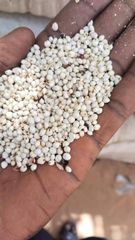
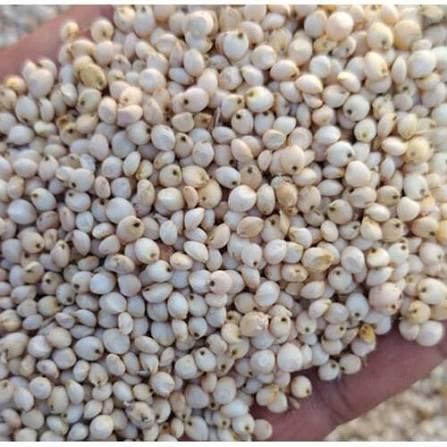
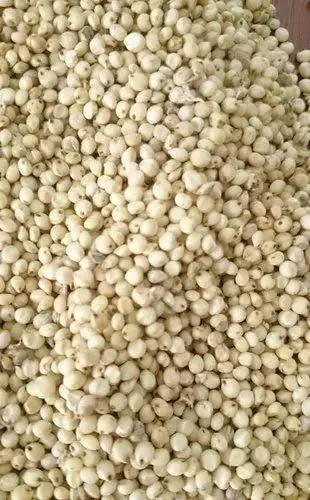
Sorghum is a versatile and nutritious cereal grain widely cultivated and consumed around the world. Known for its drought tolerance and adaptability, sorghum plays a critical role in global food security, animal feed, and biofuel production. This landing page provides detailed information about sorghum, its varieties, characteristics, and applications.
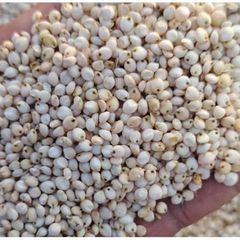
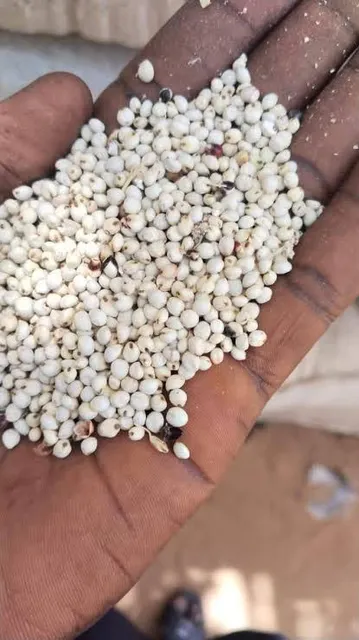
Sorghum is available in several varieties distinguished primarily by kernel color: white, red, brown, yellow, and mixed. White sorghum is most commonly used for human consumption due to its mild flavor and superior milling qualities. Red and brown varieties are frequently used in animal feed, industrial products, or bioenergy applications. Grades of sorghum are typically based on factors such as kernel size, purity, moisture content, and absence of foreign material.
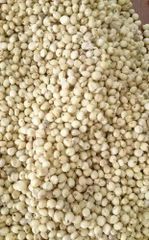
Sorghum grains are generally small, round, and smooth with a range of colors. They are high in carbohydrates, especially starch, making them an excellent energy source. Sorghum is gluten-free, making it suitable for gluten-sensitive or celiac consumers. Nutritionally, sorghum provides protein, dietary fiber, B vitamins, and essential minerals such as iron and magnesium.
Sorghum is a multipurpose grain used in:
Sorghum is predominantly grown in arid and semi-arid regions because of its drought-resistant nature. The plant typically matures within 90 to 120 days depending on the variety and climate conditions. After harvesting, grains are dried to reduce moisture to safe storage levels, cleaned to remove impurities, and sorted by size and quality to meet different market needs.
To ensure consistent quality, sorghum is graded based on moisture, purity, presence of damaged grains, and foreign material content. Industry standards require moisture levels typically below 14% to prevent mold and spoilage. High-grade sorghum is characterized by uniform kernel size, color consistency, and minimal contamination.
Sorghum grains are commonly packed in woven polypropylene bags, bulk sacks, or food-grade containers depending on customer needs and delivery scale. For export, products are carefully packaged to maintain freshness and prevent infestation during transportation. Proper packaging also facilitates efficient loading and unloading during international trade.
You are viewing details for SORGUM. The information provided here is either posted directly by the supplier, who is responsible for its accuracy, or collected by Freshdi AI from publicly available sources. Freshdi strives to make product information as useful and reliable as possible, but we do not guarantee complete accuracy. If you notice any incorrect or misleading details, please use the Report Product option so our team can review and address it quickly.
Adio J. Olamilekan (Founder/ Owner)
Active
Business type
Agent, Business Service, Trading Company
As of 17 November 2026, 25 suppliers in 16 countries offer 30 active supply listings on Freshdi across Grains, Cereal & Legumes, the group Grain Sorghum belongs to. Suppliers across Grains, Cereal & Legumes, the wider group Grain Sorghum belongs to, come from 16 countries, led by India at 28.0%, on Freshdi as of 17 November 2026. Buyer inquiry volume across Grains, Cereal & Legumes, the wider group Grain Sorghum belongs to, rose 16.8% on Freshdi in the 30 days to 17 November 2026 against the 30 days before, with 80.48% volatility in monthly inquiry and quotation activity over 336 days.