
Share on
11 Inquiries
1-100000 Tons
1750-2380 Tons
Minimum order quantity: 1 Tons
Open to price negotiation
Supplier Country: India
Export market: Australia, New Zealand, United Kingdom, United States, Peru
Key Takeaways
Freshdi AI is analyzing this product...
3.7
 India
India
Food manufacturing
Uttar Pradesh
Inquiry Open Rate
3%
Total inquiries received
268
Inquiries Read
8
Year Established
2020
Based on the information provided by the supplier.
 Australia
 New Zealand
 United Kingdom
 United States
 Peru
Peru
Western Europe
44%
Oceania
22%
North America
11%
South America
11%
Southeast Asia
11%
Verification information
Verify business documents
By Freshdi Verification System
Verify work email
By Freshdi.com
Verify phone number
Buyer Verification Team
Verify account email
By Freshdi.com
External Validation
Company website
Supplier confirmed with Freshdi
Company Address
Supplier confirmed with Freshdi
Business Registered ID
Supplier confirmed with Freshdi
No reviews yet
Be the first to share your experience - your feedback helps other buyers trade with confidence.
Black and White Sesame Seeds: A Nutritional and Culinary Treasure
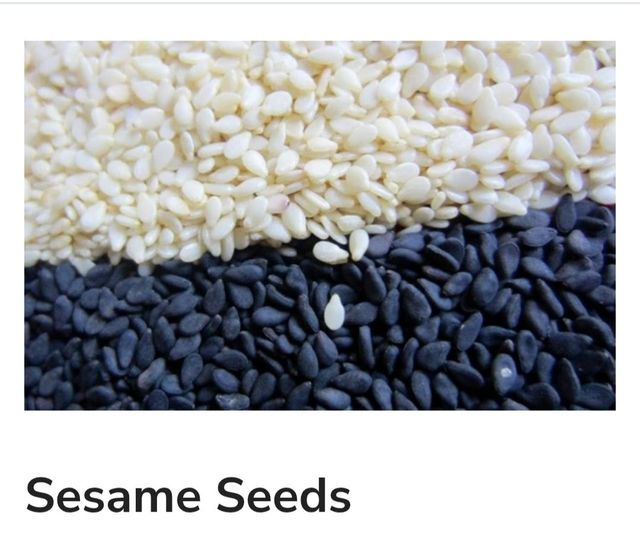
Sesame seeds, among the oldest oilseed crops known to humanity, have been cultivated for thousands of years. These tiny seeds, available primarily in two main varieties—black and white—offer distinct flavors, nutritional benefits, and culinary uses that make them a staple in kitchens around the world. Although they come from the same plant species (Sesamum indicum), black and white sesame seeds differ in subtle but meaningful ways in taste, appearance, and applications.
White Sesame Seeds
White sesame seeds are the hulled variety of sesame, meaning their outer shells have been removed. This gives them a smooth, ivory appearance and a milder, nuttier flavor. White sesame seeds are perhaps the most familiar to Western cuisines and are widely used as a topping on hamburger buns, breadsticks, bagels, and sushi rolls. In Middle Eastern and Mediterranean cooking, they are the base for tahini—a creamy sesame paste that's a key ingredient in hummus and baba ghanoush.
These seeds toast easily, releasing a rich, nutty aroma and flavor when lightly browned. Their subtle taste and smooth texture make them ideal for both savory and sweet dishes. They are also used in baking, salad dressings, stir-fries, and granola bars. Because of their versatility, white sesame seeds are often found in spice racks or pantry staples around the world.
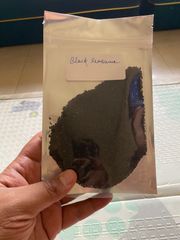
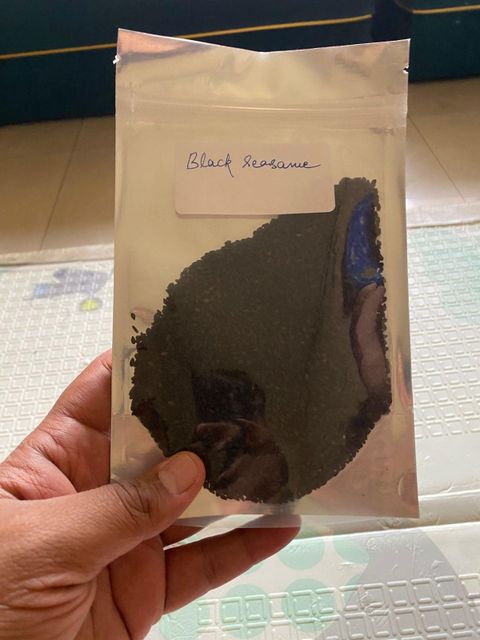
Black Sesame Seeds
Black sesame seeds, on the other hand, are usually unhulled, retaining their dark outer shell and resulting in a slightly crunchier texture and stronger flavor. They have a more robust, earthy, and sometimes slightly bitter taste compared to white sesame seeds. Black sesame seeds are especially popular in East and Southeast Asian cuisines. In Japanese, Korean, and Chinese cooking, they are used in sauces, marinades, rice dishes, and desserts like black sesame soup or ice cream.
In addition to their flavor, black sesame seeds are prized for their striking appearance. Their deep color adds visual contrast and elegance to both savory dishes and sweets, making them a favorite in decorative plating. The seeds are often ground into a paste and used in traditional Asian sweets, including mochi, glutinous rice balls, and sesame brittle.
Nutritional Benefits
Both black and white sesame seeds are highly nutritious. They are rich in healthy unsaturated fats, protein, and dietary fiber. They are an excellent source of important minerals such as calcium, iron, magnesium, phosphorus, zinc, and copper. These nutrients support bone health, cardiovascular function, immune health, and more.
Sesame seeds also contain lignans—natural compounds with antioxidant and anti-inflammatory properties. One such lignan, sesamin, has been studied for its potential to lower cholesterol and support liver function. The seeds also offer a modest amount of B vitamins, which are vital for energy metabolism and nervous system function.
Interestingly, some studies suggest that black sesame seeds may contain slightly higher levels of certain antioxidants compared to their white counterparts due to the presence of the seed hull, though both varieties offer substantial health benefits.
Conclusion
In summary, black and white sesame seeds are small but mighty ingredients that bring both flavor and nutrition to the table. While white sesame seeds are mild, nutty, and commonly used in Western and Middle Eastern cuisines, black sesame seeds offer a deeper, earthier flavor and are beloved in many Asian culinary traditions. Whether sprinkled on a salad, blended into a paste, or used as a garnish, these seeds are a simple yet powerful way to enhance the taste, texture, and health benefits of any dish.
You are viewing details for Sesame Seeds (White/Black). The information provided here is either posted directly by the supplier, who is responsible for its accuracy, or collected by Freshdi AI from publicly available sources. Freshdi strives to make product information as useful and reliable as possible, but we do not guarantee complete accuracy. If you notice any incorrect or misleading details, please use the Report Product option so our team can review and address it quickly.
3.7
Rishi (Founder/ Owner)
Active
Year Established: 2020
Business type
Food manufacturing
Main Export Markets