Share on
17 views
3 Inquiries
Price valid until 21 Jul 2025
Minimum order quantity: 1 Kilogram
Open to price negotiation
Supplier Country: Nigeria
Export market: Nigeria
Key Takeaways
Freshdi AI is analyzing this product...
2.7
 Nigeria
Agent/Representative, Distribution / Wholesale, Farming / Production / Processing / Packing
No 5, Behind CRCN CHURCH, Sabonpeji, Shagari phase 2, Yola, Adamawa state
Inquiry Open Rate
14%
Total inquiries received
44
Inquiries Read
6
Year Established
2021
Based on the information provided by the supplier.
Nigeria
West Africa
100%
Verification information
Verify phone number
Buyer Verification Team
Verify account email
By Freshdi.com
Verify business documents
Verify work email
External Validation
Company Address
Supplier confirmed with Freshdi
No reviews yet
Be the first to share your experience - your feedback helps other buyers trade with confidence.
Detailed Description of Shea Butter Nut (Vitellaria paradoxa)
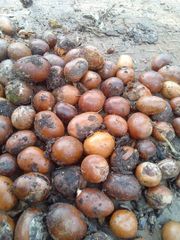
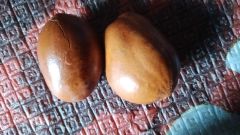
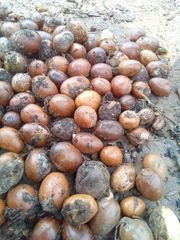
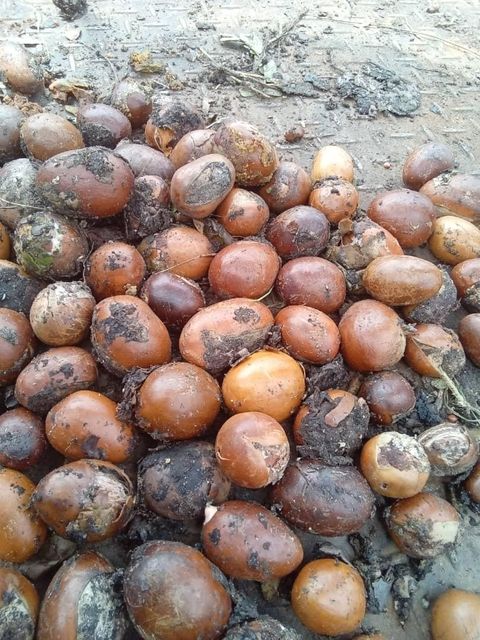
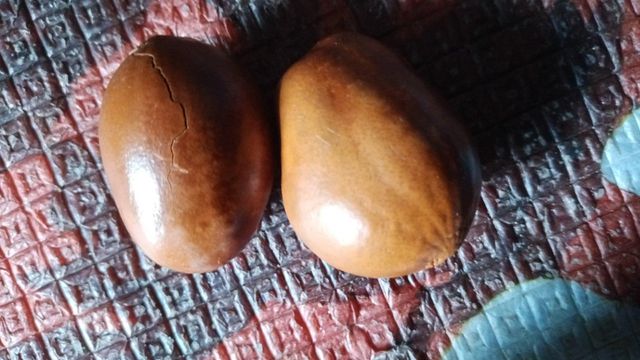
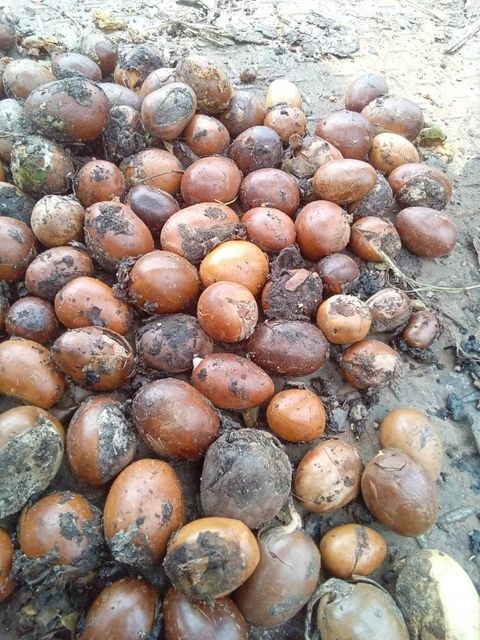
The shea butter nut, also known as the shea nut, is the seed of the fruit of the shea tree (Vitellaria paradoxa), a deciduous tree indigenous to the savannah belt of West and Central Africa. The nut is the primary source of shea butter, a fat widely used in cosmetics, pharmaceuticals, and food industries.
🌳 Botanical Overview
Scientific Name: Vitellaria paradoxa
Family: Sapotaceae
Common Names: Shea nut, Karité nut (French), Ori (Yoruba), Kaɗe (Hausa), Kpakahili (Igbo)
Tree Height: 10–15 meters; can reach up to 25 meters
Lifespan: Can live up to 200 years
Fruiting age: Begins fruiting around 10–15 years; peak production at 20–50 years
🥥 Physical Characteristics of the Nut
Shape: Oval to ellipsoidal
Size: Typically 2–4 cm in length
Shell: Hard, brown outer shell
Kernel: Inner edible seed that is oily and rich in fats
Weight: A single nut weighs between 10 to 50 grams
Oil content: 45% to 50% by weight (depending on maturity and processing)
🌰 Composition of the Shea Nut Kernel
The kernel of the shea nut is the vital part used for shea butter extraction and contains:
Fatty acids:
Stearic acid (20%–50%) – gives shea butter its solidity
Oleic acid (40%–60%) – gives it creaminess and moisturizing properties
Linoleic acid and palmitic acid in smaller quantities
Vitamins: A, E, F (natural antioxidants)
Other Components:
Triterpenes (anti-inflammatory)
Catechins (antioxidants)
Allantoin (skin-soothing agent)
Phytosterols (helps with healing and regeneration)
🌾 Fruit and Nut Development
The shea tree bears green, plum-like fruits that ripen during the rainy season (May to August).
Each fruit contains:
Sweet edible pulp
One large nut enclosed in a thin shell
The nut is harvested by hand, usually by rural women, after the pulp is consumed or removed.
🧈 Processing Into Shea Butter
Traditional processing of the nut into shea butter includes:
Harvesting the ripe fruits from the wild.
Pulp removal to extract the nut.
Boiling or sun-drying the nuts to reduce moisture.
Shelling the nut to access the inner kernel.
Roasting the kernels to enhance oil extraction.
Grinding and kneading into a paste.
Adding water and stirring to release the oils.
Collecting and boiling the oil to form the final shea butter.
🌍 Economic Importance in Nigeria
Nigeria is the world’s largest producer of shea nuts.
Found in over 20 Nigerian states, especially in:
Niger, Kwara, Kogi, Kaduna, Nasarawa, Oyo, Zamfara, Kebbi, FCT
The shea industry supports millions of rural women, mainly in harvesting and processing.
The nuts are exported raw or as semi-processed shea butter to:
EU, USA, India, Japan, and China
💡 Uses of Shea Nut and Shea Butter
Creams, lotions, lip balms, soaps, shampoos
Skin moisturizer and anti-aging agent
Used as edible oil or margarine
Cocoa butter substitute in chocolate
Cooking fat in local African cuisine
Base for ointments and healing balms
Anti-inflammatory and joint pain reliever
Candle making, lubricants, detergents, waterproofing products
🔬 Nutritional Value of Shea Nut
Per 100g of kernel:
Energy: ~700 kcal
Fat: 50g–55g
Protein: 7g–10g
Carbohydrates: ~20g
Minerals: Calcium, Magnesium, Potassium, Iron
🚧 Challenges in Shea Nut Production
Over-reliance on wild trees
Poor processing technology leads to contamination and low yields
Lack of organized markets
Climate change and tree felling for firewood threaten production
✅ Opportunities
Plantation development with improved seedlings
Investment in modern processing equipment
Export value chain development
Empowerment programs for rural women cooperatives
Would you like images, export guidelines, or business ideas related to shea nuts or butter production?
You are viewing details for Shea Nut. The information provided here is either posted directly by the supplier, who is responsible for its accuracy, or collected by Freshdi AI from publicly available sources. Freshdi strives to make product information as useful and reliable as possible, but we do not guarantee complete accuracy. If you notice any incorrect or misleading details, please use the Report Product option so our team can review and address it quickly.
$4
/ Kilogram
Min. order: Negotiable
Osinjolu Adefuwa Adeope Joshua (Founder/ Owner)
Active
Year Established: 2021
Business type
Agent/Representative, Distribution / Wholesale, Farming / Production / Processing / Packing
Main Export Markets