Share on

8 views
8 Inquiries
Price valid until 04 Sep 2026
Minimum order quantity: 1,000 Carton
Open to price negotiation
Supplier Country: India
Export market: Iraq, Kuwait, United Arab Emirates, Iran, China
Key Takeaways
Freshdi AI is analyzing this product...
0.6 G Per 100g
1000 Carton
2.8 G Per 100g
239 Kcal Per 100g
62.5 G Per 100g (mostly Sugars And Dietary Fiber)
Absence Of Foreign Matter And Molds
B Vitamins (especially Thiamine, Riboflavin), Vitamin C
Balanced Sourness And Sweetness
CIF, FOB
Controlled To Ensure Shelf Stability And Prevent Spoilage
Culinary, Food Industry (acidulant, Flavor Enhancer, Preservative), Health And Wellness (digestive Health, Antioxidant Support), Cosmetics And Pharmaceuticals (moisturizing, Exfoliating), Industrial (adhesives, Textiles, Stabilizers)
Distinctive Tangy Aroma
Dried
Fibrous
Harvested When Pods Mature And Dry On The Tree, Then Cleaned, Sorted, And Processed To Remove Seeds Or Concentrate/dry Pulp
India
Nhava Sheva / Mumbai, India, In (NSA)
Potassium, Magnesium, Phosphorus, Calcium, Iron
Ratio Of Edible Pulp To Seeds And Fibers
Rich Brown To Dark Reddish-brown
T/T
Varies By Grade; Whole Seeded Pods Have Intact Seeds, De-seeded Pulp Has Seeds Removed
Whole Pods In Mesh Bags Or Woven Polypropylene Sacks (10 To 50 Kg), De-seeded Pulp In Food-grade Plastic Or Vacuum-sealed, Paste In Jars Or Cans, Powder In Airtight Plastic Pouches With Nitrogen Flushing
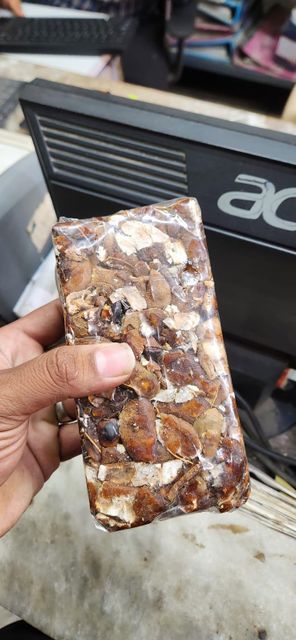
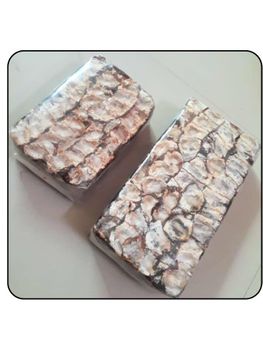
Whole Pods, De-seeded Pulp Blocks Or Slabs, Paste/concentrate, Powder
Yes
5.0
 India
India
Food manufacturing
India
Inquiry Open Rate
83%
Total inquiries received
75
Inquiries Read
62
Year Established
2022
Based on the information provided by the supplier.
 Iraq
Iraq
 Kuwait
 United Arab Emirates
 Iran
Iran
 China
China
Middle East
57%
Southeast Asia
29%
East Asia
14%
Verify business documents
By Freshdi Verification System
Verify work email
By Freshdi.com
Verify phone number
Buyer Verification Team
Verify account email
By Freshdi.com
Discover the richness and versatility of Tamarind — a natural fruit product with deep culinary, nutritional, and industrial applications. Ideal for food manufacturers, health-conscious consumers, and global traders alike.
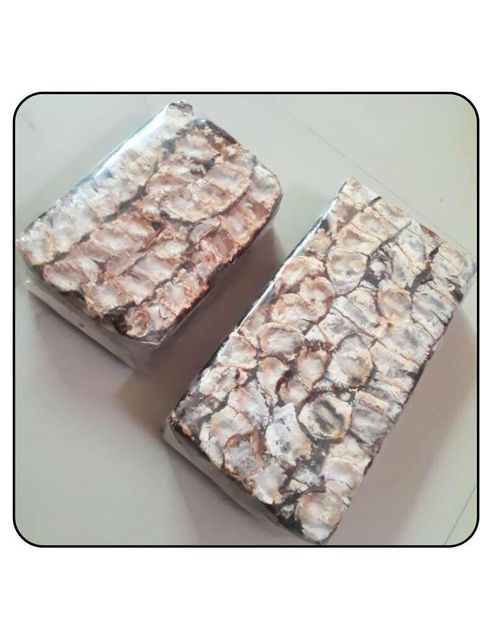
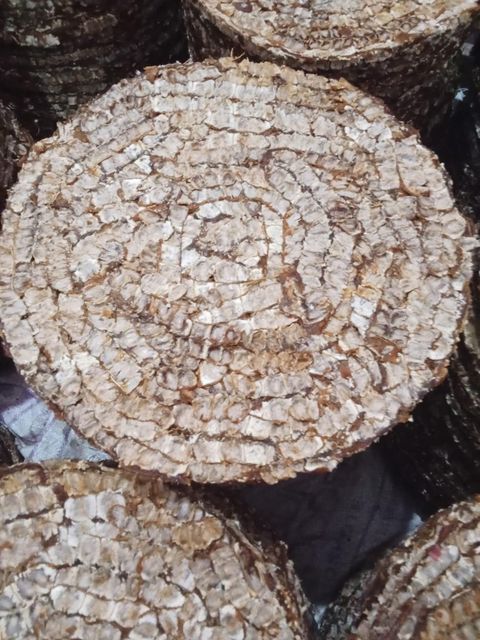
[Image: Whole Tamarind Pods]
Tamarind (Tamarindus indica) is a tropical leguminous tree bearing pod-like fruits that contain a tangy, sweet-and-sour pulp. This pulp is widely used in cuisines around the world, especially in Asian, African, and Latin American cooking. It is rich in nutrients, including vitamins, minerals, and dietary fiber.
The fruit's wood is hard and durable, sometimes used in woodworking, but it's the pulp that is the primary commercial product. Tamarind is harvested when the pods mature and dry on the tree, then shelled to extract the pulp either in natural form or processed into pastes, concentrates, powders, or sauces.
Tamarind varieties vary depending on the region, but typically the product is categorized by pulp color, moisture content, and seed presence. Common grades include:
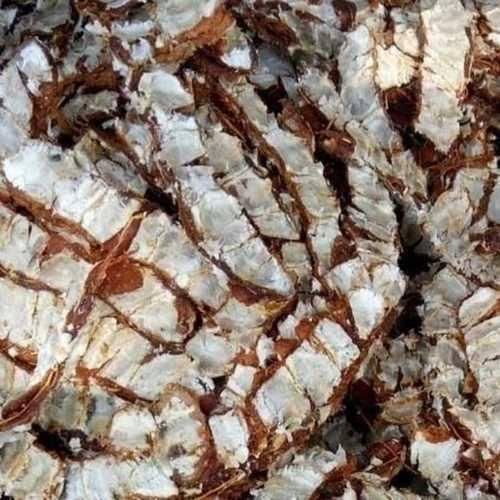
Tamarind pulp exhibits a unique balance of sourness and sweetness with a rich brown to dark reddish-brown color. It has a fibrous texture and distinctive tangy aroma.
Nutritional highlights per 100g of tamarind pulp:
Its natural antioxidant and dietary fiber content benefit digestion, heart health, and metabolic functions.
[Image: Tamarind Used in Cooking]
Tamarind's versatility makes it highly valued across various sectors:
Tamarind trees bear fruit typically during the dry season, when pods mature and dry naturally on the tree. The pods are harvested by hand, ensuring minimal damage to the pulp.
After harvesting, pods undergo cleaning and sorting. Depending on final product requirements, seeds are either retained or removed, and the pulp is sometimes concentrated or dried to reach the desired moisture content. Processing techniques focus on preserving the natural flavor, color, and nutritional properties.
Quality grading of tamarind typically considers:
Suppliers often comply with food safety standards and certifications depending on export destination requirements.
Tamarind products are packed in various forms to suit different market needs:
No reviews yet
Be the first to share your experience - your feedback helps other buyers trade with confidence.
You are viewing details for Tamarind. The information provided here is either posted directly by the supplier, who is responsible for its accuracy, or collected by Freshdi AI from publicly available sources. Freshdi strives to make product information as useful and reliable as possible, but we do not guarantee complete accuracy. If you notice any incorrect or misleading details, please use the Report Product option so our team can review and address it quickly.
$36
/ Carton
Min. order: Negotiable
Taha Rata (Founder/ Owner)
Active
Year Established: 2022
Business type
Food manufacturing
Main Export Markets
Copyright © 2026 Freshdi.com Freshdi Asia Pte. Ltd. All rights reserved.

Website Operator: Freshdi.com Freshdi Asia Pte. Ltd.