
Share on
Negotiable
Minimum order quantity: 1
Open to price negotiation
Supplier Country: Vietnam
Export market: Not specified
Key Takeaways


4.2
 Vietnam
404 Lê hồng Phong, Phường Bình Thủy, Quận Bình thủy, TP Cần Thơ
Avg Response Time
≤ 20h
Response Rate
86%
Inquiry Open Rate
56%
Total inquiries received
27
Verification information
Verify work email
By Freshdi.com
Verify phone number
Buyer Verification Team
Verify account email
By Freshdi.com
Verify business documents
External Validation
Company website
Supplier confirmed with Freshdi
Company Address
Supplier confirmed with Freshdi
No reviews yet
Be the first to share your experience - your feedback helps other buyers trade with confidence.
High-quality Tilapia fish products are available for the seafood market, offering a sustainable, affordable, and nutritious alternative to traditional marine fish. These products are widely used in both retail and wholesale seafood supply chains, catering to consumers seeking healthy, accessible protein sources.
Tilapia is typically categorized by species and quality. The most common varieties include Nile Tilapia (Oreochromis niloticus) and Mozambique Tilapia (Oreochromis mossambicus). These are often graded based on size, flesh firmness, color, and overall appearance.
Grades commonly used in trade include:
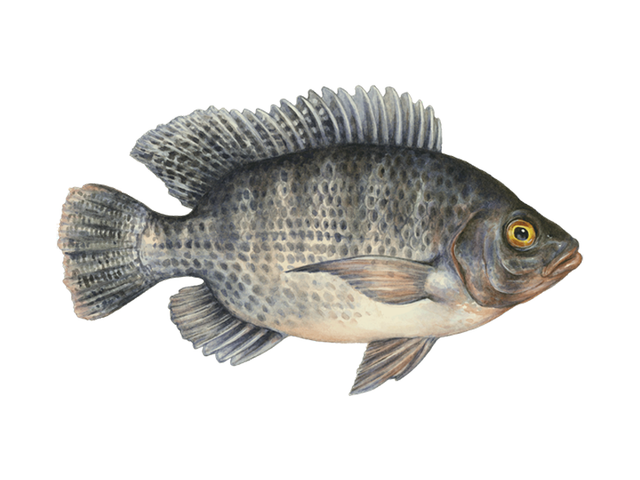
Tilapia is a freshwater fish known for its mild, slightly sweet flavor and white, tender flesh. It has a high fat content compared to many marine fish, which contributes to its rich texture and palatability.
Key physical traits include:
Tilapia is a rich source of high-quality protein, containing approximately 18–20 grams of protein per 100 grams of flesh. It is low in saturated fat and contains essential vitamins and minerals such as vitamin B12, vitamin D, phosphorus, and selenium.
It is also low in cholesterol and has a high water content, making it ideal for both fresh consumption and processed products like fillets, minced meat, or frozen ready-to-eat meals.
Tilapia is primarily farmed in controlled aquaculture environments, including ponds, tanks, and recirculating systems. Farming is highly efficient and scalable, with fish grown in a short time cycle—typically 6 to 12 months depending on the strain and conditions.
Production involves:
Quality standards for Tilapia are established by international trade bodies and regional food safety regulations. Key criteria include:
These standards ensure consistency and safety for consumers and processors.
Tilapia is widely used in both home cooking and commercial food production. Common applications include:
Its mild flavor and adaptability make it a popular choice in diverse cuisines, especially in regions where freshwater fish are more accessible.
Tilapia is commonly packaged in a range of formats to suit different markets and distribution channels:
Export trade typically involves compliance with international food safety regulations, including temperature control during transport and documentation for import requirements.
You are viewing details for Tilapia Fish. The information provided here is either posted directly by the supplier, who is responsible for its accuracy, or collected by Freshdi AI from publicly available sources. Freshdi strives to make product information as useful and reliable as possible, but we do not guarantee complete accuracy. If you notice any incorrect or misleading details, please use the Report Product option so our team can review and address it quickly.