

Share on
38 views
18 Inquiries
Minimum order quantity: 1 MT
Open to price negotiation
Supplier Country: Kenya
Export market: Venezuela, Bolivarian Republic of, Argentina, Austria, Bahrain
Key Takeaways
Freshdi AI is analyzing this product...

5.0
 Kenya
Kenya
Global Agricol Limited, Kenya
Avg Response Time
≤ 12h
Response Rate
20%
Inquiry Open Rate
69%
Total inquiries received
610
Based on the information provided by the supplier.
 Venezuela, Bolivarian Republic of
 Argentina
 Austria
 Bahrain
South America
50%
Middle East
25%
Western Europe
25%
Verification information
Verify business documents
By Freshdi Verification System
Verify phone number
Buyer Verification Team
Verify account email
By Freshdi.com
Verify work email
External Validation
Company website
Supplier confirmed with Freshdi
Company Address
Supplier confirmed with Freshdi
No reviews yet
Be the first to share your experience - your feedback helps other buyers trade with confidence.
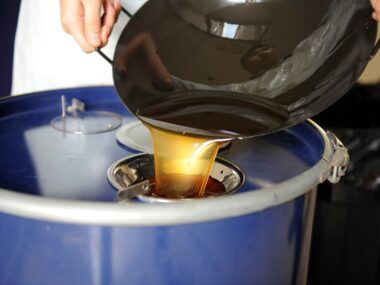
Used cooking oil is the residue left after food oils have been heated and used in cooking processes. It is collected from restaurants, food processing facilities, and households, and typically undergoes processing to remove food particles, water, and impurities before being repurposed for industrial or commercial applications.
This product is not intended for human consumption and is primarily used in non-food applications such as biodiesel production, industrial lubricants, and as a raw material in the manufacturing of soaps, detergents, and bio-based chemicals.
Used cooking oil is typically categorized by the type of original cooking oil used (e.g., vegetable oil, palm oil, canola oil) and its processing level. Common grades include:
The quality and suitability for a specific application depend on the initial oil type, cooking conditions, and post-cooking treatment.
Used cooking oil has a higher content of free fatty acids and triglycerides compared to virgin oils. It often contains water, food residues, and other contaminants. These characteristics affect its performance in downstream applications.
Key technical properties include:
The production of used cooking oil begins with collection from commercial kitchens, food service operations, and households. The oil is then transported to a processing facility where it undergoes several steps:
The processing level determines the final product’s suitability for biodiesel, soap manufacturing, or other industrial uses.
Used cooking oil is not consumed directly but is transformed into valuable products through chemical or physical processes. Major applications include:
Quality standards for used cooking oil vary by region and application. International standards such as ISO and ASTM provide guidelines for testing and classification. Key parameters include:
Proper grading ensures consistency and reliability in downstream processes.
Used cooking oil is typically packaged in drums (200L, 250L, or 300L), IBCs (Intermediate Bulk Containers), or in bulk containers for large-scale buyers. Packaging is designed to prevent contamination, oxidation, and moisture ingress.
It is commonly traded in regional and international markets, especially in countries with strong biodiesel industries or growing demand for sustainable industrial feedstocks. Export volumes depend on local regulations, processing capabilities, and end-use demand.
Reusing cooking oil instead of disposing of it in landfills or incinerators reduces environmental impact. It contributes to circular economy models by converting waste into valuable resources.
Proper handling and processing ensure that used cooking oil does not pose health or environmental risks. Recycling it supports sustainable development goals related to resource efficiency and climate change mitigation.
You are viewing details for Used Cooking Oil. The information provided here is either posted directly by the supplier, who is responsible for its accuracy, or collected by Freshdi AI from publicly available sources. Freshdi strives to make product information as useful and reliable as possible, but we do not guarantee complete accuracy. If you notice any incorrect or misleading details, please use the Report Product option so our team can review and address it quickly.


5.0
Georges
Active
Response Rate: 20%
Avg Response Time: ≤ 12h
Year Established: 2004
Main Export Markets
