


Share on
25 views
12 Inquiries
1 replies
≥ 25 MT
≥ 100 MT
≥ 1000 MT
Minimum order quantity: 25 MT
Open to price negotiation
Supplier Country: Poland
Export market: Albania, Armenia, Austria, Australia, Antigua and Barbuda
Key Takeaways


3.8
 Poland
Distributor/Wholesaler
Ul. Strzelców Bytomskich 4, 44-109 Gliwice
Inquiry Open Rate
45%
Total inquiries received
810
Inquiries Read
366
Year Established
2018
Based on the information provided by the supplier.
 Albania
 Armenia
 Austria
 Australia
 Antigua and Barbuda
Western Europe
39%
Eastern Europe
31%
Central America & Caribbean
13%
East Asia
9%
Middle East
7%
Verification information
Verify business documents
By Freshdi Verification System
Verify work email
By Freshdi.com
Verify account email
By Freshdi.com
Verify phone number
External Validation
Company Address
Supplier confirmed with Freshdi
Business Registered ID
Supplier confirmed with Freshdi
No reviews yet
Be the first to share your experience - your feedback helps other buyers trade with confidence.
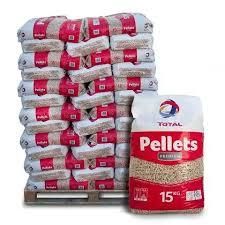
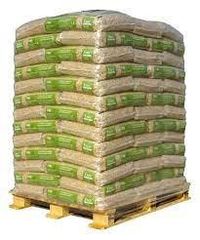
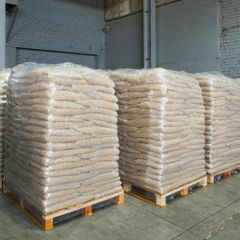
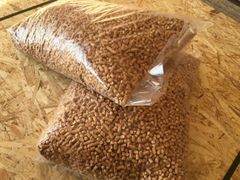
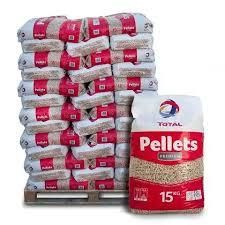
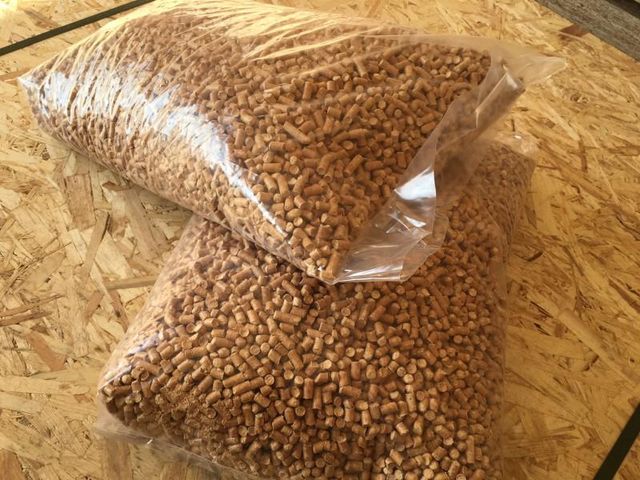
Wood pellets are small, cylindrical pieces of wood material, typically made from sawdust, wood shavings, and other wood byproducts that are compressed under high pressure. Their compact form and high energy density make them an efficient and convenient energy source, used primarily as heating fuel in stoves, boilers, and power plants.
The demand for wood pellets has grown significantly in recent decades, driven by environmental concerns, advancements in pellet stove technology, and government incentives for using renewable energy. As the world seeks to reduce dependence on coal, oil, and natural gas, wood pellets have emerged as a sustainable and practical solution for reducing greenhouse gas emissions.
The concept of using compressed biomass as fuel dates back to the early 20th century. Wood pellets, as we know them today, were first developed in the 1970s during the global energy crisis when there was a strong interest in finding alternative fuels. The early wood pellets were primarily used for industrial applications. However, as the technology improved, residential and commercial markets emerged, creating demand for small-scale pellet stoves and boilers.
In the 2000s, the wood pellet industry experienced rapid growth due to increasing concerns about climate change and energy security. Countries in Europe, North America, and Asia began to adopt policies promoting renewable energy sources, including wood pellets. As a result, production and consumption increased, with countries like the United States, Canada, and various European nations becoming major producers.
The production of wood pellets involves several key steps, from sourcing raw materials to processing, drying, and compressing the biomass into the final product. Quality control and adherence to industry standards are critical to producing high-performing wood pellets with consistent energy content.
The main raw materials used for wood pellets are sawdust, wood shavings, wood chips, and other wood byproducts. Some producers also use residues from logging operations, such as branches and tree tops, which would otherwise be left to decompose. Using byproducts reduces waste and makes wood pellets a more environmentally friendly option.
The raw materials must be processed and dried to achieve the correct moisture content before being converted into pellets. The moisture content of wood pellets typically ranges from 6% to 10%, ensuring a high energy density and efficient combustion. Processing may involve shredding, milling, and screening the raw material to achieve a uniform particle size.
The processed and dried material is fed into a pellet mill, where it is subjected to high heat and pressure. As the wood particles are forced through a die, they become compacted, and the natural lignin present in the wood acts as a binding agent, holding the pellets together. This process results in the creation of dense, cylindrical pellets.
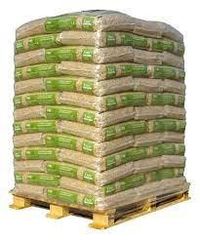
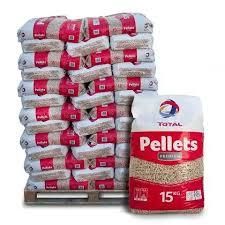
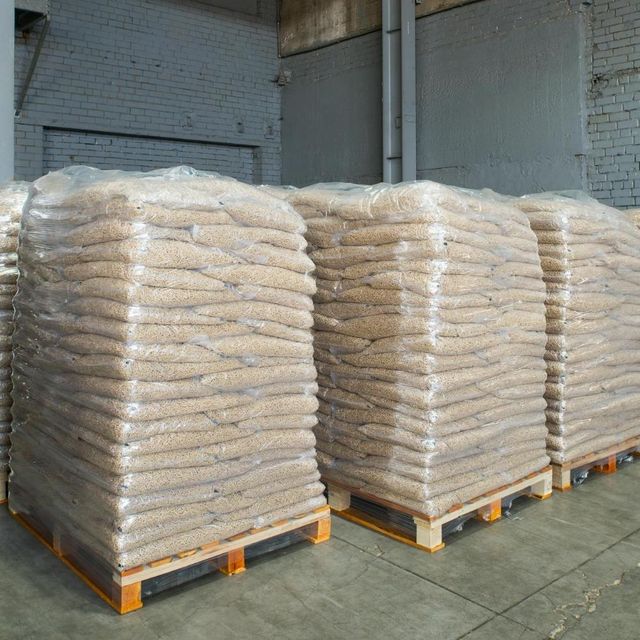
Once formed, the wood pellets must be cooled to harden and stabilize. The cooled pellets are then screened to remove fines (small particles) and packed into bags or bulk containers for distribution. Quality control measures ensure that the final product meets industry standards for size, moisture content, ash content, and energy value.
The use of wood pellets as a source of energy offers numerous benefits, making them an attractive alternative to fossil fuels for many consumers, businesses, and industries.
Wood pellets are a renewable resource, as they are derived from biomass that can be regrown and replenished. When managed sustainably, the production of wood pellets does not contribute to deforestation, as the raw materials come from sawmill residues, forest management byproducts, and dedicated energy crops.
Wood pellets are considered carbon-neutral because the carbon dioxide emitted during their combustion is offset by the carbon absorbed by trees during their growth. This cycle makes wood pellets a more environmentally friendly option compared to fossil fuels, which release carbon that has been stored for millions of years.
Wood pellets have a high energy density, making them efficient for storage, transportation, and combustion. Compared to raw biomass, such as firewood or wood chips, pellets provide more energy per unit of weight and volume.
When burned, wood pellets produce lower emissions of sulfur dioxide, nitrogen oxides, and particulates compared to coal and other fossil fuels. This makes them a cleaner option for heating and power generation, contributing to improved air quality and reduced health risks.
Wood pellets can be a cost-effective alternative to traditional heating fuels, such as oil or propane, especially in regions with access to affordable biomass resources. In addition, the use of pellet stoves and boilers can reduce heating costs over time due to their efficiency and lower fuel costs.
Wood pellets are versatile and can be used in a variety of applications, including residential heating stoves, industrial boilers, and power plants. Their uniform shape and size make them easy to handle, transport, and store. Automated feeding systems allow for convenient and consistent heating without the need for manual fuel handling.
Wood pellets have a broad range of applications in residential, commercial, and industrial settings. They are used for heating, electricity generation, and as a fuel source for various industrial processes.
Wood pellets are commonly used as fuel for residential pellet stoves and boilers. These devices are popular in colder climates where reliable and efficient home heating is essential. Pellet stoves offer an environmentally friendly alternative to traditional wood-burning stoves, providing consistent heat with minimal emissions.
Commercial and industrial facilities often use larger-scale pellet boilers for space heating, hot water production, and steam generation. The consistent quality and energy density of wood pellets make them a reliable choice for large-scale heating applications.
Wood pellets are increasingly used as a renewable energy source for electricity generation. Power plants can co-fire wood pellets with coal or use dedicated biomass boilers to generate electricity. This helps reduce greenhouse gas emissions and reliance on non-renewable energy sources.
In addition to their use as fuel, wood pellets are sometimes used as animal bedding due to their absorbent properties. The pellets break down into a soft, fluffy material when wet, providing a comfortable and hygienic bedding option for livestock and pets.
Wood pellets have become a significant export product for countries with abundant biomass resources. Europe and Asia are major markets for wood pellets, driven by policies promoting renewable energy and reducing carbon emissions.
The environmental impact of wood pellet production and use is a topic of ongoing debate. While wood pellets offer several environmental benefits compared to fossil fuels, their sustainability depends on factors such as sourcing practices, transportation emissions, and energy efficiency.
Sustainable forest management is critical to ensuring that wood pellet production does not lead to deforestation or habitat loss. Using wood residues, waste products, and sustainably harvested biomass can help minimize environmental impact. Certification programs, such as the Forest Stewardship Council (FSC) and Sustainable Forestry Initiative (SFI), provide standards for responsible forestry practices.
The carbon neutrality of wood pellets is often cited as a key benefit, but this claim depends on how the biomass is sourced and processed. If forests are sustainably managed and regrowth occurs, the carbon emitted during combustion can be offset by carbon sequestration in growing trees. However, if unsustainable practices are used, the carbon balance can be disrupted.
The environmental impact of transporting wood pellets from production sites to end users should also be considered. Long-distance transportation can increase the carbon footprint of wood pellets, especially when compared to locally sourced alternatives. Efficient logistics and local production can help reduce transportation-related emissions.
Wood pellets produce fewer pollutants than many other solid fuels, but their combustion still releases particulates and volatile organic compounds (VOCs). Properly designed and maintained pellet stoves and boilers can minimize emissions and ensure efficient combustion.
The wood pellet market has experienced steady growth over the past few decades, driven by demand for renewable energy, government incentives, and advancements in pellet technology. Several key trends and factors are likely to shape the future of the wood pellet industry.
As countries continue to transition away from fossil fuels and adopt policies to reduce carbon emissions, the demand for renewable energy sources like wood pellets is expected to grow. The European Union’s renewable energy targets and the increasing popularity of biomass energy in Asia are examples of market drivers.
Advancements in pellet stove and boiler technology have improved combustion efficiency, reduced emissions, and increased convenience for consumers. Automated feeding systems, smart controls, and hybrid heating systems are examples of innovations that enhance the appeal of wood pellets.
Government policies and incentives play a significant role in shaping the wood pellet market. Policies that promote renewable energy, carbon pricing, and emissions reduction targets can encourage the use of wood pellets for heating and electricity generation. However, regulatory changes or shifts in policy priorities could also impact the market.
The wood pellet industry faces challenges related to supply chain logistics, raw material availability, and transportation costs. Ensuring a consistent supply of high-quality raw materials and managing the costs associated with transportation and distribution are critical for market stability.
Consumer demand for environmentally sustainable products has led to the adoption of certification programs for wood pellets. Certifications provide assurance that pellets are produced using sustainable forestry practices and meet quality standards for energy content and emissions.
While wood pellets offer numerous advantages as a renewable energy source, there are challenges and limitations that must be addressed to maximize their benefits.
Wood pellets compete with other biomass fuels, such as wood chips, briquettes, and agricultural residues. The choice of fuel depends on factors such as cost, availability, and suitability for specific applications.
The price of wood pellets can fluctuate based on factors such as raw material costs, production capacity, and demand. Price volatility can affect the affordability and competitiveness of wood pellets compared to other fuels.
The expansion of the wood pellet industry has raised concerns about land use, biodiversity, and habitat loss. Sustainable sourcing practices and responsible land management are essential to mitigate these concerns.
Wood pellets are a versatile and sustainable source of energy with numerous applications in heating, electricity generation, and beyond. As the world seeks to transition away from fossil fuels, wood pellets offer a renewable, low-emission alternative that can contribute to a more sustainable energy future. By addressing challenges related to sustainability, supply chain management, and technological innovation, the wood pellet industry can continue to play a vital role in the global shift towards renewable energy.
Do you strive for a sustainable lifestyle while maintaining the warmth and comfort of your home? Look no further than our exceptional wood pellet products. Our range includes high-quality Wood-Polish and Pellet-Encapsulator, designed to elevate your living space with eco-friendly solutions.
At [Your Company Name], we are committed to providing top-tier products that align with your values of sustainability and quality. Join us in the journey towards a greener future with our premium wood pellet range!
You are viewing details for top quality wood pellet heating system supplier 0.1% ash content factory price wholesale bulk / Premium quality wood pellet heating system supplier 0.1% ash content international bulk supplier. The information provided here is either posted directly by the supplier, who is responsible for its accuracy, or collected by Freshdi AI from publicly available sources. Freshdi strives to make product information as useful and reliable as possible, but we do not guarantee complete accuracy. If you notice any incorrect or misleading details, please use the Report Product option so our team can review and address it quickly.

3.8
Sylwia Anna (Sale/ Marketing/ Sourcing Manager)
Active
Year Established: 2018
Business type
Distributor/Wholesaler
Main Export Markets