Share on
Negotiable
Minimum order quantity: 1
Open to price negotiation
Supplier Country: China
Export market: Malaysia, Thailand, Philippines, South Africa
Key Takeaways
Freshdi AI is analyzing this product...
1
15–20%%
25–30%%
Acceptable For Processing, May Have Minor Imperfections
Below 8%%
Compliance With Fda, Usda, Or Eu Standards
Dried In Controlled Environments To Reduce Moisture
Harvested When Pods Turn Dry And Shells Crack Open
High Quality, Uniform Size, Clean Appearance, Minimal Defects
Lower Grade, Used Primarily In Bulk Or Industrial Applications
Moisture Content (ideally Below 8%%), Foreign Material Content, Color Uniformity, Absence Of Mold Or Insect Infestation
North America, Europe, And Asia
Popular In Premium Snack Products And Gourmet Food Lines
Rich In Protein, Healthy Fats, Fiber, Vitamin E, Magnesium, And B6
Roasted, Salted, Used In Sauces, Snacks, Confectionery, Peanut Butter, Protein Bars, Baked Goods
Sealed, Moisture-resistant Bags Or Bulk Containers With Clear Labeling Indicating Variety, Grade, Weight, And Origin
Shelled, Sorted By Size And Color, And Graded
Slightly Higher In Red Peanuts Due To Natural Pigments
Southern United States, Parts Of Africa, And Southeast Asia
To be discussed
To be discussed
White And Red
White Variety Has A Milder Flavor; Red Variety Has A Richer Flavor
White Variety Has A Slightly Softer Texture; Red Variety Is More Robust
3.6
 China
China
China
Inquiry Open Rate
100%
Total inquiries received
9
Inquiries Read
9
Based on the information provided by the supplier.
 Malaysia
 Thailand
 Philippines
 South Africa
Southeast Asia
75%
Southern Africa
25%
Verify phone number
Buyer Verification Team
Verify account email
By Freshdi.com
Verify business documents
Verify work email
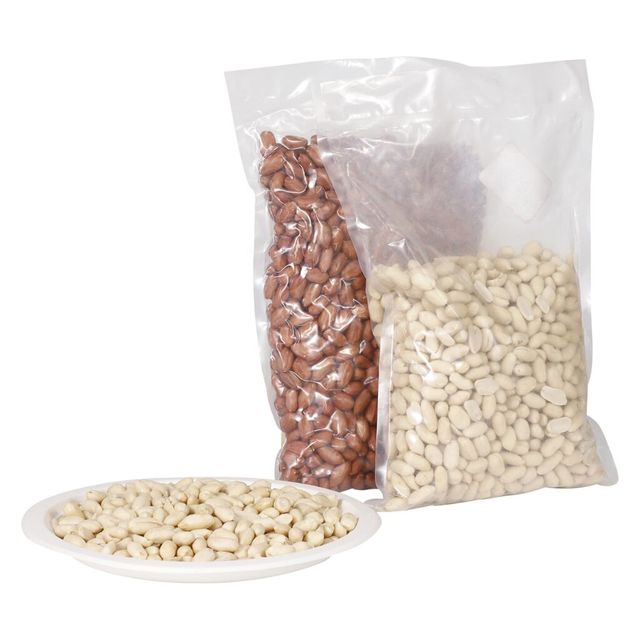
White and red peanut is a naturally occurring variety of peanut, distinguished by its two distinct colors: white flesh and red flesh. This dual-color characteristic is primarily due to differences in the genetic makeup and pigment composition of the seeds. The white variety typically has a milder flavor and a slightly softer texture, while the red variety is often richer in flavor and more robust in texture. Both are commonly used in food processing and culinary applications where visual appeal and flavor balance are important.
White and red peanuts are typically categorized by grade based on size, shape, color consistency, and the presence of defects such as mold, insect damage, or foreign matter. Common grades include:
Peanuts are rich in protein, healthy fats, fiber, and essential vitamins and minerals such as vitamin E, magnesium, and B6. White and red varieties have similar nutritional profiles, though red peanuts may contain slightly higher levels of antioxidants due to their natural pigments. The oil content and protein content typically range between 15–20% and 25–30% respectively. Moisture content is usually kept below 8% during storage to maintain shelf life and prevent spoilage.
Peanuts are harvested when the pods turn dry and the shells crack open. The pods are then collected, cleaned, and dried in controlled environments to reduce moisture. After drying, the peanuts are shelled, sorted by size and color, and graded. The entire process is typically carried out in regions with suitable climates, such as the southern United States, parts of Africa, and Southeast Asia, where the soil and temperature conditions support peanut cultivation.
White and red peanuts are widely used in both food and industrial applications. In culinary uses, they are commonly roasted, salted, or used in sauces, snacks, and confectionery. In processed foods, they serve as a source of protein and fat in products such as peanut butter, protein bars, and baked goods. The dual-color nature makes them popular in premium snack products and gourmet food lines where visual appeal is a selling point.
Quality standards for white and red peanuts are typically governed by international food safety and quality guidelines. Key parameters include moisture content (ideally below 8%), foreign material content, color uniformity, and absence of mold or insect infestation. These standards ensure consistency, safety, and shelf stability, especially when the product is intended for export or long-term storage.
White and red peanuts are commonly packaged in sealed, moisture-resistant bags or in bulk containers with clear labeling indicating variety, grade, weight, and origin. Export trade typically involves compliance with international food safety regulations such as FDA, USDA, or EU standards. The product is traded globally, with major markets in North America, Europe, and Asia, where demand for natural, minimally processed snacks is growing.
Note: The information provided is based on general industry knowledge and established facts about white and red peanuts. No company-specific details have been included or inferred beyond the product category itself.
No reviews yet
Be the first to share your experience - your feedback helps other buyers trade with confidence.
You are viewing details for White And Red Peanut. The information provided here is either posted directly by the supplier, who is responsible for its accuracy, or collected by Freshdi AI from publicly available sources. Freshdi strives to make product information as useful and reliable as possible, but we do not guarantee complete accuracy. If you notice any incorrect or misleading details, please use the Report Product option so our team can review and address it quickly.
Negotiable
Min. order: Negotiable
Copyright © 2026 Freshdi.com Freshdi Asia Pte. Ltd. All rights reserved.

Website Operator: Freshdi.com Freshdi Asia Pte. Ltd.