



Red Palm Oil: Overview and Varieties
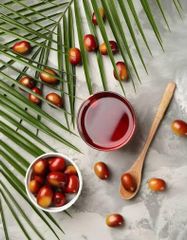
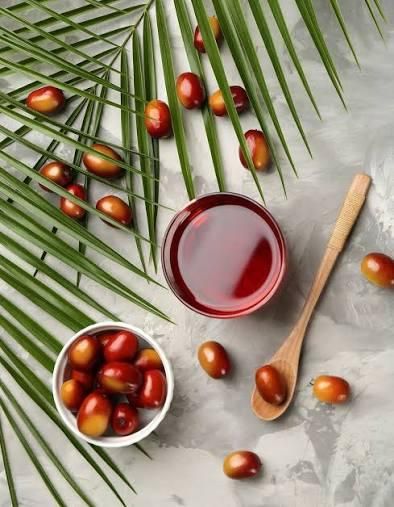
Red palm oil is a natural oil extracted from the fruit of the oil palm tree (Elaeis guineensis). It is well-known for its distinctive deep reddish-orange color, which comes from its high beta-carotene content. The oil is prized in both culinary and industrial contexts.
Common varieties and grades include:
- Crude Red Palm Oil: The unrefined oil that retains most of its natural nutrients and pigments.
- Refined, Bleached, and Deodorized (RBD) Palm Oil: Processed to remove impurities for neutral flavor and color, often used in processed foods.
- Cold-pressed Palm Oil: Obtained without heat to retain maximum nutrients, typically used for specialty applications.
Characteristics and Nutritional Properties
Red palm oil is highly regarded for its rich nutritional profile and technical qualities:
- Rich in carotenoids, particularly beta-carotene and lycopene, natural antioxidants that give the oil its vibrant red color.
- High in vitamin E (tocopherols and tocotrienols), important for protective cellular functions.
- Contains a balanced composition of saturated and unsaturated fatty acids, providing stability and health benefits.
- Oxidative stability makes it suitable for cooking at high temperatures.
Common Uses and Applications
Red palm oil is widely used across many industries due to its color, flavor, and functional qualities:
- Culinary use: Traditional cooking oil in West African, South Asian, and Southeast Asian cuisines; excellent for frying, sautéing, and baking.
- Food manufacturing: Ingredient in margarine, confectionery, snack foods, and baked goods.
- Cosmetics and personal care: Used in soaps, shampoos, and skincare products for moisturizing and antioxidant benefits.
- Biofuel production: Raw material for biodiesel due to its favorable processing properties.
Harvesting and Production Process
Red palm oil is extracted from the fleshy pulp of fresh oil palm fruit bunches. The production involves the following key steps:
- Harvesting: Fresh fruit bunches are harvested from oil palm plantations when ripe.
- Sterilization: Fruit bunches are steamed or boiled to soften the pulp and inhibit enzymatic activity.
- Threshing: Separation of fruit from the bunch.
- Pulp digestion and pressing: The fruit pulp is digested to loosen the oil and then pressed to extract the crude oil.
- Clarification: Removal of impurities and residue to obtain clean red palm oil.
This process helps retain the rich nutrients and natural color that distinguish red palm oil.
Quality and Grading Standards
Quality of red palm oil is evaluated based on parameters such as free fatty acid content, moisture level, color intensity, and presence of impurities. Common standards and certifications in the industry focus on:
- Compliance with food safety regulations (e.g., Codex Alimentarius).
- Acidity level (free fatty acid) to ensure freshness.
- Color measurement to ascertain carotenoid content and degree of refining.
- Microbiological quality to ensure absence of contamination.
- Traceability and sustainable sourcing certifications in some markets.
Packaging and Export Trade Context
Wholesale red palm oil is typically packaged to preserve quality and facilitate international shipping. Common packaging formats include:
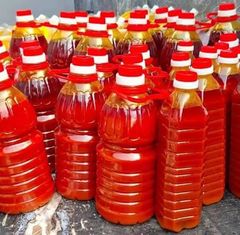
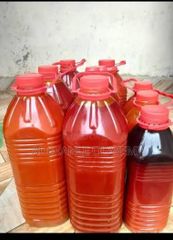
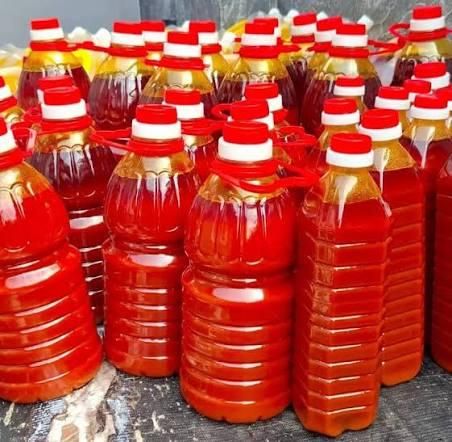
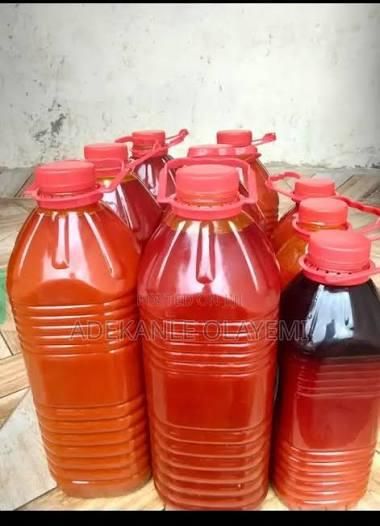
- Food-grade plastic jerrycans and bottles in sizes from 1L up to 25L for retail and bulk sales.
- Metal tins or drums (typically 200L) for industrial and large volume buyers.
- Flexible intermediate bulk containers (FIBCs) and drums for very large shipments.
When exported, red palm oil supply chains focus on maintaining product integrity through temperature control, contamination prevention, and documentation complying with import country regulations.