
Share on
1 views
1 Inquiries
1-1000000 Tons
Good Price
Minimum order quantity: 1 Tons
Open to price negotiation
Supplier Country: India
Export market: Australia, New Zealand, United Kingdom, United States, Peru
Key Takeaways

3.7
 India
Manufacturer
Uttar Pradesh
Inquiry Open Rate
3%
Total inquiries received
268
Inquiries Read
8
Year Established
2020
Based on the information provided by the supplier.
 Australia
 New Zealand
 United Kingdom
 United States
 Peru
Western Europe
44%
Oceania
22%
North America
11%
South America
11%
Southeast Asia
11%
Verification information
Verify business documents
By Freshdi Verification System
Verify work email
By Freshdi.com
Verify phone number
Buyer Verification Team
Verify account email
By Freshdi.com
External Validation
Company website
Supplier confirmed with Freshdi
Company Address
Supplier confirmed with Freshdi
Business Registered ID
Supplier confirmed with Freshdi
No reviews yet
Be the first to share your experience - your feedback helps other buyers trade with confidence.
Canola Seeds: A Modern Oilseed Crop with Global Impact
Canola seeds are the small, round seeds of the canola plant, a type of rapeseed (Brassica napus or Brassica rapa) developed through traditional plant breeding techniques to reduce undesirable components found in earlier rapeseed varieties. Canola is prized worldwide for its light, heart-healthy oil and protein-rich meal, making it one of the most important oilseed crops grown today. With applications ranging from cooking oil to biofuels and animal feed, canola seeds play a significant role in global agriculture and food systems.
Origin and Development
The name "canola" stands for “Canadian Oil, Low Acid,” referring to its origins in Canada in the 1970s. Scientists developed canola as an improved variety of rapeseed by lowering levels of erucic acid and glucosinolates, two naturally occurring compounds that were previously considered unfit for human and animal consumption. The result was a new oilseed crop that quickly gained popularity for its health benefits, versatility, and economic value.
Today, canola is cultivated in various countries with temperate climates, including Canada (the largest producer), Australia, the United States, China, and some parts of Europe.
Physical Characteristics and Processing
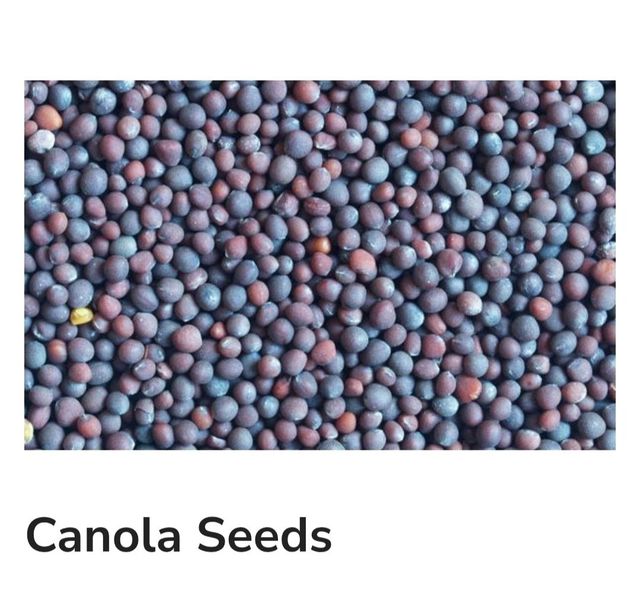
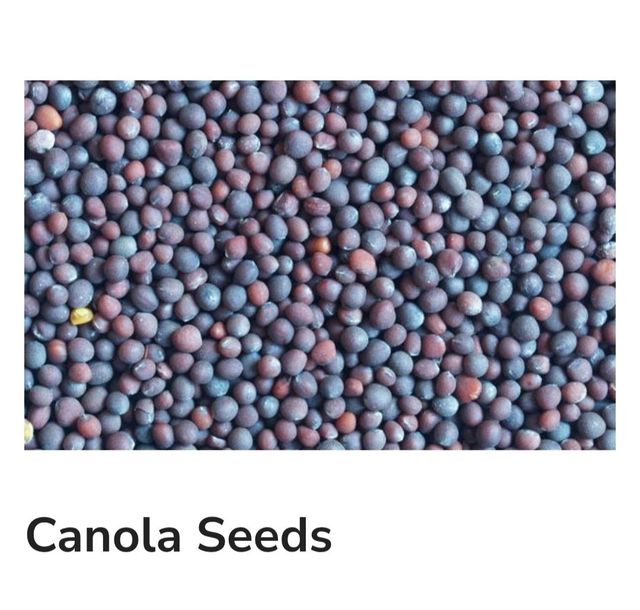
Canola seeds are small, round, and dark brown to black in color. They are typically harvested once the plant's seed pods have dried and matured. After harvesting, the seeds undergo a cleaning and pressing process to extract the oil. The two main products obtained from canola seeds are:
Nutritional Benefits of Canola Oil
Canola oil is one of the healthiest cooking oils available and is widely recommended by health organizations due to its beneficial fat profile:
Due to these attributes, canola oil is commonly used in cooking, baking, salad dressings, and processed food production.
Agricultural and Environmental Importance
Canola is a valuable crop for farmers due to its high yield potential, market demand, and suitability for crop rotation. It is often grown in rotation with cereals like wheat or barley, helping to break pest and disease cycles and improve soil health.
Canola plants are also efficient in converting sunlight into energy and require relatively moderate inputs compared to other oilseed crops. In recent years, canola has gained attention as a sustainable feedstock for biofuels, particularly biodiesel, due to its low carbon footprint.
Economic Significance
Canola seeds contribute significantly to the agricultural economy of many producing countries. In Canada, for example, canola is one of the top agricultural exports, generating billions of dollars in trade revenue annually. The global demand for canola oil and meal continues to grow, driven by health-conscious consumers, food manufacturers, and livestock industries.
Challenges and Innovations
Like many modern crops, canola faces challenges such as pest resistance, climate stress, and market volatility. However, advances in plant breeding, biotechnology, and agronomic practices are helping to address these issues. Researchers are developing new varieties that are more heat- and drought-tolerant, pest-resistant, and high-yielding to meet global demand while minimizing environmental impact.
Conclusion
Canola seeds are a modern agricultural success story—offering a healthy oil for consumers, a valuable meal for livestock, and a profitable crop for farmers. Their balanced nutritional profile, diverse applications, and contribution to sustainable farming make canola an essential oilseed in today’s global food system. As the world seeks healthier and more sustainable food sources, canola will continue to play a leading role in nourishing people and the planet.
You are viewing details for canola seeds. The information provided here is either posted directly by the supplier, who is responsible for its accuracy, or collected by Freshdi AI from publicly available sources. Freshdi strives to make product information as useful and reliable as possible, but we do not guarantee complete accuracy. If you notice any incorrect or misleading details, please use the Report Product option so our team can review and address it quickly.
3.7
Rishi (Founder/ Owner)
Active
Year Established: 2020
Business type
Manufacturer
Main Export Markets