
Share on
4 views
2 Inquiries
Negotiable
Minimum order quantity: 1
Open to price negotiation
Supplier Country: India
Export market: Australia, Azerbaijan, Bulgaria, Canada, China
Key Takeaways
Freshdi AI is analyzing this product...
4.7
 India
India
Distributor/Wholesaler, Manufacturer, Trading Company
Jaylal market , Near bai sa mandir , Mata than Road , Jodhpur , Rajasthan , 342304 India
Total inquiries received
36
Year Established
2010
Number of Employees
11-50 employees
Annual Revenue
Annual revenue of USD 1M~5M
Based on the information provided by the supplier.
 Australia
 Azerbaijan
 Bulgaria
 Canada
 China
China
East Africa
33%
Western Europe
24%
Eastern Europe
14%
Oceania
14%
Southeast Asia
14%
Verification information
Verify business documents
By Freshdi Verification System
Verify work email
By Freshdi.com
Verify phone number
Buyer Verification Team
Verify account email
By Freshdi.com
External Validation
Company website
Supplier confirmed with Freshdi
Company Address
Supplier confirmed with Freshdi
No reviews yet
Be the first to share your experience - your feedback helps other buyers trade with confidence.
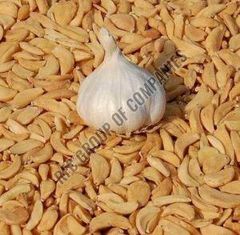
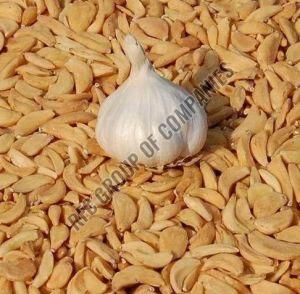
Dehydrated garlic is a widely used food ingredient derived from the drying of fresh garlic cloves. This process removes moisture, preserving the flavor, aroma, and active compounds while significantly extending shelf life. It is a popular choice in both commercial food manufacturing and home kitchens due to its convenience, concentrated flavor, and versatility.
Dehydrated garlic is typically produced from the most common garlic varieties, including:
Grades of dehydrated garlic are generally categorized by quality, moisture content, and appearance. Premium grades feature intact cloves, uniform size, and minimal discoloration, while standard grades may have slightly more fragmentation or moisture variation.
Dehydrated garlic is typically harvested in late summer or early fall when the bulbs have fully matured. After harvesting, the garlic is cleaned, trimmed, and sliced into cloves. The cloves are then subjected to one of several drying methods:
After drying, the garlic is cooled, screened, and packaged to maintain freshness and prevent rehydration.
Dehydrated garlic retains many of the beneficial compounds found in fresh garlic, including allicin, a sulfur-containing compound known for its antimicrobial and antioxidant properties. It is also a good source of dietary fiber, vitamin C, and small amounts of selenium and manganese.
Dehydrated garlic has a concentrated, pungent aroma and a sharp, savory flavor. When rehydrated or used in cooking, it releases its full flavor profile, making it ideal for seasoning, flavoring, and enhancing the taste of sauces, oils, soups, and baked goods.
Due to the low moisture content, dehydrated garlic can last up to 2–3 years when stored in a cool, dry, and dark environment. It should be kept away from direct sunlight and high humidity to prevent spoilage.
Dehydrated garlic is used across a wide range of food applications:
Its concentrated nature makes it especially valuable in products where flavor intensity is critical, such as in international cuisine or in food manufacturing with limited space for fresh ingredients.
Quality standards for dehydrated garlic are typically based on:
These standards are often aligned with international food safety and quality guidelines, including those from the Codex Alimentarius and ISO standards for food processing.
Dehydrated garlic is commonly packaged in vacuum-sealed bags, aluminum foil pouches, or mylar-lined containers to protect against moisture and oxidation. Packaging often includes clear labeling with the product name, net weight, moisture content, and country of origin.
It is exported globally to regions with high demand for dried spices and flavorings, including Asia, the Middle East, Europe, and North America. The product is frequently traded in bulk, with specifications tailored to regional food processing needs.
You are viewing details for dehydrated garlic. The information provided here is either posted directly by the supplier, who is responsible for its accuracy, or collected by Freshdi AI from publicly available sources. Freshdi strives to make product information as useful and reliable as possible, but we do not guarantee complete accuracy. If you notice any incorrect or misleading details, please use the Report Product option so our team can review and address it quickly.
4.7
Rajesh (Founder/ Owner)
Active
Year Established: 2010
Business type
Distributor/Wholesaler, Manufacturer, Trading Company
Main Export Markets