
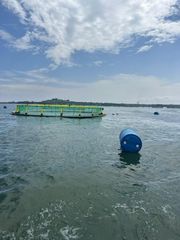
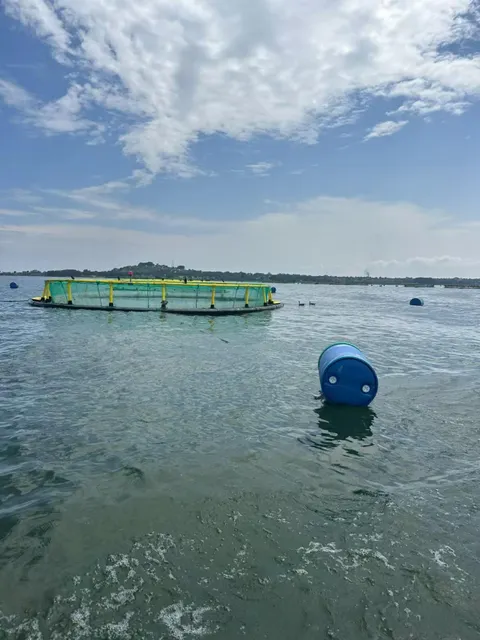
floating fsih cage - Image 1
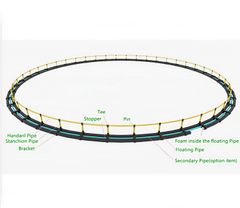
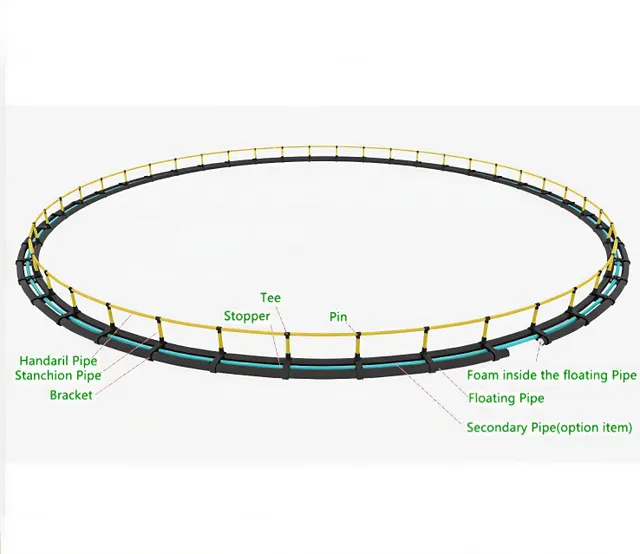
floating fsih cage - Image 2
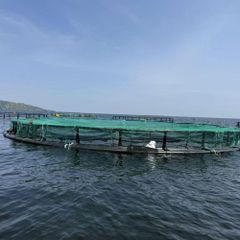
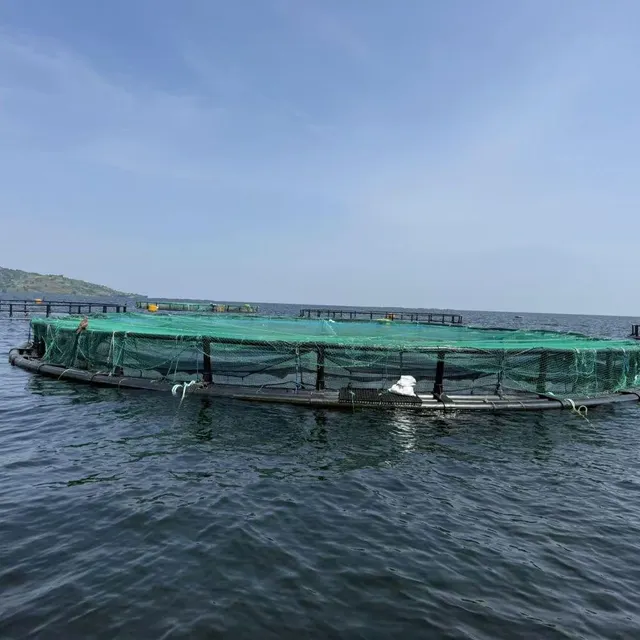
floating fsih cage - Image 3
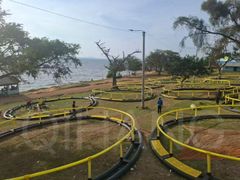
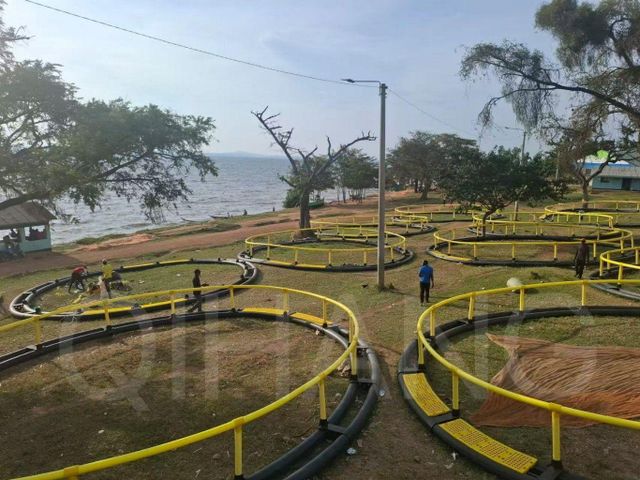
floating fsih cage - Image 4
floating fsih cage - Image 1
floating fsih cage - Image 2
floating fsih cage - Image 3
floating fsih cage - Image 4

floating fsih cage


Set

$600

MOQ:

4 Set

Payment Term:

T/T

Trade Term:

EXW

Port Of Loading:

Protective Wrappings For Nets And Metal Components

Key Takeaways

Freshdi AI is analyzing this product...

UV Resistance Floating Fish Cage
High Tensile Strength Netting
Best Aquaculture Compliance

Product Specifications

Water Flow Management:

Allows Optimal Water Exchange

Mesh Size:

Appropriate For Target Species

Shape:

Circular Or Rectangular

Application:

Commercial And Subsistence Aquaculture

Modularity:

Designed For Easy Assembly, Disassembly, And Transport

Packaging:

Disassembled Into Modular Parts With Protective Wrappings

Environmental Compatibility:

Ensures Environmental Compatibility

Frame Material:

Galvanized Or Stainless Steel

Float Material:

Hdpe Or Foam

Netting Strength:

High Tensile Strength

Netting Material:

High-strength Nylon Or Polyethylene

Corrosion Resistance:

Resistant To Corrosion

Uv Resistance:

Resistant To Uv Radiation

Buoyancy:

Stable In Rough Water Conditions

Fish Species Compatibility:

Suitable For Tilapia, Salmon, Sea Bass, Grouper, Cobia

Structural Integrity:

Tested For Frame Strength, Corrosion Resistance, And Impact Absorption

Harvesting Method:

Using Nets Or Lifts Designed For Cage Systems

Compliance:

With Best Aquaculture Practices And Environmental Regulations

Durability:

Withstands Physical Damage From Waves And Marine Animals

Product Type:

fish cage

2.7

China FlagChina

Consulting, Trade

China

Export Markets

Based on the information provided by the supplier.

Kenya FlagKenya

Angola FlagAngola

Kenya

50%

Angola

50%

Verification information

Verify phone number

Buyer Verification Team

Verify account email

By Freshdi.com

Verify business documents

Verify work email

Product descriptions from the supplier

Premium Floating Fish Cages for Sustainable Aquaculture

Explore our high-quality floating fish cages designed for efficient and sustainable aquaculture practices. Our cages are engineered to optimize fish farming productivity while ensuring environmental compatibility and ease of operation.
Floating fish cage structure on water Close-up of durable netting of floating fish cage Aerial view of floating fish cages in aquaculture farm

About Our Company

Our company specializes in manufacturing and supplying floating fish cages widely used in aquaculture operations. We are committed to delivering durable, reliable, and innovative cage solutions to meet the diverse needs of fish farmers globally.

What Are Floating Fish Cages?

Floating fish cages are aquaculture enclosures designed to contain fish stock in open water bodies such as lakes, reservoirs, rivers, or coastal areas. These cages allow for efficient fish farming by providing a controlled environment, while maintaining natural water flow and oxygen levels around the fish.

Common Varieties and Grades

Floating fish cages come in several varieties based on size, shape, and materials used. The most common types include:

  • Circular Cages: Provide uniform water flow and minimize fish stress, commonly used for culturing species like tilapia, salmon, and sea bass.
  • Rectangular or Square Cages: Often used for ease of installation and to maximize space efficiency in farm layouts.
  • Material Grades: Typically constructed from HDPE floats, galvanized or stainless steel frames, and high-strength nylon or polyethylene netting to withstand harsh aquatic conditions.

Typical Characteristics & Technical Properties

  • Durability: Resistant to corrosion, UV radiation, and physical damage from waves or marine animals.
  • Buoyancy: Integrated floats provide stable buoyancy ensuring cages remain afloat even in rough water conditions.
  • Netting Quality: High tensile strength nets with appropriate mesh size to retain fish but allow optimal water exchange.
  • Modularity: Components designed for easy assembly, disassembly, and transport to different farming sites.

Nutritional and Environmental Benefits of Aquaculture with Floating Fish Cages

Fish cultivated in floating cages are a rich source of high-quality protein, omega-3 fatty acids, vitamins, and minerals. These systems allow fish to grow in conditions that mimic their natural habitats, which can contribute to healthier, more nutritious seafood options.

Environmentally, floating cages reduce the need for land-based feedlots and minimize freshwater usage compared to conventional farming, promoting sustainable aquatic food production.

Common Uses and Applications

Floating fish cages are used globally in commercial and subsistence aquaculture. Applications include:

  • Farming high-value species like salmon, grouper, cobia, and tilapia.
  • Supporting stock enhancement programs to replenish wild fish populations.
  • Experimental and research activities in aquatic biology and aquaculture development.
  • Community and small-scale inland fish farming projects.

Harvesting and Production Process

Fish farming in floating cages generally follows these steps:

  • Site Selection: Choosing optimal water locations with good water quality, flow, and depth.
  • Stocking: Introducing fry or fingerlings into the cages at appropriate densities.
  • Feeding & Monitoring: Regular feeding with formulated feeds, health checks, and water quality management.
  • Harvesting: Collecting mature fish efficiently with minimal stress, often using nets or lifts designed specifically for cage systems.

Quality and Grading Standards

Quality floating fish cages adhere to industry standards for materials strength, environmental safety, and operational durability. Standards often specify:

  • Float material specifications such as UV-stabilized HDPE or foam to ensure longevity and performance.
  • Netting mesh size and strength adapted to target species and environmental conditions.
  • Structural integrity tests for frame strength, corrosion resistance, and impact absorption.
  • Compliance with best aquaculture practices and environmental regulations to reduce ecological impact.

Packaging and Export Context

Floating fish cages are typically disassembled into modular parts for compact and efficient packaging to reduce shipping volume and cost. Packaging often includes protective wrappings for nets and metal components to prevent damage during transportation. Export shipments follow customs and regulatory guidelines ensuring parts arrive ready for prompt assembly at the destination facility.

User Reviews

No reviews yet

Be the first to share your experience - your feedback helps other buyers trade with confidence.

Related searches

You are viewing details for floating fsih cage. The information provided here is either posted directly by the supplier, who is responsible for its accuracy, or collected by Freshdi AI from publicly available sources. Freshdi strives to make product information as useful and reliable as possible, but we do not guarantee complete accuracy. If you notice any incorrect or misleading details, please use the Report Product option so our team can review and address it quickly.

floating fsih cage

$600

/ Set

Min. order: Negotiable

China FlagChina

2.7

Frank lin (Sale/ Marketing/ Sourcing Manager)

Active

Business type

Consulting, Trade

Main Export Markets