
Share on
37 views
23 Inquiries
Negotiable
Minimum order quantity: 100 Kilogram/Cubic Centimeter
Open to price negotiation
Supplier Country: China
Export market: Saudi Arabia
Key Takeaways
Freshdi AI is analyzing this product...
3.6
 China
China
China
Avg Response Time
≤ 14h
Response Rate
5%
Inquiry Open Rate
74%
Total inquiries received
78
Based on the information provided by the supplier.
 Saudi Arabia
Middle East
100%
Verify business documents
By Freshdi Verification System
Verify phone number
Buyer Verification Team
Verify account email
By Freshdi.com
Verify work email
No reviews yet
Be the first to share your experience - your feedback helps other buyers trade with confidence.
I. What is Matcha?
Matcha is an ultra-fine powdered green tea produced through a specialized steaming process. Its core characteristics are:
· Raw Material: Sourced from shade-grown tea plants to enhance chlorophyll and theanine content.
· Production Method: After steaming and drying, the leaves are de-stemmed and de-veined, then stone-ground into an extremely fine powder.
· Preparation: The powder is placed directly into a tea bowl, hot water is poured over it, and it is whisked vigorously with a bamboo whisk to create a frothy foam. The tea is then consumed along with the powder, allowing for the complete intake of all the tea's nutrients.
II. Core Characteristics: Fundamental Differences from Other Green Teas
Matcha
Form: Powder
Cultivation: Shade-grown (approx. 20-30 days) to promote umami compounds (theanine). Typically grown outdoors.
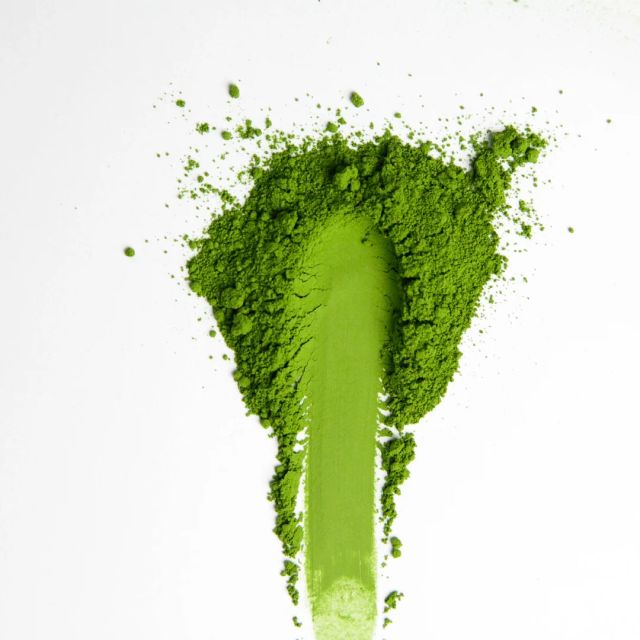
Processing: Steam-fired, de-veined and de-stemmed, stone-ground into an ultra-fine powder of 1000-1200 mesh.
Consumption: Powder dissolved in water, consumed entirely
Flavor Profile: Rich, umami-forward, velvety texture with a hint of seaweed aroma, subtle sweet aftertaste, refreshingly crisp.
III. Flavor Grades and Quality Levels:
Matcha's flavor and price primarily depend on its intended use and quality:
1. Culinary Grade: Commonly used in baking, cosmetics, ice cream, etc. Slightly bitter taste.
2. Premium Grade: Ideal for daily consumption, adding to coffee, milk, etc. Smooth and velvety, without bitterness or astringency.
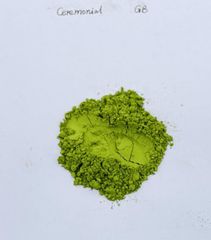
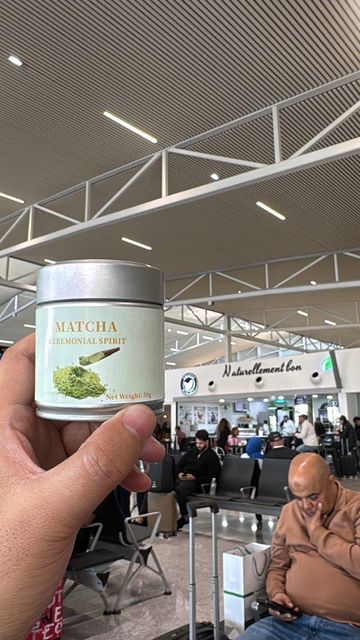
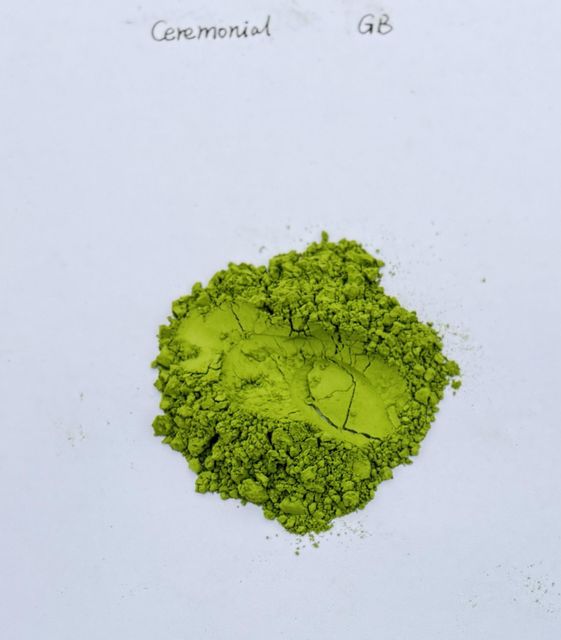
3. Ceremonial Grade: Reserved for traditional tea ceremonies and high-end desserts.
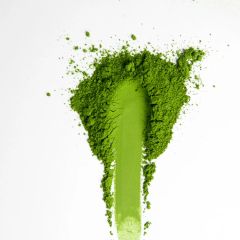
Simple Identification: Generally, the brighter the green color and the sweeter, less astringent the taste, the higher the grade.
IV. Health Benefits (Scientific Perspective)
Due to whole-leaf consumption, matcha's nutritional value far exceeds that of regular green tea:
· High Antioxidant Content: Rich in catechins (especially EGCG), aiding anti-aging and combating free radicals.
· Calming yet energizing: L-Theanine promotes relaxation and reduces anxiety, synergizing with caffeine to deliver "clear-headed calm" without coffee's jittery effects.
· Nutrient-dense: Packed with vitamins, minerals, and dietary fiber.
V. Modern Applications: Beyond the Tea Bowl Matcha has deeply integrated into global modern culinary culture:
· Beverages: Matcha lattes, matcha smoothies, matcha bubble tea.
· Desserts: Matcha ice cream, matcha cakes, matcha daifuku, matcha chocolates.
· Baking: Matcha bread, cookies, madeleines.
· Cuisine: Matcha noodles, matcha salt as a natural coloring and flavoring agent.
VI. How to Brew a Basic Cup of Matcha
1. Tools: Tea whisk, tea bowl, teaspoon.
2. Warm Utensils: Warm the tea bowl and whisk with hot water, then dry thoroughly.
3. Sift Powder: Sift approximately 1.5-2 grams (about 1.5 teaspoons) of matcha powder into the bowl to prevent clumping.
4. Pour Water: Add about 70-80ml of 70-80°C hot water (boiled water cooled for 2-3 minutes).
5. Whisk Tea: Using the whisk, quickly and gently whisk in a "W" or "M" pattern back and forth until a fine, rich foam forms on the surface.
6. Enjoy: Drink while the foam is still present to savor its velvety texture.
Tips for Beginners
· First-time experience: Start with drinking-grade "thin tea" or begin with a cup of premium matcha latte.
· Key purchasing points: Check the color (vibrant green is best), smell the aroma (fresh and fragrant, no stale odor).
· Storage Tips: Keep sealed, away from light, refrigerated, and consume promptly to preserve flavor.
In essence, matcha is a multifaceted experience—to drink, to eat, to savor. It can be a revitalizing morning beverage, an exquisite afternoon dessert, or a profound cultural journey. This unique allure explains why it has captivated the world for centuries.
You are viewing details for matcha,Green tea matcha powder. The information provided here is either posted directly by the supplier, who is responsible for its accuracy, or collected by Freshdi AI from publicly available sources. Freshdi strives to make product information as useful and reliable as possible, but we do not guarantee complete accuracy. If you notice any incorrect or misleading details, please use the Report Product option so our team can review and address it quickly.

Negotiable
Min. order: Negotiable
tangzhijin
Active
Response Rate: 5%
Avg Response Time: ≤ 14h
Main Export Markets