$960
Good Price
Min. order: 24 Tons
![]()
$700 - $1,150
Good Price
Min. order: 10 Tons
![]()
$850 - $1,400
Good Price
Min. order: 10 Tons
![]()
$750 - $1,150
Good Price
Min. order: 10 Tons
![]()
$1,100 - $1,750
Good Price
Min. order: 10 Tons
![]()
$1,360 - $2,280
Good Price
Min. order: 5 Tons
![]()
$980
Good Price
Min. order: 5 Tons
![]()
$700
Good Price
Min. order: 5 Tons
![]()
$480
Good Price
Min. order: 5 Tons
![]()
$1,120
Good Price
Min. order: 5 Tons
![]()
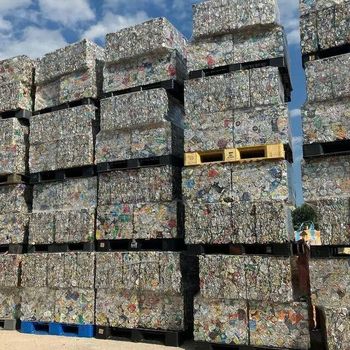
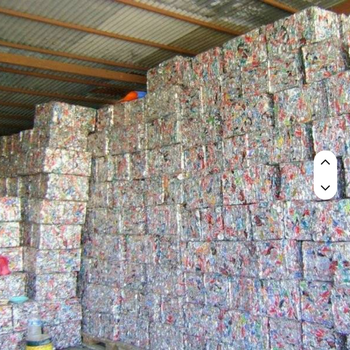
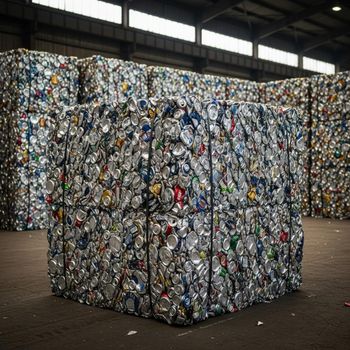
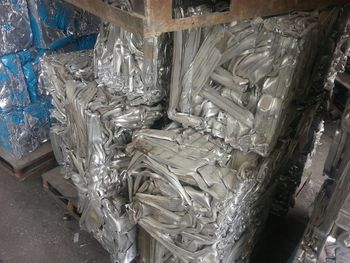
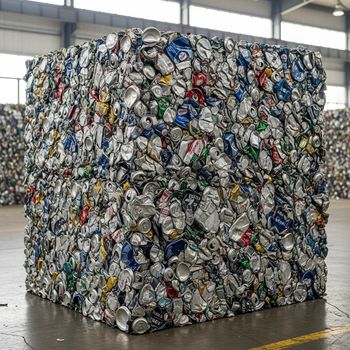
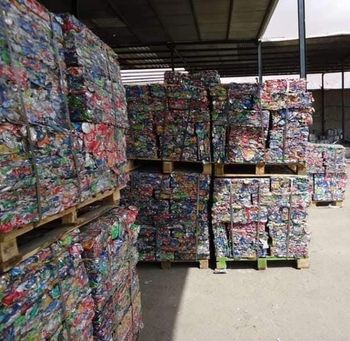
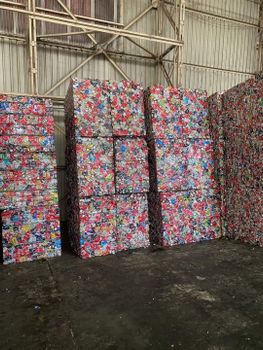
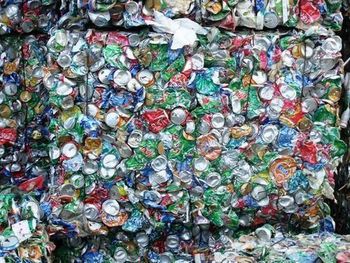
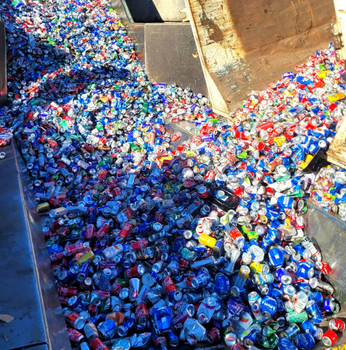
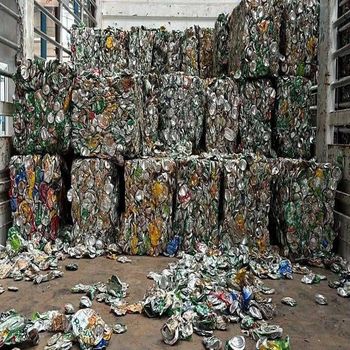
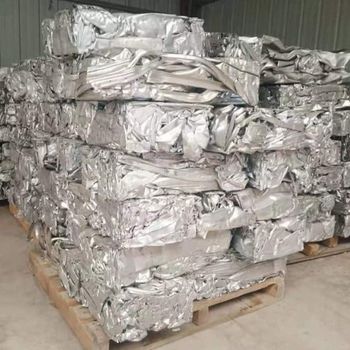
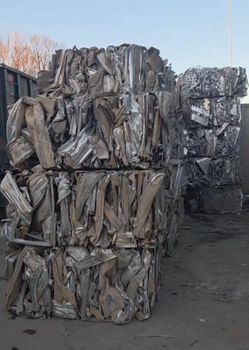
Aluminium can scrap is a recyclable material derived from beverage containers, commonly used in recycling and metal processing industries; it falls under broader categories like metal scrap, beverage container recycling, and industrial waste materials. It is widely used by manufacturers in the automotive, construction, and packaging sectors for raw material sourcing. A plant manager at a beverage packaging company in Texas looks for aluminium can scrap to reduce costs and meet ESG goals when their facility reaches end-of-life for old cans. A procurement officer at a metal recycling plant in Ohio searches for reliable suppliers of aluminium can scrap to ensure consistent supply and compliance with environmental regulations.
Aluminium can scrap is primarily imported by countries in Asia, including China, India, and South Korea, which are major processing hubs for recycled aluminium. Commonly traded variants include standard beverage cans (trade name: "aluminium beverage can scrap"), food-grade cans (trade name: "food can scrap"), and non-ferrous alloy cans (trade name: "non-ferrous aluminium scrap"), with typical attributes such as 99.5% purity, 10–15 mm diameter, and 10–20 mm height. These variants are predominantly exported from Europe and North America, where strict quality standards ensure high-grade material supply; China and India show strong preference for food-grade and beverage-grade scrap due to their demand in local recycling industries, while South Korea favors standard beverage cans for its aluminium smelting operations. This regional alignment supports consistent supply chains with verified quality and traceability, ensuring reliability for B2B buyers.
Freshdi connects buyers with verified suppliers of aluminium can scrap, where reliability is often established through consistent market presence and proven export experience—such as suppliers operating for over 10 years with a track record of exporting to key regions like China and the United States. While specific certifications like ISO 9001, ISO 14001, or compliance with environmental standards (e.g., REACH) are not universally required, they are commonly expected to demonstrate compliance and sustainability. Typical trade terms include FOB Shanghai and FOB Mumbai, with payment terms often set at 30% advance payment and 70% against bill of lading, reflecting standard B2B transaction practices in the scrap metal sector.
You may like
You may like