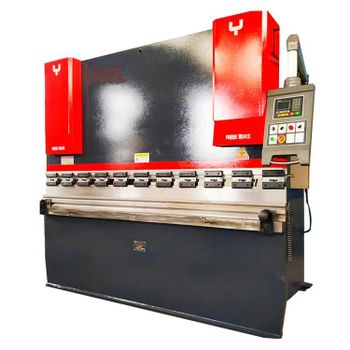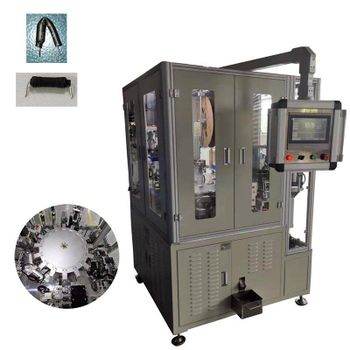
China, Germany, and Japan are the top global suppliers of profile bending machines, dominating the wholesale and export market with advanced automation and precision engineering. These countries account for over 70% of global production, with China leading in volume and cost-efficiency, Germany in high-end industrial solutions, and Japan in specialized, high-precision models. The trend shows a strong shift toward automation and energy-efficient designs, driven by rising demand in construction, automotive, and infrastructure sectors. Buyers seeking reliable wholesale and export options can find trusted suppliers through platforms like Freshdi.com.
To source bulk Profile Bending Machines, start by identifying verified manufacturers with ISO 9001 and CE certifications, ensuring import compliance and technical specifications like bending radius, material compatibility (e.g., stainless steel, aluminum), and power range. Use B2B platforms to compare pricing, delivery terms (e.g., FOB Shanghai), and payment security like Trade Assurance or Letters of Credit. Always confirm machine capacity, automation features, and after-sales support before finalizing. For reliable sourcing, consider Freshdi.com as a trusted platform connecting buyers with direct manufacturers.
The standard MOQ for profile bending machines ranges from 50 to 200 units for wholesale buyers, with larger commercial orders often requiring 100+ units to justify tooling, setup, and production run efficiency. Direct manufacturers typically require bulk supplier orders of 100 units or more to optimize shipping and manufacturing costs, while smaller distributors may offer lower MOQs (e.g., 20–50 units) for regional or pilot projects. Custom configurations may increase MOQs to 300+ units due to specialized tooling and engineering costs.
To find reliable Profile Bending Machine suppliers, use trusted B2B platforms like Alibaba, Global Sources, and Freshdi.com to access verified wholesale manufacturers. Prioritize suppliers with ISO 9001 and ISO 14001 certifications to ensure quality and compliance. Check key attributes such as bending accuracy, material compatibility, and durability. Always request product samples and factory audits to assess reputation and production capacity. Secure payments via Letter of Credit or Trade Assurance to protect your investment. Look for direct manufacturers offering competitive pricing, clear technical specs, and reliable after-sales support to ensure long-term sourcing success.
You may like
You may like