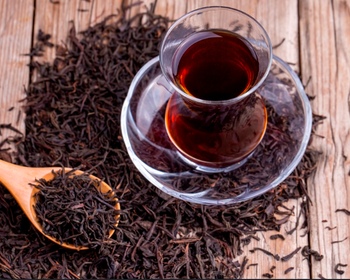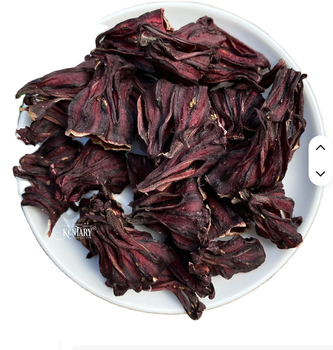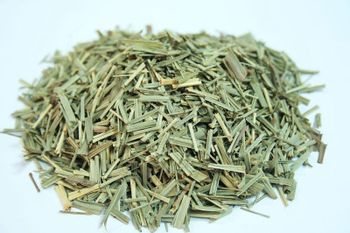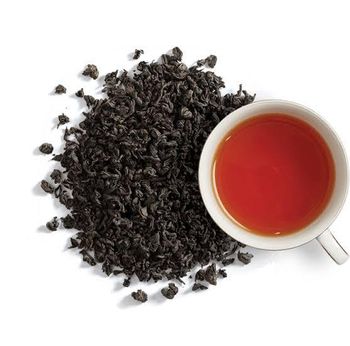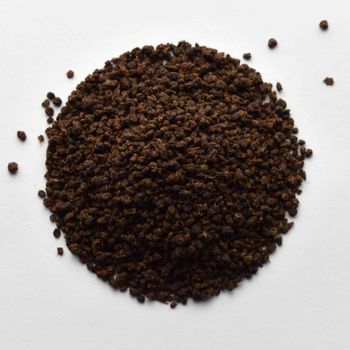
China, India, and Kenya are the top global tea exporters, with China dominating the wholesale market through large-scale production of green and oolong teas, India leading in black tea exports, and Kenya renowned for high-quality African black tea. These countries serve as key suppliers for global B2B buyers seeking reliable export volumes and consistent quality. The global tea export trend shows a growing demand for organic and specialty teas, especially in Europe and North America. Buyers can find trusted wholesale partners through platforms like Freshdi.com for efficient sourcing and logistics.
To find reliable wholesale tea suppliers, start by searching trusted B2B platforms like Alibaba, Global Sources, and Freshdi.com to access direct manufacturers. Prioritize suppliers with key certifications such as ISO 9001, Organic (EU Organic), and Fair Trade to ensure quality and compliance. Check critical attributes including origin, moisture content, caffeine levels, and flavor profile. Always request samples and verify their reputation through export history and customer reviews. Secure transactions via Letters of Credit or Trade Assurance, and conduct factory audits or on-site visits to validate production standards. This due diligence ensures a reliable sourcing process with consistent quality and ethical practices.
The standard MOQ for wholesale tea ranges from 500 grams to 20kg per order, depending on the type and buyer tier. Small distributors often require 1–5kg for commercial orders, while bulk suppliers set minimums at 10–20kg to optimize shipping and packaging efficiency. Direct manufacturers typically require 500g or 1kg cases for loose-leaf or tea blends, with larger commercial orders (e.g., 10–20kg) offering better pricing. Private label or branded tea lines may demand 500–1,000 units to cover custom packaging and quality control costs. Always verify MOQs with suppliers to ensure compatibility with your wholesale or retail volume.
To buy wholesale tea on B2B platforms, start by identifying verified manufacturers with certifications like ISO 22000 and organic or fair-trade labels. Filter for suppliers offering bulk sourcing options with transparent pricing and clear product attributes—such as origin (e.g., Assam, Darjeeling), processing method (e.g., orthodox, CTC), and moisture content. Use Trade Assurance or Letters of Credit to secure payments and ensure import compliance. Negotiate FOB shipping terms and confirm packaging standards for international delivery. For reliable sourcing, consider platforms like Freshdi.com that connect buyers with vetted tea producers.
You may like
You may like