
Introduction
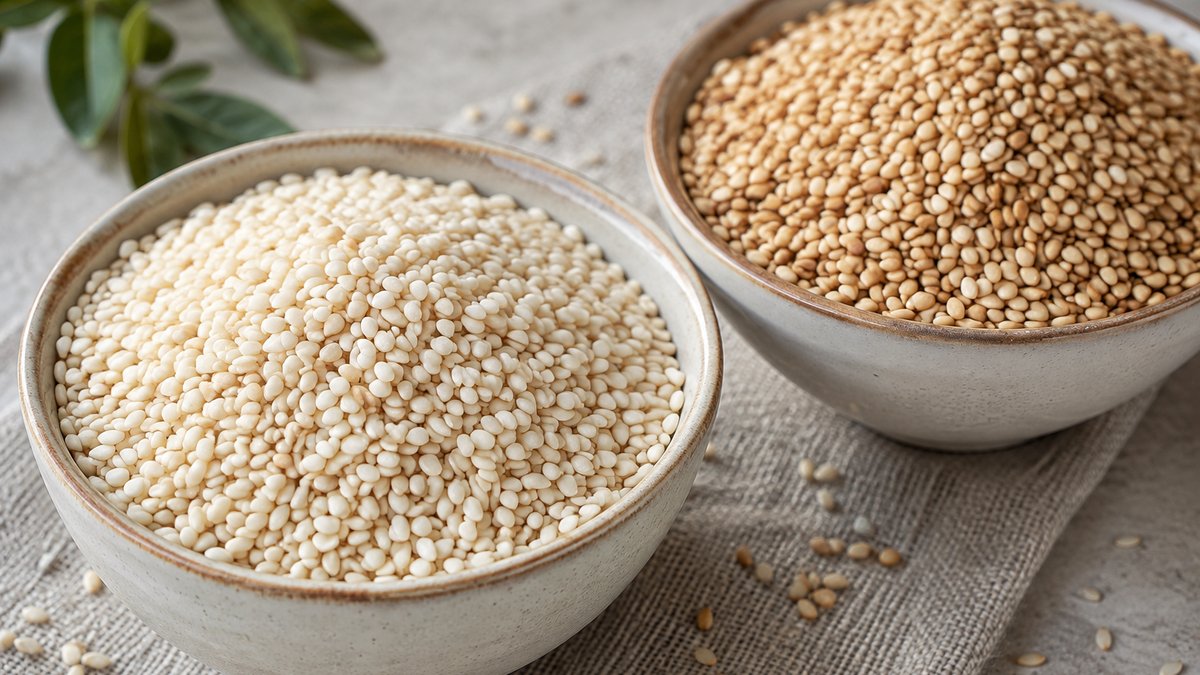
Sesame seed buyers specify different forms, colors, purity levels and processing methods. An exporter needs to match the requested seed to the available lot and make the quantity, packing and quotation basis clear.
This article reviews six sesame seed requests posted on Freshdi from November 2 to November 14, 2026, within a broader eight-request snapshot covering sesame products. Five buyer countries are stated, one is not stated, and delivery destinations are named in two listings. Weight-based quantities range from 400 kilograms to 100 tons; another request gives a 20-foot container without a net seed weight. Suppliers can use the requests to identify product fit and gaps to resolve before quoting.
Key Takeaways
- The six seed requests cover hulled, peeled, natural, hybrid, black, white and other buyer-stated forms or colors. Several specifications need clarification before a supplier can confirm an exact match.
- Four listings give a weight-based quantity, from 400 kilograms to 100 tons. One states 30 metric tons, one 28,000 kilograms, and one 100 tons; a separate request gives a 20-foot container without stating net weight.
- Buyer countries are stated for five requests: Bangladesh, the United States, Saudi Arabia, the United Arab Emirates and Kenya. Two delivery destinations are named: Laem Chabang, Thailand, and Khorfakkan, UAE.
- FOB appears in requests that also differ in delivery information. One request lists both FOB and CIF. Suppliers should confirm the Incoterm and named place before calculating a delivered price.
- Some price fields show only USD, while the entries with numeric figures do not state a usable price unit or basis. Treat them as listing details to clarify, not as comparable market quotations.
1. Market Overview: Sesame Seed Production and Import Demand
FAOSTAT production data through 2024 puts global sesame seed output at about 6.7 million tonnes for that year. India produced 866,111 tonnes, Myanmar 720,000 tonnes and Sudan 626,173 tonnes, according to the FAO dataset as presented by Our World in Data. Those figures describe crop production, not exportable surplus: an exporter still needs to establish the available crop, processing capacity, competing domestic uses and shipment period for the specific origin.
For 2024, World Bank World Integrated Trade Solution data based on UN Comtrade lists China as the largest reported importer of sesame seeds under HS 120740, at about 1.18 million tonnes. Turkey imported 244,875 tonnes and Japan 193,286 tonnes. The same table reports 136,245 tonnes for the European Union and 140,730 tonnes for India. These are customs trade figures for the stated product code and reporting year, not forecasts or current orders.
The production and import data give suppliers a broad view of where sesame is grown and traded. They do not establish demand for a particular color, cleaning process, purity specification or origin. The Freshdi requests in this article are individual buyer postings from November 2 to 14, 2026. They are platform observations and should not be added to the national or global trade totals.
For a supplier, the practical implication is to quote a defined lot, not a generic sesame offer. The requests below include hulled, peeled and organic descriptions, varied color options, different packing preferences and large differences in order size. A production-country statistic cannot establish that a supplier has the requested form in stock or can meet the buyer’s loading schedule.
Looking to Sell Sesame Seed?
Connect with verified buyers, receive relevant buying leads, and explore sourcing opportunities from global markets.
2. Buying Request Comparison Table
The requests below are the sesame seed entries from the Freshdi snapshot. Sesame oil listings are outside the seed scope of this article. Buyer country and delivery destination are separate fields; a destination port does not identify where the buyer is based.
Several listings leave commercial fields incomplete. Some show a currency without a numeric price, while the numeric price entries do not state a unit or a clear FOB, CIF or other price basis. A destination marked “Not specified” is not a delivery instruction. Suppliers should open the current request and confirm these details before preparing a firm offer.
3. Detailed Buying Request Analysis
3.1 Sesame Seeds, Bangladesh
The Bangladesh-based buyer requests 30 metric tons of sesame seeds and states hulled color, 99.90%% purity, Sortex cleaning and Indian origin. The listing gives 400 g x 20 pouch packs, but does not specify a destination, trade term or payment term. Its target-price field shows USD without a numeric amount.
This request calls for suppliers able to provide hulled seed with the stated purity and cleaning description. The packaging format is retail-size pouches rather than a stated bulk bag format. Before quoting, confirm whether the buyer expects all 30 metric tons in that packing configuration, what unit the pouch weight refers to, and whether “Indian” means the required country of origin for the whole lot.
The purity is displayed with duplicated percent signs. Ask the buyer to confirm the intended notation and how purity will be tested. Destination, delivery basis, shipment timing, payment instrument and any required analysis or food-safety documents are not stated.
3.2 Sesame Seeds, United States
The United States-based buyer requests 400 kilograms and gives a purity range displayed as 99.90%% to 99.98%%. The request lists natural, black, brown, white and natural white colors, Pakistan origin, and food-grade and ceremonial use. Packaging options range from polypropylene or multiwall paper bags to cartons, pouches and boxes in several stated sizes. Trade term, payment term and destination are not specified.
A quotation should identify which color and product form the supplier can provide, then state the offer quantity and package configuration for that option. The request names more than one use and color, so a single general offer may not answer the buyer’s requirement. The listing also says “Treatment: If Any”; the buyer should clarify whether a treatment is required, permitted or simply being asked about.
Confirm the intended purity notation and the acceptable test method before putting a limit in the quotation or contract. The destination and delivery terms are not stated, so a supplier cannot calculate freight or decide whether the buyer expects a delivered price. The supplier should also confirm which package sizes apply to the 400-kilogram order.
3.3 White Hummara Sesame Seed
This request specifies one 20-foot container of white Hummara sesame seed, described as peeled and organic. It names Laem Chabang, Thailand, as the destination and sea freight as the shipping method. FOB is listed as the trade term and “Other” as the payment term. The buyer country is not stated. The displayed target price is USD 1,370, with no price unit or basis.
The seed description gives suppliers a narrower product match than a general sesame request, but “peeled” should be confirmed against the supplier’s own processing and product terminology. The container quantity does not state net seed weight, so it is not comparable with a metric-ton order until the buyer confirms loading quantity and packing.
Ask the buyer to define “Other” as a specific payment instrument and payment schedule. Confirm the loading port, named place for FOB, required organic evidence, package format, shipment window and whether the USD 1,370 figure applies to a container, a weight unit or another basis. Do not price the request as a confirmed container value.
3.4 Sesame Seeds, Saudi Arabia
The Saudi Arabia-based buyer requests 28,000 kilograms, lists purity up to 99.98%, and names hulled, natural, hybrid, jet black and whitened forms. Processing methods listed include autodried, Sortex cleaned, ETO treated and colour sorted. The requested origins are Pakistan, India and Tanzania. Packing is stated as 50 kg PP bags or 50 lbs paper bags. The destination, trade term and payment term are not specified; the target-price field shows USD without a numeric amount.
The supplier should treat the forms and processing methods as options to clarify, not assume that every combination is wanted in one shipment. Confirm which form, color, origin and cleaning or treatment method the buyer prefers. If a supplier offers ETO-treated seed, it should specify that fact accurately and provide documentation the buyer requests; if it does not, it should not imply that the lot meets that option.
The two package choices use different stated units. Confirm the chosen bag material and net weight per bag before calculating the number of bags or a container plan. Destination, delivery term, payment arrangement and shipment timing also need to be confirmed before a delivered quotation can be prepared.
3.5 Sesame Seeds, United Arab Emirates
The UAE-based buyer requests 100 tons of sesame seeds for Khorfakkan, UAE. FOB and CIF are both listed, as are D/P and “Other” for payment. The request does not state a seed form, color, purity, packaging or numeric target price; the target-price field shows USD only.
The stated volume is large enough that a supplier should confirm whether it represents one shipment or a supply program with several loads. The request gives two delivery terms, but CIF requires a destination port and FOB requires a named loading place. Khorfakkan is the stated destination, so a supplier considering CIF should confirm the exact port designation and the shipment schedule before calculating freight.
Ask which seed specification the buyer wants and whether 100 tons means metric tons or another ton unit. Confirm the payment meaning of “Other,” and agree the documentary and payment sequence for D/P if that option remains under consideration. The listing does not provide enough product detail to support a technically matched quotation without those answers.
3.6 Sesame Seeds, Kenya
The Kenya-based buyer requests 1,000 tons for Mombasa, Kenya, and lists FOB with T/T payment. The displayed target price is USD 1,200, but the request does not state a price unit or basis. No seed form, color, purity, packaging, origin or shipment schedule is included.
The large stated volume needs direct confirmation before a supplier treats it as a single order. Ask whether the buyer means metric tons, what shipment size and delivery schedule are intended, and which sesame specification and origin are acceptable. The FOB quotation also needs a named loading port; Mombasa is the listed destination, not a stated origin loading port.
Clarify the currency and unit behind USD 1,200, then confirm whether the figure is a target price and which trade basis it uses. T/T alone does not state the timing or payment milestones. A supplier should put any agreed advance, balance and document conditions in the final commercial offer.
4. What Suppliers Should Prepare Before Quoting
A useful sesame seed quotation identifies the exact lot and separates product facts from buyer questions. Start with the form and color you can supply: natural, hulled, peeled, black, white or another clearly described type. Do not treat these terms as interchangeable. Where the buyer lists several options, ask which one applies to the order.
State measurable quality limits that the lot can support. For a purity figure, explain the method or agreed basis used to determine purity and provide current lot results if available. Confirm whether the buyer means purity, foreign matter, admixture or a combination. A number without an agreed definition can lead to different interpretations during inspection.
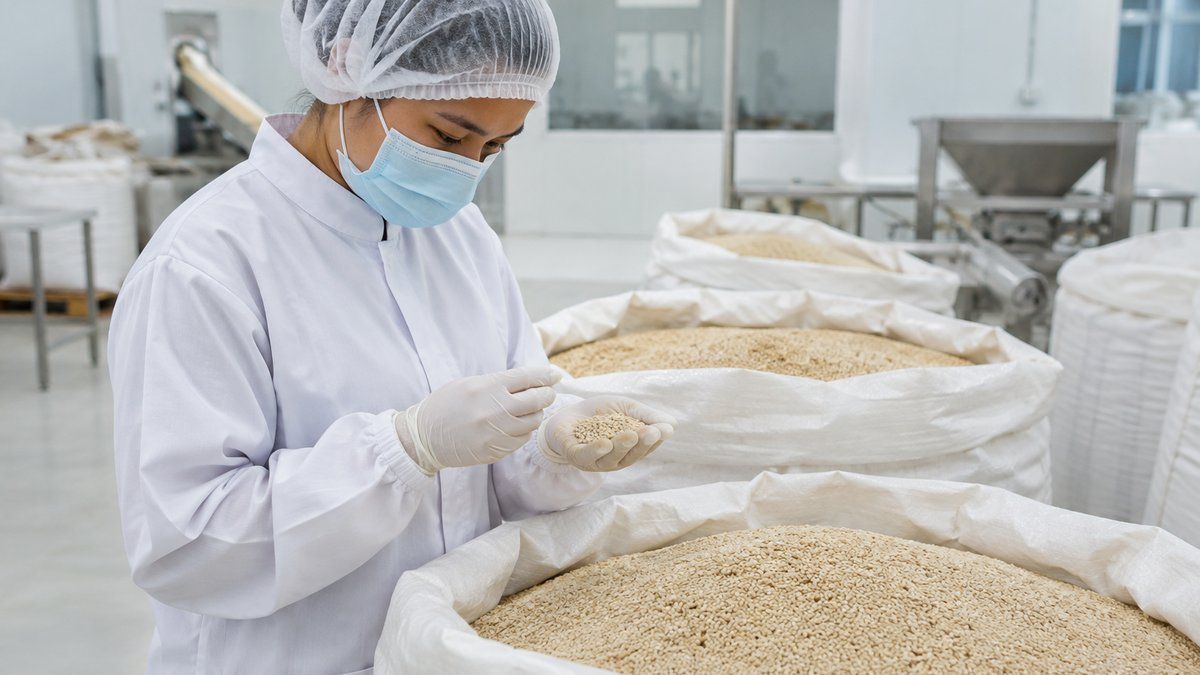
Describe processing and treatment accurately. A supplier may state that seed is Sortex cleaned, colour sorted, dried or treated only when that is true for the offered lot. If the buyer lists several processing options, give separate specifications for products that differ. For organic seed, identify the supporting documents available and confirm whether the buyer requires a particular certificate or destination-market format.
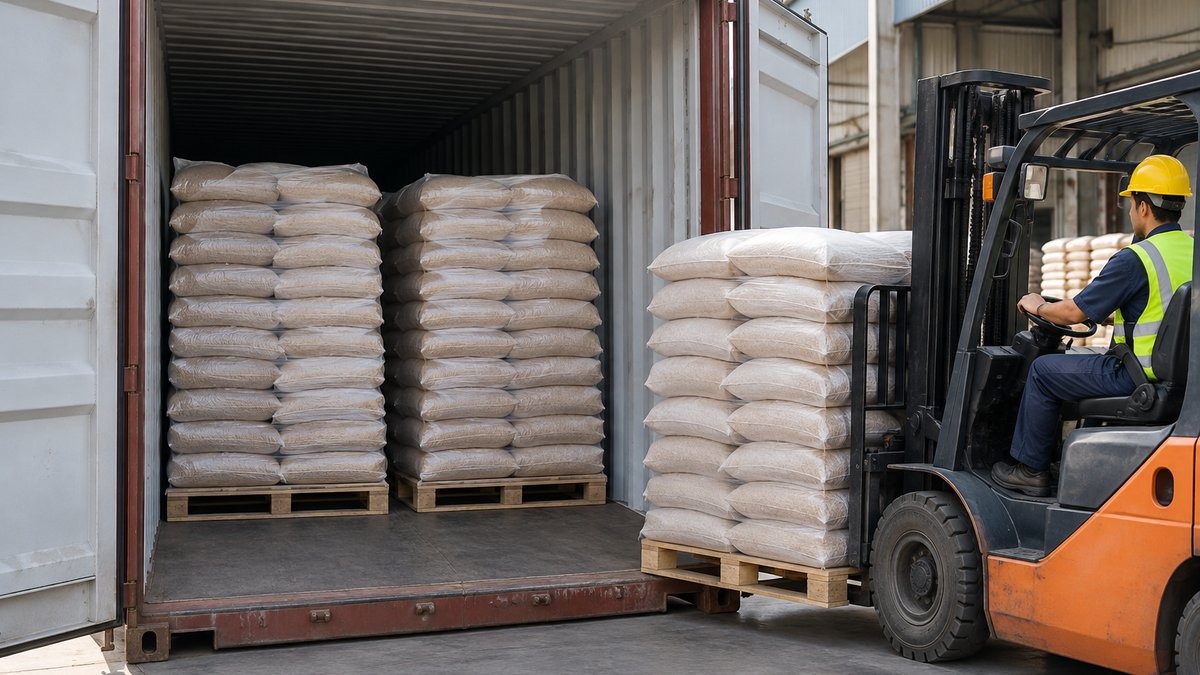
Make quantity and packing easy to evaluate. State net weight, the unit, package material and weight per bag or pack, number of packages, and any pallet or container loading assumptions. For a request measured in containers, confirm the expected net seed weight before converting it into a weight-based quotation. For requests with several package options, price the chosen format rather than combining them into one ambiguous offer.
Show price as a complete commercial figure: currency, price unit, product specification, packaging, Incoterm and named place. FOB and CIF prices are not directly comparable because the included delivery costs differ. State whether freight or insurance is included where applicable, plus the quotation validity and shipment window. A buyer-stated target price with no unit or basis is not an agreed offer.
For payment, replace “Other” with the exact instrument and timing agreed by both sides. If a request lists more than one payment option, ask which option the buyer will consider. Confirm required documents and payment milestones in writing before committing inventory or shipment. Keep the specification sheet, lot analysis and commercial quotation consistent with the product actually offered.
5. Practical Commercial Checks for These Sesame Seed Requests
For the Bangladesh request, first resolve the intended purity notation and confirm the 400 g x 20 pouch configuration against the 30-metric-ton order. For the United States request, get the buyer to select a color and package format, then confirm the meaning of its purity range and treatment field.
For the white Hummara request, establish net load weight for the 20-foot container, verify the organic documentation requested and define the USD 1,370 price basis. For the Saudi Arabia request, confirm the chosen seed form, processing method, origin and bag option before quoting the 28,000-kilogram quantity.
For the UAE request, resolve whether the 100-ton quantity is a single shipment or a schedule, and identify which delivery term and seed specification the buyer intends. For the Kenya request, confirm the ton unit, product specification, FOB loading port and meaning of the USD 1,200 target. In both large-volume inquiries, a supplier should check its actual available quantity and shipment capacity before indicating that it can fulfill the order.
Across all six requests, do not treat a missing field as an agreed condition. Separate confirmed details from questions in the quotation, use the destination as stated, and ask the buyer to confirm any unclear quantity or price basis before signing a contract.
6. How Freshdi Helps Suppliers Find Sesame Seed Buyers
Freshdi’s sesame seed buying-request category lets suppliers browse seed requests and review buyer-stated details such as quantity, destination, trade term and payment term where listed. A request can help a supplier decide whether the product and order appear relevant, but the listing alone does not verify every commercial detail or guarantee a response or transaction.
Before preparing an offer, open the current request and check its status and full details. Review the buyer information shown on the platform, then compare the requested product with the supplier’s actual specifications, documents and shipment capacity. Keep a supplier profile and product listing consistent with the offered origin, form, processing and packaging.
Freshdi’s membership page describes plan-dependent buying-lead access, quotation allowances and profile or product features. Those features and limits vary by plan, so suppliers should review the current plan details before choosing an upgrade.
Suppliers who have confirmed a product match can review current sesame seed requests on Freshdi.
If your available lot matches a stated requirement, review current sesame seed buying requests before preparing a quotation.
View Latest Buying Requests for This Product →
7. Conclusion: Confirm the Specification Before Quoting Sesame Seed
The six sesame seed requests posted from November 2 to 14, 2026 cover varied forms, colors, processing options, package types and order sizes. Five state a buyer country, while the Laem Chabang request leaves that field unstated. The smallest weight-based request is 400 kilograms and the largest is 1,000 tons; a separate listing gives one 20-foot container without a net seed weight.
Suppliers should confirm product identity, purity basis, packaging, quantity, destination, named Incoterm place, price unit and payment timing before submitting a firm offer. Freshdi is a place to review the requests discussed here and other sesame seed buying requests, but the listing details and commercial conditions should be checked independently.
Once your product, quantity and quotation basis are clear, use Freshdi to review the relevant buyer requests.
View Latest Buying Requests for This Product →
Frequently Asked Questions
What specifications should a sesame seed supplier include in a quotation?
Name the exact form and color, origin, processing method, purity or other agreed quality limits, package type and net weight. Include current lot information where available, along with the quotation unit, currency, Incoterm and named place, shipment timing and validity. Confirm the buyer’s test method and any required documents before stating that a lot meets a limit.
How should a supplier quote a sesame seed request measured in containers?
Ask the buyer to confirm the container type and expected net seed weight, as well as packaging and loading assumptions. A container count is not a net quantity. Once the weight and packing are agreed, state the price per unit and the shipment basis clearly.
Can I compare a buyer’s target price with another sesame seed quotation?
Only after matching the product specification, unit, currency, packaging, date and delivery basis. A listing that shows a currency or a number without a price unit and Incoterm basis does not provide a comparable quotation. Ask the buyer to explain the figure before using it in a commercial decision.
What is the difference between FOB and CIF for a sesame seed shipment?
They describe different delivery and cost responsibilities. A supplier should name the relevant loading place for an FOB offer and the destination port for a CIF offer, then state what the price includes. Confirm the applicable Incoterm version and named place with the buyer, and do not compare the two prices as though they had the same basis.
What should I do when a sesame seed RFQ lists several colors or processing methods?
Ask the buyer to choose the required option or confirm whether separate products are needed. Give a distinct specification and price for each product you can actually supply. Do not assume that all listed colors, origins or processing methods belong in one combined order.
How can suppliers review sesame seed buying requests on Freshdi?
Browse the sesame seed buying-request category and open a relevant listing to review its current details and status. Compare the buyer’s stated specification and commercial fields with your actual product and capacity. Carry out independent checks and confirm unclear terms before making a firm commitment.
References
1. Food and Agriculture Organization of the United Nations, presented by Our World in Data – Sesame seed production, 2024, Data through 2024; updated February 25, 2026.
2. World Bank World Integrated Trade Solution – Sesamum seeds imports by country, HS 120740, 2024 trade data.
3. Freshdi – Sesame Seed buying requests reviewed in this article, Requests posted November 2 to November 14, 2026; data as of November 16, 2026.
4. Freshdi – Supplier Membership Plans, Accessed November 16, 2026.
Disclaimer: This article is compiled from platform data, public sources and information provided by third parties, for general informational purposes only. We do not guarantee its accuracy or completeness. Mentions and rankings of suppliers do not constitute an endorsement or guarantee, and strategies and examples are illustrative; results may vary. Please conduct your own due diligence before making business decisions.