Introduction – Exploring Germany’s Reputation for Quality Solar Cells
When it comes to solar energy, Germany isn’t just another player—it’s a global pioneer. The country stands tall in the field of solar cell production, thanks to its combination of cutting-edge research, sustainable thinking, and relentless innovation. Think of Germany as the “Silicon Valley” of solar tech—only greener.
Institutions like the Fraunhofer Institute for Solar Energy Systems (ISE) have shattered records, developing solar cells with mind-blowing efficiencies of 47.6%. And it’s not just about lab brilliance. Collaborations between Fraunhofer ISE and companies like Heckert Solar brought practical, high-efficiency rooftop panels to the market, reaching 20.5% efficiency.
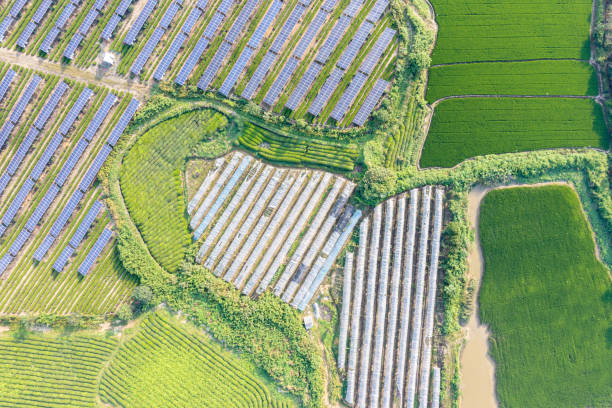
Germany’s government is also all-in, aiming for 215 GWp of installed solar power by 2030. Combine that with a diverse climate and rich soil that supports sustainable agriculture, and you get a country that’s not only tech-savvy but also deeply rooted in environmental stewardship.
For businesses looking to source solar cells, understanding these quality drivers is crucial. It’s not just about buying panels—it’s about investing in a future-proof energy solution. Platforms like Freshdi help buyers stay informed on supplier performance, market trends, and dynamic quality indicators, making smart sourcing decisions easier than ever.
Defining & Verifying Solar Cells Excellence in Germany
So, what actually makes a solar cell “top quality” in Germany? It all starts with standards.
Key Certifications and Standards
If you’re in the solar business, you’ve probably heard of IEC 61215 and IEC 61730. These certifications set the bar for design, performance, and safety. Germany, being Germany, takes it a step further by adopting newer, tougher versions of these standards—including stress, degradation, and bend tests.
Emerging Quality Standards
Enter SMQS (Solar Module Quality Standard), based on VDE SPEC 90038-1. It’s like the Michelin star for solar modules—ensuring that what you install on your rooftop or solar farm lasts and performs as promised.
Then there’s the TÜV Rheinland Quality Controlled PV certification. This isn’t your average quality check—it’s an ongoing reliability and production monitoring program that separates the best from the rest.
On Freshdi, you can even filter suppliers based on these certifications, making your RFQs way more targeted.
Regional Solar Potential and Customization
Not all regions in Germany are created equal when it comes to sunlight. Southern states like Bavaria and Baden-Württemberg enjoy higher solar irradiation (1,100-1,300 kWh/m²/year), while northern areas receive less (900-1,000 kWh/m²/year). These differences influence system design and efficiency expectations.
Suppliers now offer customized solar solutions tailored to regional needs, something you can specify easily via Freshdi’s RFQ tools.
Top 6 Verified Solar Cells Suppliers in Germany – Leaders in Quality
Finding a reliable supplier isn’t just about who’s got the flashiest website. It’s about proven track records, verified credentials, and real customer feedback—exactly what Freshdi helps buyers uncover.
Here are the Top 6 Solar Cells Suppliers in Germany in Q3 2025, based on export success, certifications, innovation, and Freshdi user feedback:
1. CFBsolar
CFBsolar is known for its premium monocrystalline solar cells and modules designed for residential and commercial use. With ISO 9001 certification and TÜV Rheinland Quality Controlled PV credentials, they’re a go-to for quality-first procurement.
2. Heckert Solar
A key player in German solar manufacturing, Heckert Solar collaborates closely with research institutions like Fraunhofer ISE. Their panels are custom-built for Germany’s climate conditions and come with SMQS certification.
3. Solarwatt
Based in Dresden, Solarwatt offers glass-glass modules known for durability and performance. Their focus on full supply chain traceability makes them a hit with eco-conscious buyers on Freshdi.
4. AE Solar
With operations across Europe, AE Solar is recognized for its anti-hot spot and anti PID technologies. They offer premium panels with up to 30-year warranties.
5. SunPower Germany
Although originally a U.S. brand, SunPower has a strong German presence and is admired for high-efficiency IBC (Interdigitated Back Contact) solar cells. Their German division maintains strict EU compliance standards.
6. Viessmann PV
Known for integrating solar into heating and energy systems, Viessmann’s solar cells are ideal for hybrid solutions. Their commitment to localized production and sustainability earns them strong reviews.
Dynamic Ranking Note
Keep in mind that suppliers’ performance can shift due to seasonal demand, product innovation, or export growth. Platforms like Freshdi provide dynamic rankings, such as “Suppliers of the Month/Quarter,” so you’re always in the loop on who’s hot right now.
Market Navigation – Navigating Market Trends for Premium Solar Cells
The global solar arena is undergoing big changes—and Germany is right in the mix.
What’s Driving Demand?
While Germany’s residential solar market has slowed due to reduced subsidies and higher interest rates, the commercial and industrial sectors are booming. Think warehouses, office buildings, and EV charging stations—all needing premium, long-lasting solar tech.
Meanwhile, consumers globally are demanding premium-certified, traceable solar products. This is especially true in the EU, where environmental awareness is sky-high.
Challenges in the German Market
Germany’s solar industry is feeling the heat—from cheap Chinese imports to shaky domestic demand. Several local firms have faced layoffs and even insolvency. But this shake-up is pushing the industry to innovate, focus on quality, and embrace transparency.
Traceability Is a Big Deal
European buyers now want to know where their solar cells come from—down to the mine where the silicon was sourced. It’s not just about performance anymore; it’s about ethical sourcing and environmental impact.
Freshdi helps tackle this head-on by allowing buyers to request traceability reports and environmental certifications directly in their RFQs.
Conclusion – Final Thoughts on Quality Sourcing
Germany’s solar cell industry is built on a foundation of cutting-edge research, rigorous certification, and a deep commitment to sustainable innovation. Despite market turbulence, quality remains the north star.
If you’re a business looking to source premium solar cells, here’s your quick checklist:
Buyer’s Checklist for High-Quality Solar Cells:
- ✅ Confirm IEC 61215 & 61730 Certifications
- ✅ Look for SMQS or TÜV Rheinland Quality Controlled PV
- ✅ Evaluate regional product suitability (e.g., for Bavarian sunlight levels)
- ✅ Ask for traceability and environmental impact reports
- ✅ Check Freshdi for verified reviews and dynamic supplier rankings
- ✅ Use Freshdi’s RFQ tools to specify your exact needs
In a market driven by trust, transparency, and traceability, platforms like Freshdi give buyers the tools they need to connect with top-tier suppliers, validate claims, and stay informed on the latest trends.
Key Takeaways
- Germany leads with high-efficiency solar cell technologies and strict quality standards.
- Certifications like IEC 61215, SMQS, and TÜV Rheinland ensure module durability.
- Regional solar irradiation differences influence product suitability.
- Consumers increasingly demand traceable, ethically produced solar products.
- Freshdi empowers buyers with quality verification tools and supplier insights.
Future Outlook
As the solar industry evolves, Germany is expected to double down on innovation and sustainability. While low-cost competition remains a challenge, the demand for ethically sourced, high-efficiency solar cells will only grow. Expect more AI-driven manufacturing, tighter quality controls, and greater integration of solar with smart energy systems.
With Freshdi offering real-time supplier data, certification tracking, and market trend analytics, buyers are better equipped than ever to navigate this dynamic landscape.
FAQs
1. Why is Germany considered a leader in solar cell production?
Germany combines top-tier research institutions, strict quality standards, and government support to produce some of the most efficient and reliable solar cells in the world.
2. What certifications should I look for when sourcing solar cells from Germany?
Look for IEC 61215, IEC 61730, SMQS, and TÜV Rheinland Quality Controlled PV certifications to ensure high quality and safety.
3. How can I verify a solar supplier’s credibility?
Use platforms like Freshdi to check certifications, user feedback, export history, and traceability options before making a deal.
4. Are German solar cells suitable for all regions?
Yes, but product choice should match regional solar irradiation levels. Suppliers often offer custom solutions based on your location.
5. What makes Freshdi a valuable tool in solar sourcing?
Freshdi allows you to issue detailed RFQs, verify supplier certifications, track quality trends, and view dynamic rankings—all in one place.
References
- energieforschung.de
- pv-magazine.com
- cleanenergywire.org
- tuv.com
- pv-magazine.com
- research-in-germany.org
- uk.finance.yahoo.com
- pv-magazine-usa.com
- mckinsey.com
- oilprice.com
- qualenergia.it