
Introduction
Four tapioca starch buying requests posted on Freshdi from 20 October to 2 November 2026 show several kinds of sourcing demand: food-grade and organic requests, a medium-viscosity specification, and a request listed as tapioca flour. The requests come from three buyers and state quantities, but several product, price and commercial details need clarification before a supplier can prepare a comparable offer.
This snapshot covers requests posted in the last 30 days as of 14 November 2026. It describes those Freshdi requests separately from external trade statistics. Suppliers can use the requirements to screen for fit, then confirm product identity, quantity basis and delivery terms before quoting.
Key Takeaways
- The four requests are from three buyers; one buyer posted two requests for organic tapioca starch.
- All four requests state a quantity and FOB, while the listed quantity formats vary and should not be combined as a single demand total.
- Two requests list certificates, and both include EU Organic; one also lists USDA.
- One request combines a tapioca starch title with a potato starch product-type specification. Another is listed as tapioca flour, so both need product-form confirmation.
- Thai customs data compiled by the Thai Tapioca Development Institute shows lower tapioca starch export volume in January to September 2026 than in the same months of 2025.
1. What Recent Trade Data Shows About Tapioca Starch
Thai trade figures offer a current view of export movement, but they do not measure the entire global tapioca starch market. The Thai Tapioca Development Institute’s November 12, 2026 update, based on Thai Customs Department data, records 2,213,059 metric tons of tapioca starch exports from Thailand in January to September 2026. The comparable January to September 2025 total was 3,068,764 metric tons, about 28% higher. The figures cover exports from Thailand, not global production or consumption.
The movement is relevant context for suppliers reviewing current requests, but it does not establish why export volume changed or predict prices. The monthly figures show recorded shipments; they do not identify the supply available to a specific exporter or buyer.
Thailand’s 2025 export data also shows the distinction between product categories. The Thai Tapioca Starch Association reports 2,890,825 metric tons of native starch exports for 2025. China was the largest named destination at 1,701,993 metric tons, followed by Taiwan at 238,773 metric tons and Malaysia at 224,805 metric tons. These destination figures apply to Thai native starch exports, not all cassava products or global imports.
World Bank WITS data sourced from UN Comtrade reports that Thailand exported 2,851,640,000 kilograms of manioc (cassava) starch under HS 110814 in 2025, valued at USD 1,150,545.74 thousand. HS 110814 identifies manioc starch trade in that dataset; it is not a measure of every product sold as tapioca flour, modified starch or tapioca-based food. Because the Thai association and WITS figures use different reporting presentations and product classifications, suppliers should keep their scopes separate rather than combine them.
For the Freshdi requests in this article, external trade figures provide background only. The RFQs name specific requirements and destinations, while national export statistics describe shipments across wider markets. Neither source confirms that a particular supplier has stock for a listed buyer.
Looking to Sell Tapioca Starch?
Connect with verified buyers, receive relevant buying leads, and explore sourcing opportunities from global markets.
2. What Do the Four Tapioca Starch Buying Requests Specify?
Four Freshdi requests posted between 20 October and 2 November 2026 state a quantity, and they come from three buyers. One buyer posted two requests. Their stated destinations include Qingdao in China, Apapa sea port in Lagos, and Guangzhou in China. Buyer location is stated for two requests; it is not provided for the other two.
2.1 The request fields show uneven specification coverage
Each request states a quantity, but the formats differ: tons, US tons, 20-foot containers and metric tons. Those descriptions are reported as submitted and should not be converted or added together without confirming each buyer’s intended unit and shipment basis. One request also states a 10,000 US-ton quantity, which a supplier should verify before planning capacity or freight.
2.2 Organic requests need a product and certification match
Two requests are for organic tapioca starch, and both list EU Organic. One of those also lists USDA. The records do not specify the buyer’s intended certification scope, documentation format or whether equivalent certification arrangements are acceptable. Suppliers should check that their current certification covers the product and shipment, then confirm the buyer’s documentary requirements.
The two organic requests use different quantity descriptions. One states 500 tons; the other states 10 20-foot containers. The latter does not provide a net weight per container in the request, so it cannot be compared with the tonnage request from the posted information alone.
2.3 One request has conflicting starch identities
A request titled for tapioca starch with medium viscosity lists food grade and gluten-free features, but its product-type specification says potato starch. A supplier should ask which starch the buyer intends before checking viscosity capability or preparing a quotation. The request also states a quantity of 10,000 US tons and a packaging range above 5 kg to 10 kg; the quantity basis and pack unit need confirmation.
2.4 The flour request needs a product-form check
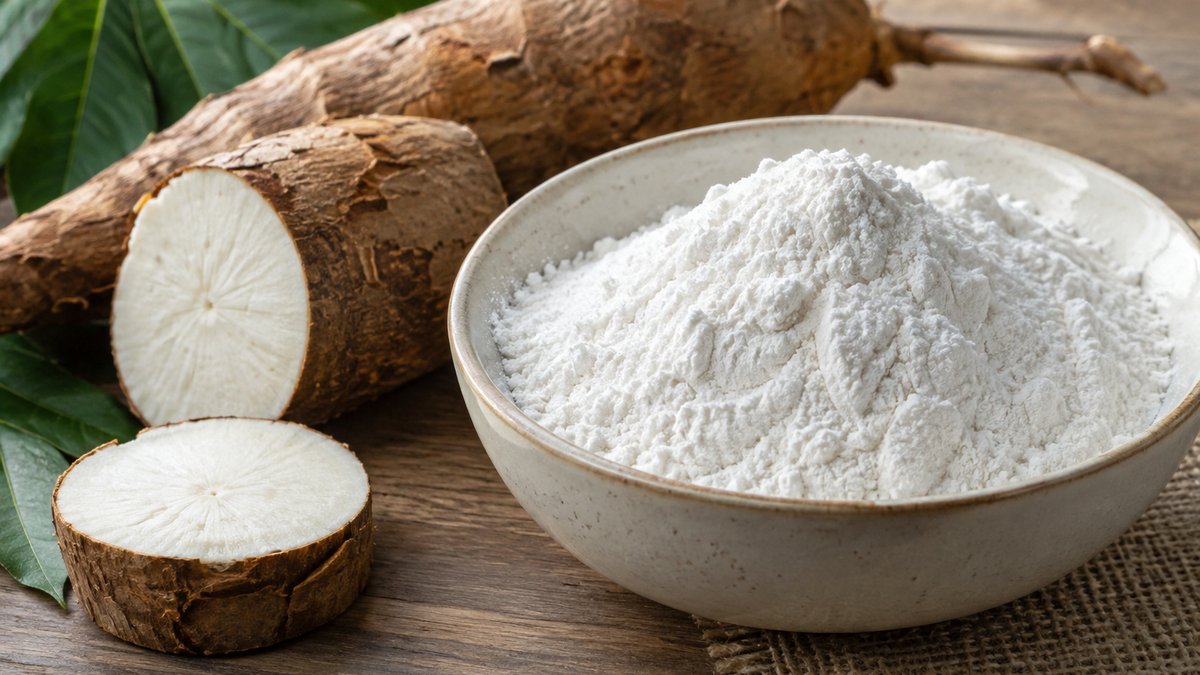
A fourth request is listed as tapioca flour, with a quantity stated in metric tons. The post does not provide a grade or detailed product specification. Suppliers should confirm whether the buyer means cassava flour or extracted tapioca starch, because those names can refer to different products and processing forms in trade.
2.5 Listed prices are not comparable quotations
All four requests contain a target-price field, but the entries do not establish a comparable unit price. Three show USD without a numeric amount; the remaining entry states 840 USD without a price unit or delivery basis. The requests therefore do not support a price comparison. Suppliers should confirm the requested currency, price unit, product specification and Incoterm named place before calculating an offer.
Origin preferences appear in two requests. Across those origin lists, buyers name Vietnam, Thailand, the Lao People’s Democratic Republic and Cambodia, with Indonesia and India also named in one list and Myanmar in the other. These are buyer-stated sourcing preferences, not confirmed supplier availability or evidence of shipment origin.
3. What These Buying Requests Mean for Suppliers
The requests point to distinct supplier fits rather than one uniform tapioca starch specification. Organic starch suppliers may assess the two organic requests; suppliers with food-grade material and viscosity data may assess the medium-viscosity request after resolving its potato-starch conflict; and flour suppliers should first verify what product form the buyer means.
The records do not state detailed grades for every request. The specification summary shows two requests with a Grade field, while viscosity, product type, features, certifications and lead time appear in the stated specifications where provided. Missing information should be treated as unstated, not as an implied quality requirement.
Two requests list sea freight. One request states a lead time of no more than one month. The other records do not state a lead time or shipping method, so suppliers should not apply those conditions to all four requests.
Before quoting, check that the offered product matches the buyer’s description and intended use. For food-grade starch, request or provide the specific properties the buyer needs, such as viscosity, grade, packaging and applicable certificates, only where those details are supported by your product documentation. For organic offers, confirm certification scope and validity for the product being quoted.
Commercial terms also need clarification. FOB appears in all four requests, while some list additional options. Confirm the exact Incoterms rule and named place rather than selecting among options on the buyer’s behalf. Confirm payment method, quantity unit, packaging basis, shipment schedule and destination before calculating freight or committing stock.
The RFQs do not establish that every buyer request remains open or that the poster will accept a particular offer. Review the live request before responding, and base any capacity, certification and delivery claims on documents and stock your business can support.
Buying consideration: Prepare a request-specific response only after the product identity, quantity basis, specification, packaging, destination and commercial terms are clear.
4. How Suppliers Can Use Freshdi to Find Tapioca Starch Buyers
Freshdi’s buying-request listings let suppliers review product descriptions and the buyer requirements stated in each post. Start with the tapioca starch category, then open a request that appears to match your product. Check the quantity, destination, requested origins, specifications, terms and posting date before deciding whether to respond.
A useful supplier review separates stated requirements from questions that still need an answer. In these requests, examples include the starch identity conflict, the flour-versus-starch distinction, the quantity formats and the incomplete price entries. Suppliers can prepare a concise clarification list instead of making assumptions when they build a quotation.
Present only verifiable product information in a response. State the product form, grade, available quantity and packaging basis. Add viscosity, certificates, lead time and shipping arrangements only when they apply to the offered lot. Make the price currency, unit and delivery basis explicit, and identify the Incoterm named place.
You can browse Tapioca Starch buying requests to review relevant listings. Check each live request for its current status and details before preparing an offer.
Suppliers ready to review current tapioca starch requests can use Freshdi’s Find Buyers option.
View Latest Buying Requests for This Product →
5. Practical Next Steps for Tapioca Starch Suppliers
Use the four requests as a screening list, not as a combined volume forecast. The fields do not support adding their quantities together or comparing their prices. First confirm that the requested product matches what your business can supply.
- Confirm whether the buyer needs native tapioca starch, modified starch, cassava flour or another product form.
- Check the quantity unit and basis, including the stated container quantity or US-ton measurement where applicable.
- Match the grade, viscosity, food-grade status, packaging and certificates to the specific request.
- Confirm the destination, named delivery place, Incoterm, payment method and shipment timing.
- Prepare an offer with a clear currency, price unit, specification and validity period, using only details your business can substantiate.
The Freshdi requests provide a starting point for checking buyer-stated requirements. Supplier capability, commercial agreement and the buyer’s own checks determine whether a proposed offer can proceed.
After checking product fit and quotation details, suppliers can return to Freshdi’s Find Buyers option to review relevant requests.
View Latest Buying Requests for This Product →
Frequently Asked Questions
How many recent tapioca starch requests are included?
The snapshot covers four Freshdi requests posted from 20 October to 2 November 2026. They come from three buyers, and one buyer posted two requests.
Can I compare the quantities across all four requests?
Not reliably from the posted fields alone. The requests use tons, US tons, 20-foot containers and metric tons. Confirm the intended unit and net quantity before comparing or planning supply.
What should I do when a request says tapioca starch but lists potato starch?
Ask the buyer to confirm the intended product before quoting. The product identity affects the technical specification and whether your stock is a match.
Do the organic requests require both EU Organic and USDA certification?
Both organic requests list EU Organic, and one also lists USDA. Confirm the applicable certification scope and documents with the buyer; do not assume that every request requires both.
How should I handle an RFQ with incomplete target-price information?
Confirm the currency, price unit, product specification and delivery basis. The entries in these requests do not provide a comparable price basis, so they cannot support a like-for-like price comparison.
Where can suppliers review more tapioca starch buying requests?
Suppliers can browse the Tapioca Starch buying-request category on Freshdi and open each listing to check its live status and stated requirements.
References
1. Freshdi – Tapioca starch buying requests posted 20 October to 2 November 2026, 2026.
2. Thai Tapioca Development Institute – Tapioca Starch Export Volume, 12 November 2026.
3. Thai Tapioca Starch Association – Export Tapioca Products Statistics, 2026.
4. World Bank WITS – Thailand exports of manioc (cassava) starch, HS 110814, 2025.
Disclaimer: This article is compiled from platform data, public sources and information provided by third parties, for general informational purposes only. We do not guarantee its accuracy or completeness. Mentions and rankings of suppliers do not constitute an endorsement or guarantee, and strategies and examples are illustrative; results may vary. Please conduct your own due diligence before making business decisions.