
Introduction
Sesame seed buyers request different forms of the product, from raw bulk seed to hulled, peeled, organic and roasted material. Suppliers also need to read quantities and delivery terms carefully: the recent requests include kilogram, ton and container-based quantities, and some commercial details need confirmation before a firm quotation.
Twelve sesame seed buying requests were posted on Freshdi from October 14 to November 3, 2026. They came from 11 buyers; 11 requests state a buyer country, and all 12 state a destination. This is a snapshot of those requests, not a measure of total market demand. The requests can help suppliers see what those buyers stated and what they should verify before preparing an offer.
Key Takeaways
- Twelve sesame seed requests from 11 buyers were posted on Freshdi between October 14 and November 3, 2026.
- The requests name several product forms and characteristics, including white, hulled, peeled, organic, roasted, and high-purity sesame seed.
- All 12 requests state a quantity, but the units vary. Some quantities are stated by container, so the net seed weight is not given in those entries.
- CIF appears in 9 requests and FOB in 5. Some requests list more than one term, so these counts do not represent mutually exclusive groups.
- Suppliers should verify the specification, quantity basis, destination, named delivery point, payment terms, and any unclear or conflicting details before quoting.
1. Sesame Seed Market Overview: Production, Trade and the RFQ Context
FAOSTAT’s latest production dataset covers sesame seed through 2024. A FAO-based compilation reports world production of about 6.7 million tonnes in 2024. This is the latest production year found for this overview, rather than a current-season estimate. India produced about 866,000 tonnes, Myanmar 720,000 tonnes and Sudan 626,000 tonnes that year, placing these origins among the largest producers.
International trade also involves many origins. World Bank WITS data based on UN Comtrade reports that India exported about 244,000 tonnes of sesame seed under HS 120740 in 2024. The same table lists export values for Nigeria, Brazil, Pakistan and Tanzania among leading exporters. Export value and volume are not available for every reporting country in the table, so those entries should not be treated as a complete volume ranking.
Import demand is spread across markets and uses. A trade compilation based on 2024 BACI data lists China as the largest importer by reported value for sesame seed under HS 120740, followed by markets including Türkiye, India, Japan and the United States. That is an annual trade comparison, not a forecast or a statement about current prices. HS 120740 covers sesame seeds, whether or not broken; it does not identify whether an import is hulled, roasted, organic or intended for a particular food use.
Freshdi’s requests provide a different view: buyer-stated needs in a limited platform sample. The 12 requests name destinations including Abu Dhabi, Newark, Laem Chabang, Jebel Ali, Karachi, Lomé, Hamad Port, Khorfakkan, Gdynia and Incheon. The destination list is not a ranking of importing markets. It shows the routes named in these specific requests, including cases where the buyer country and destination are different.
The production and trade figures give context for the range of potential origins and importing markets. They cannot establish that any particular origin can meet a request, or that a buyer’s stated quantity represents wider demand. Suppliers still need to match their own product, available volume, documentation and shipment route to the individual request.
Looking to Sell Sesame Seed?
Connect with verified buyers, receive relevant buying leads, and explore sourcing opportunities from global markets.
2. Main Analysis: What the Recent Sesame Seed Requests State
These 12 requests vary in product description, quantity format and commercial detail. Review each request on its own terms; the complete requests are shown here as Freshdi records.
2.1 Product form and specifications
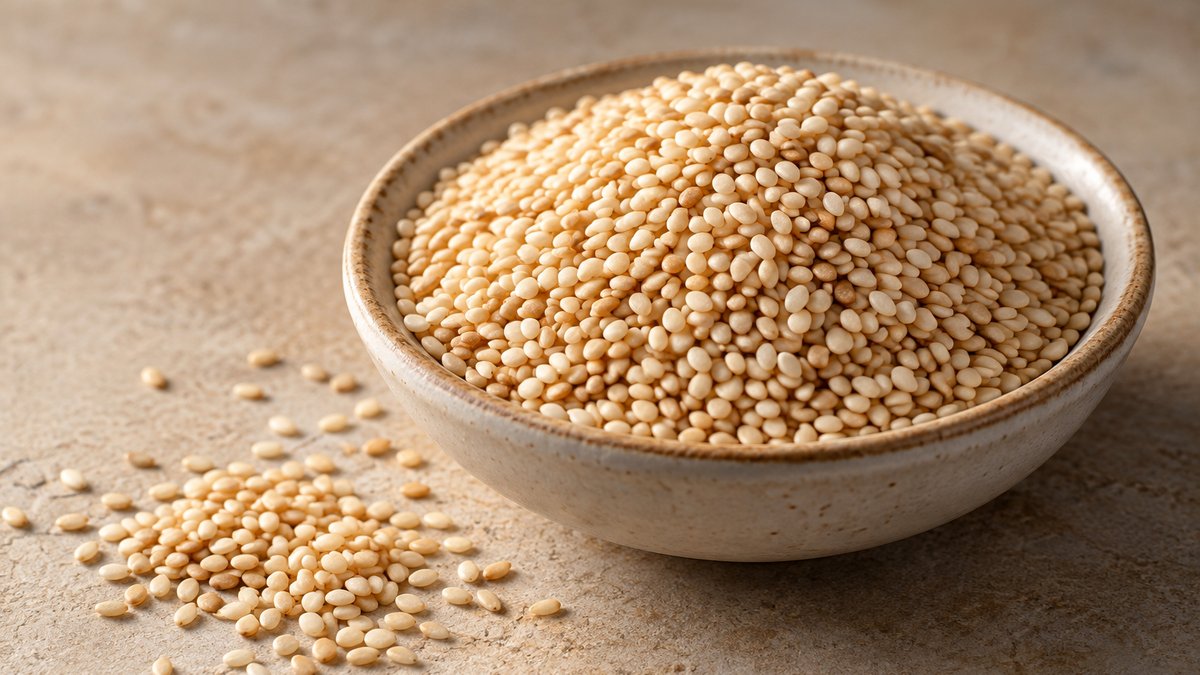
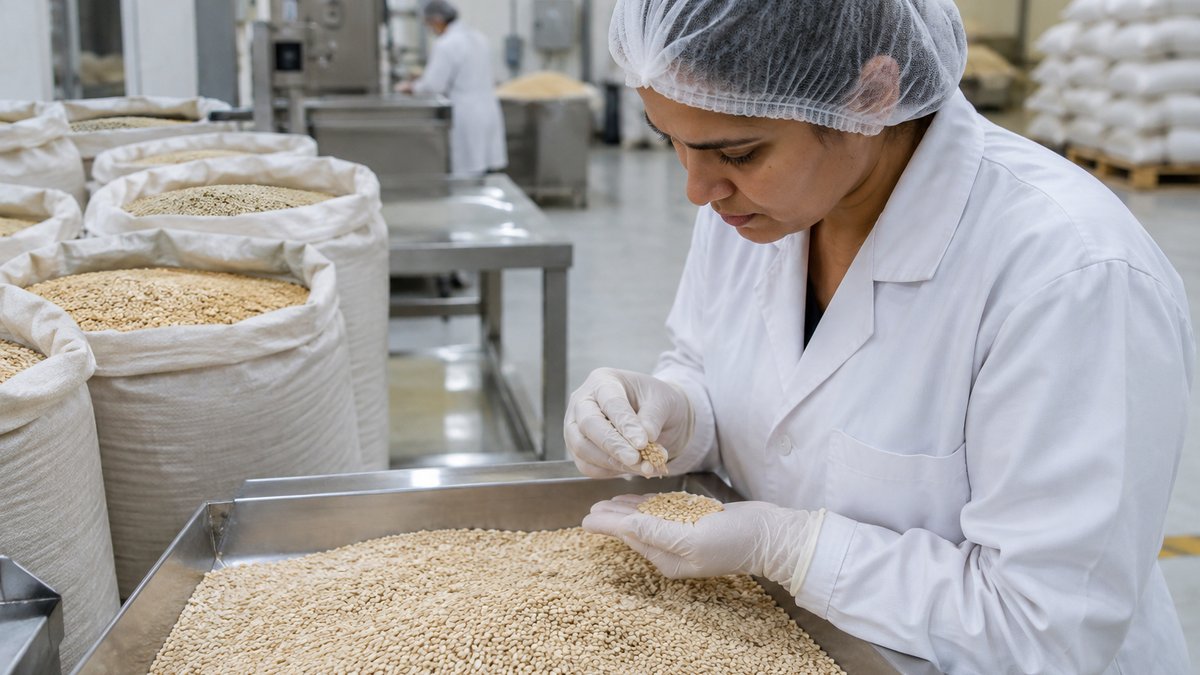
The product descriptions range from general sesame seed requests to more specific forms. They include white sesame, white Hummara sesame, natural sesame, hulled seed, peeled seed, organic seed and roasted seed. One request asks for 99.95% purity and names conventional processing and Sortex cleaning. Another lists maximum admixture and FFA levels and a 24-month shelf life; the percentage marks appear duplicated as entered, so a supplier should confirm the intended limits before treating them as contract specifications.
Five requests state at least one specification field, according to Freshdi’s record summary. The fields cover different matters, such as purity, processing, cleaning, color, organic status, origin and shelf life. Two requests list certificate information. The summary reports a test report, a certificate of analysis and a first sample test report across those records. Suppliers should ask which document applies to the lot, what test method and limits the buyer expects, and whether a pre-shipment sample is required.
Only one request states packaging: 25 kg or custom. The other requests do not state packaging in the supplied records. A supplier should not assume that a standard bag size or retail pack will suit them. Confirm bag material, net weight, liner, labeling, pallet requirements and whether the buyer wants bulk or retail-ready packing.
2.2 Quantity and destination
All 12 requests state a quantity, but the entries use different units and formats: kilograms, tons, metric tonnes and 20-foot or 40-foot containers. A container count does not state the net quantity of sesame seed. In addition, some stated quantities are unusually large or use units that may need confirmation. Keep the buyer’s wording intact when reviewing the request, then confirm the quantity basis, container loading plan and shipment schedule before calculating an offer.
Each request names a destination, while one does not state the buyer’s country. The requests include destinations in the United States, Thailand, Pakistan, Togo, Qatar, Poland and South Korea, as well as several in the United Arab Emirates. Buyer location and delivery destination are separate fields: for example, some requests list an Indian buyer country with a destination outside India. Freight and insurance calculations should use the confirmed destination and delivery point, not the buyer’s location alone.
2.3 Commercial terms and prices
CIF is listed in 9 requests and FOB in 5; CFR and EXW each appear once. Some requests list more than one trade term, so these counts overlap. The records do not make the terms interchangeable. Before quoting, confirm the chosen Incoterm and the named place or port, then build the offer around the responsibilities that term assigns.
The payment fields include T/T in 6 requests, L/C in 4, Other in 5 and D/P in 1; one request does not specify a payment term. Some requests list multiple payment choices. Ask the buyer to confirm the payment method, timing, currency, documentary conditions and any advance or balance schedule in writing. A short entry such as “Other” does not define a payment arrangement.
All 12 records contain a target-price field, but the entries are not all comparable quotations. Some give a currency without a numeric amount, while others include amounts without a full basis such as unit, grade, packaging, delivery term or named place. Treat the field as buyer-provided information, not as a market benchmark or an accepted price. Confirm the currency and unit, product specification, quantity basis and delivery basis before comparing it with your cost.
Seven of the 12 requests are marked verified in the supplied Freshdi records. That field is one piece of platform information; it does not confirm that every commercial detail is complete or guarantee a transaction. Suppliers should still review the request and carry out their own commercial checks.
3. What These Buying Requests Mean for Sesame Seed Suppliers
The sample points to a practical requirement: suppliers need to quote the sesame seed they can actually supply, with a specification and quantity basis the buyer can evaluate. A broad product name alone leaves important questions about processing, purity, color, packaging and delivery unresolved.
- Match the product form. State whether the offer is raw, hulled, peeled or roasted, and identify color and organic status only when they apply to the lot.
- Give measurable quality details. State the purity, admixture, FFA and other limits you can support, with the test method and a current lot analysis where available. Confirm how the buyer defines each limit.
- Make quantity clear. Quote in a stated net weight and explain the loading basis. For container-based requests, confirm the expected container size and net weight before reserving goods.
- Resolve trade and payment terms. Confirm one Incoterm with a named place or port, then specify payment method, timing and required documents.
- State the packing and shipment plan. Give bag format, net weight, availability, lead time, loading port and shipment method when confirmed. Do not fill gaps in the buyer’s request with assumptions.
Some requests contain details that deserve direct clarification. The entries with container quantities do not state net seed weight in the quantity field. A request with a target price shown as zero should not be read as an agreed price. An entry that gives only a currency does not provide a usable unit price. Where a specification uses duplicated percent marks, ask the buyer to confirm the intended value before placing it in a sales contract.
Buying consideration: Before sending a firm quotation, prepare a product-specific offer that states grade or type, processing, quality limits, net quantity, packaging, origin, availability, price unit, currency, Incoterm and named place, payment conditions, shipment timing and supporting documents. Mark any item that needs buyer confirmation instead of presenting an assumption as agreed.
4. How Freshdi Helps Suppliers Find Sesame Seed Buyers
Freshdi gives suppliers a place to review buying requests and compare the requirements buyers have stated. Suppliers can start with sesame seed buying requests, then check each listing for its product description, quantity, destination and commercial fields. The request details can help a supplier decide whether to investigate further; they do not replace due diligence or a written agreement.
A supplier profile and product listing can help buyers understand what the business can supply. Keep the listed origin, processing, specifications, packaging and availability consistent with the actual product and documents. A quotation should answer the request directly and make its unit, currency, delivery basis and validity clear. If the buyer’s entry is incomplete, ask for clarification before committing stock or calculating freight.
The 12 requests in this snapshot were posted from October 14 to November 3, 2026. Freshdi’s request listings may change after publication, so suppliers should open a current listing to review its status and details before acting.
Suppliers who have checked their product fit and can answer the stated requirements can review current sesame seed buying requests on Freshdi.
View Latest Buying Requests for This Product →
5. Conclusion: Verify the Request Before Quoting Sesame Seed
The recent Freshdi sample includes 12 sesame seed buying requests from 11 buyers, with varied product forms, quantity units, destinations and commercial terms. Its specifications range from purity and cleaning details to hulled, peeled, organic and roasted seed. The records are useful for seeing what these buyers stated, but they do not establish total market demand or a standard price.
Suppliers should verify the exact product form, quality limits, net quantity, packaging, destination, Incoterm, payment schedule and shipment timing before making a firm offer. Freshdi’s sesame seed buying requests are a place to review the requests discussed here and other relevant listings.
After checking the request details and confirming that your supply fits, review the buyer listings on Freshdi before preparing a quotation.
View Latest Buying Requests for This Product →
Frequently Asked Questions
What specifications should a sesame seed quotation include?
State the product form, color or type, processing method, purity, admixture and FFA limits where applicable, packaging, origin, available net quantity and supporting test documents. Give the price unit and currency, Incoterm with named place, payment conditions and shipment timing. Only state limits and documents your lot can support.
How should suppliers handle a sesame seed request stated in containers?
Confirm the container size, expected net weight, packing format and loading plan with the buyer. A container count alone does not state the seed quantity. Keep the buyer’s original quantity wording while clarifying the net weight before calculating a price.
Can I treat a target price in a Freshdi request as a market price?
No. A target price is a buyer-stated field, and the records may omit a numeric amount, unit, currency basis or delivery basis. Confirm those details and compare the figure only with an offer for the same product specification, quantity and delivery terms.
What should I do when a request lists more than one trade term or payment method?
Ask the buyer which option they want for the transaction. Confirm the applicable Incoterm and named place, payment method, timing and documentary conditions in writing before submitting a firm quotation.
Where can sesame seed suppliers review buying requests on Freshdi?
Suppliers can browse the sesame seed buying-request category on Freshdi and open listings to review the buyer-stated product, quantity, destination and commercial details. Request information may change, so check the current listing and carry out your own checks before committing to a sale.
References
1. Food and Agriculture Organization of the United Nations – FAOSTAT Crops and Livestock Products, Crop Production, Yield and Harvested Area dataset, Data through 2024; dataset revised December 15, 2025.
2. Our World in Data – Sesame seed production, 2024, based on FAOSTAT, Updated February 25, 2026.
3. World Bank WITS – Sesamum seeds exports by country, HS 120740, 2024, based on UN Comtrade, 2024 trade data.
4. Commodity Origins – Where does sesame come from? Producers and exporters, Published September 2026; trade data fetched September 6, 2026.
Disclaimer: This article is compiled from platform data, public sources and information provided by third parties, for general informational purposes only. We do not guarantee its accuracy or completeness. Mentions and rankings of suppliers do not constitute an endorsement or guarantee, and strategies and examples are illustrative; results may vary. Please conduct your own due diligence before making business decisions.