
For wheat bran exporters, tonnage is only the opening line. A 500-ton request can still be hard to price when the buyer has not defined feed or food grade, particle form, moisture, protein, fibre, ash, fat or mycotoxin limits. An organic claim adds a separate proof burden: certification and lot traceability must cover the product actually shipped.
This roundup compares three Freshdi requests: a United Kingdom buyer seeking 500 tons FOB and T/T for Jebel Ali, a Bangladesh buyer asking for 100 tons of organic feed-grade bran CFR and L/C to Chittagong, and an Ethiopia-based buyer seeking 2,500 tons CIF to the same port. All three buyer profiles are Level 2 and rated above 4.0/5. The article highlights what can be quoted, what needs clarification and which controls must be ready.
Key Takeaways
- All three buyer profiles show Verification Level 2 and profile ratings of 4.5, 4.4 and 4.8 respectively.
- The requests span 100 tons of organic feed-grade bran, 500 tons of wheat bran without a stated grade, and a 2,500-ton feed-ingredient request with a displayed target price.
- The buyer’s country is not always the destination: the United Kingdom buyer names Jebel Ali, while the Bangladesh and Ethiopia buyers both specify Chittagong.
- Only the Bangladesh request asks for organic status, and none of the three fully defines the nutritional limits, particle form or packing.
Market Overview: Feed Demand, Milling By-products and Buyer Specifications
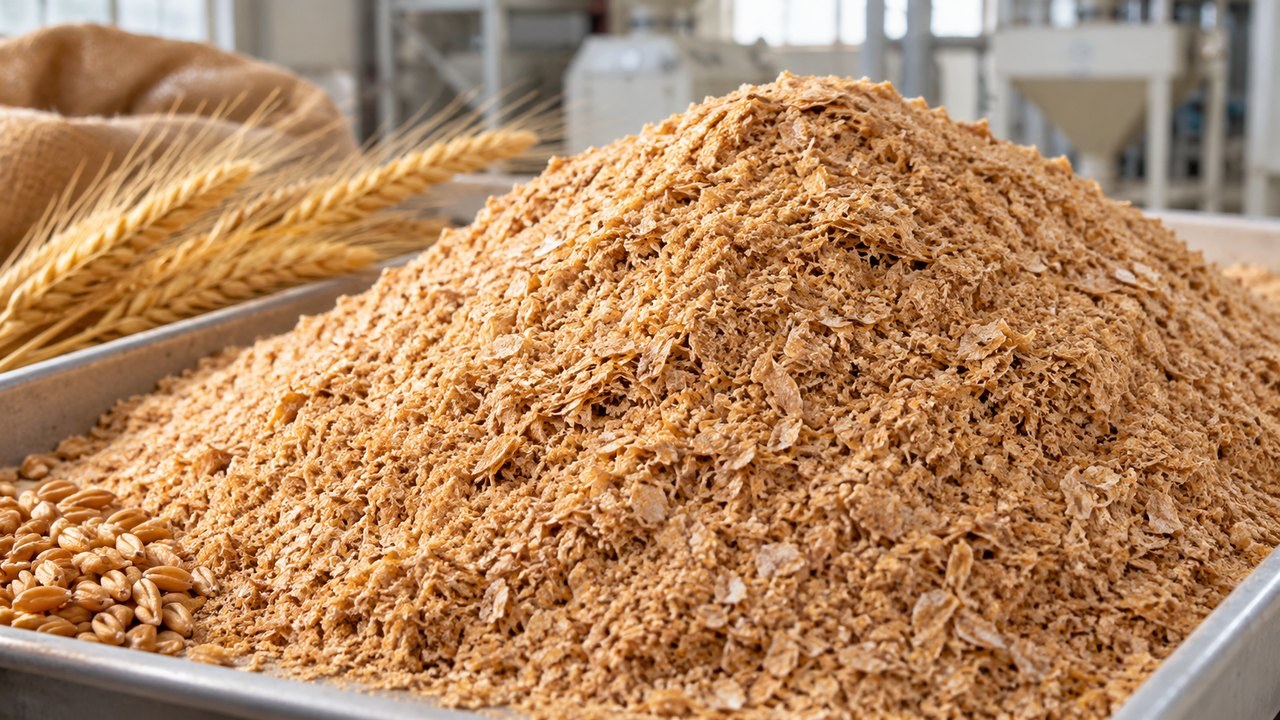
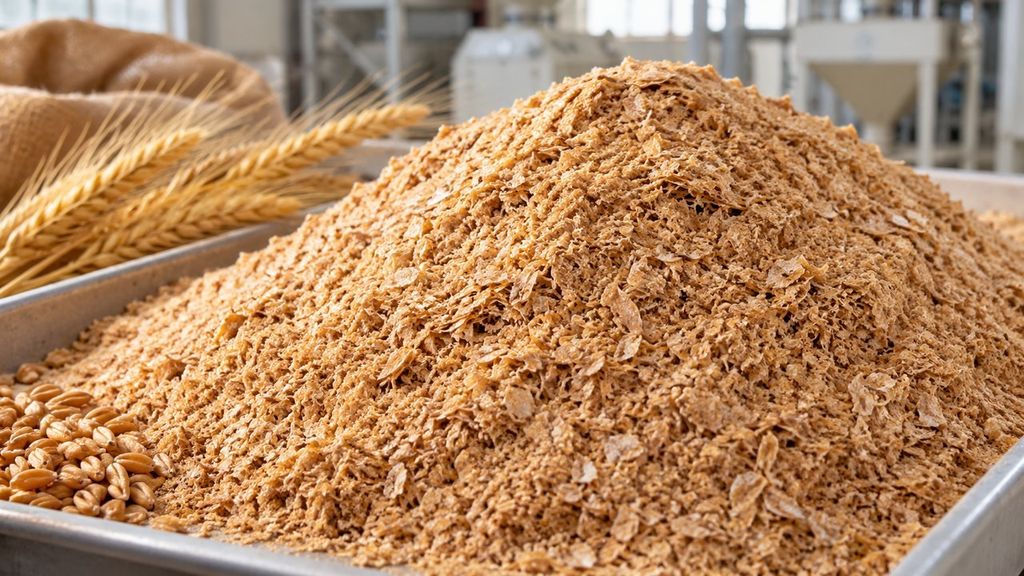
Wheat bran is a by-product of wheat milling, so availability and consistency depend on milling throughput, extraction practices and post-milling handling. Buyers do not purchase an abstract by-product: they specify a lot’s nutritional profile and physical form. For feed use, the key checks often include moisture, crude protein, fibre, ash, fat, starch, foreign matter and mycotoxins, alongside whether the material is coarse, fine or pelletized. The three requests show different levels of detail; only one explicitly asks for organic feed-grade bran.
The Food and Agriculture Organization’s Cereal Supply and Demand Brief, released on 2 October 2026, forecast world wheat production at 813.9 million tonnes in 2026, 3.3 percent below the previous year. It forecast total world cereal utilization at 2,966 million tonnes in 2026/27, up 0.1 percent year-on-year, and noted that some upward revisions to barley, sorghum and wheat use were mainly for animal-feed rations. This is context for feed formulation, not evidence of wheat-bran demand or price in any individual RFQ market.
The United States Department of Agriculture’s Economic Research Service published its October 2026 Feed Outlook on 14 October, with estimates for 2025/26 and projections for 2026/27 U.S. and global feed markets. It is useful background but not a direct wheat-bran price benchmark. In this Freshdi sample, one request specifies organic status, one gives a large tonnage and target price without a nutrient schedule, and one omits grade entirely. Suppliers should quote each buyer’s documented specification, not reuse one standard sheet.
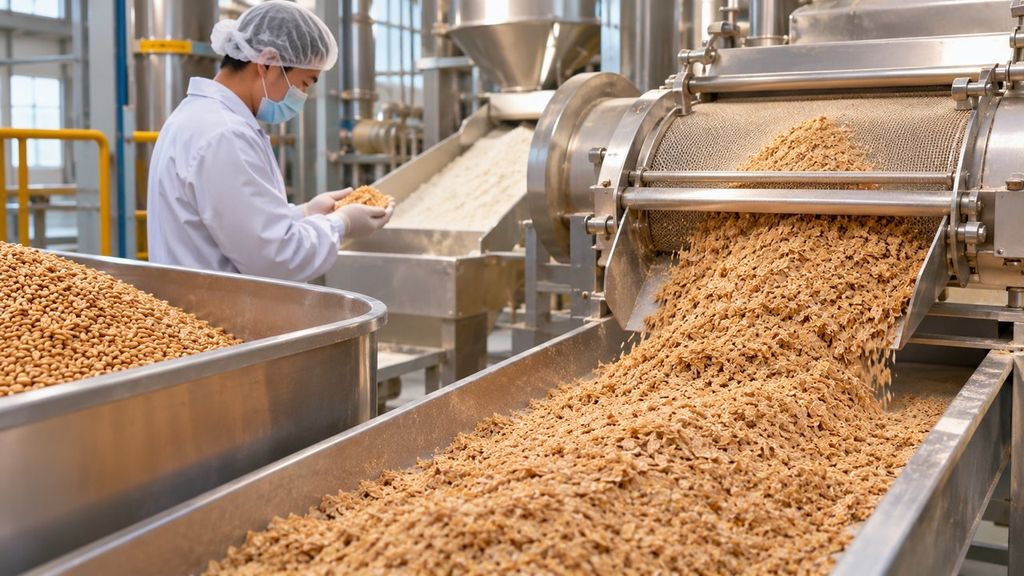
Buying Request Comparison Table
| Buying request | Buyer profile | Quantity | Destination | Trade / payment |
|---|---|---|---|---|
| Wheat Bran – United Kingdom | United Kingdom · Level 2 · 4.5/5 | 500 tons | Jebel Ali, United Arab Emirates | FOB / T/T |
| Organic Wheat Bran for Cattle Feed – Bangladesh | Bangladesh · Level 2 · 4.4/5 | 100 tons | Chittagong, Bangladesh | CFR / L/C |
| Wheat Bran Quality Feed Ingredient for Dairy Cattle, Poultry and Sheep – Ethiopia | Ethiopia · Level 2 · 4.8/5 | 2,500 tons | Chittagong, Bangladesh | CIF / L/C |
Source: Observed and compiled by Freshdi.
Where a buyer profile and an RFQ summary show slightly different ratings, the buyer-profile rating is used in this article. The Bangladesh RFQ shows 100 tons in its structured quantity field, while the buyer’s free-text message mentions four containers for a trial order; both are noted in the analysis below.
Looking to Sell Wheat Bran?
Connect with verified buyers, receive relevant buying leads, and explore sourcing opportunities from global markets.
Individual Buying Request Analysis
The details of each buying request are outlined below.
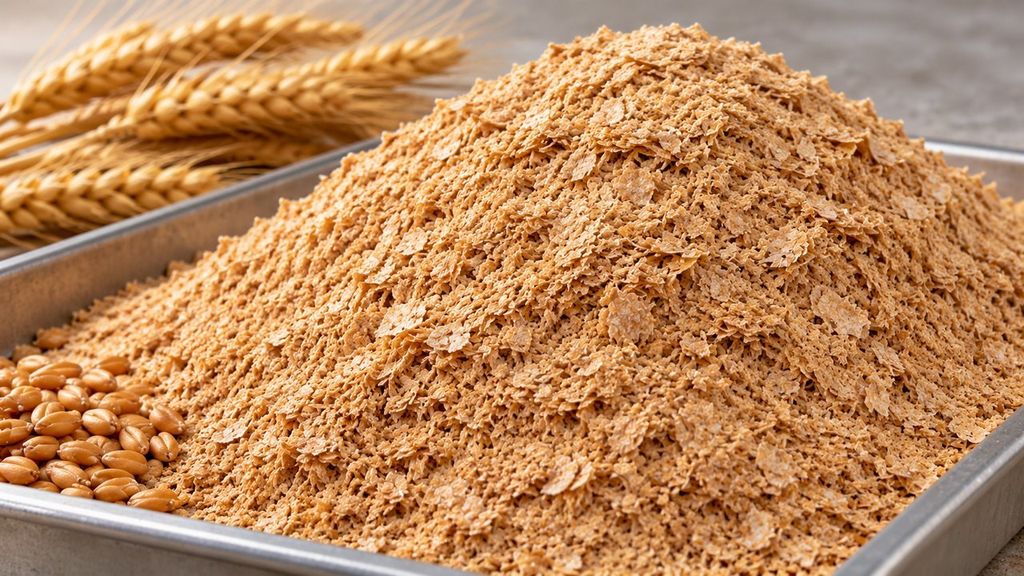 | 1. Wheat Bran – United Kingdom New RFQ Buyer country: United Kingdom · Verification: Level 2 · Buyer profile rating: 4.5/5 Destination: Jebel Ali, United Arab Emirates Quantity: 500 tons · Trade term: FOB · Payment term: T/T Product / grade / form: Wheat bran. Feed or food grade, particle form, nutritional limits, origin and packaging are not stated. Why this request may matter The 500-ton quantity gives suppliers a clear scale to assess, and the buyer asks for a per-ton FOB offer, lead time and sample availability. However, there is no grade, form, nutritional schedule, packing format or origin requirement. The destination field says Jebel Ali while the requested term is FOB, so the named port of shipment still needs to be established before a firm offer can be built. Best suited to Wheat-bran mills, aggregators or exporters able to offer a consistent 500-ton lot and provide a current product specification, certificate of analysis, sample, origin, packing details and a named loading port. What to clarify first Confirm whether the bran is intended for animal feed, food processing or another use, and agree the required grade and physical form. Set measurable limits for moisture, crude protein, crude fibre, ash, fat, starch, foreign matter and relevant mycotoxins, with test methods and tolerances. Confirm the port of loading for FOB and whether the buyer actually wants an FOB offer or a delivered price to Jebel Ali. Specify bulk or bagged delivery, bag size, palletisation, shipment split, loading window and sample or pre-shipment inspection procedure. Agree the T/T payment trigger, deposit or balance structure, document-release point and quotation validity. |
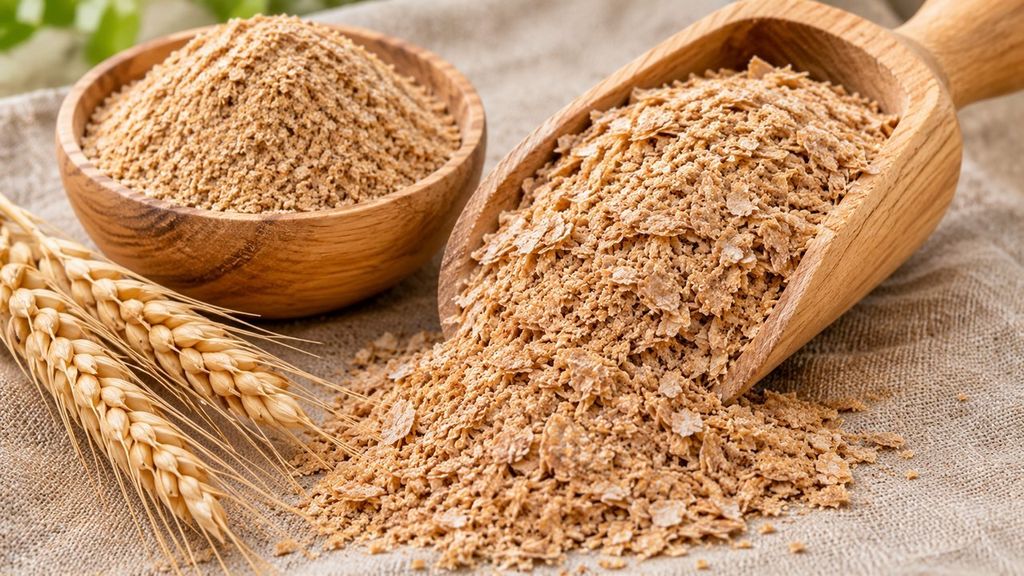 | 2. Organic Wheat Bran for Cattle Feed – Bangladesh Hot Buy Buyer country: Bangladesh · Verification: Level 2 · Buyer profile rating: 4.4/5 Destination: Chittagong, Bangladesh Quantity: 100 tons in the structured RFQ field · Trade term: CFR · Payment term: L/C Product / grade / form: Organic wheat bran for cattle feed. The buyer states feed grade and organic status but does not provide numerical nutritional limits, particle form or packaging. Why this request may matter This is the most clearly differentiated request because it explicitly combines feed-grade use with an organic requirement. That changes the supplier’s evidence burden: the offer needs more than a generic wheat-bran specification. At the same time, the structured quantity is 100 tons while the buyer’s message refers to four containers for a trial order, so a supplier should not calculate the load or freight until the buyer confirms the intended trial volume. Best suited to Mills or exporters able to supply feed-grade wheat bran with valid organic certification, lot-level traceability, consistent quality records and the documentation required for an L/C shipment to Chittagong. What to clarify first Confirm whether the purchase is 100 tons or four containers, and whether the four-container wording describes the trial order or a later repeat programme. Ask which organic standard and certifying body the buyer will accept, and confirm that certification covers the product, processing, storage and chain of custody. Agree protein, moisture, crude fibre, ash, fat, starch, aflatoxin and foreign-matter limits, plus test methods and acceptable tolerances. Confirm coarse, fine or pellet form; bag material and net weight; container loading; shipment window; and whether samples or third-party inspection are required. Review the draft L/C, issuing bank, presentation period and document wording before confirming the CFR price and shipment date. |
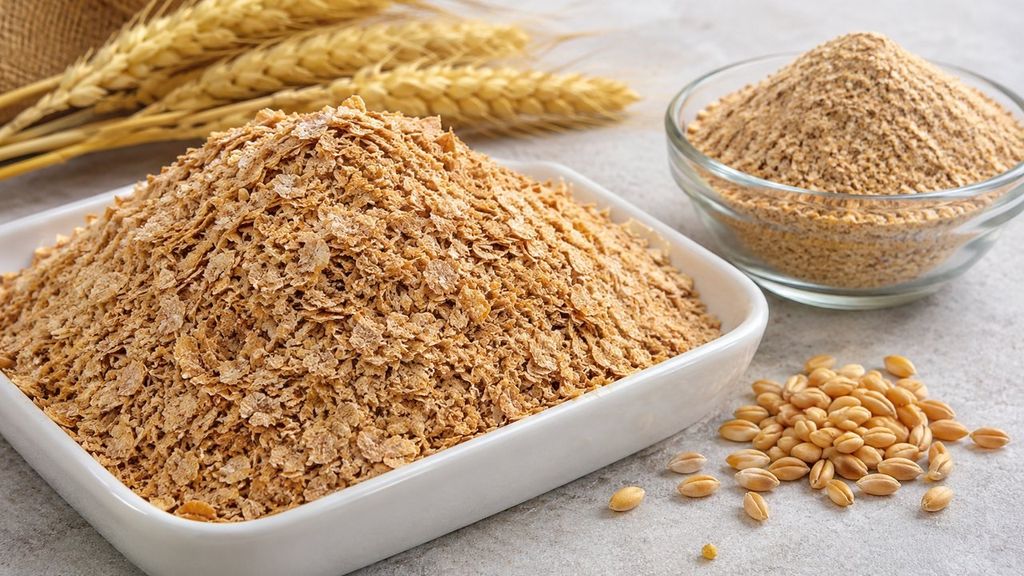 | 3. Wheat Bran Quality Feed Ingredient for Dairy Cattle, Poultry and Sheep – Ethiopia Hot Buy Buyer country: Ethiopia · Verification: Level 2 · Buyer profile rating: 4.8/5 Destination: Chittagong, Bangladesh Quantity: 2,500 tons · Trade term: CIF · Payment term: L/C Product / grade / form: Wheat bran feed ingredient for dairy cattle, poultry and sheep. The RFQ does not state grade, particle form, nutritional limits or packaging. Why this request may matter The 2,500-ton volume and a displayed target of $190 per ton make this the largest and most price-led request in the roundup. But the buyer has not supplied the feed specification, product form, packing or shipment schedule needed to judge whether the target is workable. The currency is shown with a dollar sign but is not explicitly named in the RFQ, and the price basis should be confirmed as CIF per metric ton to the named port. Best suited to Large-scale mills, trading houses or exporters with dependable bulk availability, feed-quality testing, export documentation and experience arranging CIF shipments under documentary L/C terms. What to clarify first Confirm the currency and whether the displayed $190 target is per metric ton on a CIF Chittagong basis. Request the complete feed specification: moisture, protein, fibre, ash, fat, starch, aflatoxin or total mycotoxins, foreign matter and acceptable test methods. Confirm whether the buyer needs coarse bran, fine bran or pellets, and specify bagged or bulk shipment, net weight, loading tolerance and container or vessel plan. Agree the origin, named port, shipment schedule, insurance scope and any inspection or sampling requirement under CIF. Review the L/C draft and confirm the issuing bank, required documents, expiry, presentation period and any shipment-by-shipment drawdown. |
What These Buying Requests Mean for Suppliers
The three quantities represent different supply commitments. A 100-ton organic trial, a 500-ton generic request and a 2,500-ton feed-ingredient enquiry require different production and working-capital plans. The largest volume is not automatically the easiest opportunity: the 2,500-ton request leaves the most important quality and packing fields open, while the smaller organic request carries a stricter certification and traceability burden.
Buyer country and destination must be read separately. The first buyer is based in the United Kingdom but names Jebel Ali in the United Arab Emirates as the final destination. The other two buyer profiles are in Bangladesh and Ethiopia, while both requests name Chittagong in Bangladesh. This matters for sales qualification, freight costing and document checks: a buyer’s profile country is not necessarily the cargo’s destination or the product’s origin.
FOB, CFR and CIF are not interchangeable price labels. The UK request asks for FOB but lists Jebel Ali as destination, without stating the loading port. The Bangladesh organic request uses CFR, while the Ethiopia request uses CIF. A supplier should quote the named place correctly and separate the seller’s carriage and insurance obligations from the buyer’s responsibilities.
A target price is not a complete specification. The Ethiopia RFQ displays $190 per ton, but does not state the currency explicitly or define the bran’s nutritional profile, form or packaging. Suppliers should treat it as an enquiry benchmark only until the buyer confirms currency, price basis, quality limits, shipment size and inspection rules.
Verification helps screening but does not replace due diligence. All three buyer profiles display Level 2 verification and ratings above 4.0/5. These are useful screening signals, not proof of financial capacity, product quality or payment performance. Check the legal entity, signatory, import capability, references and draft payment instrument before committing production or releasing goods.
Commercial and Export Considerations
Build a measurable specification sheet. For feed-grade wheat bran, quote the actual results and limits for moisture, crude protein, crude fibre, ash, fat, starch, foreign matter and aflatoxin or other relevant mycotoxins. State the analytical method, sampling point, test laboratory and whether values are expressed on an as-received or dry-matter basis. If the buyer has not provided limits, present your standard specification as a proposal and obtain written acceptance before treating it as the contract standard.
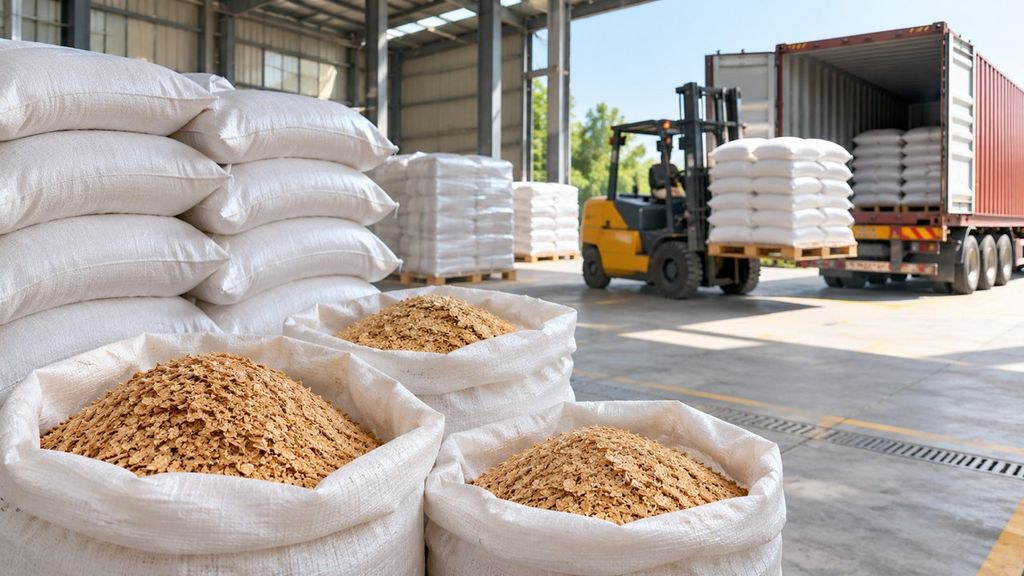
Describe the physical form and packing. Wheat bran may be offered as coarse flakes, finer meal or pellets, but none of the three requests fully defines the form. State the form you can supply and confirm whether the buyer wants bulk, 25 kg or 40 kg bags, larger sacks or another format. Include bag material, net weight, palletisation, container loading, moisture protection and storage conditions. Do not assume a packing size simply because it is common in the market.
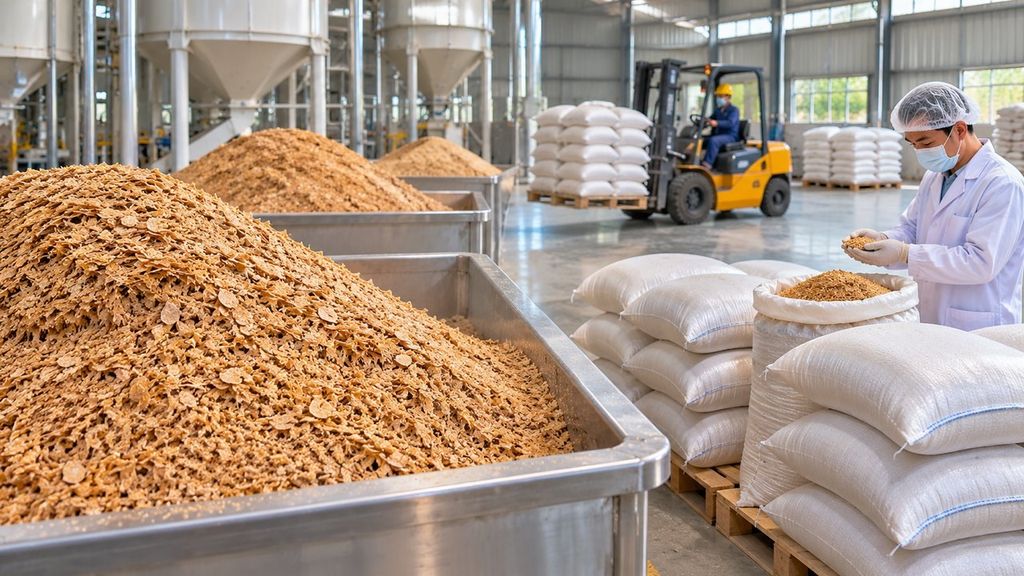
Protect the lot during storage and transit. Keep bran dry, clean and protected from pests, condensation and contamination. Agree the warehouse condition, loading inspection, container cleanliness, moisture protection, ventilation and any fumigation or pest-control requirements with the buyer and destination importer. For long-distance shipments, document lot identification and retain representative samples so that any quality claim can be traced to the shipped batch.
Name the place when quoting Incoterms. Under Incoterms 2020, FOB is a sea or inland-waterway rule tied to the named port of shipment; CFR and CIF are also maritime rules but use a named destination port. Under CIF, the seller arranges cargo insurance as well as carriage, while CFR does not require the seller to provide that insurance. For the UK buyer, clarify the loading port and whether FOB is truly intended when Jebel Ali is shown as the destination.
Make payment and import documents part of the offer. For T/T, agree the deposit, balance, inspection and document-release milestones. For L/C, review the draft with the bank before accepting the order and check the issuing bank, expiry, latest shipment date, presentation period and exact document wording. Confirm destination-specific feed-import, plant-health, labelling and certificate requirements with the importer and competent authorities; do not promise a certificate unless it is required, available and applicable to the product and origin.
Treat organic status as a controlled supply-chain claim. The Bangladesh RFQ explicitly asks for organic wheat bran. Confirm the buyer’s accepted standard, certification body, product scope, processor and storage coverage, segregation controls, transaction certificates where applicable and traceability from incoming wheat to the shipped bran. A supplier should not label the lot organic merely because the raw wheat or a different product in the same facility has an organic certificate.
How Freshdi Helps Suppliers Discover Wheat Bran Buying Requests
Suppliers often search broad categories and still find requests that do not fit their grade, volume or export route. Start with Freshdi’s wheat bran buyer search, then narrow to organic wheat bran or wheat bran feed ingredient. Open the original RFQ to check status, quantity, destination and terms; then inspect the linked buyer profile for verification level and rating. This helps separate a relevant lead from a title that only contains the keyword.
Freshdi’s current membership page sets out the quotation allowance and buyer-profile credits for each plan. Full profile access is credit-based, not universal. Premium Matching is a separate service; its published eligibility includes Level 3 verification, 70 percent profile completion and products in selected categories. None of these features guarantees a reply or an order.
Find wheat bran buyersExplore organic wheat bran buyersExplore wheat bran feed ingredient buyers
Frequently Asked Questions
Where can I find more wheat bran buying requests on Freshdi?
Start with Freshdi’s wheat bran buyer search, then narrow your review to organic wheat bran or wheat bran feed ingredient if those forms match your offer. Open the original RFQ rather than relying only on a category card: check the status, quantity, destination, payment and trade terms, then inspect the buyer profile. This helps you prioritise requests that match your actual supply capability.
Can I view the full contact details of these buyers?
Public RFQ information and full buyer-profile contact details are different levels of access. Check the permissions and remaining credits in your account before relying on a phone number, email or direct-contact option. Access to a profile does not guarantee a reply or transaction.
Do I need a Premium Supplier account to contact buyers directly?
You can explore buying leads on Freshdi, and each plan includes a different quotation allowance. Unlocking full buyer profiles uses daily credits that depend on your plan. Premium Matching is a separate service with published eligibility criteria, including Level 3 verification, at least 70% profile completion and products in selected categories. Paid access or matching does not guarantee a buyer response.
How should I send a quotation for feed-grade wheat bran?
Use the quotation action where it is available on the original RFQ, and make the offer specific to the buyer’s destination and terms. Include the price basis and named place, quantity, grade, physical form, moisture, protein, fibre, ash, fat, starch, mycotoxin results, origin, packing, shipment schedule, sample availability and quotation validity. For L/C requests, ask for the draft wording before confirming the final price.
Which quality details should a wheat bran exporter prepare before quoting?
Prepare a current certificate of analysis showing moisture, crude protein, crude fibre, ash, crude fat, starch and foreign matter, together with aflatoxin or other mycotoxin results where relevant to the buyer or destination. State the test method, sample date, lot reference and whether values are on an as-received or dry-matter basis. Also describe whether the product is coarse, fine or pelletized and the packing options you can actually supply.
What should I verify before offering organic wheat bran?
Ask which organic standard and certifying body the buyer accepts, and check that your certificate covers the wheat bran itself, the processing site, storage and chain of custody. Confirm segregation from conventional material, lot traceability and any transaction documents required for export. The Bangladesh RFQ states “organic” but does not name a scheme, so suppliers should not assume that a particular national or regional certificate will automatically be accepted.
Are these three wheat bran RFQs still available, and does Level 2 verification guarantee a safe deal?
Reopen each original page before quoting because status can change. Level 2 verification and a rating above 4.0/5 are screening signals, not a guarantee of payment, product quality or performance.
Conclusion: Quote the Lot, Not Just the Commodity Name
These three requests show why wheat bran should be quoted as a defined feed ingredient rather than a generic milling by-product. The 500-ton UK request needs a clearer FOB loading point and grade; the 100-ton Bangladesh enquiry needs its trial quantity and organic standard reconciled; and the 2,500-ton Ethiopia request needs a complete feed specification and a confirmed price basis before the $190-per-ton target can be assessed.
The most practical next step is to prepare a lot-specific wheat-bran specification and certificate of analysis, then send a clarification-led quotation only where the product form, certification, quantity and shipping terms can be met.
References
1. Food and Agriculture Organization of the United Nations, Cereal Supply and Demand Brief, released 2 October 2026.
2. United States Department of Agriculture, Economic Research Service, Feed Outlook: October 2026, published 14 October 2026.
3. Freshdi Supplier Membership Plans, quotation allowance and buyer-profile credit rules.