
Introduction
Cashew nut buying requests range from kernel grades and blanched nuts to a request for unshelled nuts. Those product differences affect what an exporter can quote, while quantity and delivery terms shape shipment planning.
This roundup covers 10 requests posted on Freshdi from 30 October to 9 November 2026, representing 9 buyers. Stated quantities range from 1 ton to 12,000 MT, with one additional request measured as a 20-foot container. Suppliers can compare the recorded requirements, then confirm unclear product, price and shipment details before preparing an offer.
Key Takeaways
- Freshdi lists 10 cashew nut requests from 9 buyers, posted between 30 October and 9 November 2026.
- The requests cover W240 and W320 kernels, other kernel grades, blanched kernels, and a listing described as unshelled cashew nuts.
- Stated quantities run from 1 ton to 12,000 MT; another request uses a 20-foot container, which cannot be converted to weight from the listing.
- CIF appears in all 10 requests; FOB appears in 3 and DDP in 1. Payment terms are stated in 9 requests, with T/T listed in 7.
- Several entries need clarification before quoting, including prices shown only as USD, inconsistent moisture wording, and product descriptions that combine conflicting forms.
1. Market Overview: Cashew Trade Depends on Product Form and Destination
Cashew nut trade statistics provide a broad market context, but they do not establish demand for any individual grade or Freshdi request. The latest full-year figures available in the World Bank’s World Integrated Trade Solution, drawing on UN Comtrade data, cover 2024 and use HS 080130, “Cashew nuts, fresh or dried.” The category does not separate all the kernel grades and processing details buyers specify in these requests.
These 2024 customs figures show substantial reported imports in several markets, but they are not price benchmarks. WITS reports trade value and quantity under the same HS code; suppliers still need to compare a buyer’s product form, grade, packaging, destination and delivery basis before using any market figure in a quotation. The Freshdi requests below are a separate platform sample, not global demand statistics.
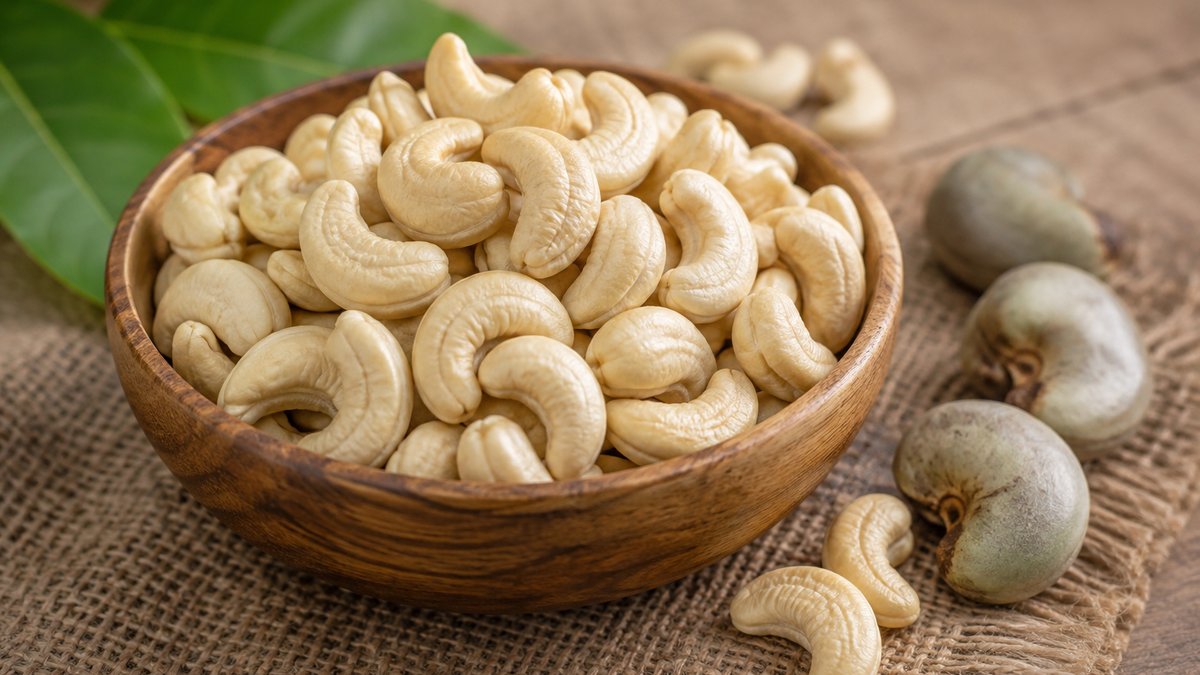
The request details point to distinct quoting tasks: some buyers name W240 or W320 kernels, one asks for blanched kernels, and one listing describes unshelled nuts. These products should be matched to the request as written. Confirm whether each buyer wants a particular kernel grade, in-shell product or processing level before pricing.
Looking to Sell Cashew Nut?
Connect with verified buyers, receive relevant buying leads, and explore sourcing opportunities from global markets.
2. Buying Request Comparison Table
Ten recent requests were posted during the 14-day selection window, from 30 October to 9 November 2026. Freshdi’s summary reports 9 buyers for these 10 requests. The records show a stated quantity and destination for every request; buyer country is stated in 5 of 10. The table lists the original requests and their recorded details. Where a detail is absent, it is not specified.
Freshdi marks 8 of the 10 requests as verified requests. That field describes the request record; it is not a guarantee of payment, performance or a completed transaction. Treat each stated quantity, product detail and term as a point to confirm with the buyer before committing stock or production.
3. Detailed Analysis of Each Buying Request
The requests differ in product form, lot size and the information available for a quotation. Each request below is described as stated in its Freshdi record; any missing or unclear details should be confirmed before a supplier calculates a firm offer.
3.1 Premium W240 Cashew Kernels Tanzania Origin for Snacks Cashew Nut WW180 Cashew Nut WW180
This request lists 1 ton for delivery to Belize City, Belize, and names Tanzania as the origin in its specifications. The listing mentions W240 and WW180 kernels, bright ivory-white color and a 24-month shelf life. It gives CIF and FOB terms, but the target-price field shows only “USD,” without an amount or unit. Packaging options include 22 kg moisture-resistant sacks or cartons and bags from 5 kg to 25 kg.
Before quoting, ask whether the buyer wants W240, WW180, or both, and whether 1 ton applies to one grade or a mixed order. Confirm the named loading and destination ports, packaging choice, and the price basis. The record also lists several payment methods; agree on one specific method and its conditions.
3.1.1 Excellent Quality Cashew Nuts For Retail Packaging Wholesale Distribution And Premium Snack Food Production
The buyer requests 5 tons for Algeria and lists whole, halves, pieces or broken cashews, with customized packaging available. CIF and DDP are listed as delivery terms. The specification states maximum moisture as “100%” and repeats it in a second field as “Max 100%%.” These entries are recorded as written and need correction or confirmation before a supplier can decide whether the product meets the intended quality requirement.
Ask which product form and retail pack size the buyer needs, and request a corrected moisture limit with its measurement basis. For DDP, confirm the exact delivery location and which import charges and clearance responsibilities the buyer expects the supplier to cover. The target-price field contains “USD” but no stated amount.
3.1.2 Premium Wholesale Cashew Nuts Export Quality Grade A Cashews Bulk Supply at Competitive Prices
This request states 20 tons for Mundra, India, with CIF delivery and T/T payment. Its specifications list a shelf life of 12 to 24 months, maximum moisture below 5%, and “Premium Wholesale, Grade A, Split Or Ws Grades Available.” Packaging options include vacuum-sealed tins, cartons with two vacuum-sealed bags, smaller pouches and packs from 5 kg to 10 kg.
Confirm which grade and pack format the buyer wants, and whether the moisture notation is the final agreed limit. The request’s title mentions Grade A while its specification also lists split or WS grades, so a supplier should quote the selected grade separately. The price field shows “USD” without an amount or unit.
3.1.3 Premium W240 Cashew Kernels Tanzania Origin for Snacks Cashew Nut WW180 Cashew Nut WW180, 10 Tons
This separate record lists 10 tons for Alger, Algeria, and describes bright ivory-white cashew kernels with a 24-month shelf life. The title names W240 and WW180, but the specification does not state a grade. CIF and T/T are listed. The available packaging entries include 22 kg and bags from 5 kg to 25 kg.
Clarify whether the requirement is for W240, WW180 or both, since the product title and specification provide different levels of detail. Confirm the bag or carton format and the named CIF destination port. The target-price field states “USD” without an amount or unit, so request the buyer’s price basis rather than treating it as a quotation target.
3.1.4 Skinless Blanched Cashew Kernels Available Whole Halved Sizes Roasted Nut Ingredients Confectionery
The request lists 1 ton for delivery to the United States and describes skinless blanched kernels in whole and halved sizes for ingredient uses. It states shelf life as “24months, Extended Due To Blanching And Low Moisture Content” and moisture as “5-7%%%%.” Packaging entries include 22 kg and options from 5 kg to 25 kg or customized quantities. CIF and T/T are listed.
Ask the buyer to confirm whether the listed moisture range is 5% to 7%, and request the agreed test method or specification format. Confirm the whole or halved size, packaging, and destination location in the United States. The displayed target-price field contains “USD” only; it does not provide a numerical price.
3.1.5 Cashew Nuts
This 1-ton request names the United Arab Emirates as both buyer country and destination. Its description says the nuts are carefully processed to retain natural flavor and nutrients, with a crispy texture, but it does not state a grade, form, packaging, payment term or delivery port. CIF is listed, and the target-price field shows “USD” without an amount.
Ask whether the buyer needs kernels or in-shell nuts, and request a grade, pack size, quality specification and exact delivery point. “Crispy” and the processing description do not identify a commercial grade or measurable acceptance limit. Confirm the payment method and price basis before preparing a pro forma quotation.
3.1.6 Vietnam Cashew Nuts W240 & W320
This request states 25 MT of W240 and W320 cashews for Khorfakkan Port, with sea freight and CIF terms. It names Vietnam as the requested origin and asks for stable quality and long-term supply consistency. The payment field gives “Bill of Exchange at maturity date against shipping documents submission.” The request is marked unverified, and the target-price field shows “USD” without an amount.
Confirm the quantity split between W240 and W320, the quality tolerances for each grade and the required shipment schedule. Ask the buyer to define the payment instrument’s maturity date and document requirements in the contract. Check the request status and buyer details on Freshdi before spending time on a detailed offer.
3.1.7 Cashew nut(unshelled)
The listing states 200 MT for Jebel Ali, United Arab Emirates, with a 10-day lead time and sea freight. It names Nigeria, Tanzania, India and Vietnam as possible sourcing origins. CIF and D/P are listed. The product title says “unshelled,” while the specifications say “Ground” and “Unsalted.” The target price is recorded as “2000 USD,” without a unit or price basis.
Resolve the product-form conflict first: confirm whether the buyer wants unshelled nuts or a ground product. Ask whether the 10-day lead time applies to production, dispatch or arrival, and whether the stated 200 MT is one shipment or a schedule. Confirm the currency, unit, Incoterm basis and what the USD 2,000 figure covers before comparing it with any supplier quotation.
3.1.8 Cashew nuts
This request lists 12,000 MT for the Port of Lomé, Togo, with FOB and CIF options. Payment choices shown include T/T, L/C, D/P, W/U, Money Gram and PayPal. The record does not specify product form, grade, origin, packaging, shipment schedule or a numerical target price; the price field shows “USD.” The request is marked verified.
The stated quantity needs a clear delivery programme before a supplier can assess capacity or logistics. Ask whether 12,000 MT is a single lot or a total requirement split into shipments, and confirm whether the buyer seeks kernels or in-shell nuts. Request a grade, packaging specification, shipment window and one agreed payment method. Do not treat the verification marker as confirmation of funds or order intent.
3.1.9 Cashew Kernels
This request specifies 1 20-foot container for delivery to India and lists CIF and FOB, with L/C or T/T payment. It does not state a container weight, kernel grade, origin, packaging or named port. The target-price field shows “USD” without an amount. Because the quantity is expressed as a container rather than a weight, it should remain in that unit until the buyer specifies net weight and loading requirements.
Ask for the destination port, grade, permitted broken percentage, pack size and net weight per container. Confirm whether the buyer wants a CIF or FOB quotation and name the relevant port for that term. Agree on payment instrument, timing and required documents before preparing a final offer.
4. What Cashew Nut Suppliers Should Prepare Before Quoting
A comparable cashew quotation starts with a precise product description. State whether the offer is for in-shell nuts or kernels, and identify processing such as blanching, roasting or grinding only when it applies to the offered product.
For kernels, identify the grade requested, including W240 or W320 where relevant, and state whether the offer covers whole kernels, halves, splits or broken pieces. Add the agreed color and moisture limits, quality tolerances, shelf life and inspection or analysis documents available for the lot. If a buyer’s specification contains conflicting or malformed wording, get written confirmation rather than silently changing it.
Match the pack to the buyer’s use and transport plan. These requests list formats including sacks, cartons, vacuum-sealed bags, tins and retail pouches. State net weight per pack, inner protection, carton or pallet configuration and whether customized packaging is available for the specific order. Do not assume that a pack option in a request is the buyer’s final choice.
Show the commercial basis clearly: currency, price per unit, grade, packaging, quantity, Incoterm and named port. CIF and FOB prices cover different cost and delivery responsibilities, so present them separately. For DDP, clarify the delivery address and the import charges and clearance obligations included in the offer.
Set out shipment and payment details in writing. For a large quantity, state the production capacity, shipment lots and loading schedule that can actually be met. For a container-based request, obtain the buyer’s required net weight. Confirm the payment instrument, due dates, document requirements and any agreed inspection conditions before production or dispatch.
5. Practical Commercial Checks for These Requests
Start with product identity where the request combines forms or grades. The 1-ton and 10-ton Tanzania-origin entries both mention W240 and WW180 in the title, while the 200 MT request pairs “unshelled” with “Ground.” Those details need buyer confirmation before suppliers choose stock or calculate yield and price.
Treat quantities and prices as buyer-entered values. Most target-price fields state only “USD”; the 200 MT entry states “2000 USD” but gives no unit or basis. The 12,000 MT request also needs a shipment split and schedule. Ask for the missing terms before reserving capacity or accepting a shipment plan.
Check the delivery and payment combination request by request. A buyer may list multiple options, such as FOB and CIF, or several payment methods. Quote only the specific option agreed with the buyer, naming the port, currency, unit, packaging and shipment window in the offer.
6. How Freshdi Helps Suppliers Find Buyers
Suppliers can browse cashew nut buying requests on Freshdi and review the requirements recorded for each request. Compare the product description, quantity, destination and listed terms with your available grades and export capacity before deciding whether to prepare a quotation. The request table provides access to the individual Freshdi records.
A complete supplier profile can help buyers assess the information a supplier has chosen to provide. Keep product descriptions, available grades, packaging options and export capabilities current, and use the quotation or inquiry functions available on the relevant Freshdi page. A profile or request verification marker does not guarantee a response, payment or transaction.
Suppliers whose grades and shipment capacity match these requests can review relevant cashew nut buying activity on Freshdi.
View Latest Buying Requests for This Product →
7. Conclusion: Match the Cashew Product Before Quoting
These 10 recent requests span kernels, named kernel grades, blanched product and a listing described as unshelled nuts. Their stated quantities range from 1 ton to 12,000 MT, with one order specified as a 20-foot container. Several entries omit a usable price amount or leave important product and shipment details unclear.
Suppliers should confirm product form, grade, quantity split, pack size, shipment plan, price basis and payment method before committing capacity. Freshdi is the place to review the buying requests discussed here and check whether a listed requirement matches your cashew supply.
Review current cashew nut buying requests on Freshdi when you are ready to compare buyer requirements with your available supply.
View Latest Buying Requests for This Product →
Frequently Asked Questions
What should a cashew kernel quotation specify?
Name the kernel grade and form, such as W240 whole kernels or halves, then state the agreed quality limits, pack size, quantity, currency, price unit, Incoterm and named port. Include the shipment window and available lot documents. If the request leaves a specification unclear, ask the buyer to confirm it before issuing a firm offer.
Are W240 and W320 interchangeable?
No. They are different kernel grade designations. If a request lists both, confirm the quantity needed for each grade and quote each separately when the prices or availability differ. Use the buyer’s accepted grade definitions and quality tolerances in the contract.
How should I handle a cashew RFQ that lists only “USD” as its target price?
Ask for the amount, currency, unit and delivery basis. A price cannot be compared reliably without knowing, for example, whether it is per kilogram or metric ton and whether it is FOB or CIF. The requests in this roundup often show “USD” without a numerical amount.
What is the difference between FOB and CIF in a quotation?
FOB and CIF are different delivery terms, so a supplier should not present their prices as directly comparable. Name the loading or destination port that applies, state what the quotation includes and confirm the agreed allocation of transport and insurance responsibilities before contracting.
How can exporters find cashew nut buyers on Freshdi?
Browse the cashew nut buying-request category and review each listing’s product, quantity, destination and stated terms. Check the request and buyer information available on Freshdi, then use the platform’s available inquiry or quotation functions if the requirement matches your supply. A listing does not guarantee a buyer response or sale.
References
1. World Bank, World Integrated Trade Solution – Cashew nuts, fresh or dried imports by country, HS 080130, 2024.
2. Freshdi – Cashew Nut buying requests reviewed for this article, As of 13 November 2026; requests posted 30 October to 9 November 2026.
Disclaimer: This article is compiled from platform data, public sources and information provided by third parties, for general informational purposes only. We do not guarantee its accuracy or completeness. Mentions and rankings of suppliers do not constitute an endorsement or guarantee, and strategies and examples are illustrative; results may vary. Please conduct your own due diligence before making business decisions.