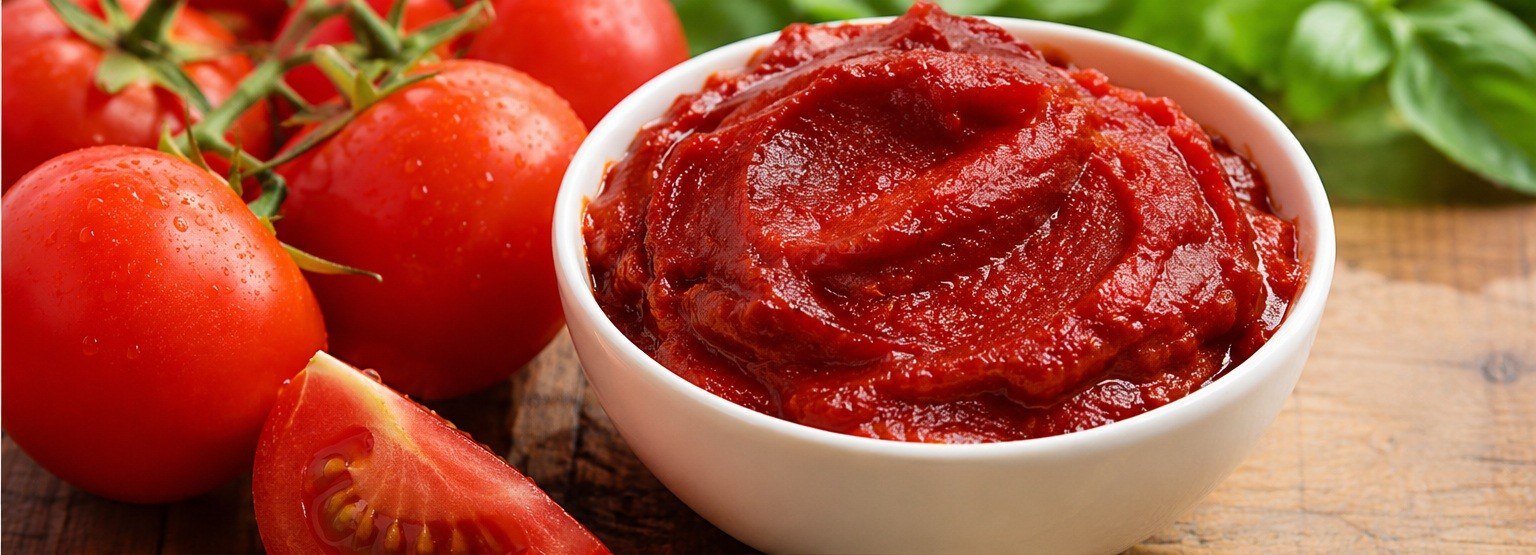

Tomato paste exporters face a practical quotation problem: buyers may use the same product name while asking for very different commercial offers. One importer specifies concentrated paste at 28–30% Brix and wants five containers delivered CIF to Cotonou. Another names 2,200 g tin cans and a 28–30% Brix target for Tema. A UK buyer asks for 66 tons on CIF terms but leaves the grade, packaging and target-price unit unclear. A fourth Tema inquiry lists tomato paste alongside five other food products, without allocating its 10,000-ton total by product.
This roundup compares four Freshdi requests. Each selected buyer profile shows Level 2 or Level 3 verification and a rating of at least 4.0/5. The selection is an evidence-based shortlist, not a ranking of the largest or most reliable importers. For suppliers, the value is in seeing where the requests are specific, where they are incomplete, and which questions must be answered before a defensible offer can be prepared.
Key Takeaways
- Three requests specify tomato paste as the principal product; a fourth includes it in a multi-product food procurement list, with no tomato-paste allocation stated.
- Documented requests range from 66 tons to five containers and 1,700 cartons. The 10,000-ton figure belongs to a multi-product list and must not be treated as tomato paste volume.
- Two single-product RFQs specify 28–30% Brix; the London request does not state Brix, grade, packaging or price unit.
- All four buyer profiles show Level 2 or Level 3 verification and ratings from 4.6/5 to 4.8/5.
- CIF is requested in all four listings, while payment options range from T/T and L/C to negotiable or “Other”. Named-port and packaging details still need confirmation.
Market Overview: Tomato Paste Trade, Production and Freshdi Activity
Tomato paste is a globally traded processed food ingredient, but the export market is concentrated among a relatively small group of origins. The World Processing Tomato Council (WPTC) reports that the main producing and trading countries exported about 7.6 million tonnes of finished tomato products in the 2024/25 crop year. Tomato paste accounted for approximately 3.9 million tonnes of that total, ahead of canned tomatoes at 2.0 million tonnes and sauces and ketchup at 1.7 million tonnes. WPTC also estimates that tomato paste exports generated more than USD 4 billion in 2024/25, and that ten countries account for about 95% of export volume. These figures show why origin, processing method and export logistics matter to suppliers competing in a concentrated trade.
The production outlook is also relevant to quotation planning. At its June 2026 update, WPTC estimated that about 40.1 million tonnes of tomatoes would be processed globally in 2026, around 1% below the 40.4 million tonnes processed in 2025. The Council highlighted input-cost pressure from fuel, fertilizers, energy, packaging and transport, as well as climate and water availability risks. For paste exporters, these pressures can affect raw-material procurement, packaging costs and production schedules; they do not, by themselves, determine the price or availability for any particular buyer.
Freshdi’s Tomato Paste Market Insight page, dated 6 November 2026, reports 88 active supply listings from 58 suppliers across 23 origin countries, alongside 45 buyer inquiries in the preceding 30 days, down 55.4% from the previous 30-day period. The same snapshot indicates that CIF appears in 74.9% of buyer requests but only 11.3% of supplier listings, a 63.6-percentage-point gap. These are platform observations, not global trade statistics or guaranteed sales opportunities. They suggest that suppliers capable of preparing a well-costed CIF offer may be relevant to some visible buyer requirements, provided they can verify freight, insurance and the named destination.
Explore Freshdi Tomato Paste Market Insight →
From Processing to Export: What Suppliers Need to Prepare
Looking to Sell Tomato Paste?
Connect with verified buyers, receive relevant buying leads, and explore sourcing opportunities from global markets.
Comparison of Four Recent Tomato Paste Buying Requests
| Buying request | Buyer profile | Quantity | Destination | Product detail | Trade / payment |
|---|---|---|---|---|---|
| Tomato paste – Cotonou, Benin | Benin · Level 2 · 4.8/5 | 5 containers | Port of Cotonou, Benin | Concentrated, 28–30% Brix | CIF · negotiable or T/T |
| 2,200 g Tin-Canned Tomato Paste – Tema, Ghana | Buyer country shown as United States; main import market Ghana · Level 2 · 4.6/5 | 1,700 cartons | Tema, Ghana | 2,200 g tins; 28–30% Brix | CIF · T/T or L/C |
| Tomato paste – London, United Kingdom | United Kingdom · Level 2 · 4.7/5 | 66 tons | London, UK | Grade and pack not stated | CIF · T/T |
| Multi-product food procurement – Tema, Ghana | Côte d’Ivoire · Level 3 · 4.8/5 | 10,000 tons total across products | Tema, Ghana | Tomato paste plus five other products; no split | CIF · Other |
Source: Observed and compiled by Freshdi. Buyer-profile ratings are shown as displayed on each request page.
Important: the 10,000-ton figure in the multi-product request is not a tomato-paste quantity. The London RFQ’s USD 650 target price has no clear unit or basis in the listing.
Buying Request 1: Tomato Paste for Cotonou, Benin — Five Containers at 28–30% Brix
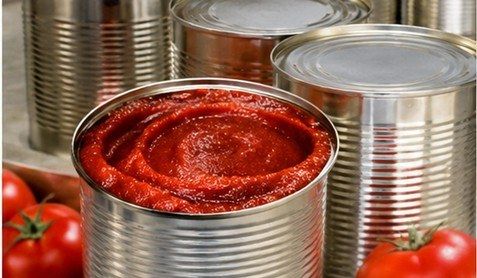 | Hot Buy Buyer: Benin buyer (display name abbreviated) · Verification: Level 2 · Rating: 4.8/5 Quantity: 5 containers · Destination: Port of Cotonou, Benin Product: Concentrated tomato paste; buyer states 28–30% Brix and seeks consistent high-grade supply. Packaging: Not specified in the captured request. Trade / payment: CIF · Negotiable or T/T · Shipping: Sea freight Other: The buyer describes itself as a growing food company and asks suppliers to provide product specifications and a competitive offer. Why this request may matter This is the clearest bulk-concentrate inquiry in the sample: it names a Brix range, a container-based quantity and a seaport destination. A processor or exporter with repeatable 28–30% Brix paste and container-loading capability can assess it more directly than a supplier offering only retail-sized cans. Best suited to Tomato paste manufacturers and exporters able to supply concentrated paste in a buyer-approved bulk or industrial pack, calculate CIF Cotonou and support consistent quality across multiple containers. What to clarify first Confirm container type and count basis, net weight per container, aseptic bag, drum or other packaging, hot-break or cold-break preference if relevant, colour and viscosity limits, salt or additives, microbiological criteria, shipment schedule, origin and the exact CIF scope. |
Buying Request 2: 2,200 g Tin-Canned Tomato Paste for Tema, Ghana — 1,700 Cartons
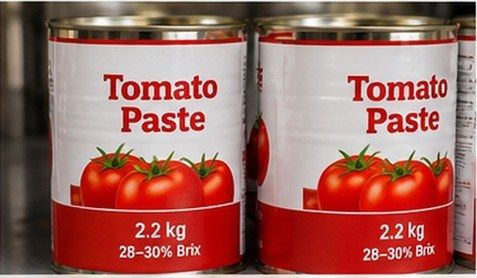 | New RFQ Buyer: Gifty · Buyer country: United States; main import market Ghana · Verification: Level 2 · Rating: 4.6/5 Quantity: 1,700 cartons · Destination: Tema, Ghana Product: Tomato paste in 2,200 g tin cans; stated Brix 28–30%. Packaging: 2,200 g tin can is specified; cans per carton, net carton weight and palletization are not stated. Trade / payment: CIF · T/T or L/C · Shipping: Not separately stated in the captured RFQ text. Other: The buyer requests a price per carton CIF Tema, lead time and sample availability. Why this request may matter Unlike the Cotonou request, this inquiry is oriented around a defined retail or food-service can size and carton-level pricing. The 2,200 g unit is useful for matching a product line, but it is not enough to calculate the shipment’s total net weight without the number of cans per carton. Best suited to Canned-food manufacturers and exporters with 2,200 g tomato paste tins, export carton specifications, and the ability to quote CIF Tema under either T/T or L/C subject to agreed conditions. What to clarify first Confirm cans per carton, carton dimensions and gross or net weights, can material and lining, label language and artwork, shelf life, Brix test basis, ingredients and additives, sample procedure, monthly or one-off quantity, shipment mode and required food-safety documents. |
Buying Request 3: Tomato Paste for London, United Kingdom — 66 Tons
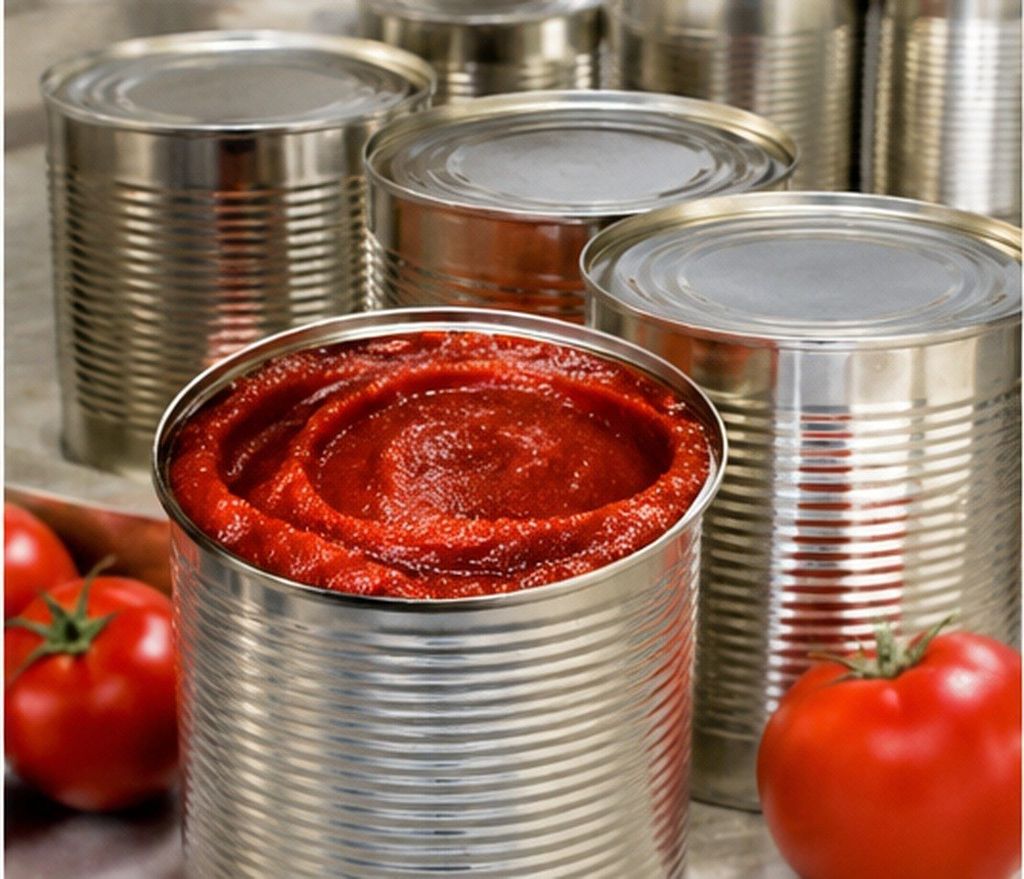
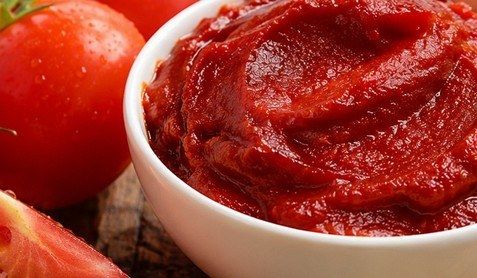 | New RFQ Buyer: Mr. David · Buyer country: United Kingdom · Verification: Level 2 · Rating: 4.7/5 Quantity: 66 tons · Destination: London, United Kingdom (the Freshdi destination field includes LON) Product: Tomato paste; no Brix, grade, ingredients or technical quality limits stated. Packaging: Not specified. Trade / payment: CIF · T/T · Shipping: Sea freight is shown in the listing. Other: The target price is displayed as USD 650, but the unit and price basis are not specified. Why this request may matter The 66-ton quantity is a defined bulk requirement, but the RFQ leaves more technical and commercial variables open than the Cotonou and Tema requests. The displayed USD 650 target should not be compared with an FOB market benchmark until its unit, packaging basis and Incoterm treatment are confirmed. Best suited to Suppliers with flexible industrial or food-service tomato paste formats who can propose a clearly specified grade and provide a complete CIF cost build-up to the buyer’s confirmed London delivery point. What to clarify first Ask for Brix, hot-break or cold-break or other process preference, colour and consistency, packaging format, net weight basis, target-price unit and whether USD 650 is per ton, per container or another unit. Confirm the exact UK port or place, import requirements and delivery schedule. |
Buying Request 4: Multi-Product Food Procurement for Tema — Tomato Paste Included
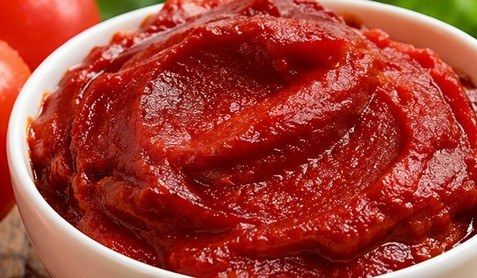 | New RFQ Buyer: Rodrigue Nguessan · Buyer country: Côte d’Ivoire · Verification: Level 3 · Rating: 4.8/5 Quantity: 10,000 tons total across a list of products; tomato paste allocation not stated · Destination: Tema, Ghana Product: Tomato paste listed alongside refined palm oil, condensed milk, milk powder, sardines in vegetable oil and pastas. Packaging: Not specified for tomato paste. Trade / payment: CIF · Other · Shipping: Not specified in the captured request text. Other: The request lists preferred origins including Asia, China, the European continent or Union, Morocco, Spain, Turkey and worldwide. Product-by-product quantities are absent. Why this request may matter This is a broader food-import procurement signal rather than a standalone tomato paste RFQ. It may suit a supplier with a multi-category portfolio or a distributor able to coordinate several manufacturers, but the 10,000-ton headline cannot be used as a tomato paste volume. Best suited to Multi-category food exporters, trading houses or coordinated supplier groups able to offer tomato paste as one line within a broader food basket, while keeping product-level specifications and quantities separate. What to clarify first Request the tomato paste tonnage, Brix and packaging separately from the other products. Confirm whether the buyer wants one consolidated supplier or several, the payment method meant by “Other”, the delivery schedule, freight scope and any product-specific import documentation. |
What These Buying Requests Mean for Suppliers
Separate concentrate from canned formats. The Cotonou request describes concentrated paste by Brix but does not name a package. The Tema request is explicitly 2,200 g tins. A supplier should not treat these as interchangeable offers: industrial aseptic packs and retail or food-service cans have different filling, handling, labelling and cost structures.
Treat volume carefully. Five containers, 1,700 cartons and 66 tons are three distinct shipment bases. The fourth request’s 10,000 tons is an aggregate multi-product figure, not a confirmed tomato paste quantity. Capacity planning should use only the product-level amount confirmed by the buyer.
Build the CIF offer from the named destination. All four listings request CIF, but only Cotonou and Tema are clearly named seaports in the captured text. The London listing uses a destination field with an airport-style code while also showing sea freight. Suppliers should confirm the actual port or place and mode before calculating freight and insurance.
Use buyer ratings as a screen, not a guarantee. The profiles pass the Level 2+ and 4.0/5 threshold. That is a useful initial filter, not proof of funds, import authorization or payment performance. Verify company identity, references, bank details and the proposed payment instrument independently.
Commercial and Export Considerations
Brix and processing style. Only two single-product requests explicitly state 28–30% Brix. Confirm whether the buyer’s Brix requirement is measured by refractometer and whether hot-break or cold-break, viscosity, colour, acidity or consistency limits apply. Do not present these additional parameters as buyer requirements unless the buyer confirms them.
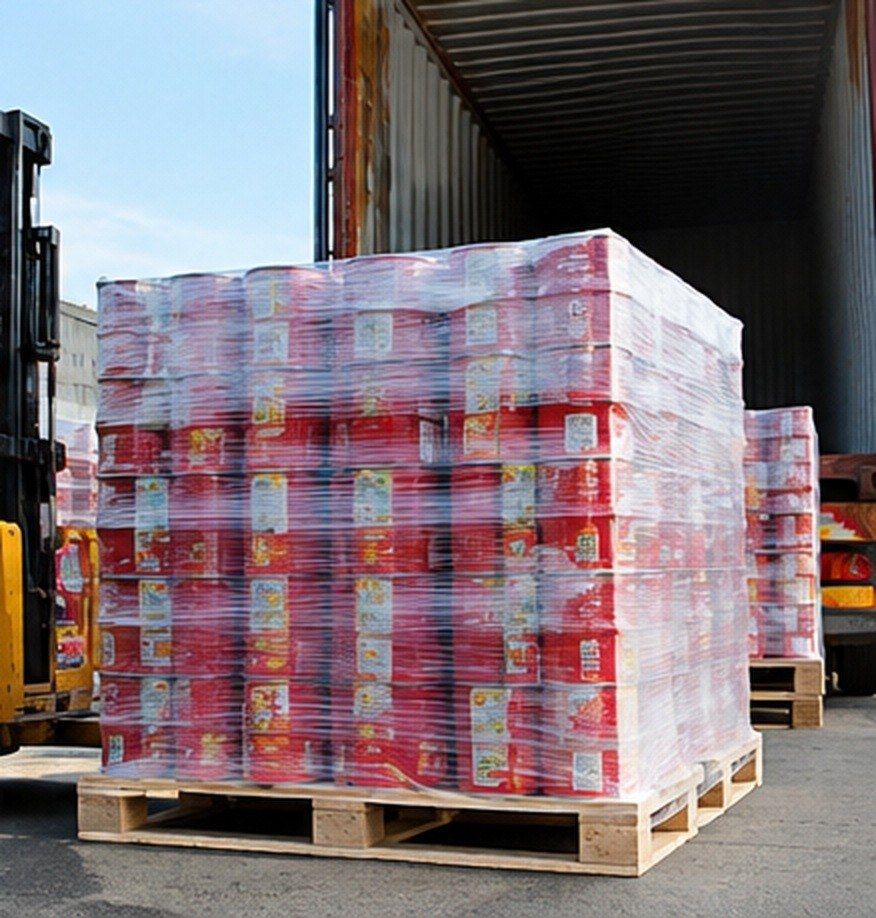
Packaging and net weight. For tins, obtain the number of cans per carton, net product weight, carton dimensions, gross weight, pallet pattern and container loading plan. For industrial paste, confirm aseptic bag or drum type, liner, sterilization and filling method and net weight per pack. Packaging changes the net tonnage, freight utilization and unit price.
Food safety and export documents. As general quotation practice, prepare a current product specification, COA and relevant food-safety certificates that the factory actually holds. Ask the buyer or destination importer to confirm mandatory certificates, labelling, shelf-life and import documentation for Benin, Ghana or the United Kingdom.
Payment and contract discipline. T/T, L/C, negotiable and “Other” are not equivalent. For L/C, review issuing-bank acceptability, presentation periods and documentary conditions. For T/T, agree deposit and balance timing and document release. Do not treat “Other” as an agreed payment method.
Price comparability. Freshdi’s 6 November tomato paste insight reports a USD 1,000 median FOB listing price across 11 priced supply listings, with an interquartile range of USD 800–1,254 per MT. The London RFQ’s USD 650 target cannot be compared directly because its unit and price basis are unstated and its requested term is CIF.
How Freshdi Helps Suppliers Discover Tomato Paste Buying Requests
Start with the Tomato Paste or Canned Tomato Paste buying-request category and review the newest listings rather than relying on a static supplier list. The visible RFQ fields help suppliers identify the product form, quantity, destination, trade term and payment method before deciding whether the inquiry fits their capabilities.
Open each original request and inspect the associated buyer profile separately. Compare the displayed verification level and profile rating with the product and commercial details, then note missing fields before preparing a quotation. The requests in this article are a screened sample; profile verification and rating are screening signals, not guarantees of a completed transaction.
Suppliers can review buying requests on Freshdi and use the quotation function where it is available to their account. Complete the company profile and product listings accurately, then submit a quotation that responds to the buyer’s actual grade, pack, quantity and CIF destination rather than sending a generic price list.
Browse Tomato Paste buying requests on FreshdiBrowse Canned Tomato Paste requests
Frequently Asked Questions
What Brix level should I offer for a tomato paste buying request?
Do not assume that every tomato paste buyer wants the same concentration. In this sample, the Cotonou and Tema requests explicitly state 28–30% Brix, while the London request does not provide a Brix value. Quote the stated range only where it appears in the RFQ, attach a current specification or COA showing the test basis, and ask the buyer to confirm acceptable tolerances and any additional colour, viscosity or acidity limits.
How should I calculate a CIF quotation for tomato paste?
First confirm the exact named destination port and the shipment mode. Then calculate product cost, export packing, inland transport, export clearance, ocean freight and the insurance required for the agreed CIF offer. State the Incoterms version, currency, quotation validity, loading port, shipment window and what is included. If a listing uses a city or airport code while also indicating sea freight, ask the buyer to confirm the intended seaport before finalizing the landed price.
Does 1,700 cartons of 2,200 g tomato paste mean 1,700 cartons of 2,200 g each?
No. The Tema request states 2,200 g tin cans and a quantity of 1,700 cartons, but it does not state how many cans are packed in each carton. Do not calculate the total net shipment weight by treating 2,200 g as the carton weight. Confirm cans per carton, gross and net carton weights, dimensions, palletization and container loading plan before quoting a price per carton or total shipment value.
Can I treat the 10,000-ton Tema request as 10,000 tons of tomato paste?
No. The buyer’s listing names tomato paste together with refined palm oil, condensed milk, milk powder, sardines in vegetable oil and pastas. The 10,000-ton figure is attached to the overall multi-product request, and no allocation by product is shown. Treat it as a multi-category sourcing inquiry and ask the buyer for a separate quantity, grade, packaging and delivery schedule for tomato paste before assessing capacity or preparing a product-specific offer.
How do I compare the London buyer’s USD 650 target with Freshdi’s tomato paste price insight?
Not until the price basis is clarified. Freshdi’s 6 November 2026 market insight reports a USD 1,000 median FOB price per metric ton across 11 supply listings, while the London RFQ displays USD 650 without a clearly stated unit or basis and asks for CIF. The figures are not directly comparable. Ask whether USD 650 is per metric ton, per container, per carton or another unit, and confirm grade, packaging and delivery scope.
What documents should a tomato paste exporter prepare before responding?
Prepare a product specification sheet and a current Certificate of Analysis showing the parameters your factory can substantiate. Depending on the product and destination, buyers may also ask for food-safety certificates, ingredient and additive declarations, shelf-life data, packaging details, label artwork, origin information and export documents. Do not claim a certificate or regulatory approval that you do not hold. Ask the importer to confirm destination-specific mandatory requirements before shipment.
How do I see full buyer contact details for these RFQs?
Full buyer contact details are unlocked separately for each RFQ on Freshdi, and the unlock is needed before you can view them and send a quotation. The platform keeps contact information behind this step so suppliers can check buyer intent before sharing sensitive commercial terms. Access depends on your account plan and the unlock credits available to you. A visible verification level or rating is a screening signal, not a guarantee of a response or transaction.
Conclusion: Match the Paste, Pack and CIF Basis Before Quoting
These four Freshdi listings show that tomato paste buyers can ask for very different offers: concentrated paste by container, 2,200 g tins by carton, a 66-ton bulk requirement, or tomato paste as one line in a wider food basket. Suppliers should first confirm the exact product form and quantity basis, then build a CIF quotation around the named destination, packaging, shipment schedule and payment instrument. The next practical step is to open the original Freshdi request, verify that it remains active and submit a product-specific quotation through the available account workflow.
References
1. World Processing Tomato Council (WPTC), Trade data for 2024/25 finished tomato-product exports.
2. WPTC, crop update dated 7 June 2026, including the 2026 processing estimate and production-cost context.
3. Freshdi Tomato Paste Market Insight, data as of 6 November 2026.