
A Global Seafood Sourcing Snapshot for Exporters, Suppliers and Seafood Businesses
The global seafood industry continues to create opportunities for exporters, processors, wholesalers, and international suppliers. Finding the right buyer, however, is not simply about offering competitive prices. Suppliers also need to understand product demand, destination markets, food-safety requirements, and the commercial conditions buyers expect.
This October 2026 update highlights six seafood buying requests listed on Freshdi, covering frozen surimi, mixed seafood, processed seafood products, shrimp, squid, and lobster. The selected requests offer a snapshot of sourcing needs across Malaysia, Europe, the United States, and the Middle East.
Key Takeaways
- Six seafood buying opportunities: Recent Freshdi requests cover frozen surimi, mixed seafood, value-added seafood products, shrimp, squid, lobster, and octopus.
- Multiple destination markets: The selected buyers are sourcing for Malaysia, the Netherlands, the United States, and Oman.
- Different order sizes: Requirements range from carton-based orders of 2,000-3,000 cartons to container shipments and a 125 MT surimi requirement.
- Processed seafood is worth watching: Requests for fish balls, seafood wontons, cooked shellfish, and surimi show opportunities beyond raw seafood exports.
- Export readiness matters: Buyers may require food-safety documents, product specifications, suitable packaging, and reliable cold-chain logistics.
- Check buyer details before quoting: Verification status and RFQ requirements vary. Review each listing and clarify missing commercial information before committing.
1. Global Seafood Market: Key Trends in 2026
The global seafood industry continues to evolve, driven by aquaculture growth, changing consumption patterns and regional trade opportunities. In 2025, global fisheries and aquaculture production reached approximately 199 million tonnes, while international trade volumes remained broadly stable. The FAO Fish Price Index increased by 3.5% over the year, recovering in the second half.
Key Regional Trends
- Asia: The world’s leading aquaculture hub, offering diverse sourcing opportunities for shrimp, pangasius, tilapia and other farmed seafood.
- Africa: Rising seafood consumption and growing import needs create potential opportunities for competitively priced frozen seafood.
- Americas: Demand for shrimp, whitefish, squid and value-added seafood offers opportunities for international suppliers, depending on local market requirements.
- Europe: Suppliers need to pay close attention to traceability, food safety, certifications and competitive pricing to meet buyers’ expectations.
2. Six Seafood Buying Requests at a Glance
The following table summarizes six selected seafood RFQs displayed on Freshdi when checked on October 30, 2026. Select a product name to open the individual request and review its current details.
Source: Compiled and updated by Freshdi from the latest buying requests.
Looking to Source Frozen Surimi?
Connect with verified suppliers, discover matching products, and explore sourcing opportunities from global markets.
3. Detailed Seafood Buying Requests on Freshdi
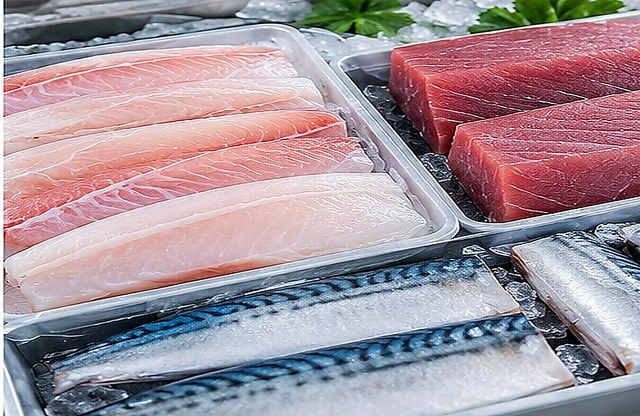
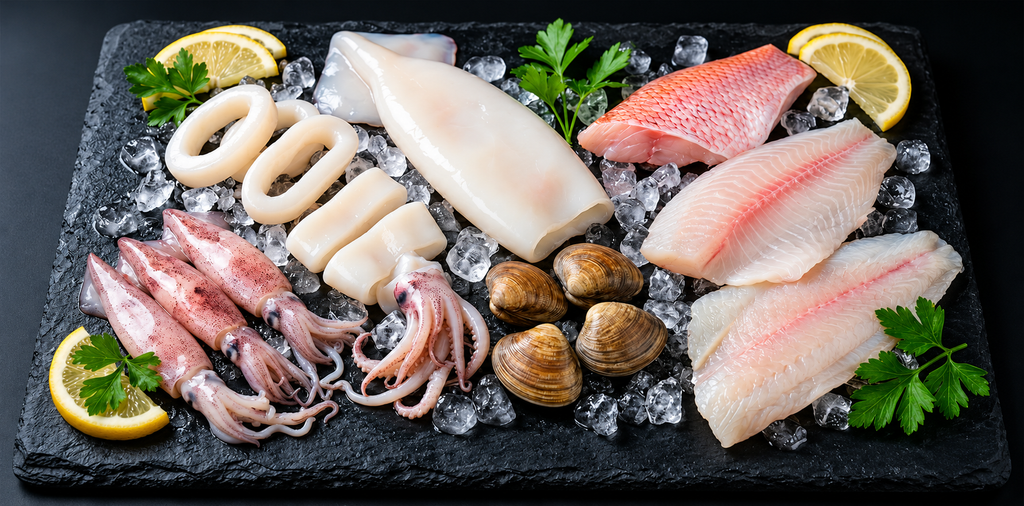
Each request below summarizes the buyer's stated requirements and highlights which suppliers may be a fit. Seafood visuals are illustrative and are not photographs supplied by the buyers.
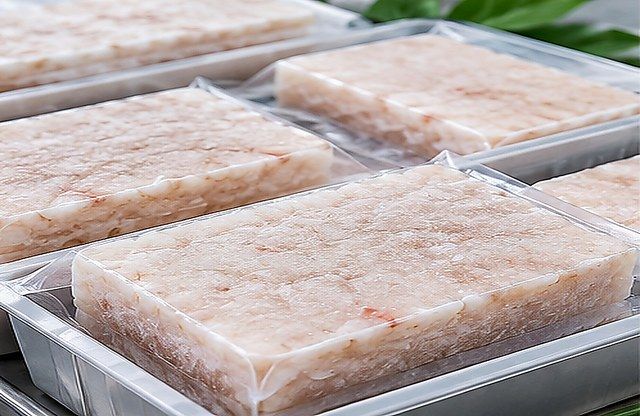 | 1. Bulk Frozen Surimi - Buyer from Malaysia CONFIRMED RFQ Product: Frozen Minced Fish Meat (Surimi) · Quantity: 125,000 kg (125 MT) Destination: Port Klang, Malaysia · Trade terms: Not specified · Payment: Not specified The Frozen Minced Fish Meat (Surimi) buying request seeks 125,000 kg (125 MT) of surimi for delivery to Port Klang, Malaysia. The buyer is looking for suppliers capable of providing bulk quantities of frozen surimi in suitable grades and wholesale packaging. Although the request is marked as Confirmed, the buyer profile is currently labelled Unverified, and payment and trade terms have not yet been specified. This opportunity may be relevant to Vietnamese surimi manufacturers and frozen seafood exporters with consistent production capacity, competitive pricing, and export-ready documentation. Supplier angle: Prepare surimi specifications, raw material origin, quality parameters, bulk packaging options, monthly capacity, and a proposed delivery schedule. Clarify the missing commercial terms before issuing a final offer. |
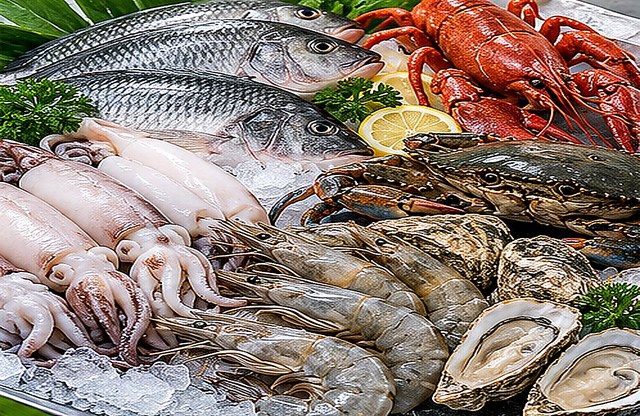 | 2. Mixed Seafood Sourcing - Buyer from the Netherlands NEW RFQ Products: Shrimp, squid, oysters, tilapia, crab, and lobster Condition: Fresh or frozen · Destination: Port of Rotterdam, Netherlands Trade terms: CIF / EXW / FAS · Payment: L/C / T/T · Quantity: Not specified A buyer from the Netherlands is sourcing a range of fresh and frozen seafood products, including shrimp, squid, oysters, tilapia, crab, and lobster, for delivery to the Port of Rotterdam. The request lists CIF, EXW, and FAS as possible trade terms, with L/C or T/T payment preferences, while the required order quantity remains to be confirmed. Asian origins are preferred, creating potential opportunities for exporters from Vietnam and other regional sourcing markets. Seafood suppliers with multiple product categories, reliable cold-chain logistics, and relevant EU export documentation may find this request worth exploring. Supplier angle: Prepare a product catalogue with species, sizes, processing methods, EU export eligibility, food-safety documentation, cold-chain arrangements, and MOQ. Confirm the required quantity and whether the buyer accepts quotations for individual product categories. |
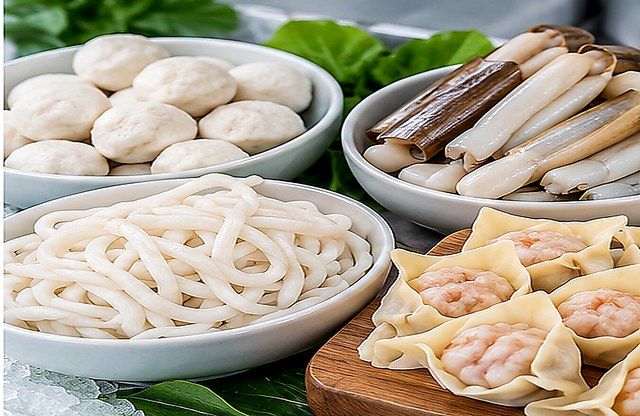 | 3. Frozen Value-Added Seafood Products - Buyer from Los Angeles, USA NEW RFQ Quantity: 2,000 cartons · Destination: Los Angeles, California, USA Storage: -18 C in reefer transportation · Special requirement: No solid-wood packing materials A buyer in Los Angeles, California, USA, is requesting 2,000 cartons of frozen value-added seafood products, including fish balls, cooked razor clams, fish noodles, and seafood wontons. The shipment must be maintained at -18 C using reefer transportation, and the buyer specifically requests that solid-wood packing materials not be used. Suppliers are invited to provide quotations per carton, together with estimated lead time, payment terms, and sample availability. This buying request may suit Vietnamese seafood processors and manufacturers specializing in ready-to-cook or processed seafood products for wholesale and foodservice distribution in the US market. Supplier angle: Prepare carton dimensions, net weight, product photos, processing details, shelf-life information, and sample availability. Confirm the packaging restriction before shipment. |
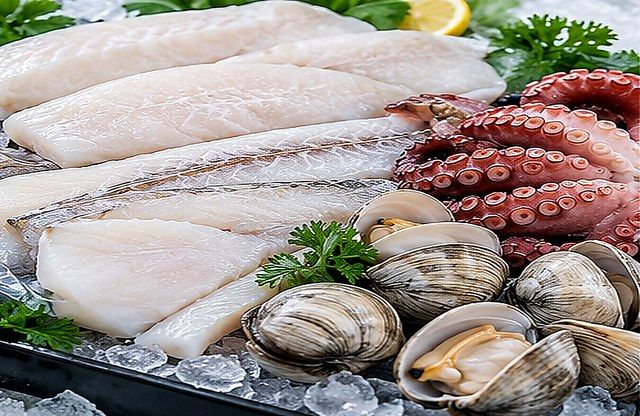 | 4. Frozen Fish, Octopus and Shellfish - Buyer from New York/Newark, USA NEW RFQ Quantity: 3,000 cartons · Destination: New York/Newark area, New Jersey, USA Products: Pacific cod and Alaska pollock fillets, cooked octopus, clam meat, ark shell, razor clam, silver fish, and yellow croaker A buyer sourcing for the New York/Newark market in the United States is seeking 3,000 cartons of frozen seafood, covering Pacific cod fillets, skinless Alaska pollock fillets, cooked common octopus, short-neck clam meat, ark shell, razor clam meat, silver fish, and small yellow croaker fillets. The buyer requests carton-based quotations that include lead time, proposed payment conditions, and sample availability. This broad product requirement may interest frozen fish and shellfish exporters, particularly suppliers with established processing facilities and the ability to provide several seafood categories. Suppliers should clarify whether partial fulfilment or quotations for individual product lines are accepted before preparing their offers. Supplier angle: Confirm product grades, processing standards, carton weight, and packaging requirements. Ask whether the buyer accepts partial fulfilment or quotations for selected species. |
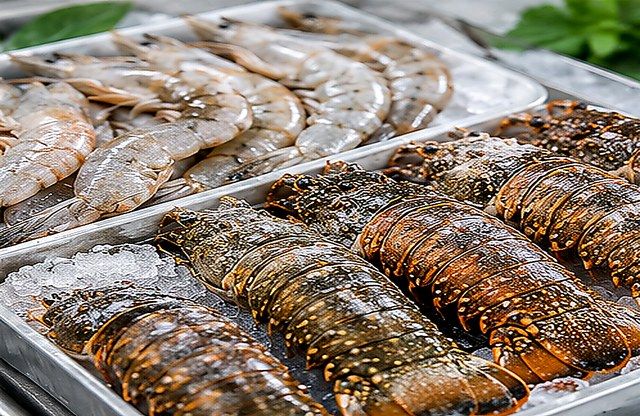 | 5. Frozen Shrimp, Squid and Lobster - Buyer from Oman NEW RFQ Quantity: 1 x 40-foot container · Destination: Sohar, Oman Products: Frozen shrimp, squid, lobster, and related seafood Trade terms: FOB / CIF · Payment: L/C / T/T · Target price: Negotiable A buyer from Oman is looking to source one 40-foot container of frozen shrimp, squid, lobster, and related seafood products, with delivery to Sohar Port. The request accepts FOB or CIF quotations and indicates L/C or T/T as preferred payment methods, while the target price is negotiable. This requirement may be suitable for seafood exporters and wholesale frozen seafood suppliers with container-loading capacity and established international shipping arrangements. Supplier angle: Provide individual product prices, available grades, packaging details, exact loadable quantity, and estimated shipping costs. Clarify the preferred quotation basis before calculating the final offer. |
 | 6. Frozen Octopus, Squid and Shrimp - Buyer from Oman NEW RFQ Quantity: 1 x 20-foot container · Destination: Oman (port to be confirmed) Preferred origins: India, Bahrain, Yemen, and Senegal Trade terms: CIF · Payment: T/T · Target price: Negotiable Another seafood sourcing opportunity from Oman requests one 20-foot container of frozen octopus, squid, and shrimp, with CIF delivery to a destination port that still needs confirmation. The buyer lists India, Bahrain, Yemen, and Senegal as preferred sourcing origins and indicates T/T as the payment method, with prices open for negotiation. This request may be relevant to frozen cephalopod and shrimp exporters looking to expand into Middle Eastern seafood markets. Suppliers should confirm whether Vietnamese-origin products can be considered before preparing a detailed offer. Supplier angle: Clarify the final discharge port and origin eligibility. Provide product form, sizes, processing details, packaging, available quantity, and estimated CIF pricing. |
4. What These Buying Requests Tell Seafood Suppliers
Buyers want more than raw seafood: Requests cover surimi, frozen fish fillets, cooked shellfish, seafood balls, noodles, and wontons. This shows the importance of offering processed and value-added seafood alongside raw products.
Export readiness can influence supplier selection: The Netherlands request highlights food safety, EU import requirements, hygiene, and cold-chain logistics. Suppliers targeting regulated markets should prepare relevant documents and confirm that their products and facilities meet destination requirements.
Container and carton capacity both matter: Some buyers specify 20-foot or 40-foot containers, while others work with carton-based orders. Suppliers should clearly state MOQ, available stock, production capacity, and packaging formats.
Incomplete RFQs create an opportunity to clarify requirements: Some listings do not specify quantity, payment terms, or final destination ports. Rather than guessing, suppliers should ask targeted questions and confirm commercial details before submitting a final offer.
5. Tips for Seafood Suppliers Before Sending a Quotation
Make your offer easy for an international buyer to review. Prepare these details before submitting a quotation:
- Product specifications: Species, size or grade, origin, product form, processing method, and clear product photos.
- Price and trade terms: Price per kg, carton, or MT; currency; and quotation basis, such as FOB, CIF, or CFR.
- Quantity and packaging: MOQ, available supply, packaging type, net weight, and container capacity.
- Certificates and delivery: Relevant export documents, food-safety certificates, cold-chain conditions, and estimated lead time.
- Payment conditions: Preferred payment method, payment conditions, and quotation validity.
- Tailor the offer: Respond to the buyer's exact product, destination, and quantity. State clearly if you can offer partial supply or alternatives.
Practical reminder: Do not send the same generic quotation to every buyer. Check the RFQ details, confirm any missing information, and make sure every price and delivery commitment reflects what your company can actually supply.
Frequently asked questions
How do I see full buyer contact details for these RFQs?
Open the individual RFQ and review the available actions. Full buyer contact details are accessed by unlocking the buyer profile for that request; this contact-access feature is reserved for eligible Premium accounts. The RFQ page will show which quotation or unlock actions are available to your account. Review the product and quantity requirements first so you can decide which buyers are worth unlocking.
Are these RFQs still active, and how long do they stay open?
The six selected requests were visible on Freshdi when this article was checked on October 30, 2026. Their status, quantity, and requirements can change if a buyer updates, closes, or completes the request. There is no single fixed duration that applies to every RFQ, so open the live request page and confirm its current status before preparing a quotation.
What does a Confirmed RFQ or verified-buyer badge mean?
These are different indicators. A Confirmed label refers to the status displayed on the buying request, while a verified-buyer badge refers to the buyer’s verification status on Freshdi. Verification indicates that the buyer has passed the platform’s applicable checks, but it does not guarantee payment capacity, product acceptance, or a completed transaction. Carry out your own due diligence before agreeing to commercial terms.
Given that some RFQs use CIF and L/C, what should I include in my first quotation?
Match the buyer’s stated requirements. Include the exact species and product form, grade or size, origin, quantity, packaging, price and currency, delivery lead time, and relevant certificates. For a CIF offer, name the destination port and clarify the freight and insurance included. If the buyer prefers an L/C, state that the final arrangement and documentary requirements must be agreed by both parties and their banks.
Can I quote for only part of a seafood buying request?
You can propose the quantity or product lines your business can supply, especially when a request covers several species. Clearly state what you can fulfil, the available quantity, and any alternative products. Ask the buyer to confirm whether partial supply is acceptable before treating the offer as agreed.
Explore the latest Seafood Buying Requests on Freshdi
Browse seafood buying requests, review current requirements, and connect with potential buyers whose sourcing needs match your products.
Market observations and synthesis by Freshdi.