Factory Price High Quality Bamboo Wood
Top Quality bamboo wood available for sale products. Factory price high quality bamboo wood at good price.
Product Gallery
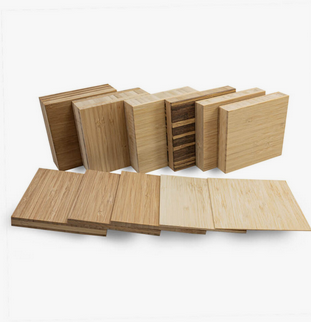
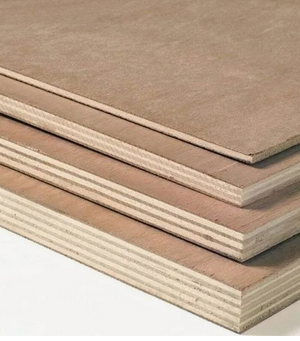
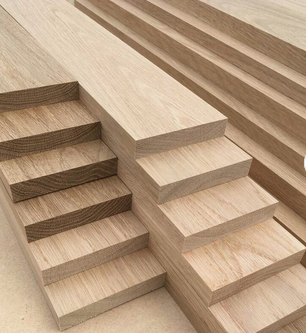
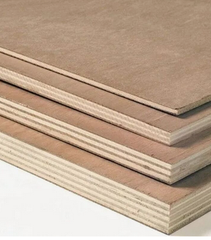
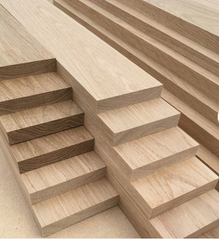
High Quality bamboo wood crafted for durability, sustainability, and natural beauty. Available in various forms and sizes to suit diverse applications.
Bamboo Wood
Bamboo wood is a unique and sustainable material derived from the fast-growing bamboo plant. Unlike traditional hardwoods, bamboo is technically a grass, but it shares many characteristics with wood, making it an excellent alternative for various applications. Bamboo is celebrated for its strength, versatility, and eco-friendly nature, often used in construction, furniture, flooring, and other products that require durable and aesthetically pleasing materials.
Characteristics
- Sustainability: Bamboo is one of the fastest-growing plants on Earth, with some species growing up to 3 feet (about 1 meter) per day. It reaches maturity in 3 to 5 years, compared to decades for traditional hardwoods, making it a highly renewable resource. Its rapid growth and ability to thrive in diverse climates contribute to its reputation as an eco-friendly material.
- Strength and Durability: Despite being a grass, bamboo possesses impressive strength, often compared to hardwoods like oak and maple. It has a high tensile strength, which makes it resistant to bending and breaking under pressure. Bamboo's natural resistance to moisture, insects, and decay also enhances its durability, particularly when treated properly.
- Aesthetic Appeal: Bamboo wood has a distinct and attractive appearance, characterized by its smooth texture and natural color variations, ranging from pale yellow to darker amber hues. It can be processed into different forms, such as solid bamboo, strand-woven bamboo, and laminated bamboo, each offering unique aesthetic qualities. Its fine grain and warm tones make it a popular choice for modern and minimalist designs.
- Versatility: Bamboo can be processed into various forms and products, including flooring, furniture, cabinetry, panels, and decorative items. It can be cut, shaped, and finished similarly to traditional wood, offering a wide range of design possibilities. Bamboo's versatility extends to both indoor and outdoor applications, although outdoor use typically requires additional treatment to protect against weathering.
Types of Bamboo Wood
- Created by cutting bamboo stalks into thin strips, which are then glued together to form solid boards.
- Commonly used in flooring, furniture, and countertops.
- Offers a natural and consistent appearance, with visible nodes (knots) that add to its charm.
- Solid Bamboo:
- Made by shredding bamboo fibers, which are then compressed and bonded under high pressure to create dense, strong boards.
- Known for its exceptional strength, making it suitable for high-traffic areas like flooring and staircases.
- Often has a darker, more uniform appearance due to the manufacturing process.
- Strand-Woven Bamboo:
- Consists of multiple layers of bamboo strips or veneers that are glued together to form a stable, engineered product.
- Used in a variety of applications, including furniture, panels, and decorative surfaces.
- Offers enhanced stability and reduced susceptibility to warping compared to solid bamboo.
- Laminated Bamboo:
Applications
- Flooring: Bamboo flooring is a popular choice for residential and commercial spaces due to its durability, ease of maintenance, and natural beauty. It can be installed in various styles, including horizontal, vertical, and strand-woven patterns.
- Furniture: Bamboo is widely used in furniture making, from chairs and tables to cabinets and shelving units. Its strength and light weight make it ideal for creating sturdy yet elegant pieces.
- Construction: In some regions, bamboo is used as a construction material for scaffolding, bridges, and even entire buildings. Its flexibility and strength make it suitable for load-bearing structures, particularly in earthquake-prone areas.
- Decorative Items: Bamboo is also crafted into decorative items such as wall panels, blinds, cutting boards, and utensils. Its natural beauty and sustainability make it a favored material for eco-conscious consumers.
- Outdoor Use: With proper treatment, bamboo can be used for outdoor applications like decking, fencing, and garden furniture. Treated bamboo resists weathering and maintains its strength and appearance over time.
Advantages
- Eco-Friendly: Bamboo's rapid growth and renewability make it one of the most environmentally friendly building materials available. It requires fewer resources to cultivate and harvest than traditional hardwoods and plays a role in carbon sequestration, helping to mitigate climate change.
- Strength and Resilience: Bamboo's high tensile strength makes it a strong and resilient material suitable for various demanding applications. It withstands wear and tear, making it a durable choice for flooring, furniture, and construction.
- Aesthetic Versatility: Bamboo's natural beauty, with its smooth texture and warm colors, complements a wide range of design styles, from rustic to modern. It can be finished in various ways, including staining, varnishing, or leaving it in its natural state.
- Cost-Effective: Bamboo is often more affordable than traditional hardwoods, offering a cost-effective alternative without compromising on quality or aesthetics. Its abundance and rapid growth contribute to its lower cost.
Challenges
- Sensitivity to Moisture: While bamboo is naturally moisture-resistant, it can still be susceptible to swelling and warping if exposed to excessive moisture. Proper sealing and treatment are essential for outdoor or humid environments.
- Potential for Scratching: Bamboo can be prone to scratching, particularly in high-traffic areas. Regular maintenance, such as refinishing or the use of protective coatings, can help mitigate this issue.
- Variability in Quality: The quality of bamboo products can vary depending on the species, harvesting practices, and manufacturing processes. It's important to source bamboo from reputable suppliers to ensure consistency and durability.


 Belgium
 Mauritania
 Georgia
 Germany
 British Indian Ocean Territory
 Antarctica
 United Kingdom


